Spirulina Skincare Benefits: Everything You Need to Know in 2026
Spirulina is a blue-green microalga that has gained global attention in nutrition and cosmetics. It is rich in protein, vitamins, minerals, essential fatty acids, chlorophyll, and powerful antioxidants such as phycocyanin and beta-carotene. Modern skincare research is increasingly exploring its ability to protect the skin from oxidative stress, inflammation, and premature aging. The growing popularity of spirulina skincare products is largely due to their natural origin and high nutrient density. Scientific reviews suggest that spirulina may support skin hydration, collagen production, wound healing, and protection against environmental stressors.
Although more human clinical studies are still needed, current findings are promising and continue to drive innovation in cosmetic formulations.
What Are the Benefits of Spirulina for the Skin?
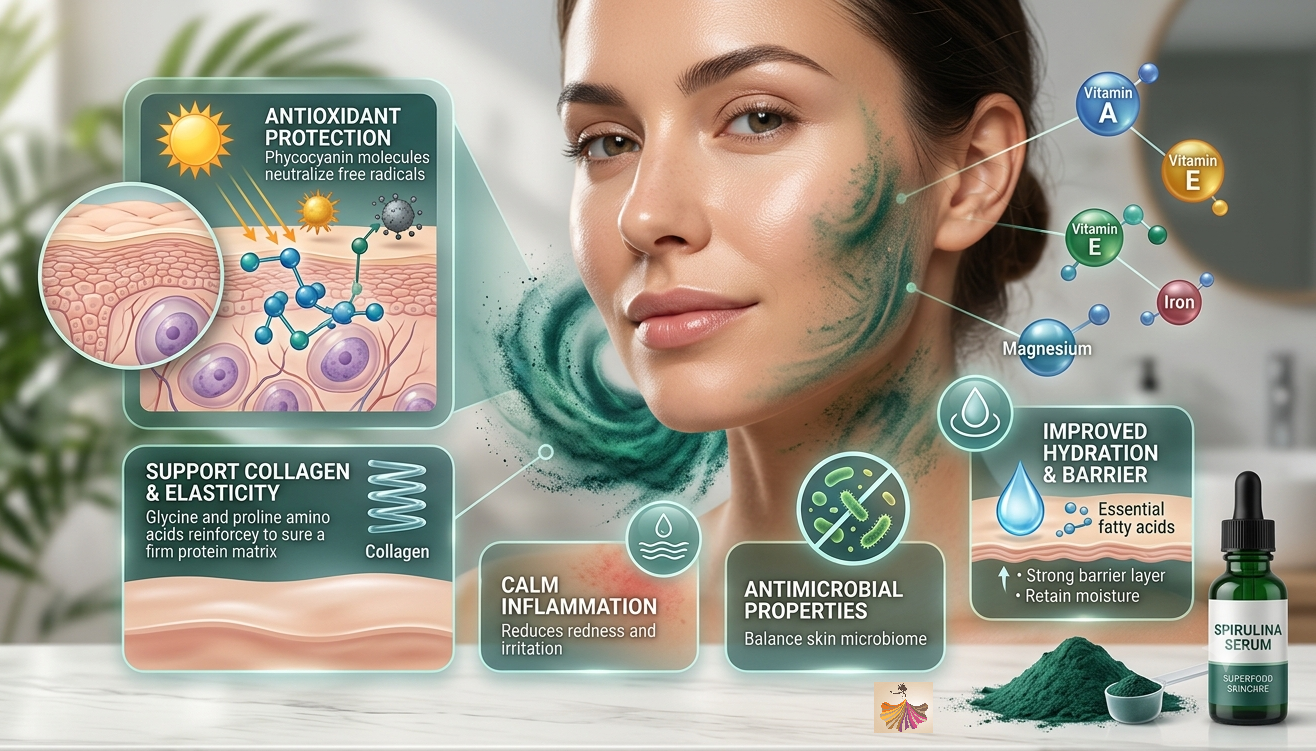
Spirulina offers several potential benefits for the skin because it contains proteins, amino acids, vitamins A, E, and B-complex, iron, magnesium, and antioxidant pigments called phycocyanins. These nutrients work together to support healthy skin function.
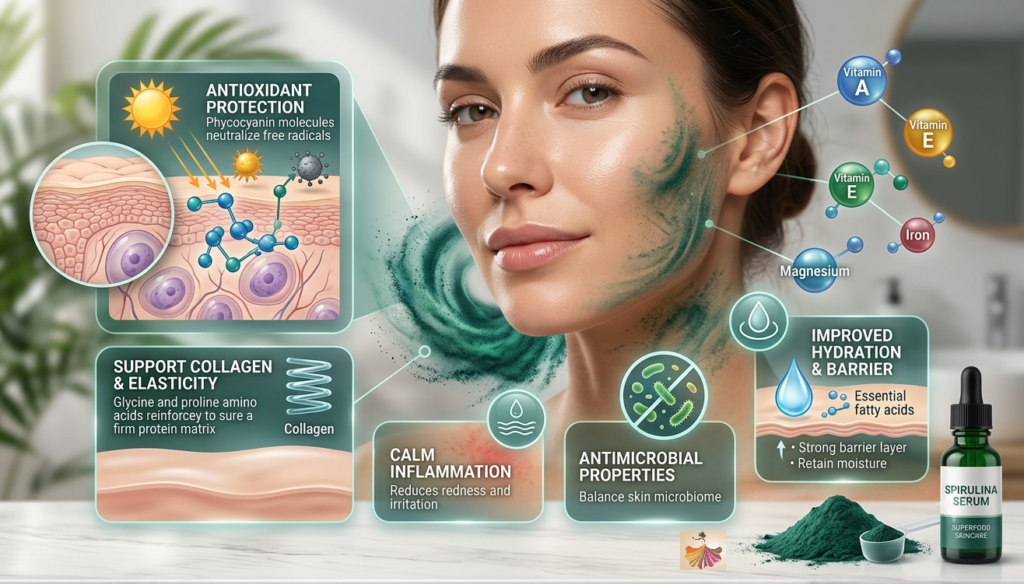
One of its greatest advantages is its antioxidant activity. Free radicals generated by sunlight, pollution, and stress damage skin cells and accelerate aging. Research shows that phycocyanin helps neutralize these harmful molecules and supports the body’s natural antioxidant defense system. This may reduce visible signs of skin damage.
Spirulina is also rich in amino acids such as glycine and proline. These amino acids are important building blocks for collagen, the protein responsible for skin firmness and elasticity. Healthy collagen levels help maintain smoother and younger-looking skin.
Another benefit is its anti-inflammatory effect. Chronic inflammation contributes to redness, irritation, and several skin disorders. Studies indicate that spirulina compounds may help regulate inflammatory pathways and calm irritated skin.
Some research also suggests that spirulina has antimicrobial properties. These properties may help maintain a healthier skin microbiome and support the management of certain skin conditions.
The nutrient profile of spirulina can also contribute to improved hydration and skin barrier function. Vitamins and essential fatty acids help retain moisture and protect against dryness.
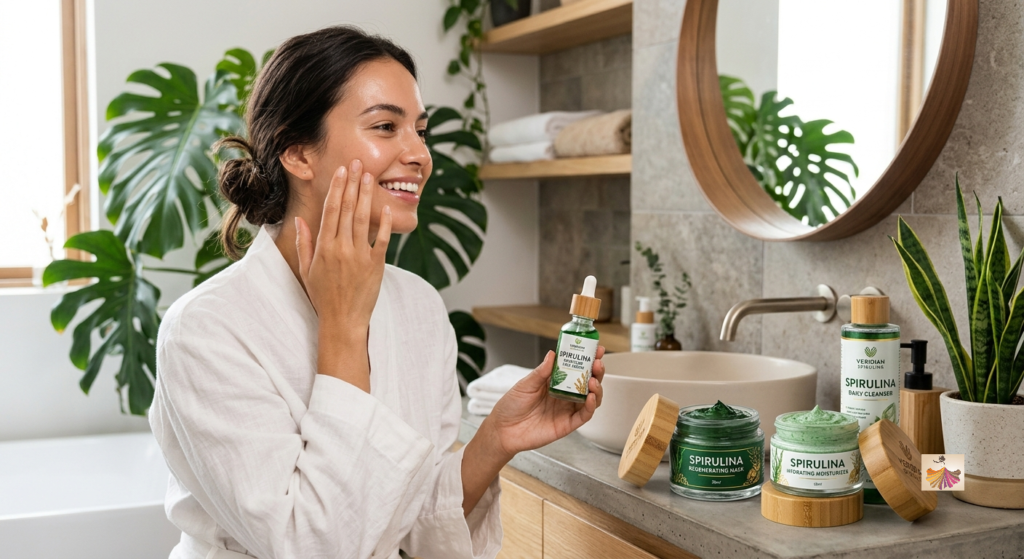
Because of these properties, spirulina skincare products are increasingly included in masks, serums, creams, and supplements designed to promote healthier and more resilient skin. Although additional human studies are necessary, current scientific evidence supports spirulina as a promising natural ingredient for overall skin wellness.
Is Spirulina Good for Acne and Pimples?
Acne develops due to several factors, including excess oil production, bacterial growth, clogged pores, and inflammation. Spirulina may help address some of these factors because of its antioxidant, anti-inflammatory, and antimicrobial properties.
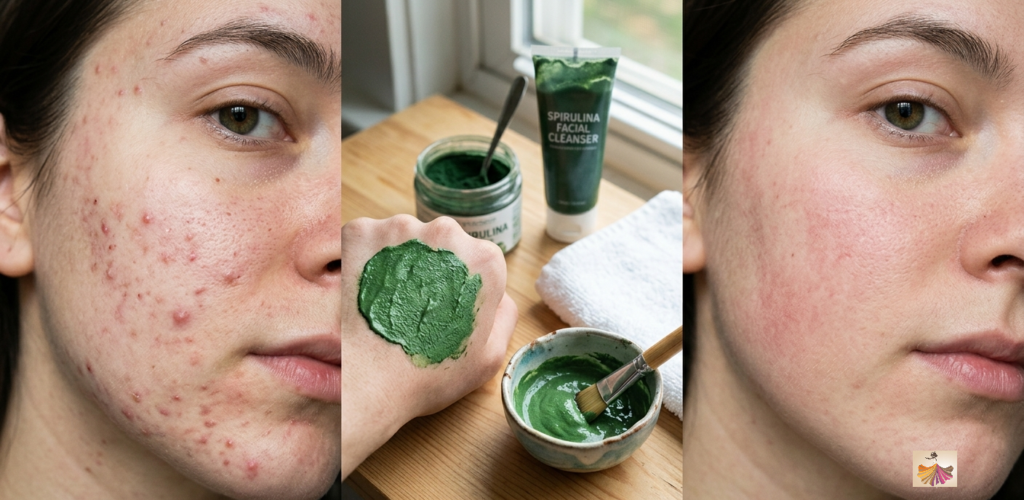
Laboratory studies suggest that spirulina extracts can inhibit certain microorganisms and reduce inflammatory responses in skin cells. Since inflammation plays a major role in acne formation, ingredients that calm inflammatory pathways may help reduce redness and swelling associated with pimples. Spirulina also contains zinc and vitamin A. Both nutrients are important for maintaining healthy skin and regulating the turnover of skin cells. Vitamin A supports normal shedding of dead skin cells, reducing the likelihood of clogged pores.
The antioxidants present in spirulina may also help reduce oxidative stress. Increased oxidative stress has been observed in individuals with acne and may contribute to the worsening of lesions. Topical creams containing spirulina have shown encouraging results in preliminary research. Scientists suggest that spirulina may become an alternative supportive ingredient for acne-prone skin because it has fewer concerns regarding bacterial resistance compared with long-term antibiotic use.
However, spirulina is not a replacement for medically approved acne treatments. Severe acne often requires treatment from a dermatologist. People with sensitive skin should also perform a patch test before applying spirulina products directly to the face. The rise of spirulina skincare formulations aimed at acne management reflects growing consumer interest in natural alternatives. Face masks and cleansers containing spirulina are commonly marketed to reduce oiliness and soothe irritated skin.
Although evidence is still developing, current studies indicate that spirulina may be a useful complementary ingredient for managing mild acne and occasional pimples when used alongside a proper skincare routine.
Can Spirulina Help Reduce Wrinkles and Signs of Aging?
Aging skin is characterized by reduced collagen production, increased oxidative stress, fine lines, and loss of elasticity. Spirulina contains several compounds that may help slow these visible changes. Its most important anti-aging component is phycocyanin, a potent antioxidant pigment. Oxidative stress caused by ultraviolet radiation and pollution accelerates the breakdown of collagen and elastin fibers. By neutralizing free radicals, spirulina may help preserve the structural integrity of the skin.
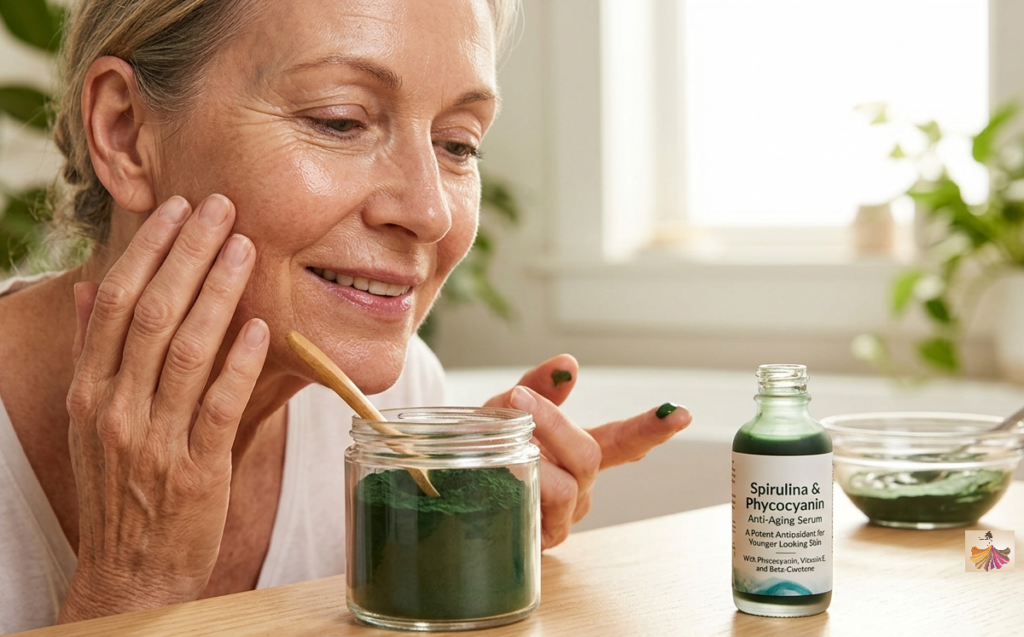
Research has also shown that spirulina extracts may stimulate growth factors in dermal fibroblasts. These cells are responsible for producing collagen and maintaining skin firmness. Enhanced fibroblast activity could contribute to better skin elasticity and reduced appearance of wrinkles. Spirulina is additionally rich in beta-carotene and vitamin E, nutrients known for supporting skin repair and reducing oxidative damage. These compounds may help improve skin texture and maintain a youthful appearance.
The anti-inflammatory properties of spirulina are equally important. Chronic low-grade inflammation is increasingly recognized as a major contributor to premature aging, sometimes called “inflammaging.” Reducing inflammation may help slow the development of wrinkles and sagging. Animal studies have shown that spirulina supplementation can improve collagen content and reduce signs of skin aging. However, researchers emphasize that more large-scale human studies are needed to confirm these findings. The popularity of spirulina skincare products for anti-aging purposes continues to increase. Many serums and masks now include spirulina as a natural source of antioxidants.
While spirulina cannot completely stop aging, scientific evidence suggests it may support healthier aging skin, improve resilience against environmental stress, and contribute to smoother and firmer skin over time.
Does Spirulina Brighten and Even Out Skin Tone?
Uneven skin tone and dullness often occur because of oxidative stress, inflammation, sun exposure, and impaired skin renewal. Spirulina may support a brighter complexion through several biological mechanisms. Its antioxidant content helps protect skin cells from damage caused by free radicals. Oxidative stress can lead to a tired and uneven appearance. By reducing this damage, spirulina may help the skin maintain a healthier glow. Spirulina is also rich in vitamins and minerals that support cellular repair. Vitamin A contributes to normal skin cell turnover, while iron and B vitamins help maintain healthy circulation and nutrient delivery to the skin.
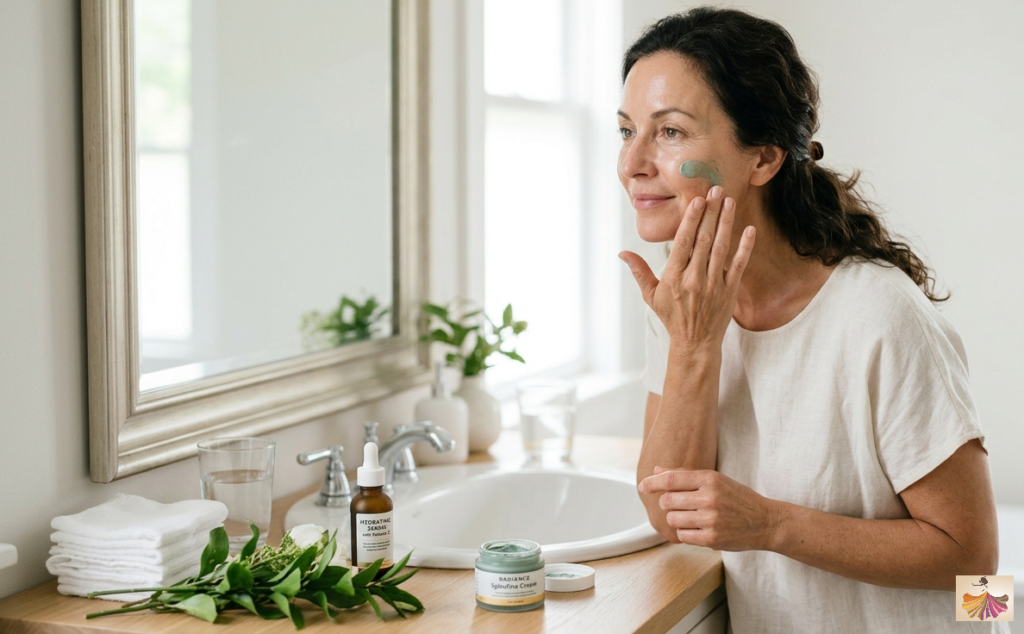
The anti-inflammatory properties of spirulina may help reduce redness and post-inflammatory discoloration. Calmer skin often appears more even and radiant. Another important factor is hydration. Spirulina’s nutrient profile may help strengthen the skin barrier and reduce moisture loss. Well-hydrated skin naturally appears brighter and smoother. Some cosmetic formulations combine spirulina with ingredients such as vitamin C and niacinamide to target dullness and pigmentation more effectively. These combinations are increasingly popular in spirulina skincare products designed to improve radiance.
However, there is currently limited clinical evidence proving that spirulina directly lightens skin tone or significantly changes pigmentation. Most of the available evidence suggests it supports overall skin health and radiance rather than acting as a bleaching agent. Individuals seeking brighter and more even skin may benefit from using spirulina as part of a comprehensive routine that includes sunscreen, antioxidants, and proper hydration.
Overall, spirulina appears to be a promising natural ingredient for enhancing skin vitality and promoting a healthier-looking complexion.
How Does Spirulina Improve Collagen Production in the Skin?
Collagen is the main structural protein in the skin. It provides strength, elasticity, and firmness. Beginning in early adulthood, collagen production gradually declines, contributing to wrinkles and sagging. Spirulina contains amino acids such as glycine and proline, which are essential components of collagen fibers. Providing these building blocks may help support normal collagen synthesis.
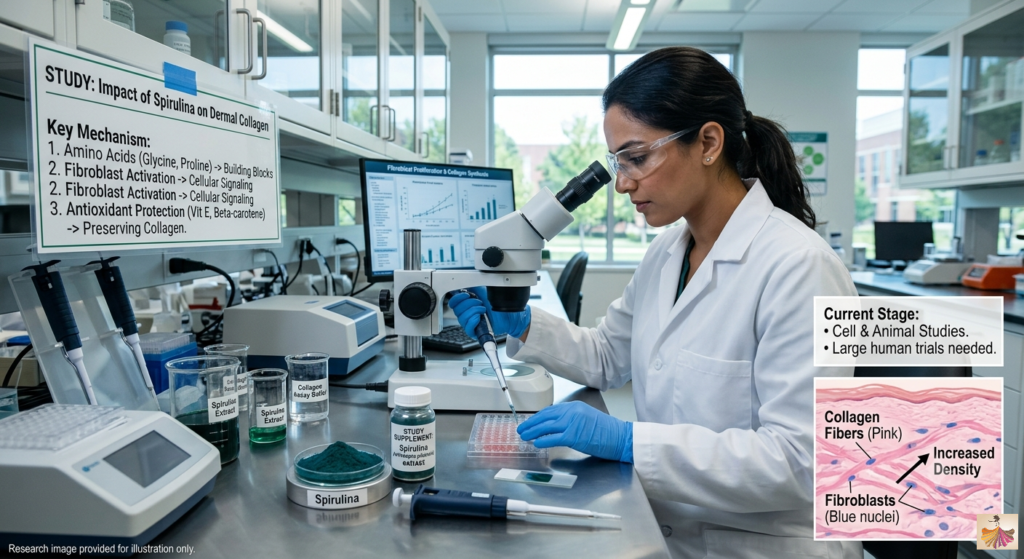
Research has also shown that spirulina proteins can stimulate fibroblast activity through cellular signaling pathways. Fibroblasts are the cells responsible for producing collagen and maintaining the skin’s supportive structure. Another important factor is antioxidant protection. Ultraviolet radiation and pollution generate free radicals that activate enzymes called matrix metalloproteinases. These enzymes break down collagen. By reducing oxidative stress, spirulina may help preserve existing collagen.
Animal studies published in recent years have demonstrated increased collagen levels and improved skin structure after spirulina supplementation. Researchers believe that bioactive compounds found in spirulina may enhance skin regeneration and repair processes. Spirulina also contains vitamin E and beta-carotene, nutrients that contribute to healthy skin maintenance and support protective mechanisms against environmental damage. The growing interest in spirulina skincare products is partly driven by these findings. Anti-aging creams and supplements increasingly include spirulina because of its potential to support collagen health naturally.
Although current evidence is encouraging, scientists emphasize the need for larger human clinical trials before definitive conclusions can be made. Nonetheless, available research indicates that spirulina may contribute to healthier collagen metabolism and support firmer, more resilient skin.
Can Spirulina Help with Dark Spots and Hyperpigmentation?
Dark spots and hyperpigmentation occur when excess melanin accumulates in certain areas of the skin. Sun exposure, inflammation, acne, and hormonal changes are common causes. Spirulina may indirectly help improve the appearance of dark spots because of its antioxidant and anti-inflammatory properties. By reducing inflammation and supporting cellular repair, it may help minimize post-inflammatory pigmentation over time.
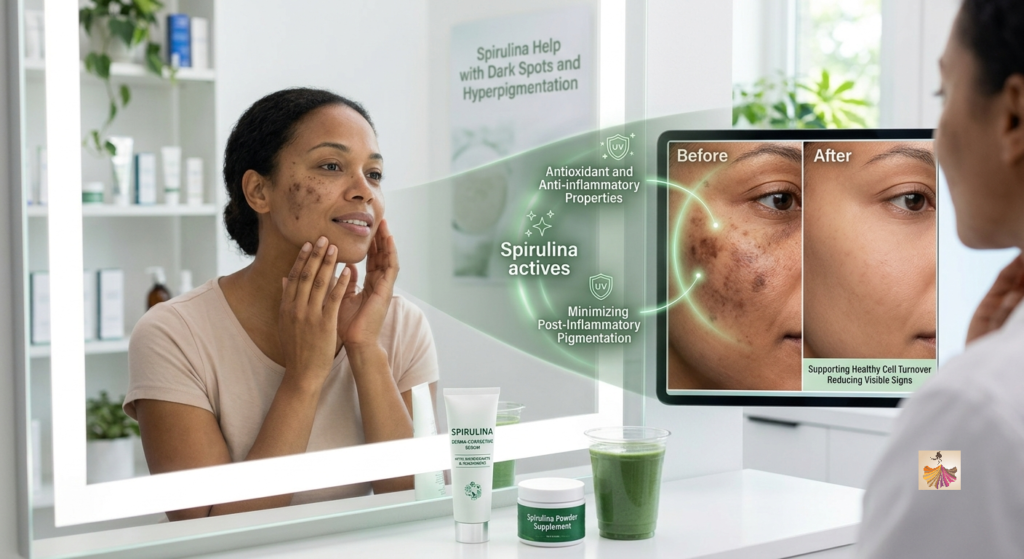
Antioxidants in spirulina can also protect skin cells from oxidative stress caused by ultraviolet radiation. Since sun exposure is a major trigger for hyperpigmentation, protecting the skin from oxidative damage is important. Some researchers believe that certain compounds in microalgae may influence melanin production pathways. However, direct evidence specifically demonstrating spirulina’s ability to significantly reduce hyperpigmentation remains limited. Spirulina may also support skin renewal by providing nutrients necessary for healthy cell turnover. As older pigmented cells are gradually replaced by new cells, discoloration may become less noticeable.
Many spirulina skincare products combine spirulina with established brightening ingredients such as vitamin C, niacinamide, or alpha arbutin. These formulations may provide better results than spirulina alone. People with persistent melasma or severe pigmentation disorders should seek professional advice from a dermatologist because these conditions often require targeted treatment.
Current scientific evidence suggests that spirulina may be useful as a supportive ingredient for improving overall skin appearance and helping maintain a more even complexion, but it should not be viewed as a standalone treatment for significant hyperpigmentation.
Can Spirulina Protect the Skin from Environmental Damage and Pollution?
Modern lifestyles expose the skin to ultraviolet radiation, cigarette smoke, and air pollution. These environmental stressors generate free radicals that damage proteins, lipids, and DNA within skin cells. Spirulina is exceptionally rich in antioxidants, particularly phycocyanin, beta-carotene, and vitamin E. These compounds help neutralize free radicals and reduce oxidative stress. Laboratory studies have demonstrated that spirulina-derived compounds can protect skin cells from ultraviolet-induced damage and reduce markers associated with photoaging.
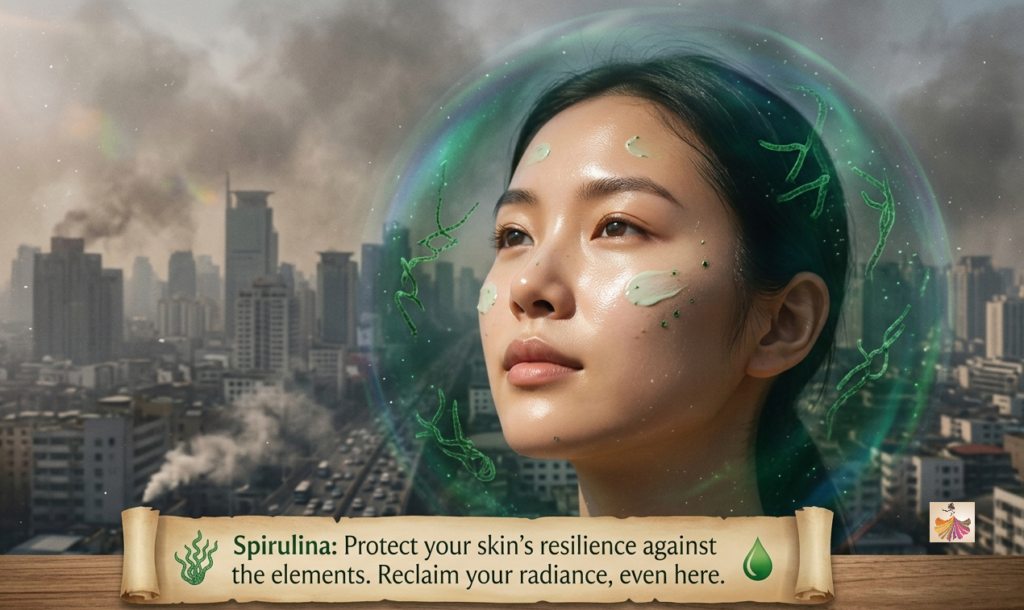
Pollution can weaken the skin barrier and accelerate premature aging. By supporting antioxidant defenses and reducing inflammation, spirulina may help strengthen the skin’s resilience against environmental aggressors. The anti-inflammatory effects of spirulina are particularly valuable because environmental pollutants often trigger inflammatory responses that contribute to redness, sensitivity, and accelerated aging. Some studies have also suggested that spirulina may support detoxification processes by binding certain heavy metals. However, more research is needed to determine the relevance of this effect for skin health.
The increasing demand for spirulina skincare products is partly due to consumer interest in natural ingredients that help defend the skin against modern environmental challenges. Although spirulina should never replace sunscreen or other protective measures, it may serve as a useful complementary ingredient for reducing oxidative damage and supporting healthier skin in polluted environments.
Does Spirulina Help with Eczema and Skin Inflammation?
Eczema is a chronic inflammatory condition characterized by dryness, itching, and irritation. Inflammation also plays a major role in many other skin disorders. Spirulina contains compounds with demonstrated anti-inflammatory activity. Scientific studies suggest that spirulina can influence immune signaling pathways and reduce the production of inflammatory molecules. Preliminary research has shown that topical formulations containing spirulina may improve symptoms of eczema and reduce skin irritation. These findings are encouraging, although larger human trials are needed.
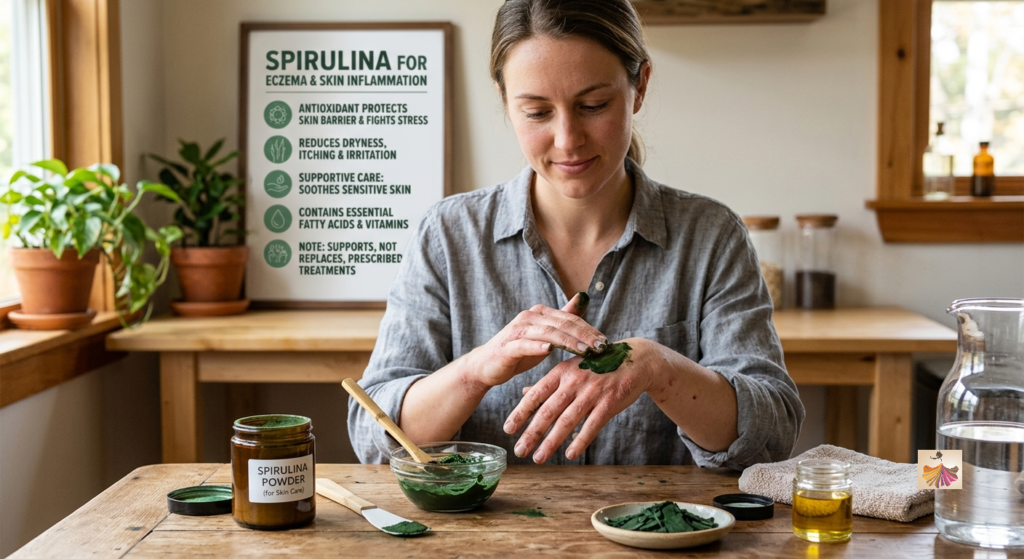
The antioxidant properties of spirulina may also help protect the skin barrier from oxidative stress. A stronger skin barrier can reduce water loss and improve resilience against irritants. Spirulina’s nutrient profile, including essential fatty acids and vitamins, may contribute to improved skin hydration and comfort. Well-hydrated skin is often less prone to irritation and itching. Some researchers also believe that spirulina’s antimicrobial effects may help maintain a healthier skin microbiome, which is increasingly recognized as an important factor in inflammatory skin diseases.
Despite these potential benefits, spirulina should not replace prescribed treatments for eczema. Moderate to severe eczema often requires professional medical management. The popularity of spirulina skincare products designed for sensitive and irritated skin continues to grow as consumers seek natural ingredients with soothing properties. Current evidence indicates that spirulina may serve as a supportive ingredient for reducing inflammation and promoting healthier skin function, but additional clinical studies are necessary to establish its effectiveness in eczema treatment.
Are There Any Side Effects of Using Spirulina on the Skin?
Spirulina Is Generally Safe for Most People
Spirulina is generally considered safe for most individuals when it is sourced from reputable manufacturers and used appropriately. Both topical and dietary forms of spirulina are widely used in wellness and skincare products. However, like any natural ingredient, some people may experience side effects or adverse reactions.
Possible Skin Reactions and Allergies
Topical application of spirulina can occasionally cause skin irritation, redness, itching, or allergic reactions, particularly in people with sensitive skin. Before applying a spirulina-based product to the face or body, it is recommended to perform a patch test on a small area of skin to check for any adverse reaction.
Individuals who have allergies to seafood, iodine, or seaweed may also be more likely to react to spirulina products and should use them with caution.
Risk of Contamination in Low-Quality Products
One of the biggest concerns surrounding spirulina is product contamination. Spirulina harvested from poor-quality sources may contain harmful substances, including heavy metals, bacteria, and toxins known as microcystins. These contaminants can pose significant health risks if consumed or used regularly.
For this reason, consumers interested in spirulina skincare products should always purchase from reputable brands that conduct third-party quality testing and provide information about purity, safety, and sourcing.
Potential Effects on Certain Health Conditions
People with autoimmune disorders should consult a healthcare professional before taking spirulina supplements because spirulina may stimulate or influence immune activity.
Additionally, consuming excessive amounts of spirulina may lead to side effects such as:
- Digestive discomfort
- Nausea
- Headaches
- Stomach upset
Special Considerations for Pregnant and Breastfeeding Women
Pregnant and breastfeeding individuals should seek medical advice before using concentrated spirulina supplements or high-dose spirulina skincare products. Limited research is available regarding the safety of supplementation during these periods.
Conclusion
Spirulina is one of the most nutrient-dense natural ingredients being explored in modern dermatology and cosmetics. Its antioxidant, anti-inflammatory, and antimicrobial properties make it a promising ingredient for anti-aging, acne management, skin protection, and overall skin wellness. Although more human clinical research is still needed, current scientific evidence suggests that spirulina skincare products may provide meaningful support for healthier, stronger, and more resilient skin when incorporated into a balanced skincare routine.