Spirulina in Beauty Products: Latest Research, Trends, and Applications
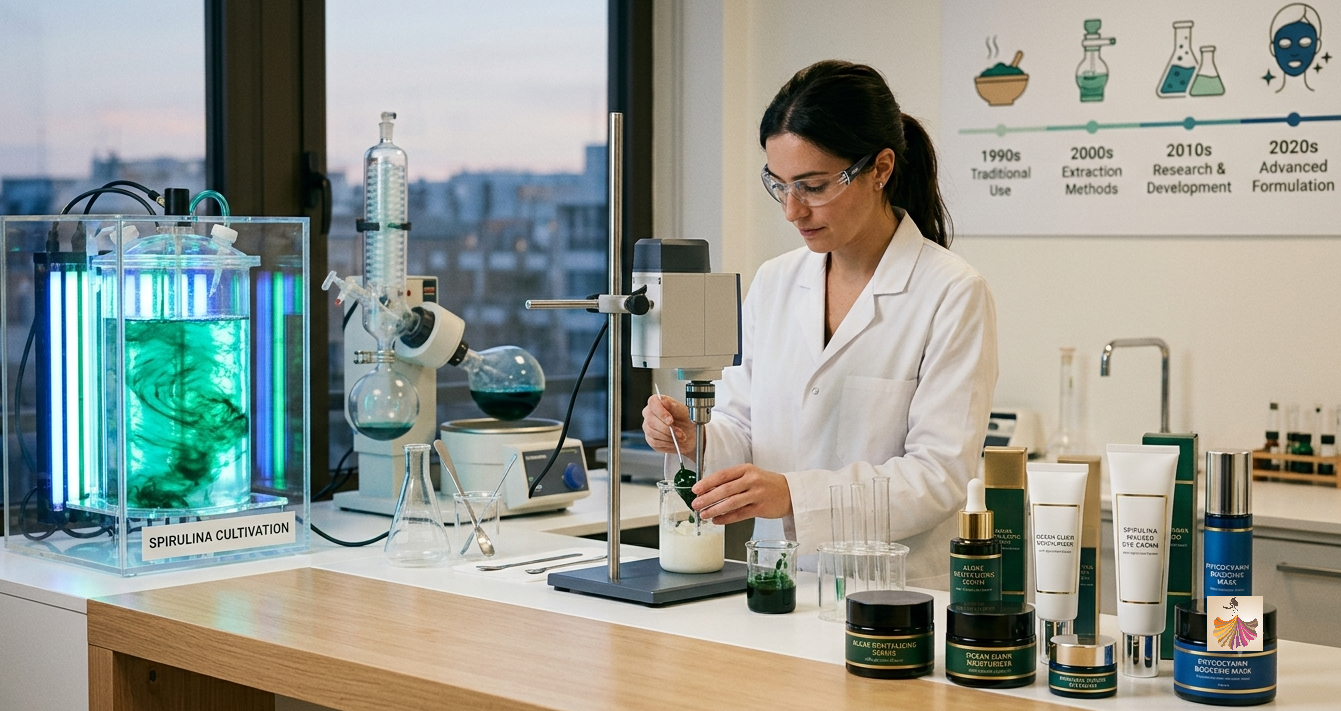
The cosmetic industry has experienced a remarkable transformation over the past few decades, shifting from synthetic ingredients toward natural, sustainable, and scientifically proven bioactive compounds. Among these natural ingredients, spirulina has emerged as one of the most valuable microalgae used in skincare and beauty products. Rich in proteins, vitamins, minerals, antioxidants, and essential fatty acids, spirulina has become a multifunctional ingredient in modern cosmetics. By 2026, spirulina-based cosmetics represent one of the fastest-growing segments of the clean beauty and biotechnology industries.
This article explores the historical entry of spirulina into the cosmetic industry, its key characteristics, current applications in cosmetic products, benefits for different skin types, mechanisms of action within the human body, and solutions to common beauty concerns.
Introduction
The global beauty industry is increasingly driven by consumer demand for:
- Natural ingredients
- Sustainable products
- Anti-aging solutions
- Chemical-free cosmetics
- Skin barrier repair products
- Vegan and cruelty-free formulations
Spirulina perfectly meets these demands because it is:
- Natural
- Nutrient-rich
- Environmentally sustainable
- Scientifically validated
- Multifunctional in skincare applications
As of 2026, spirulina is widely recognized as a “super-ingredient” in cosmetic science.
Historical Entry of Spirulina into the Cosmetic Industry
Ancient Uses
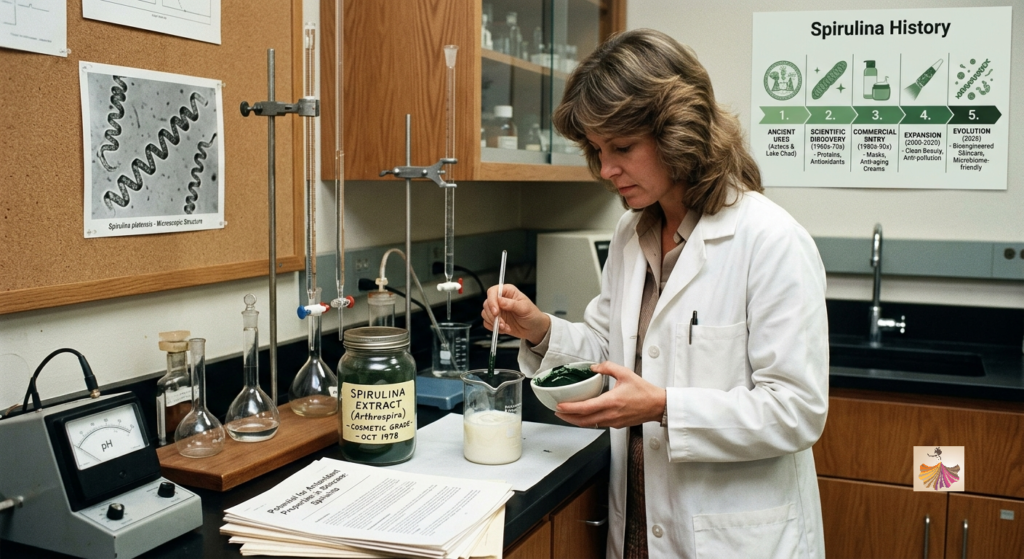
Spirulina has been consumed for centuries:
- The Aztecs harvested spirulina from Lake Texcoco in Mexico.
- African communities around Lake Chad used spirulina as a nutritional supplement.
Initially, spirulina was valued primarily for its nutritional properties rather than cosmetic benefits.
Scientific Discovery (1960s–1970s)
During the 1960s:
- Scientists identified spirulina as a rich source of proteins and antioxidants.
- Researchers discovered its anti-inflammatory and anti-aging properties.
By the late 1970s, cosmetic companies began investigating spirulina extracts for skincare formulations.
Commercial Entry (1980s–1990s)
Spirulina entered the cosmetic market through:
- Facial masks
- Anti-aging creams
- Natural spa treatments
Its popularity grew due to increasing concerns regarding:
- Synthetic chemicals
- Skin sensitivity
- Environmental sustainability.
Expansion (2000–2020)
The clean beauty movement accelerated spirulina’s adoption in:
- Organic skincare
- Vegan cosmetics
- Anti-pollution products
- Nutraceutical beauty products.
Evolution in 2026
Today, spirulina is incorporated into:
- Bioengineered skincare products
- Blue-light protection cosmetics
- Microbiome-friendly skincare
- Personalized beauty formulations
- Sustainable luxury cosmetics.
Key Characteristics That Make Spirulina Valuable in Cosmetics
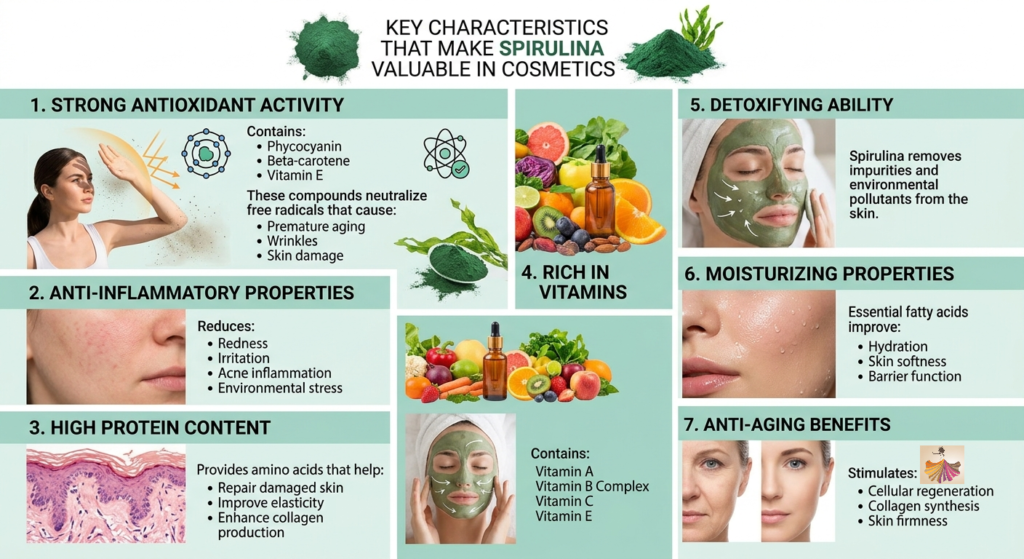
1. Strong Antioxidant Activity
Contains:
- Phycocyanin
- Beta-carotene
- Vitamin E
These compounds neutralize free radicals that cause:
- Premature aging
- Wrinkles
- Skin damage.
2. Anti-inflammatory Properties
Reduces:
- Redness
- Irritation
- Acne inflammation
- Environmental stress.
3. High Protein Content
Provides amino acids that help:
- Repair damaged skin
- Improve elasticity
- Enhance collagen production.
4. Rich in Vitamins
Contains:
- Vitamin-A
- Vitamin-B Complex
- Vitamin-C
- Vitamin-E
5. Detoxifying Ability
Spirulina removes impurities and environmental pollutants from the skin.
6. Moisturizing Properties
Essential fatty acids improve:
- Hydration
- Skin softness
- Barrier function.
7. Anti-aging Benefits
Stimulates:
- Cellular regeneration
- Collagen synthesis
- Skin firmness.
Why Cosmetic Companies Prefer Spirulina in 2026
Most searched consumer demands:
“How to reduce wrinkles naturally?”
“Best ingredient for glowing skin”
“Natural solution for acne”
“Best anti-aging skincare”
“How to repair damaged skin barrier”
“How to reduce dark spots naturally”
Spirulina addresses all these concerns simultaneously.
Cosmetic Products Made with Spirulina
Spirulina has become an important ingredient in the cosmetic industry.
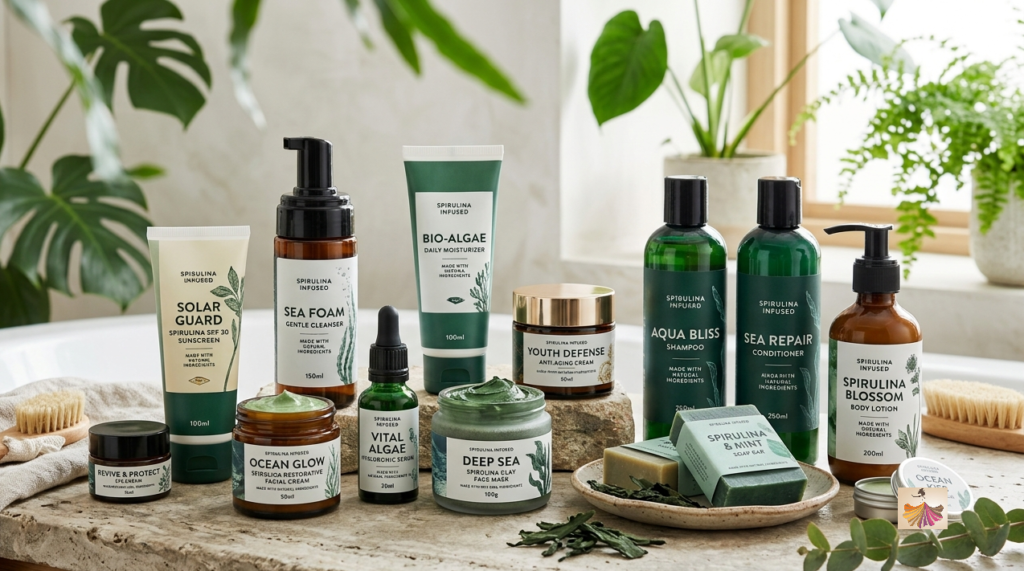
1. Facial Creams
Facial creams containing spirulina are mainly used for anti-aging, hydration, and skin repair. The antioxidants present in spirulina, particularly phycocyanin and beta-carotene, protect collagen fibers from oxidative damage and help maintain skin elasticity.
2. Face Serums
Face serums use concentrated spirulina extracts to brighten the skin, reduce fine lines, and improve firmness. Their lightweight formulations allow active compounds to penetrate deeper into the skin, promoting cell regeneration and a youthful appearance.
3. Face Masks
Face masks formulated with spirulina provide detoxification, deep cleansing, and an instant glow. The minerals and pigments in spirulina absorb impurities, improve blood circulation, and revitalize tired skin.
4. Cleansers
Cleansers containing spirulina effectively remove pollutants, dirt, and excess oil from the skin while helping regulate sebum production.
5. Moisturizers
Moisturizers enriched with spirulina restore the skin barrier and prevent dehydration by improving moisture retention.
6. Eye Creams
Eye creams use spirulina to reduce puffiness and minimize dark circles due to its anti-inflammatory and antioxidant properties.
7. Anti-Aging Creams
Anti-aging creams stimulate collagen synthesis and increase skin elasticity, reducing the appearance of wrinkles and fine lines.
8. Sunscreens
Spirulina is also incorporated into sunscreens, where its antioxidants help reduce oxidative stress and protect the skin from UV-induced damage.
9. Hair Care Products
In hair care products, including shampoos, conditioners, and hair masks, spirulina nourishes the scalp, strengthens hair follicles, and promotes healthier, shinier hair.
10. Lip Balms
Lip balms containing spirulina provide hydration and antioxidant protection
11. Body Lotions
Body lotions with spirulina moisturize and rejuvenate the skin
12. Soap Bars and Bath Products
Soap bars and bath products enriched with spirulina cleanse, detoxify, and nourish the skin.
Mechanism of Action: How Spirulina Improves Beauty
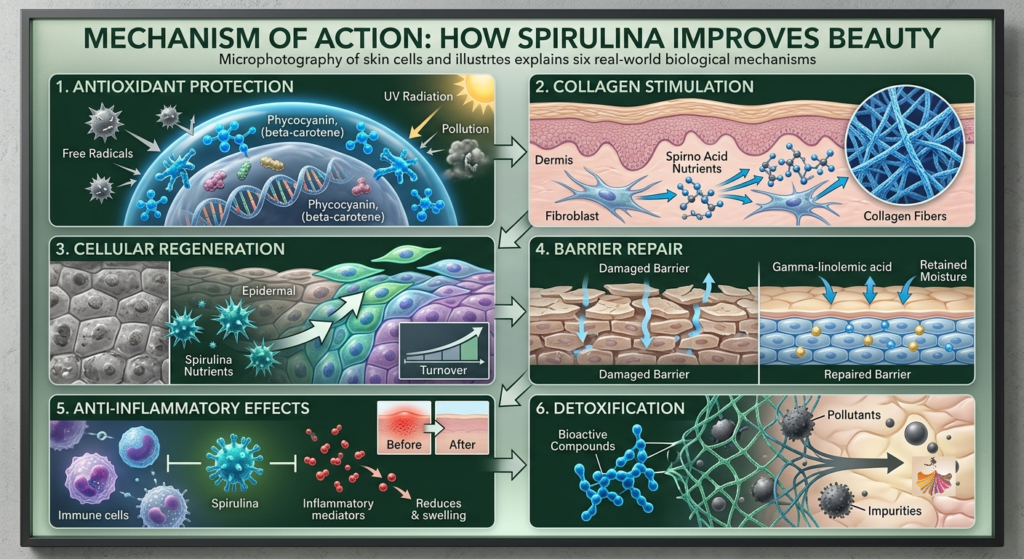
Step 1: Antioxidant Protection
The first mechanism through which spirulina improves skin health is its powerful antioxidant activity. Spirulina contains phycocyanin, beta-carotene, vitamin E, and various polyphenols that neutralize free radicals generated by ultraviolet radiation, pollution, and normal cellular metabolism. Excessive free radicals damage skin proteins, lipids, and DNA, accelerating the aging process. By reducing oxidative stress, spirulina helps prevent premature aging, minimizes wrinkle formation, and decreases the appearance of pigmentation and age spots.
Step 2: Collagen Stimulation
Spirulina is rich in amino acids, which are the building blocks of proteins, including collagen. Collagen is essential for maintaining skin firmness and elasticity. The nutrients present in spirulina support collagen synthesis and help preserve existing collagen fibers from degradation. As a result, the skin becomes firmer, smoother, and more elastic, reducing the appearance of fine lines and sagging.
Step 3: Cellular Regeneration
Spirulina contains vitamins A, B-complex, and E, along with essential minerals that stimulate skin cell renewal. These nutrients enhance the regeneration of damaged cells and encourage the production of new, healthy skin cells. Improved cellular turnover leads to a brighter complexion.
Step 4: Barrier Repair
The essential fatty acids found in spirulina, particularly gamma-linolenic acid, help strengthen the skin’s protective barrier. A healthy skin barrier prevents excessive water loss and protects against environmental aggressors. Consequently, the skin retains moisture more effectively and becomes less sensitive and less prone to dryness.
Step 5: Anti-inflammatory Effects
Spirulina reduces the production of inflammatory mediators that contribute to redness, irritation, and acne. This anti-inflammatory action calms the skin and promotes a healthier appearance.
Step 6: Detoxification
Minerals and bioactive compounds in spirulina assist in binding environmental pollutants and impurities, helping the skin appear cleaner, fresher, and healthier.
Spirulina for Different Skin Types
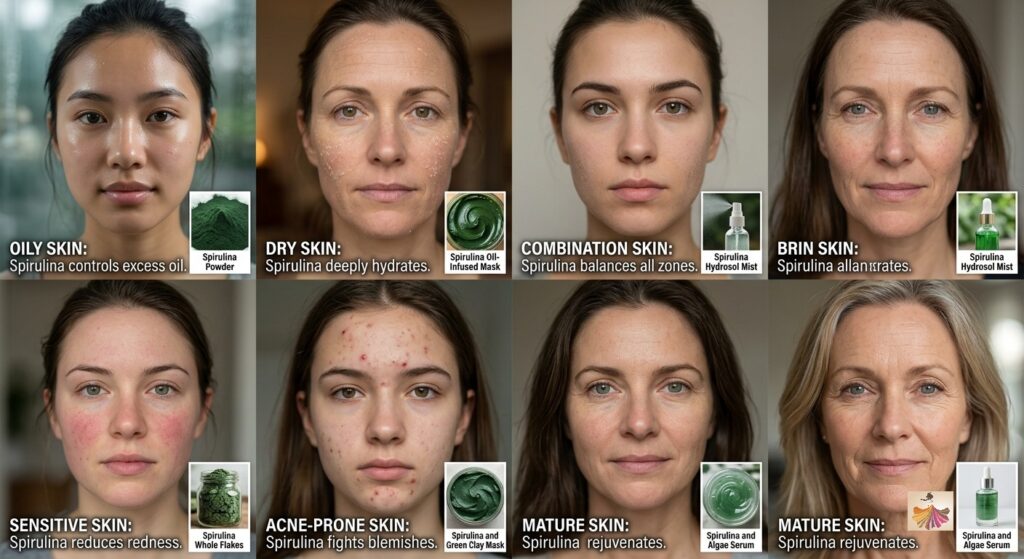
1. Oily Skin
People with oily skin commonly experience excess sebum production, enlarged pores, and frequent acne breakouts. Spirulina is highly beneficial for this skin type because its antioxidants and minerals help regulate oil production without excessively drying the skin. Spirulina-based clay masks, cleansers, and lightweight serums remove impurities, control shine, and reduce inflammation associated with acne.
2. Dry Skin
Dry skin is often characterized by flakiness, dehydration, tightness, and a dull appearance. Spirulina contains essential fatty acids, amino acids, and vitamins that improve moisture retention and strengthen the skin barrier. Products such as moisturizers, nourishing creams, and overnight masks enriched with spirulina deeply hydrate the skin and restore softness and elasticity.
3. Combination Skin
Combination skin presents both oily and dry areas, usually with an oily T-zone and dry cheeks. Spirulina is particularly useful because it helps maintain the skin’s natural oil-water balance. Gel-based moisturizers and balanced serums containing spirulina provide hydration to dry areas while controlling excess oil in oily regions.
4. Sensitive Skin
Sensitive skin is prone to redness, irritation, and allergic reactions. The anti-inflammatory compounds present in spirulina help calm irritated skin and reduce redness. Hypoallergenic creams and gentle spirulina masks strengthen the skin barrier and improve the skin’s ability to resist environmental stressors, making the skin less reactive and more comfortable.
5. Acne-Prone Skin
Acne-prone skin frequently suffers from pimples, inflammation, and scarring. Spirulina-based serums, spot treatments, and cleansing masks help reduce inflammation, inhibit bacterial growth, and promote skin healing.
6. Mature Skin
Mature skin is characterized by wrinkles, fine lines, and sagging. Spirulina’s rich antioxidant and amino acid content stimulates collagen production and improves skin firmness. Anti-aging creams and concentrated serums containing spirulina help reduce visible signs of aging and promote a more youthful appearance.
Comparative Table
| Skin Type | Major Concern | Best Spirulina Product | Main Benefit |
| Oily | Excess oil | Clay mask | Oil control |
| Dry | Dehydration | Moisturizer | Deep hydration |
| Sensitive | Redness | Gentle cream | Soothing |
| Combination | Uneven balance | Gel serum | Balanced hydration |
| Acne-prone | Pimples | Spot serum | Anti-inflammatory |
| Mature | Wrinkles | Anti-aging cream | Collagen stimulation |
Most Common Beauty Problems Solved by Spirulina
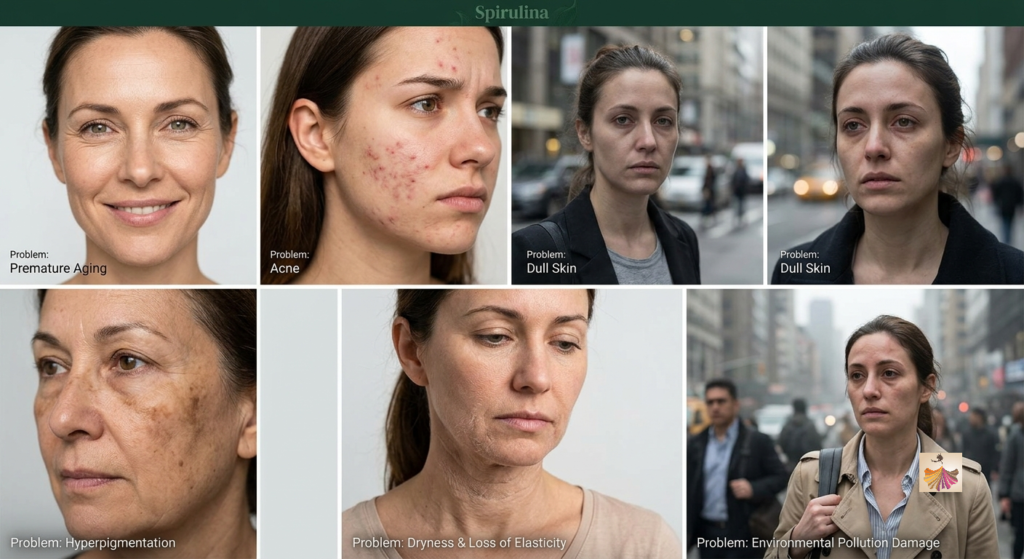
Premature Aging
Premature aging is one of the major skin concerns worldwide. Free radicals generated by UV radiation, pollution, and stress accelerate skin aging by damaging skin cells and collagen fibers. The antioxidants present in spirulina reduce oxidative stress and help minimize wrinkles, fine lines, and age spots.
Acne
Acne is another common problem caused by excess oil production, bacterial growth, and inflammation. Spirulina contains anti-inflammatory compounds that calm irritated skin, reduce redness, and support the healing of acne lesions, resulting in clearer skin.
Dull Skin
Dull skin often develops due to the accumulation of dead skin cells and reduced cellular activity. Spirulina stimulates cellular renewal and provides essential nutrients that improve skin vitality, giving the skin a brighter and healthier appearance.
Hyperpigmentation
Hyperpigmentation, including dark spots and uneven skin tone, can result from sun exposure and inflammation. Spirulina helps reduce oxidative damage and promotes skin regeneration, contributing to a more even complexion.
Dryness
Dryness is characterized by a lack of moisture and a weakened skin barrier. The essential fatty acids and amino acids in spirulina improve moisture retention and help maintain soft and hydrated skin.
Environmental Pollution Damage
Environmental pollution damage can lead to premature aging and skin irritation. Spirulina acts as a natural detoxifying agent by protecting skin cells from pollutants and environmental stressors.
Sensitive Skin
Sensitive skin, which is prone to redness and irritation, benefits from spirulina’s soothing and anti-inflammatory properties.
Loss of Elasticity
Loss of elasticity, commonly associated with aging, can be improved because spirulina supports collagen synthesis, helping the skin remain firm, supple, and youthful.
Emerging Trends of Spirulina Cosmetics in 2026
The cosmetic industry in 2026 is increasingly focused on natural, sustainable, and science-based ingredients, and spirulina has become a major component of this transformation. Several emerging trends demonstrate the growing importance of spirulina in modern beauty products.
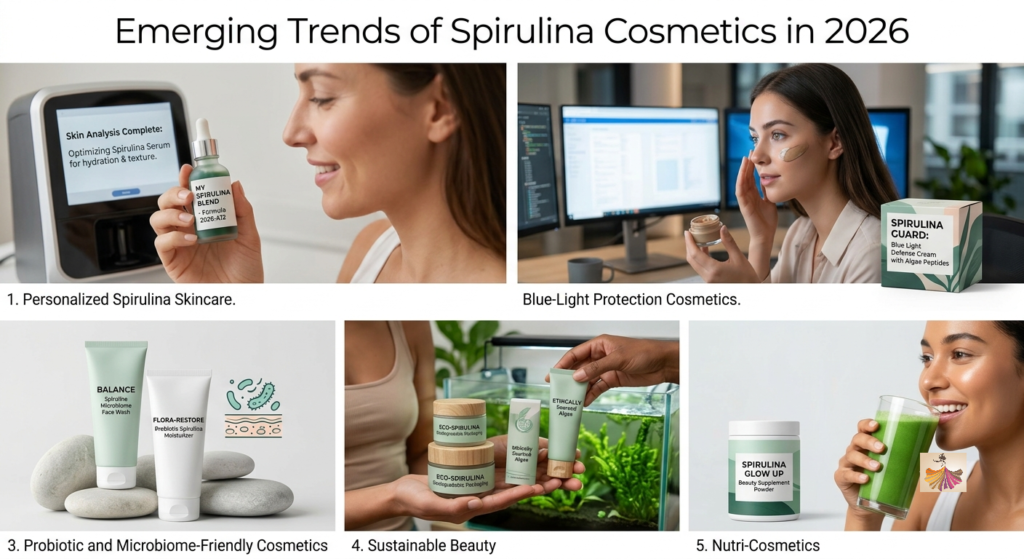
Personalized Spirulina Skincare
One of the most significant developments is personalized spirulina skincare. Cosmetic companies are now designing products according to an individual’s skin type, age, and environmental exposure. For example, people with oily skin may receive lightweight spirulina serums, while those with dry or mature skin may benefit from richer creams containing higher concentrations of spirulina extracts. This personalized approach improves product effectiveness and customer satisfaction.
Blue-Light Protection Cosmetics
Another growing trend is blue-light protection cosmetics. Increased exposure to digital devices such as mobile phones, computers, and tablets has raised concerns about the effects of blue light on skin aging and pigmentation. Spirulina’s powerful antioxidants help protect skin cells from oxidative stress caused by prolonged screen exposure, making it an important ingredient in digital-age skincare products.
Probiotic and Microbiome-Friendly Cosmetics
The development of probiotic and microbiome-friendly cosmetics is also gaining popularity. These products combine spirulina with probiotics and postbiotics to maintain a healthy balance of beneficial microorganisms on the skin. A balanced skin microbiome strengthens the skin barrier, reduces irritation, and improves overall skin health.
Sustainable Beauty
It is another important trend in 2026. Consumers increasingly prefer eco-friendly ingredients, biodegradable packaging, and vegan cosmetics. Since spirulina is a renewable and environmentally sustainable resource, it aligns perfectly with these consumer preferences.
Nutri-Cosmetics
Nutri-cosmetics containing spirulina are becoming increasingly popular. These beauty supplements support skin health, promote healthy hair growth, and strengthen nails by providing essential nutrients from within, reflecting the growing connection between nutrition and beauty.
Future Perspectives
Research indicates that spirulina will play an even greater role in the future of the cosmetic industry through several advanced technological developments.
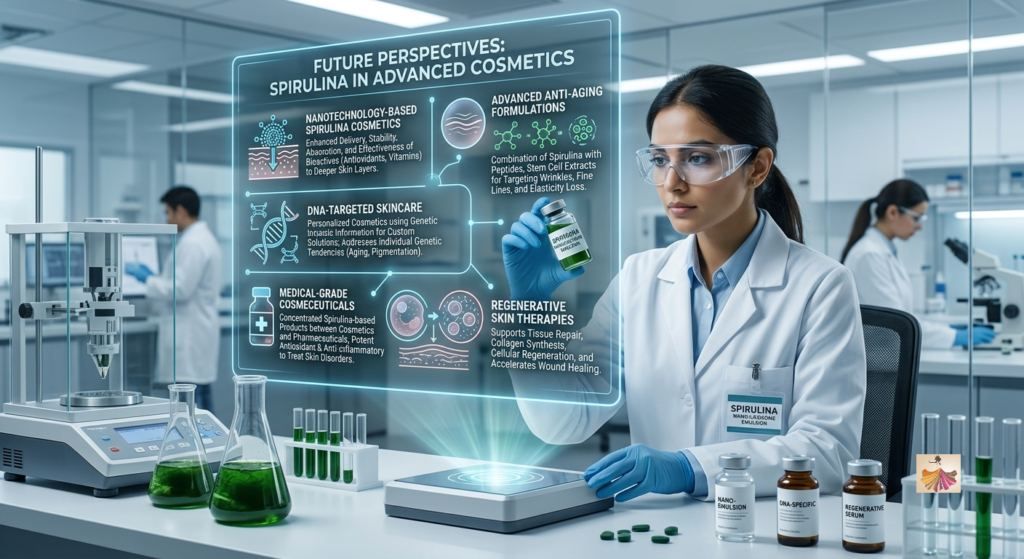
Nanotechnology-based spirulina cosmetics
Nanotechnology-based spirulina cosmetics are expected to improve the delivery of bioactive compounds to deeper layers of the skin. By incorporating spirulina extracts into nanoparticles, liposomes, or Nano-emulsions, cosmetic products can enhance the stability, absorption, and effectiveness of antioxidants and vitamins, leading to better skin hydration and anti-aging benefits.
Advanced anti-aging formulations
Advanced anti-aging formulations represent another promising area of development. Future products may combine spirulina with peptides, stem cell extracts, and other bioactive ingredients to create highly effective formulations that target wrinkles, fine lines, and loss of skin elasticity. These products may provide longer-lasting and more visible anti-aging effects.
DNA-targeted skincare
DNA-targeted skincare is an emerging concept in personalized cosmetics. Scientists are exploring how genetic information can be used to formulate skincare products according to an individual’s unique skin characteristics. Spirulina-based products may eventually be customized to address specific genetic tendencies related to aging, pigmentation, or skin sensitivity.
Medical-grade cosmeceuticals
The development of medical-grade cosmeceuticals is also gaining attention. These products fall between cosmetics and pharmaceuticals and contain highly concentrated active ingredients with scientifically proven benefits. Spirulina’s antioxidant and anti-inflammatory properties make it a strong candidate for use in products designed to treat skin disorders and improve skin health.
Regenerative skin therapies
Regenerative skin therapies represent one of the most exciting future applications. Researchers are investigating the ability of spirulina compounds to support tissue repair, stimulate collagen production, and promote cellular regeneration. Such therapies may help accelerate wound healing, repair damaged skin, and reduce the visible signs of aging, making spirulina an important ingredient in next-generation skincare innovations.
Conclusion
The evolution of spirulina in the cosmetic industry represents one of the most significant developments in natural beauty science. From its ancient nutritional use to becoming a sophisticated bioactive ingredient in 2026, spirulina has proven its value through its antioxidant, anti-inflammatory, moisturizing, and anti-aging properties. Its versatility allows it to address some of the world’s most common beauty concerns, including acne, wrinkles, dryness, hyperpigmentation, and environmental skin damage. As consumers continue demanding sustainable and scientifically effective skincare solutions, spirulina is expected to play an even greater role in the future of cosmetics and personalized beauty products.