Retinoids Research Breakthrough: What’s New in 2026?
Retinoids remain the gold standard in dermatology for acne, photoaging, hyperpigmentation, and skin rejuvenation. These vitamin A derivatives have been studied for more than five decades and continue to evolve through advanced formulation technologies, personalized treatment strategies, and improved tolerability profiles. Recent dermatological research published in 2025 and 2026 demonstrates a significant shift away from traditional “high-strength, high-irritation” approaches toward precision dosing, barrier protection, and patient-specific treatment plans.
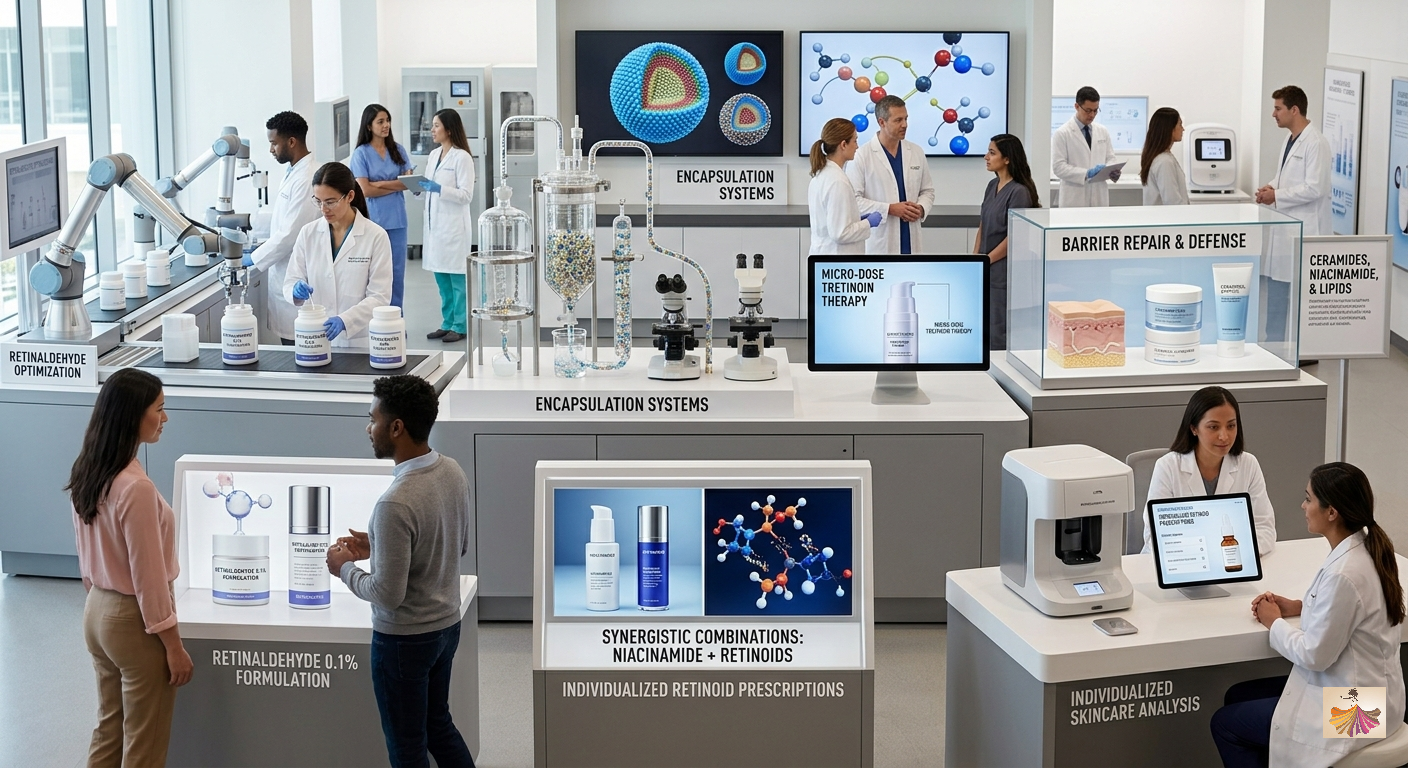
The retinoid market in 2026 is experiencing several transformative trends:
- Growing adoption of retinaldehyde-based over-the-counter (OTC) formulations.
- Rapid expansion of encapsulation and nanotechnology delivery systems.
- Increased use of micro-dose tretinoin regimens.
- Barrier-first dermatology protocols.
- Combination therapy involving niacinamide and retinoids.
- Personalized dosing models based on skin characteristics and tolerance levels.
These developments are improving efficacy while reducing irritation, making retinoid therapy more accessible to a broader population.
Understanding the Evolution of Retinoid Science
Retinoids function by regulating gene expression through activation of retinoic acid receptors (RARs) within skin cells. This process influences cell turnover, collagen production, pigmentation, and inflammation control. Tretinoin remains the biologically active form and continues to be regarded as the benchmark against which other retinoids are compared.
However, traditional retinoid therapy has often been associated with:
- Skin irritation
- Dryness
- Peeling
- Erythema
- Poor adherence
Modern research focuses on preserving efficacy while minimizing these adverse effects.
1. Shift toward Retinaldehyde Formulations in the OTC Market
What Is Retinaldehyde?
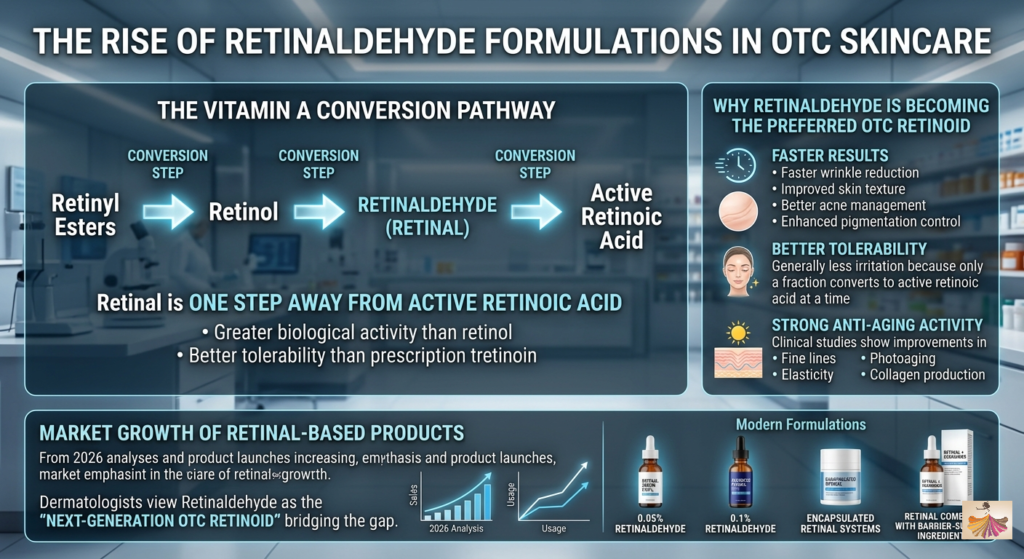
Retinaldehyde, commonly called retinal, is a vitamin A derivative positioned one metabolic step away from retinoic acid.
Conversion pathway:
Retinyl Esters → Retinol → Retinaldehyde → Retinoic Acid
Because retinal requires only one conversion step before becoming active retinoic acid, it demonstrates greater biological activity than retinol while maintaining a more favorable tolerability profile than prescription tretinoin.
Why Retinaldehyde Is Becoming the Preferred OTC Retinoid
The 2026 skincare market increasingly favors retinaldehyde because it offers a balance between potency and comfort. Key advantages include:
Faster Results
Retinal reaches active retinoic acid more efficiently than retinol.
This often translates into:
- Faster wrinkle reduction
- Improved skin texture
- Better acne management
- Enhanced pigmentation control
Better Tolerability
Research indicates retinaldehyde generally causes less irritation than direct retinoic acid treatment because only a fraction converts into active retinoic acid at a given time.
Strong Anti-Aging Activity
Clinical studies continue to show meaningful improvements in:
- Fine lines
- Photoaging
- Elasticity
- Collagen production
While maintaining acceptable tolerability.
Market Growth of Retinal-Based Products
Industry analyses and 2026 skincare launches reveal increasing emphasis on retinal products rather than traditional retinol formulations. Dermatologists and formulators increasingly view retinaldehyde as the “next-generation OTC retinoid” because it bridges the gap between cosmetic retinol and prescription tretinoin.
Several modern products now feature:
- 0.05% retinaldehyde
- 0.1% retinaldehyde
- Encapsulated retinal systems
- Retinal combined with barrier-support ingredients
These formulations are becoming mainstream globally.
2. Increased Adoption of Encapsulation Technology
Why Traditional Retinoids Have Formulation Challenges
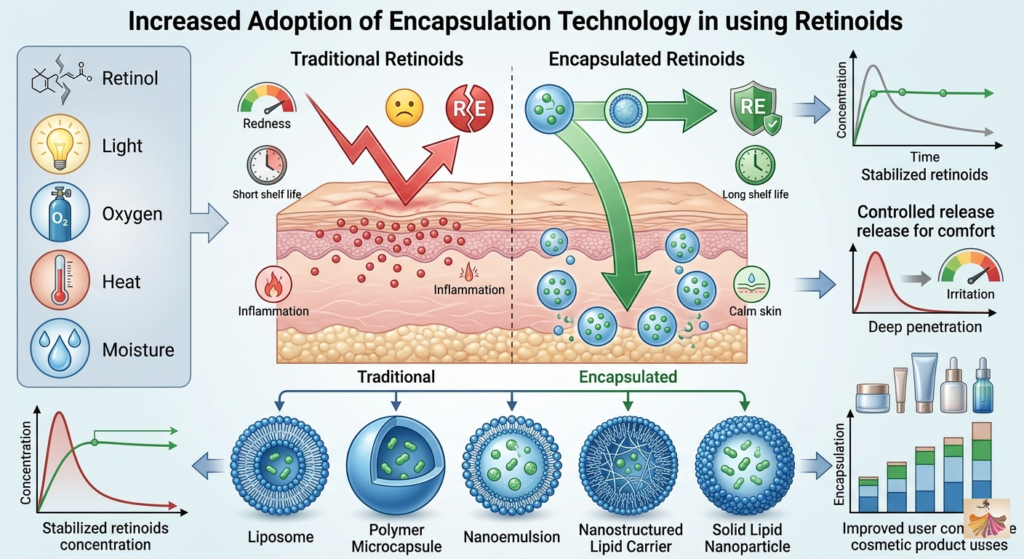
Retinoids are notoriously unstable.
They degrade when exposed to:
- Light
- Oxygen
- Heat
- Moisture
This instability reduces efficacy and shortens shelf life.
Additionally, rapid delivery of retinoids into the skin often causes irritation.
What Is Encapsulation?
Encapsulation involves enclosing retinoid molecules inside microscopic carriers. Common technologies include:
Liposomes
Phospholipid vesicles that improve penetration.
Polymer Microcapsules
Protect active ingredients until release.
Nanoemulsions
Tiny droplets that enhance stability.
Nanostructured Lipid Carriers
Advanced systems designed for controlled release.
Solid Lipid Nanoparticles
Used to increase bioavailability and reduce irritation.
Benefits of Encapsulation
Enhanced Stability
Encapsulation protects retinoids from environmental degradation.
Controlled Release
Retinoids are released gradually.
This minimizes irritation and improves user comfort.
Improved Penetration
Active ingredients reach target skin layers more effectively.
Better Compliance
Patients are more likely to continue treatment due to reduced side effects.
Encapsulation as a Major 2026 Trend
Many leading skincare brands now market:
- Encapsulated retinol
- Encapsulated retinaldehyde
- Slow-release retinoid systems
Dermatologists increasingly recommend these formulations for sensitive skin and first-time retinoid users. The future may involve even more sophisticated delivery systems, including microneedle-assisted retinoid delivery platforms currently under investigation.
3. Rise of Micro-Dose Tretinoin Strategies
The Traditional Tretinoin Problem
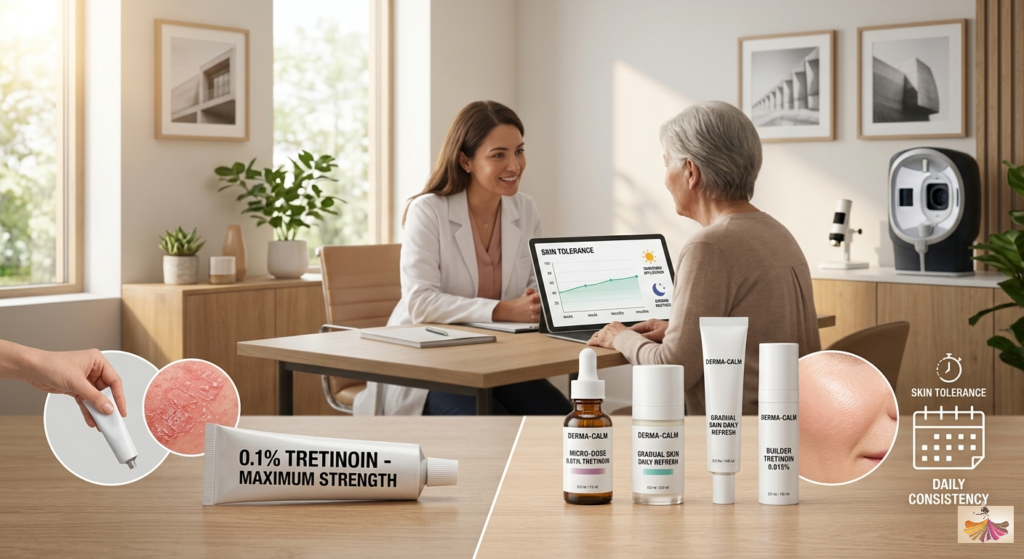
Tretinoin remains the most clinically validated topical retinoid.
However, traditional protocols often cause:
- Irritation
- Scaling
- Redness
- Burning
- Treatment discontinuation
What Is Micro-Dosing?
Micro-dosing refers to using:
- Lower concentrations
- Reduced frequency
- Gradual escalation schedules
Rather than immediately starting with aggressive treatment regimens.
Examples include:
- 0.01% tretinoin
- 0.015% tretinoin
- Alternate-night application
- Twice-weekly initiation
Scientific Rationale
Research increasingly demonstrates that consistent long-term exposure is more important than high-dose exposure. Benefits include:
Improved Adherence
Patients tolerate therapy better.
Reduced Barrier Damage
Less inflammation develops.
Sustained Long-Term Results
Lower dropout rates improve overall outcomes.
Better Suitability for Sensitive Skin
Particularly beneficial for rosacea-prone individuals and older adults.
Micro-Dosing and Modern Dermatology
The philosophy of dermatology is changing. Historically:
“Maximum strength” was the goal.
In 2026:
“Maximum adherence” is often the priority.
This paradigm shift has made micro-dose tretinoin one of the most influential retinoid trends of the decade.
4. Barrier-First Dermatology Approaches
The Skin Barrier Takes Center Stage
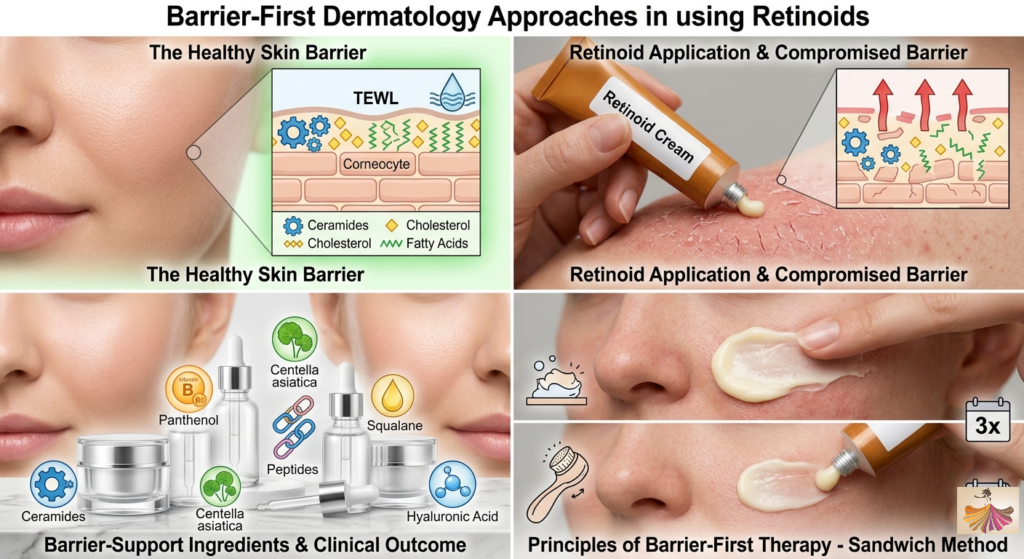
One of the most important developments in dermatology is recognition of the skin barrier as a primary determinant of treatment success.
The barrier consists largely of:
- Ceramides
- Cholesterol
- Fatty acids
- Corneocyte structures
When damaged, patients experience:
- Irritation
- Dryness
- Sensitivity
- Increased inflammation
Why Barrier Protection Matters with Retinoids
Retinoids accelerate cellular turnover.
Although beneficial, this process may temporarily compromise barrier integrity.
Consequences include:
- Trans-epidermal water loss
- Redness
- Flaking
- Discomfort
These effects are among the most common reasons patients discontinue treatment.
Principles of Barrier-First Retinoid Therapy
Moisturizer before Retinoid
Known as the sandwich method.
Reduced Application Frequency
Allowing adaptation.
Ceramide-Rich Moisturizers
Supporting lipid restoration.
Gentle Cleansing
Avoiding excessive stripping.
Avoiding Over-Exfoliation
Reducing cumulative irritation.
Barrier-Support Ingredients Trending in 2026
Frequently combined with retinoids:
- Ceramides
- Panthenol
- Centella asiatica
- Peptides
- Squalane
- Hyaluronic acid
Modern formulations increasingly include these ingredients from the outset rather than as aftercare.
Clinical Impact
Barrier-first strategies have demonstrated:
- Better patient adherence
- Lower irritation rates
- More consistent treatment outcomes
These approaches are rapidly becoming standard dermatological practice worldwide.
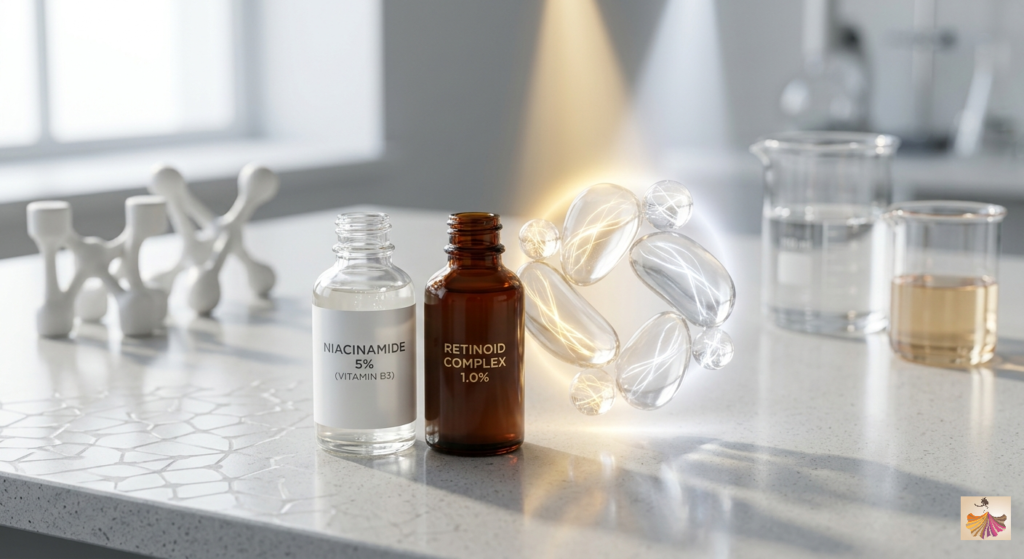
5. Combination Therapy: Niacinamide + Retinoids
Why Combination Therapy Is Growing
Modern dermatology increasingly favors synergistic ingredient combinations rather than reliance on a single active ingredient. Among all combinations, niacinamide and retinoids have emerged as one of the most successful pairings.
What Is Niacinamide?
Niacinamide is a biologically active form of vitamin B3.
It provides multiple benefits:
- Barrier support
- Anti-inflammatory effects
- Sebum regulation
- Pigmentation reduction
- Antioxidant protection
Synergistic Benefits with Retinoids
Improved Barrier Function
Niacinamide stimulates ceramide production. This counteracts retinoid-induced dryness.
Reduced Irritation
Inflammation is moderated.
Better Pigmentation Control
Both ingredients affect melanin transfer and distribution.
Enhanced Anti-Aging Effects
Collagen-supporting pathways may work together.
Why Dermatologists Prefer the Combination
The niacinamide-retinoid pairing addresses one of the biggest limitations of retinoid therapy:
Poor tolerability.
Patients often experience:
- Less redness
- Less dryness
- Greater comfort
While maintaining clinical efficacy. This has made niacinamide-retinoid combinations a major feature of 2026 skincare formulations.
6. Personalized Dermatology Dosing Models
The End of One-Size-Fits-All Retinoid Therapy
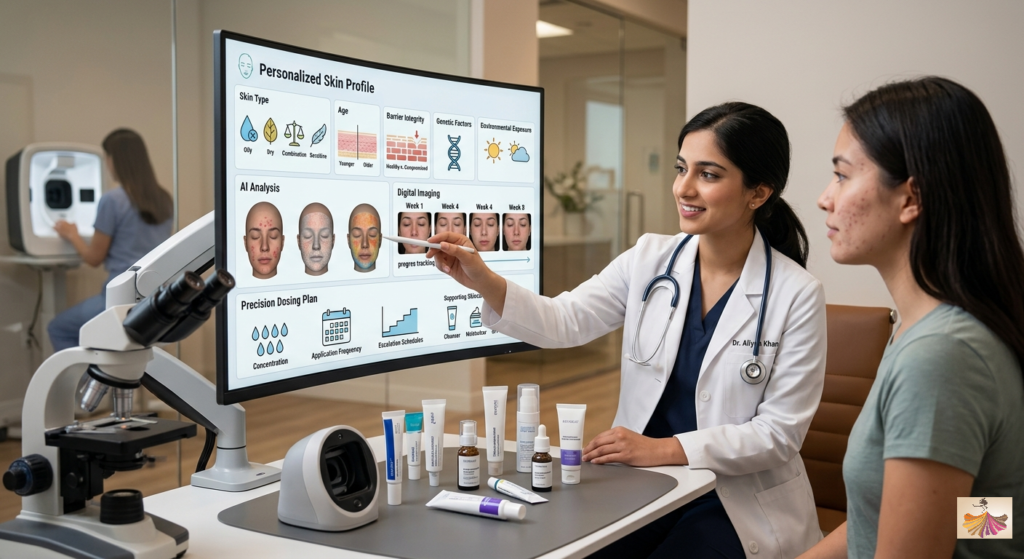
Perhaps the most revolutionary trend in 2026 is personalized retinoid dosing. Historically, treatment protocols were standardized. Today, dermatologists increasingly tailor therapy to the individual patient.
Factors Influencing Personalized Dosing
Skin Type
- Oily
- Dry
- Combination
- Sensitive
Age
Older skin may require different initiation protocols.
Barrier Integrity
Compromised barriers demand gentler approaches.
Genetic Factors
Emerging research suggests genetic variation may influence retinoid responsiveness.
Environmental Exposure
Sun exposure and climate influence tolerance.
Treatment Goals
- Acne
- Photoaging
- Melasma
- Prevention
Artificial Intelligence and Digital Dermatology
Modern digital health platforms increasingly use:
- AI-based skin analysis
- Digital imaging
- Progress tracking systems
To optimize retinoid recommendations. These systems help determine:
- Concentration
- Application frequency
- Escalation schedules
- Supporting skincare products
Future of Precision Retinoid Medicine
Researchers envision a future where:
- Genomic data
- Skin microbiome analysis
- Barrier measurements
- Digital monitoring
Guide completely personalized retinoid prescriptions. This precision-medicine approach could significantly improve outcomes while reducing adverse effects.
Future Outlook of Retinoid Science Beyond 2026
Several innovations are expected to shape the next phase of retinoid development:
Smart Delivery Systems
Responsive release technologies that activate only when needed.
Microneedle-Assisted Retinoid Delivery
Improved penetration with lower irritation.
Retinoid-Receptor Targeting
Selective receptor activation for greater efficacy.
AI-Guided Treatment Protocols
Individualized treatment optimization.
Combination Bioactive Platforms
Retinoids paired with peptides, growth factors, and regenerative compounds. These advancements could redefine dermatological therapy over the next decade.
Conclusion
The field of retinoid science is undergoing a significant transformation in 2026. While tretinoin remains the gold standard, modern dermatology is increasingly focused on improving tolerability, adherence, and personalization. Retinaldehyde has emerged as the preferred OTC retinoid due to its balance of efficacy and comfort. Encapsulation technologies are enhancing stability and controlled delivery. Micro-dose tretinoin strategies are replacing aggressive initiation protocols. Barrier-first dermatology has become central to treatment success. Combination therapy with niacinamide is reducing irritation while enhancing outcomes.
Finally, personalized dosing models are moving retinoid therapy toward precision medicine. Together, these trends represent a new era in retinoid science; one that prioritizes not only effectiveness but also long-term patient satisfaction, safety, and individualized care. As research continues to advance, retinoids are expected to remain at the forefront of evidence-based dermatology for years to come.