Microbiome Skincare Ingredients You Need for Better Skin Health
Microbiome skincare is based on a simple but powerful idea. Healthy skin depends on a balanced ecosystem of microorganisms living on its surface. These microorganisms include bacteria, fungi, and viruses that work together to protect the skin barrier, regulate inflammation, and defend against harmful pathogens. When this balance is disturbed, skin problems such as acne, dryness, eczema, and sensitivity begin to appear. To restore harmony, modern dermatology uses targeted compounds known as microbiome skincare ingredients. These ingredients support, feed, restore, or replace beneficial microbes on the skin.
In recent years, scientific studies have confirmed that maintaining a balanced microbiome is just as important as using moisturizers or sunscreens. This has led to the rise of skincare formulations built around four key categories: prebiotics, probiotics, post-biotics, and fermented ingredients. Each category plays a unique role in strengthening the skin ecosystem. Understanding them in detail helps in making informed skincare choices.
Prebiotics

Definition and Function
Prebiotics are specialized non-living ingredients that act as nutritional support for beneficial bacteria on the skin. They do not contain microorganisms themselves. Instead, they serve as “food” that encourages the growth of good bacteria already present on the skin surface. The skin microbiome naturally contains both beneficial and harmful bacteria. Prebiotics help tilt this balance in favor of beneficial microbes. This is essential because a strong population of good bacteria prevents harmful organisms from taking over.
In skincare science, prebiotics serve as foundational microbiome skincare ingredients because they support the natural ecosystem without introducing foreign organisms. They strengthen the skin’s defense system by improving microbial diversity. When applied regularly, prebiotics help stabilize the microbiome, reduce inflammation, and enhance skin resilience. They also improve the skin barrier function, which is responsible for locking in moisture and protecting against external irritants. Unlike harsh active ingredients that may disrupt the skin, prebiotics work gently and gradually. Their effects are cumulative, meaning consistent use leads to long-term improvements in skin health.
Inulin and Alpha-Glucan Oligosaccharides
Inulin
The Inulin, a naturally occurring plant fiber found in vegetables such as chicory root, garlic, and onions, serves as a powerful prebiotic ingredient in skincare. Its main function is to feed beneficial bacteria on the skin surface.
Inulin helps increase the population of good microbes while reducing the chances of harmful bacterial overgrowth. It also supports skin hydration by improving the skin barrier function. A stronger barrier means less water loss and better protection from environmental damage. Because of its gentle nature, inulin is suitable for all skin types, including sensitive and reactive skin. It is often included in cleansers, creams, and serums designed for restoring balance.
Alpha-Glucan Oligosaccharides
Alpha-glucan oligosaccharides represent another widely used prebiotic ingredient, derived from natural sugars, and help maintain microbial diversity on the skin. These compounds specifically encourage the growth of beneficial bacteria such as Staphylococcus epidermidis, which plays a protective role in skin health. At the same time, they help suppress harmful microbes that can cause irritation or infection.
Alpha-glucan oligosaccharides also support the skin’s immune system. They help reduce inflammation and improve tolerance to environmental stressors like pollution and UV exposure. Together, inulin and alpha-glucan oligosaccharides form a strong base in many microbiome skincare ingredients formulations aimed at restoring balance naturally.
Probiotics
Live Beneficial Bacteria
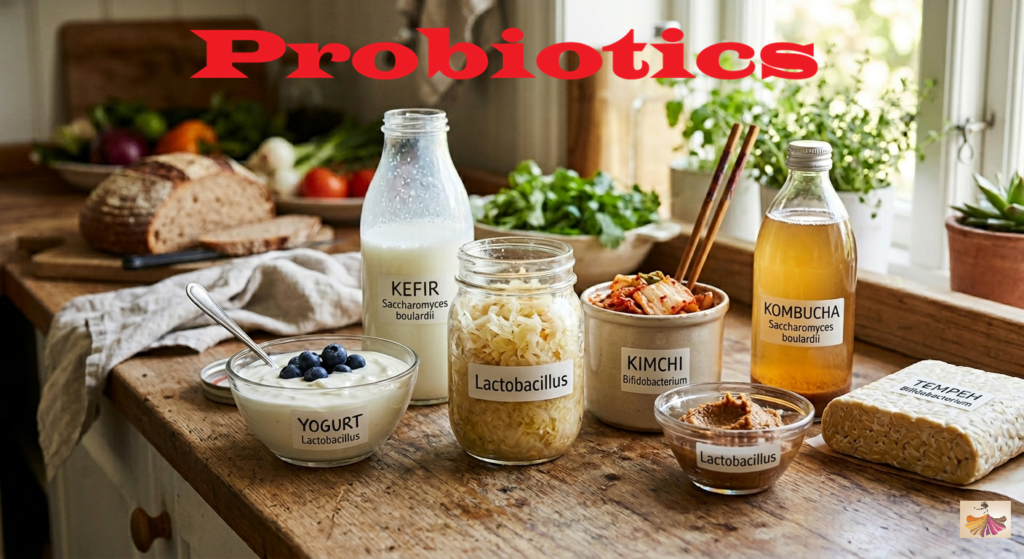
Probiotics are live microorganisms that provide direct benefits to the skin when applied in skincare formulations. They are commonly associated with gut health, but researchers have increasingly recognized their role in skincare in recent years. In theory, probiotics introduce beneficial bacteria directly to the skin surface. However, due to formulation challenges, many skincare products use inactivated or lysed probiotic strains rather than live cultures. These still deliver beneficial effects without stability issues.
Probiotics rank among the most powerful microbiome skincare ingredients because they actively influence the skin microbiome’s composition. They restore balance by increasing beneficial bacterial activity and reducing harmful microbial growth. They also communicate with the skin’s immune system, which helps regulate inflammation and improves skin tolerance. As a result, skincare experts often recommend probiotic skincare for conditions such as acne, eczema, and rosacea.
Role in Skincare
The role of probiotics in skincare goes beyond just microbial balance. They help strengthen the skin barrier, improve hydration, and reduce sensitivity. One of the most important functions of probiotics is their ability to regulate inflammation. Chronic inflammation is a key factor in many skin conditions. By calming the immune response, probiotics help reduce redness, swelling, and irritation.
Probiotics also help maintain a healthy pH level on the skin. A balanced pH supports the growth of good bacteria and discourages harmful ones. Another important benefit is improved skin resilience. Regular use of probiotic-based microbiome skincare ingredients helps the skin adapt better to stress factors such as pollution, harsh weather, and cosmetic irritation. Over time, this leads to smoother texture, fewer breakouts, and improved overall skin clarity.
Postbiotics
Metabolites of Probiotics
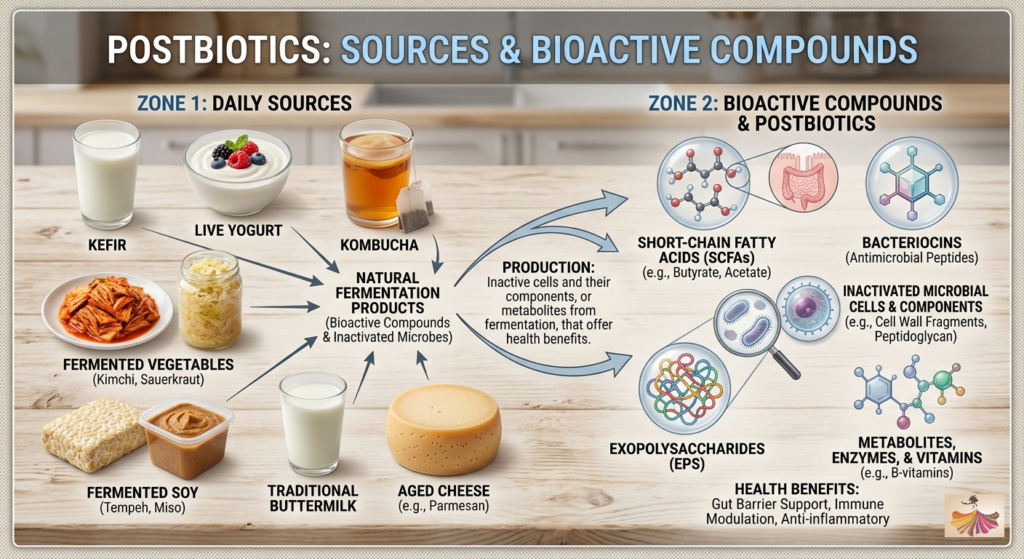
Probiotic bacteria ferment nutrients to produce postbiotics as byproducts. These include enzymes, peptides, amino acids, and organic acids. Unlike probiotics, postbiotics do not contain live organisms. This makes them more stable and easier to use in skincare formulations. They are also safer for sensitive skin types. Postbiotics represent an advanced category of microbiome skincare ingredients because they deliver direct biological benefits without requiring live bacteria to survive on the skin.
They work by mimicking the positive effects of probiotics while avoiding stability issues. This makes them highly effective in modern dermatological products. Postbiotics also help maintain the skin’s natural ecosystem by supporting beneficial microbial activity indirectly.
Benefits for Skin Repair
Postbiotics play a major role in skin repair and recovery. They help strengthen the skin barrier, which is essential for protecting against external damage. One of their key functions is reducing inflammation. They calm irritated skin and help repair damaged tissues. This makes them especially useful for conditions like eczema and dermatitis.
Postbiotics also support wound healing. They promote faster skin regeneration by stimulating cellular repair mechanisms. Another important benefit is hydration improvement. Postbiotics help the skin retain moisture more effectively, reducing dryness and flakiness. Because of these properties, postbiotics are increasingly used in advanced microbiome skincare ingredients formulations targeting sensitive and damaged skin.
Fermented Ingredients
Fermented Rice and Yeast Extract
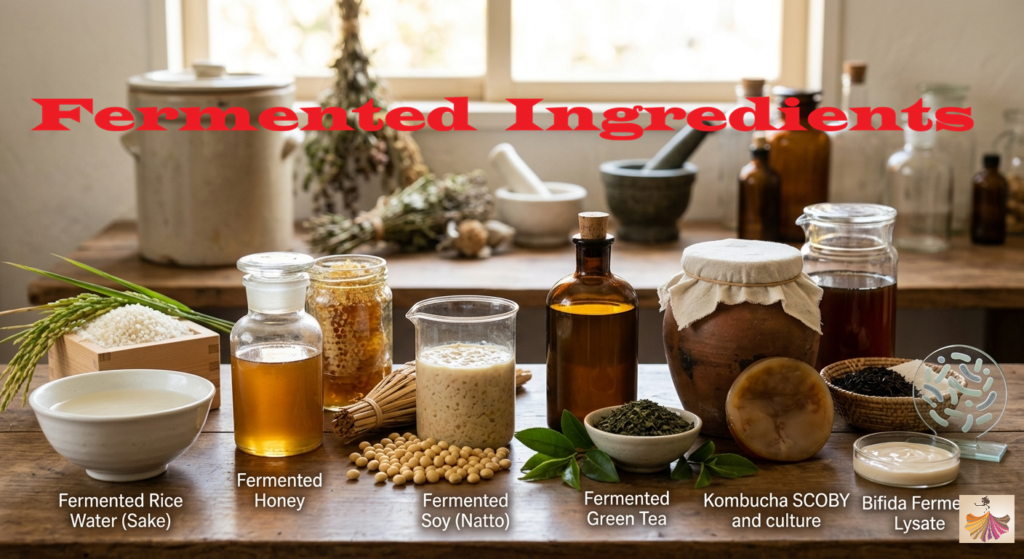
These ingredients are created through a natural process where microorganisms break down raw materials into more bioavailable compounds. This process increases the concentration of beneficial nutrients and creates new compounds that are highly effective for skin health.
Fermented rice is one of the most popular examples. It contains amino acids, vitamins, and antioxidants that improve skin brightness and hydration. It has been used for centuries in traditional Asian skincare practices. Yeast extract is another powerful fermented ingredient. It is rich in peptides and beta-glucans, which help strengthen the skin barrier and improve elasticity. Fermented ingredients are considered essential microbiome skincare ingredients because they nourish both the skin and its microbial ecosystem.
Role in Skincare
Fermented ingredients offer multiple benefits for skin health. The fermentation process breaks down large molecules into smaller ones, making them easier for the skin to absorb. This improves nutrient delivery and enhances skin nourishment. Fermented ingredients also support the growth of beneficial bacteria by creating a favorable environment on the skin surface.
They help improve hydration, brighten skin tone, and reduce signs of fatigue. Their antioxidant properties also protect the skin from environmental stress and premature aging. In addition, fermented ingredients help balance the microbiome by promoting microbial diversity. This makes them a key component in many modern microbiome skincare ingredients formulations. They are especially popular in K-beauty and Japanese skincare routines, where gentle yet effective formulations are prioritized.
Conclusion
Microbiome skincare is a scientifically advanced approach to skin health. It focuses on restoring and maintaining the natural balance of microorganisms on the skin. The four key categories—prebiotics, probiotics, postbiotics, and fermented ingredients; each play a unique and essential role. Prebiotics feed good bacteria, probiotics introduce beneficial microbes, postbiotics support repair, and fermented ingredients enhance nutrient delivery and microbial balance.
Together, these microbiome skincare ingredients form a complete system for improving skin health from the inside out. They help reduce inflammation, strengthen the skin barrier, and restore natural resilience. With consistent use, they can significantly improve conditions like acne, dryness, sensitivity, and premature aging. As skincare science continues to evolve, microbiome-focused formulations are becoming the foundation of healthier and more sustainable skin care routines.
FAQ’s
More Stories To Know About Skincare From Styleminers
______________________________________________________________________
Microbiome Skincare: Your Guide to Better Skin Products
Skin Microbiome Imbalance: Important Things You Need to Know
Skin Microbiome: Complete Concept of the Skin Ecosystem
Exploring Skin Microbiome Composition for Better Skincare Results