Skin Microbiome Imbalance: Important Things You Need to Know
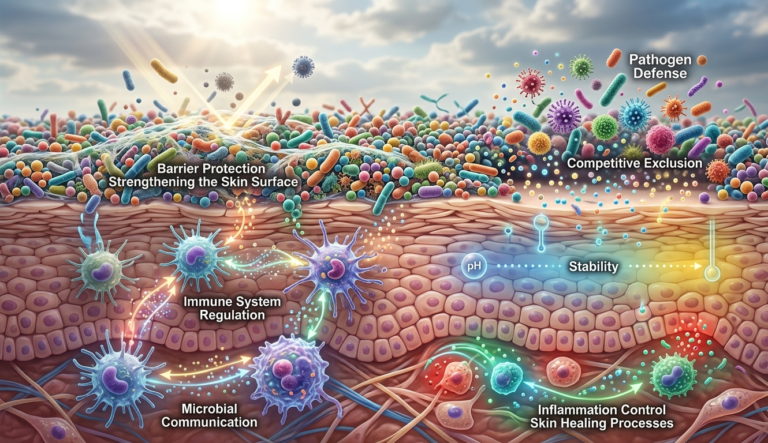
The skin is not just a protective layer. It is a living ecosystem. Billions of bacteria, fungi, and microorganisms exist on its surface. Together, they form what is known as the skin microbiome. This system plays a key role in maintaining skin health. It supports the immune system and protects against harmful pathogens. When this delicate balance is disrupted, it leads to microbiome imbalance, also known as dysbiosis. This condition can weaken the skin barrier and trigger multiple skin issues.
A growing body of dermatological research highlights how important this microbial balance is. Scientists have found that when beneficial bacteria decrease and harmful microbes increase, the skin becomes more vulnerable to inflammation, infection, and sensitivity. Understanding microbiome imbalance is essential for anyone looking to improve their skin health naturally and effectively.
What is Microbiome Imbalance (Dysbiosis)?
Microbiome imbalance occurs due to the disruption of natural diversity and stability of microorganisms on the skin. Healthy skin contains a balanced mix of bacteria that coexist peacefully. These microbes help maintain the skin’s pH level, produce antimicrobial substances, and regulate immune responses.
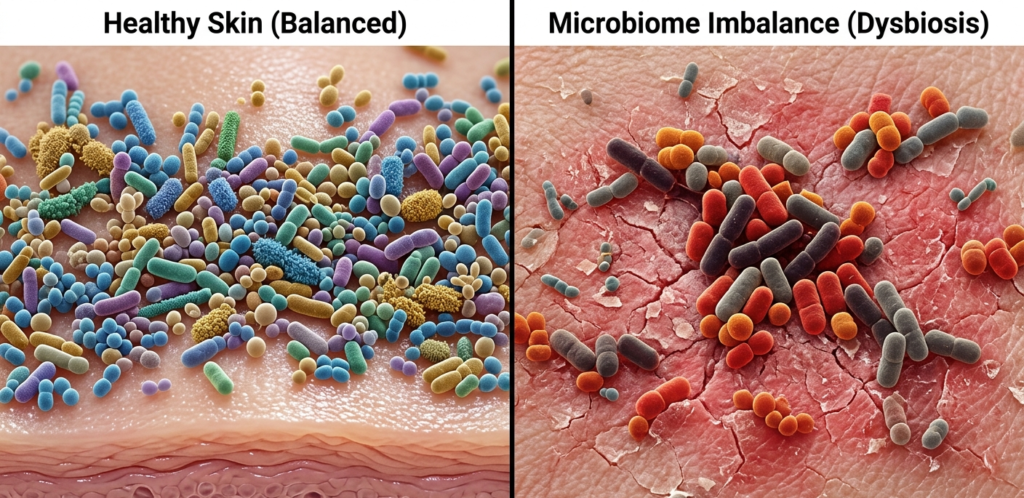
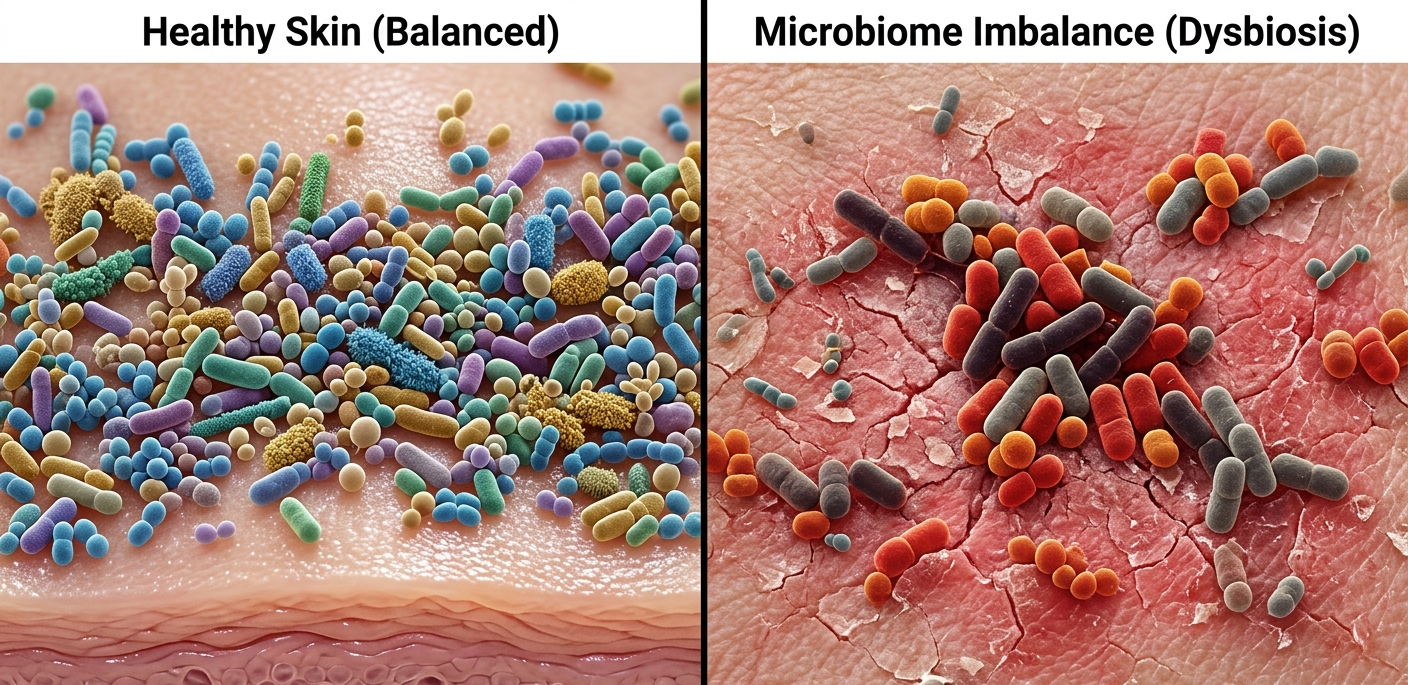
When this balance is disturbed, harmful bacteria can overgrow. At the same time, beneficial microbes decrease. This shift leads to inflammation and a weakened skin barrier. As a result, the skin becomes prone to dryness, irritation, and infections. Scientific studies show that microbiome imbalance is not just about the presence of harmful bacteria. It is also about the loss of microbial diversity. A diverse microbiome is more resilient and better able to protect the skin. When diversity is reduced, the skin loses its ability to defend itself effectively.
Causes of Microbiome Imbalance
Over-Cleansing
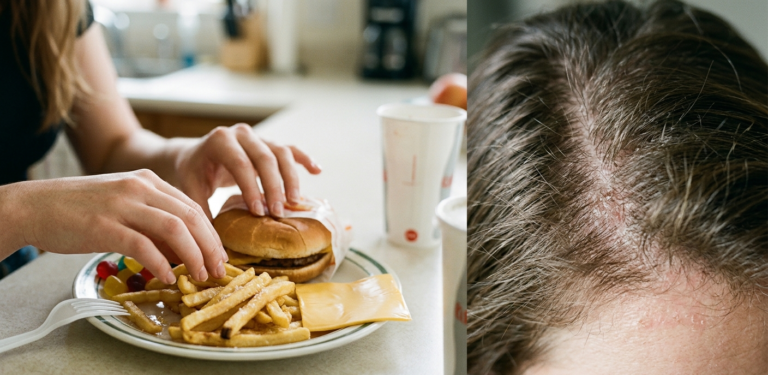
Over-cleansing is one of the most overlooked causes of microbiome imbalance. Many people believe that washing their face multiple times a day will keep their skin clean and healthy. However, excessive cleansing can do more harm than good. The skin naturally produces oils that help maintain moisture and support beneficial bacteria. Frequent washing removes these oils along with good microbes. This disrupts the natural balance of the skin microbiome.
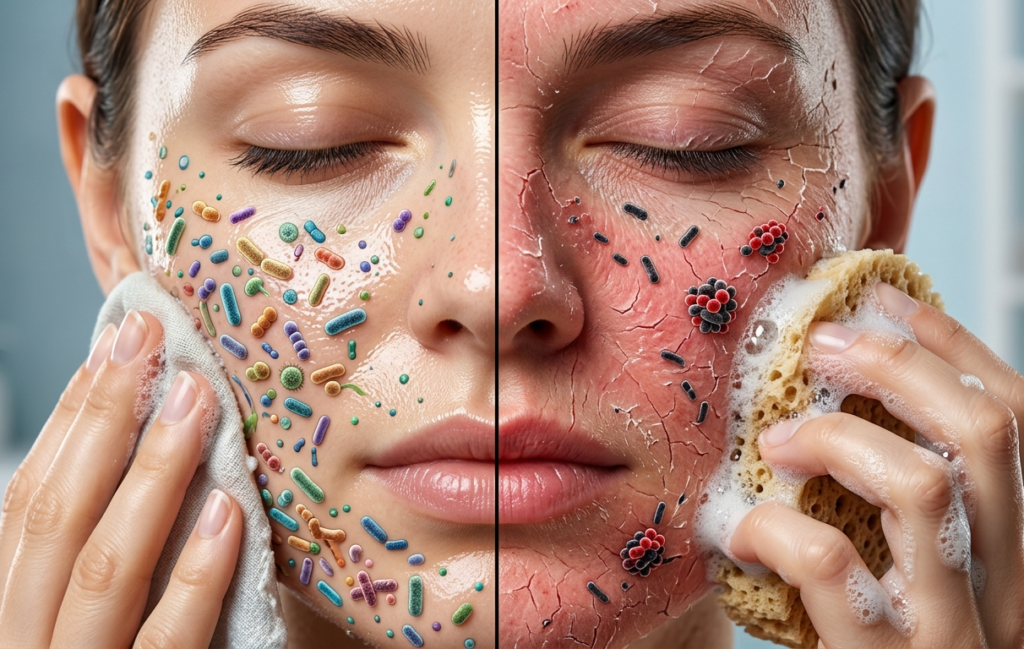
Harsh cleansing routines can also damage the skin barrier. When the barrier is weakened, harmful bacteria can penetrate more easily. This increases the risk of inflammation and infection. Over time, the skin may become dry, tight, and more sensitive. Dermatologists recommend gentle cleansing routines. Washing the face twice a day with a mild cleanser is usually sufficient. This helps maintain cleanliness without disturbing the microbiome balance.
Harsh Skincare Products
The use of harsh skincare products is another major contributor to microbiome imbalance. Many commercial products contain ingredients like alcohol, sulfates, and strong acids. While these ingredients may provide quick results, they can damage the skin in the long term. Harsh chemicals can strip away the natural oils that protect the skin. They can also alter the skin’s pH level. The skin’s natural pH is slightly acidic, which helps beneficial bacteria thrive. When this pH is disrupted, harmful microbes can multiply.
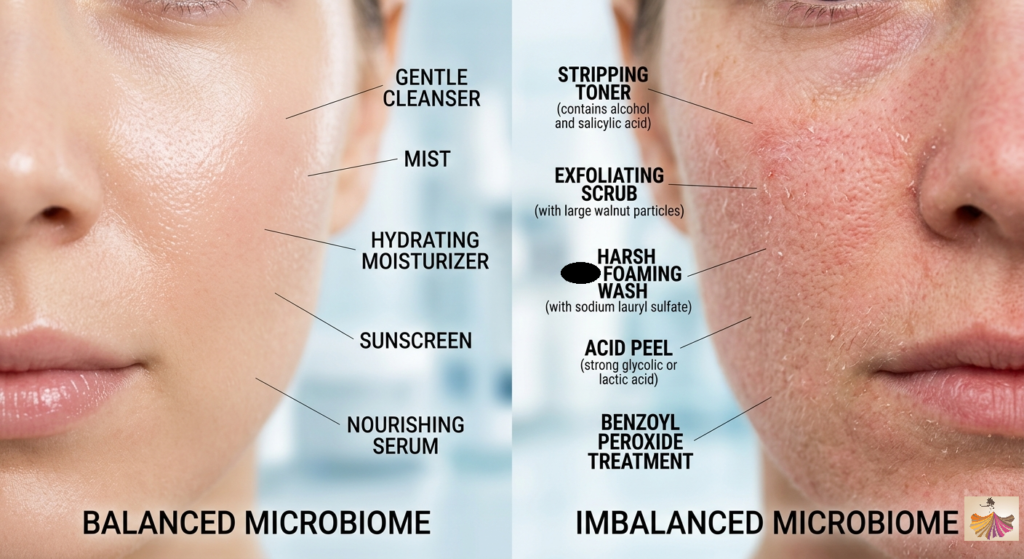
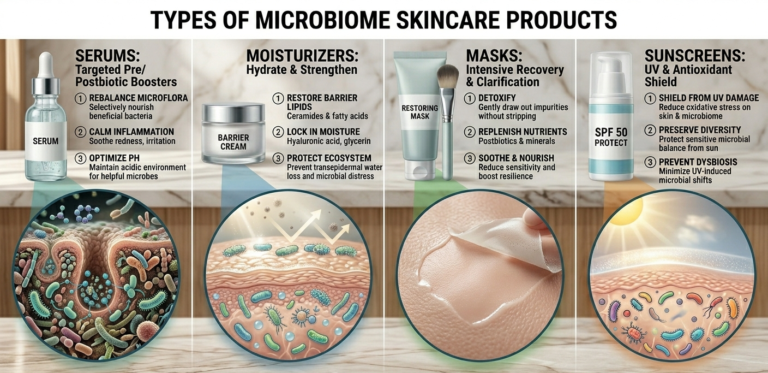
Excessive exfoliation is another concern. Physical scrubs and chemical exfoliants can remove dead skin cells. However, overuse can damage the microbiome and weaken the skin barrier. To prevent microbiome imbalance, it is important to choose gentle and microbiome-friendly products. Look for formulations that support the skin’s natural barrier and avoid unnecessary harsh ingredients.
Antibiotics
Antibiotics are widely used to treat bacterial infections and acne. While they can be effective, they also have unintended consequences for the skin microbiome. Antibiotics do not differentiate between harmful and beneficial bacteria. They eliminate both. This reduces microbial diversity and creates an imbalance. Once the beneficial bacteria are reduced, harmful microbes can take over.
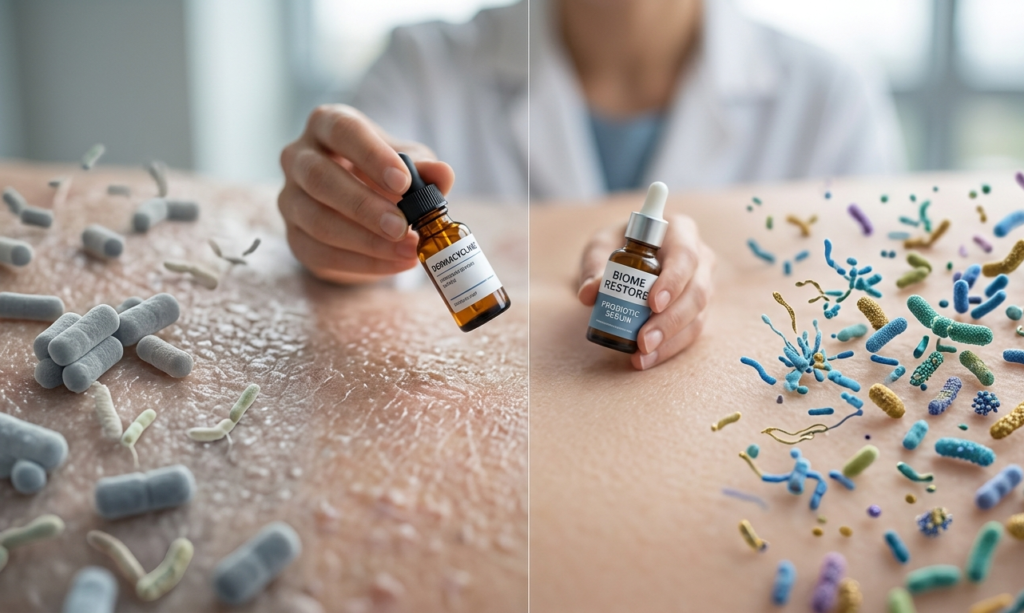
Long-term use of antibiotics can make the skin more dependent on medication. It can also lead to antibiotic resistance. This makes future treatments less effective. Research suggests that restoring the microbiome after antibiotic use is essential. This can be done through probiotic skincare and a balanced routine that supports microbial recovery.
Pollution
Environmental pollution is a growing concern for skin health. Air pollutants such as dust, smoke, and chemicals can settle on the skin’s surface. These pollutants generate free radicals that damage skin cells and disrupt the microbiome. Pollution can alter the composition of microorganisms on the skin. It can reduce beneficial bacteria and promote the growth of harmful ones. This contributes to microbiome imbalance and accelerates skin aging.
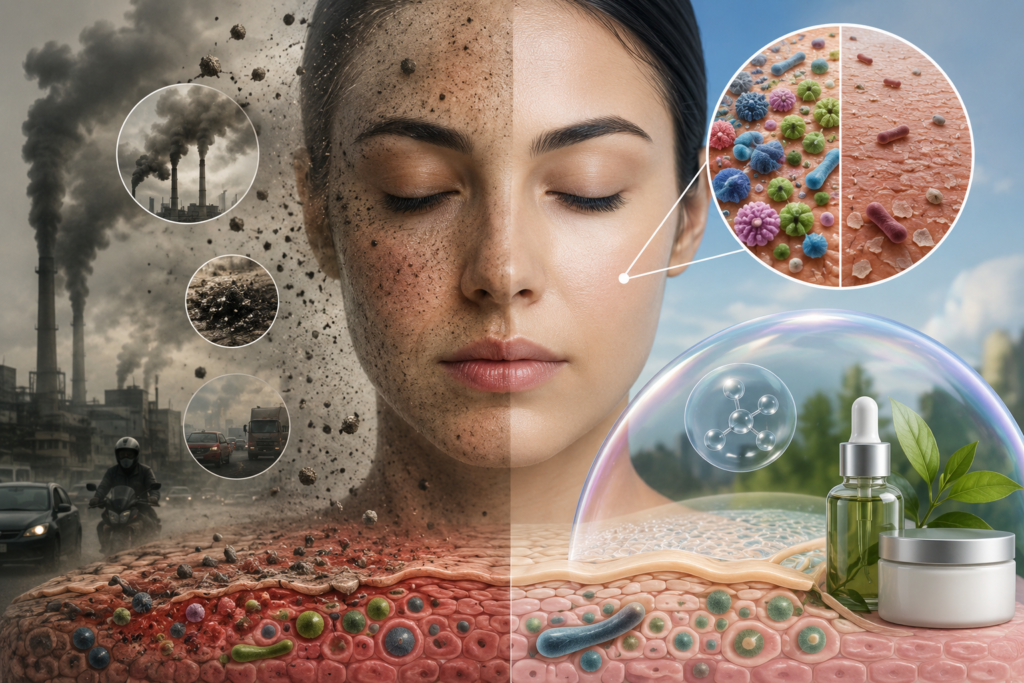
Exposure to pollution also weakens the skin barrier. This makes it easier for toxins and microbes to penetrate the skin. As a result, the skin becomes more prone to irritation and inflammation. Protecting the skin from pollution involves regular cleansing, using antioxidants, and applying protective skincare products. These steps can help maintain a healthy microbiome.
Stress
Stress is not just a mental issue. It has a direct impact on physical health, including the skin. Chronic stress affects hormone levels and weakens the immune system. This creates an environment where harmful microbes can thrive. Stress triggers the release of cortisol. This hormone can increase oil production and inflammation. It also affects the balance of microorganisms on the skin.
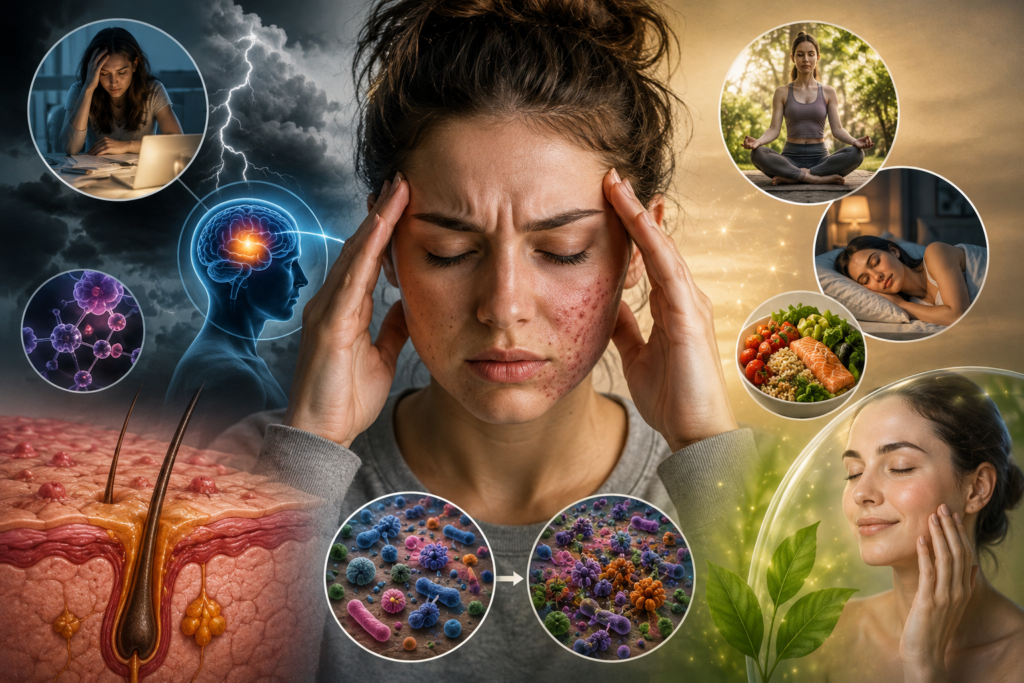
Studies show that stress can reduce microbial diversity. This contributes to microbiome imbalance and worsens existing skin conditions. People under stress often experience breakouts, irritation, and sensitivity. Managing stress through healthy habits such as exercise, sleep, and relaxation techniques can support microbiome health. A balanced lifestyle plays a key role in maintaining healthy skin.
Effects of Microbiome Imbalance
Acne
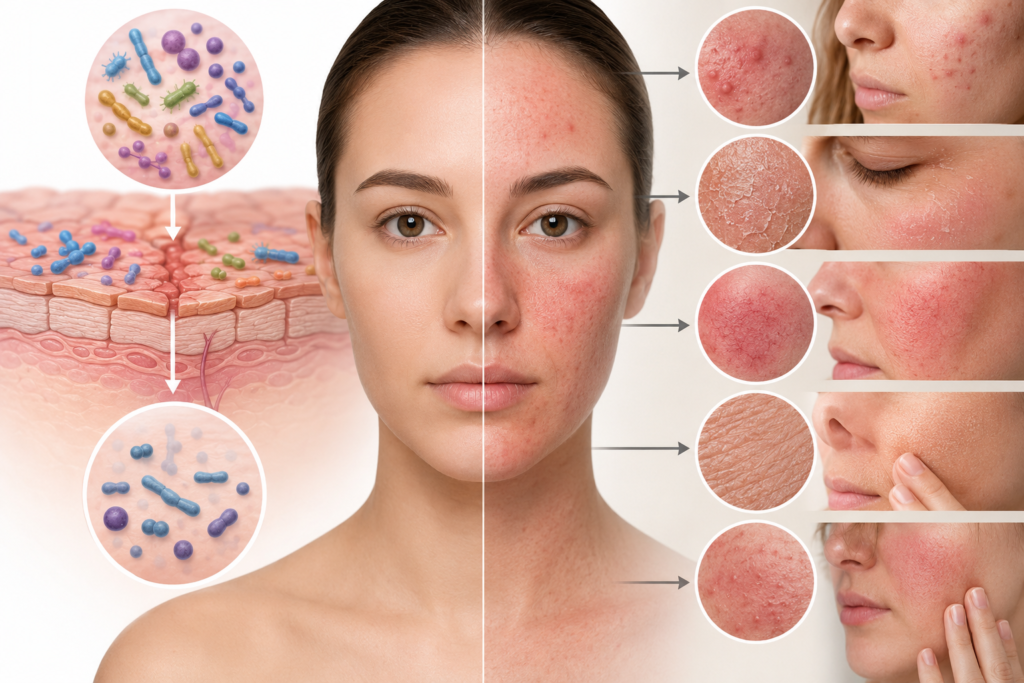
Acne is one of the most common effects of microbiome imbalance. It is often associated with the bacteria Cutibacterium acnes. However, acne is not just about bacterial presence. It is about imbalance. In healthy skin, different strains of bacteria coexist. Some strains help protect the skin, while others can cause inflammation. When the balance shifts, harmful strains dominate and trigger acne.
Microbiome imbalance leads to clogged pores, excess oil production, and inflammation. This results in pimples, blackheads, and cysts. Maintaining a balanced microbiome can help reduce acne severity and prevent future breakouts.
Eczema
Eczema, or atopic dermatitis, is strongly linked to microbiome imbalance. People with eczema often have reduced microbial diversity. They also have higher levels of harmful bacteria such as Staphylococcus aureus. This imbalance weakens the skin barrier and increases inflammation. The skin becomes dry, itchy, and prone to infection. Flare-ups are common and can be triggered by environmental factors.
Restoring microbial balance is an important part of eczema management. Gentle skincare, hydration, and avoiding irritants can help improve symptoms and support the microbiome.
Rosacea
Rosacea is a chronic skin condition characterized by redness, swelling, and visible blood vessels. It is also linked to microbiome imbalance. Research suggests that changes in skin microorganisms and immune responses contribute to rosacea. An imbalance can trigger inflammation and worsen symptoms.
People with rosacea often have sensitive skin. They may react to certain foods, weather conditions, or skincare products. Maintaining a balanced microbiome can help reduce flare-ups and improve skin stability.
Dryness and Irritation
One of the earliest signs of microbiome imbalance is dryness and irritation. When beneficial bacteria are reduced, the skin loses its ability to retain moisture. The skin barrier becomes weak. This leads to increased water loss and reduced hydration. As a result, the skin feels tight, rough, and uncomfortable.
Irritation can occur more easily. Even mild products or environmental changes can cause redness and discomfort. Supporting the microbiome helps restore hydration and improve skin resilience.
Increased Sensitivity
Increased sensitivity is another major effect of microbiome imbalance. When the skin’s natural defenses are compromised, it becomes more reactive. External factors such as temperature changes, pollution, and skincare products can trigger reactions. The skin may sting, burn, or develop redness.
Sensitive skin is often a sign of an unhealthy microbiome. Strengthening the skin barrier and restoring microbial balance can help reduce sensitivity over time.
Conclusion
Microbiome imbalance is a critical factor in modern skincare concerns. It affects the skin’s ability to protect, repair, and maintain itself. Causes such as over-cleansing, harsh products, antibiotics, pollution, and stress all contribute to this condition. The effects are wide-ranging. From acne and eczema to dryness and sensitivity, dysbiosis plays a central role in many skin issues. Understanding and addressing microbiome imbalance is essential for long-term skin health. Adopting a gentle skincare routine, avoiding harsh ingredients, and maintaining a healthy lifestyle can support the microbiome. By doing so, you can achieve stronger, healthier, and more balanced skin.
FAQ’s
More Stories to Know About Skincare From Styleminers
____________________________________________________________________________________________________________________________________
Microbiome Skincare: Your Guide to Better Skin Products
Microbiome Skincare Ingredients You Need for Better Skin Health
Skin Microbiome: Complete Concept of the Skin Ecosystem
Exploring Skin Microbiome Composition for Better Skincare Results