Hair Growth and Protein Intake- What You Need to Know
Hair is a crucial component of our identity. It improves attractiveness and increases confidence. However, maintaining healthy hair is not always straightforward. Diet is extremely important, particularly protein consumption. Proteins are the building blocks of hair. Without adequate protein, hair becomes thin, lifeless, and brittle. In this article, we explore how protein intake affects hair growth. We’ll also look at the best protein sources for hair growth.

Why Is Protein Important for Hair Growth?
Hair is mostly composed of keratin, a type of protein. Keratin provides hair with structure, strength, and flexibility. Without adequate protein, hair thins and breaks easily. Proteins that promote hair growth also benefit the scalp and hair follicles. They heal damaged cells and stimulate new hair development. When protein intake is low, the body prioritizes essential functions. Hair growth slows down or stops. This shows how crucial proteins are for hair growth.
How Does Protein Intake Affect Hair Growth?

- Strengthens Hair Shaft
Protein binds with hair cuticles, strengthening the hair shaft. This reduces breakage and split ends. - Repairs Damage
Daily styling and environmental factors damage hair. Proteins repair this damage and restore hair health. - Promotes New Hair Growth
Proteins provide essential amino acids. These amino acids are crucial for producing new hair cells. - Maintains Scalp Health
A healthy scalp is vital for hair growth. Proteins support scalp tissues and improve blood circulation. - Prevents Hair Loss
Low protein intake leads to hair shedding. Adequate proteins for hair growth prevent hair loss and thinning.
Signs of Protein Deficiency in Hair
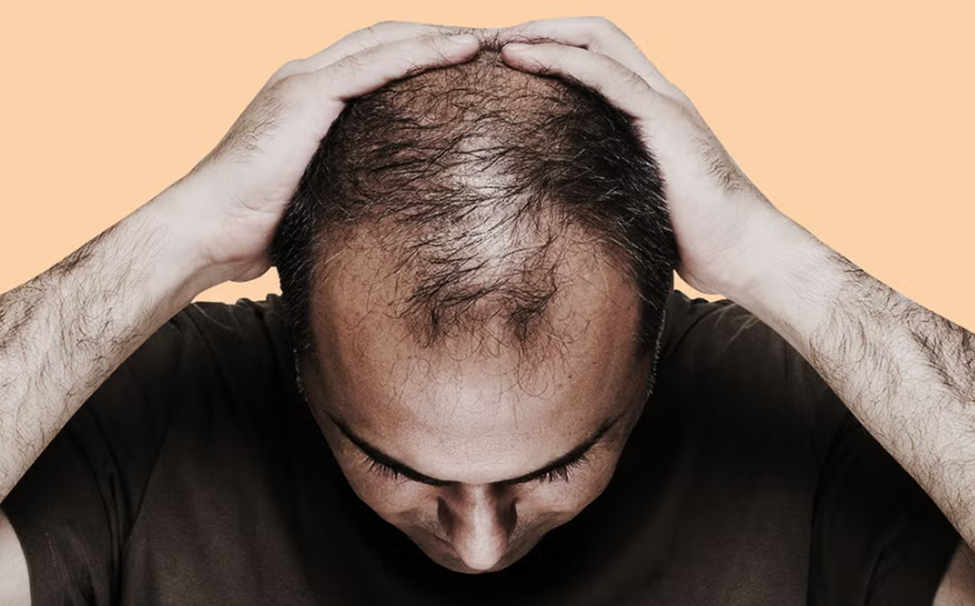
- Hair thinning or excessive shedding
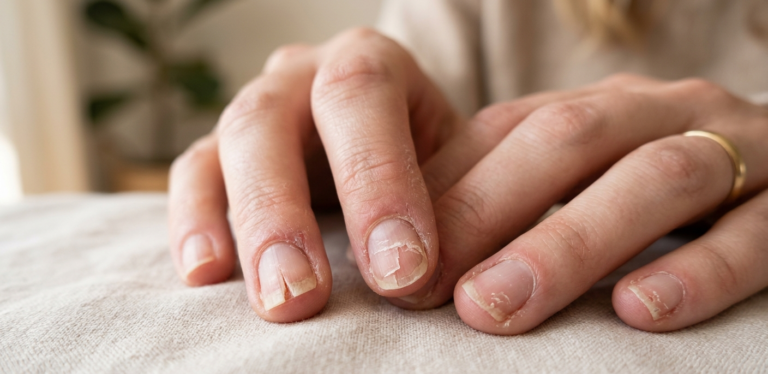
- Dry, brittle, or weak hair
- Slow hair growth
- Loss of shine and elasticity
- Split ends and breakage
If you notice these signs, it might indicate insufficient protein intake. This highlights how proteins intake affects hair growth.
Best Protein Sources for Hair Growth
Not all proteins are equal. Some sources supply entire proteins with all essential amino acids. Including these proteins in hair growth promotes stronger, healthier hair. Let’s look at each protein source in depth.
1. Eggs
Eggs are a full protein source. They contain every important amino acid. Eggs are also high in biotin, an essential vitamin for hair growth. Biotin promotes keratin infrastructure, which increases hair strength.

How to Include in Diet:
- Boiled eggs as a snack
- Scrambled eggs for breakfast
- Add to salads or sandwiches
Including eggs regularly shows how protein intake affects hair growth positively.
2. Fish
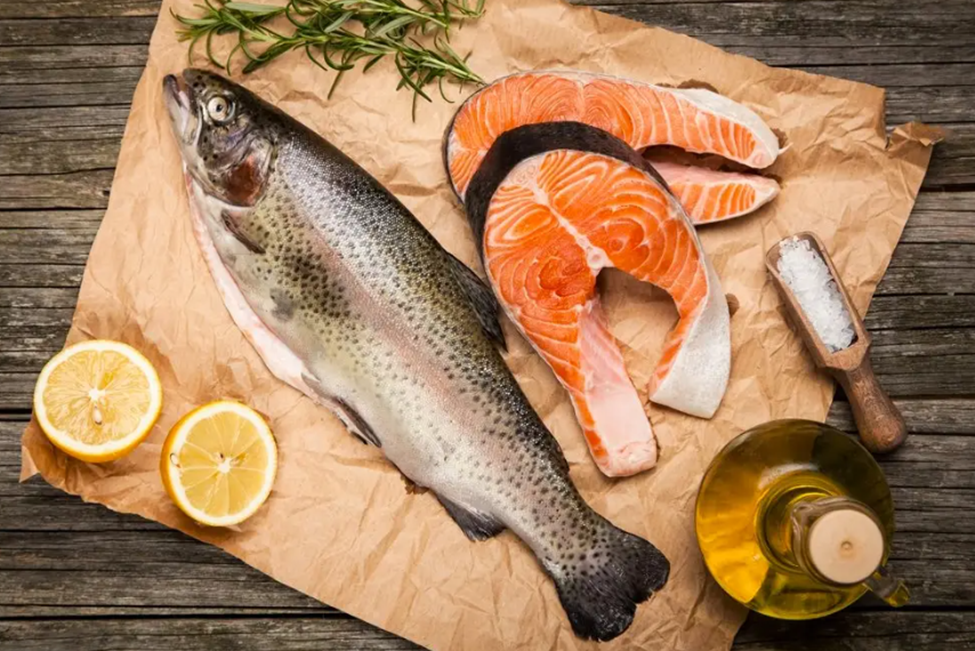
Fish, especially fatty fish, is rich in protein and omega-3 fatty acids. Omega-3s nourish hair follicles and add shine. Salmon, mackerel, and sardines are excellent choices.
How to Include in Diet:
- Grilled salmon for dinner
- Canned sardines in salads
- Fish curry or sushi
Omega-3s and high protein content make fish ideal for hair-growth. It’s one of the best proteins for hair-growth.
3. Chicken and Turkey
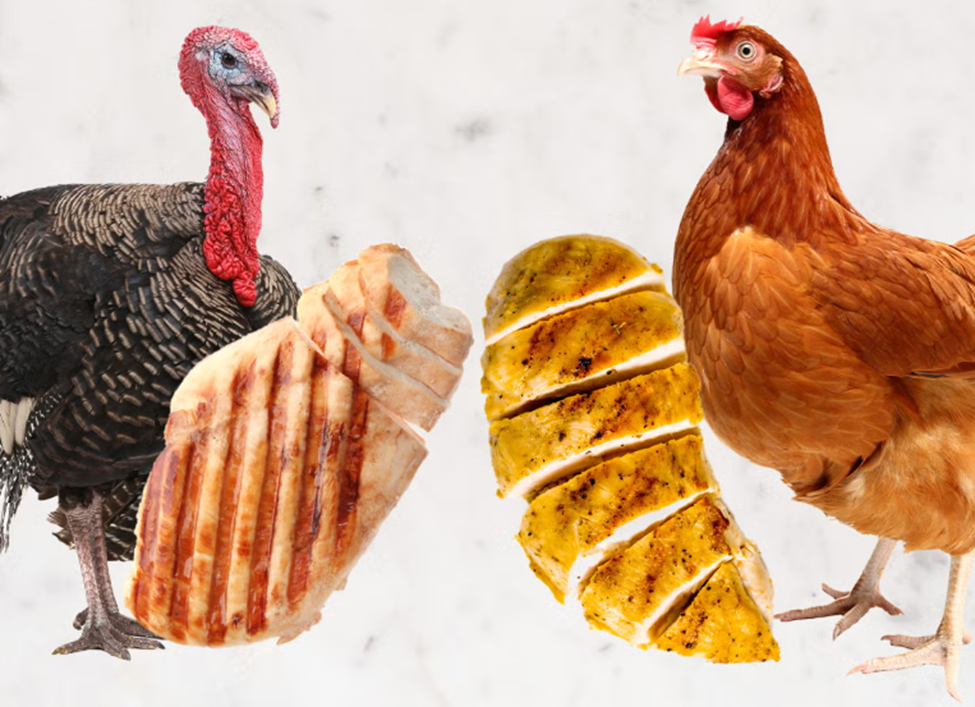
Poultry is a lean source of high-quality protein. It provides essential amino acids needed for hair growth. It also contains zinc, which supports scalp health.
How to Include in Diet:
- Grilled chicken breast
- Turkey sandwiches
- Chicken salads or stir-fries
These lean meats show how proteins intake affect hair-growth efficiently.
4. Dairy Products
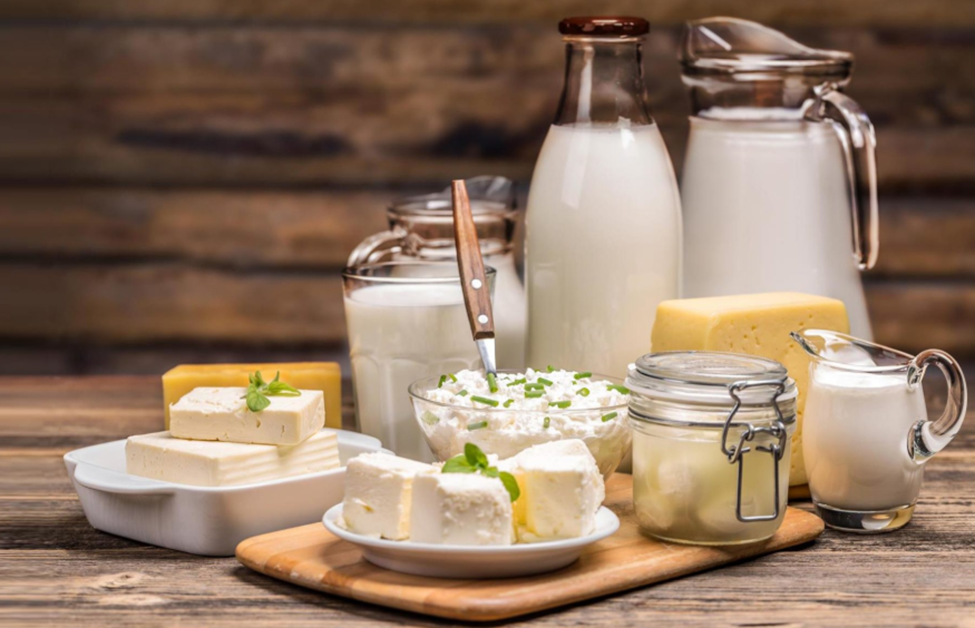
Dairy products such as milk, cheese, and yogurt are high in casein and whey protein. They include important amino acids, which help to heal damaged hair. Dairy also contains calcium, which promotes scalp health.
How to Include in Diet:
- Greek yogurt for breakfast
- Cottage cheese as a snack
- Milk in smoothies or cereals
Dairy offers complete proteins for hair-growth. It also strengthens hair from the roots.
5. Legumes and Beans
Legumes like lentils, chickpeas, and beans are great plant-based proteins. They also contain iron, zinc, and biotin. These nutrients boost hair-growth and prevent hair thinning.

How to Include in Diet:
- Lentil soups or curries
- Chickpea salads or hummus
- Black beans in tacos or buraritoas
Legumes show how protein intake affects hair-growth, especially for vegetarians.
6. Nuts and Seeds
Nuts and seeds contain protein, healthy fats, and vitamin E. They minimize oxidative stress on the scalp while promoting hair development. Almonds, walnuts, chia seeds, and flaxseed are excellent options.

How to Include in Diet:
- Snack on almonds or walnuts
- Add chia seeds to smoothies
- Use flaxseeds in baking or salads
These plant-based proteins for hair-growth also add shine and moisture.
7. Quinoa
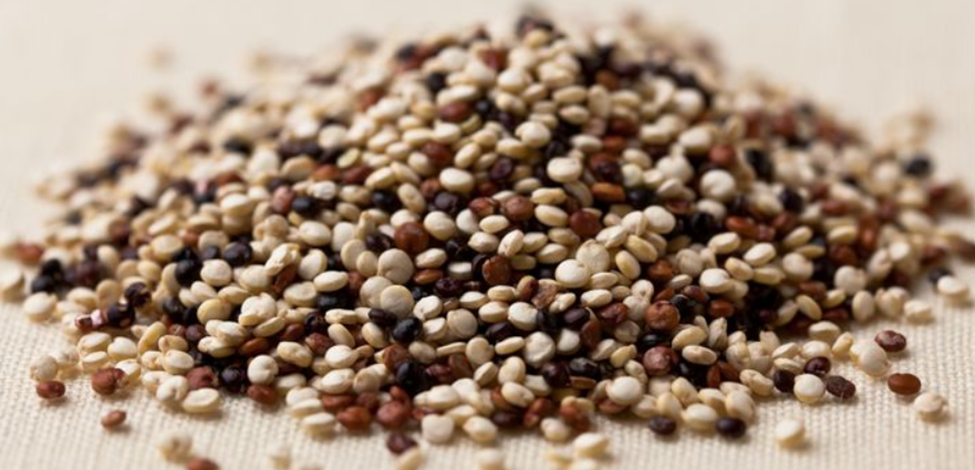
Quinoa is a complete protein containing all essential amino acids. It is also rich in iron and magnesium, promoting healthy hair follicles.
How to Include in Diet:
- Quinoa salads
- Substitute for rice or pasta
- Quinoa breakfast bowls
Quinoa is one of the best plant-based proteins for hair-growth.
8. Soy Products
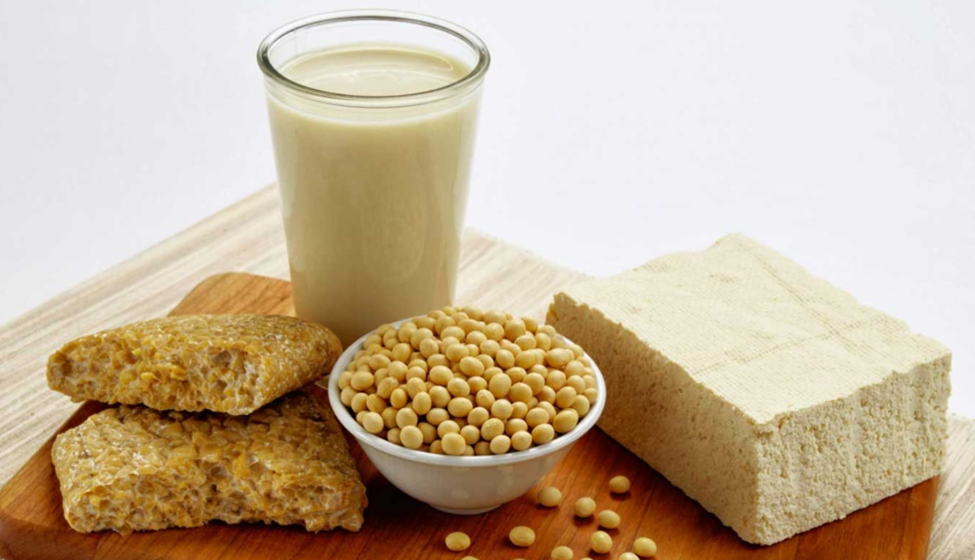
Soybeans, tofu, and tempeh provide high-quality plant protein. They contain isoflavones that improve hair density and reduce hair loss.
How to Include in Diet:
- Tofu stir-fry
- Edamame as a snack
- Soy milk in smoothies
Soy products show how protein intake affects hair-growth, especially for vegans.
9. Protein Supplements
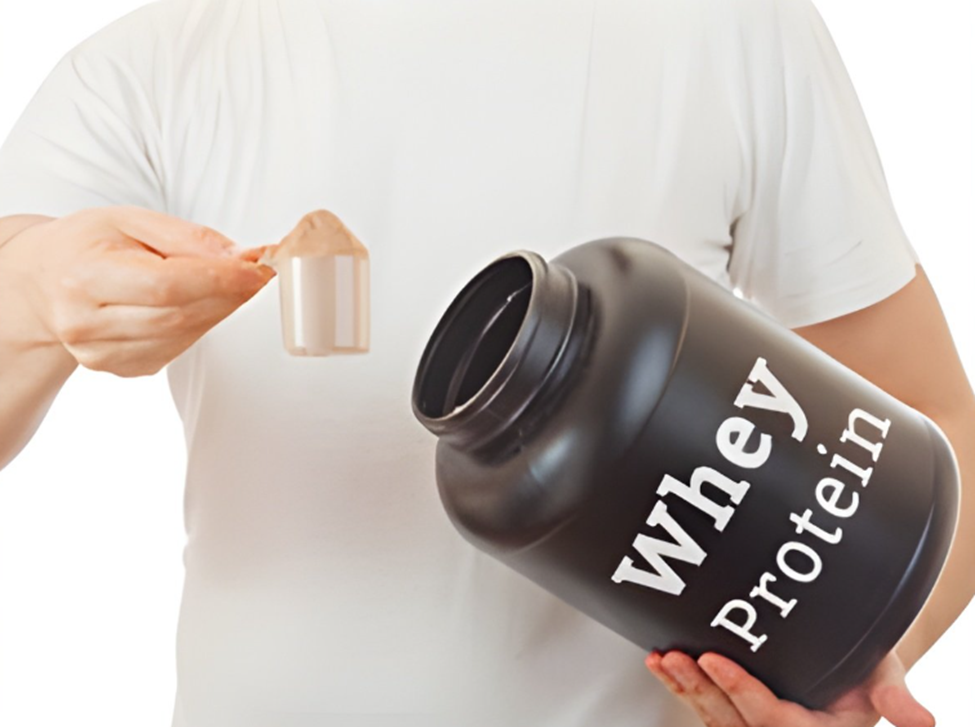
Protein powders, such as whey or plant-based options, are convenient. They provide complete proteins for hair-growth. However, they should not replace whole foods.
How to Include in Diet:
- Protein shakes or smoothies
- Added to oatmeal or yogurt
- Post-workout drinks
Use supplements wisely, as excessive protein can lead to hair damage.
How Much Protein Do You Need for Hair-Growth?
The recommended protein intake is 0.8 grams per kilogram of body weight. Active individuals may need more. Consult a nutritionist to determine your specific needs.
Can Too Much Protein Harm Hair?
Yes, excessive protein can cause hair to become stiff and brittle. It may lead to breakage and hair loss. Balance protein with other nutrients like vitamins and minerals. Proteins are the building blocks of hair. They repair, strengthen, and promote new growth. Protein intake affects hair-growth significantly. Both deficiency and excess can impact hair health. Eggs, fish, poultry, dairy, legumes, nuts, quinoa, and soy are excellent protein sources. These foods provide essential amino acids and nutrients. They showcase how proteins intake affects hair-growth positively. Balance is key. Combine proteins with vitamins and minerals for healthy hair. If hair problems persist, consult a healthcare professional.
FAQ’s
How does protein intake affect hair growth?
Protein supports hair structure and growth cycles. Hair contains keratin protein. Adequate intake strengthens strands and reduces breakage. Low intake weakens follicles and increases shedding.
Why is protein important for hair growth?
Protein provides amino acids for keratin production. Hair strands depend on these amino acids. They support strength, thickness, and elasticity. Without them, hair becomes weak and fragile.
What are the best protein sources for hair growth?
Eggs, fish, and lean meats are excellent sources. Dairy, nuts, and seeds also help. Lentils, beans, and soy support plant diets. These provide essential amino acids for hair.
Can a lack of protein cause hair loss?
Yes, low protein intake can cause hair loss. Hair follicles shift to resting phase. This leads to increased shedding after months. Hair becomes thin and brittle over time.
How much protein is needed for healthy hair growth?
Adults need about 0.8 grams per kilogram daily. Needs increase with activity or stress. Balanced intake supports normal hair growth cycles. Excess intake gives no extra hair benefit.
FAQ’s
Can too much protein harm my hair?
Too much protein rarely harms hair directly. Benefits plateau after meeting daily needs. Excess intake may reduce diet balance. Hair growth does not increase endlessly.
Are plant-based proteins effective for hair growth?
Yes, plant proteins can support hair growth well. Beans, lentils, tofu, and quinoa help. They provide essential amino acids when combined properly. Balanced diets meet all protein needs.
Do protein supplements help with hair growth?
Supplements help only if protein intake is low. Most people meet needs through diet. Extra supplements do not guarantee hair regrowth. Evidence for general use remains limited.
How long does it take to see hair growth results from protein intake?
Hair responds slowly to dietary changes. Shedding reflects nutrition from months earlier. Visible improvement takes about three to six months. Full results may take longer.
Can protein treatments help with hair growth?
Topical protein treatments strengthen hair strands. They improve elasticity and reduce breakage. They do not stimulate new hair growth. Internal nutrition matters more for growth.