
Weight Management Diet- How to Schedule Your Meals for Success
Meal timing plays a crucial role in weight loss. It affects metabolism, energy levels, and digestion. A well-planned meal schedule supports a weight management diet. Eating at the right times is an effective way to lose weight.
Why Meal Timing Matters
The body follows a natural rhythm. Eating at consistent times helps regulate metabolism. Irregular eating patterns lead to weight gain. A structured meal plan supports digestion and energy levels. A proper weight management diet includes strategic meal timing.
The Best Time for Breakfast
Breakfast is the most important meal. It jumpstarts metabolism for the day. Skipping breakfast can slow metabolism and cause overeating later. A balanced breakfast is an effective way to lose weight.

Eat within an hour of waking up. A meal rich in protein and fiber works best. Eggs, oats, and fruits are great choices. Avoid sugary cereals and pastries. A well-balanced breakfast supports a weight management diet.
Lunch Timing for Weight Management
Lunch provides energy for the afternoon. Eating lunch at the right time prevents hunger spikes. A well-timed lunch keeps blood sugar stable. Skipping lunch leads to overeating at dinner.

The best time for lunch is between 12 PM and 2 PM. Include lean proteins, healthy fats, and fiber. A balanced lunch helps with digestion and weight loss. A well-planned meal timing strategy prevents energy crashes.
Ideal Dinner Timing for Weight Loss
Dinner timing affects digestion and sleep. Late dinners slow metabolism and cause fat storage. The body burns fewer calories at night. Eating too late increases the risk of weight gain.
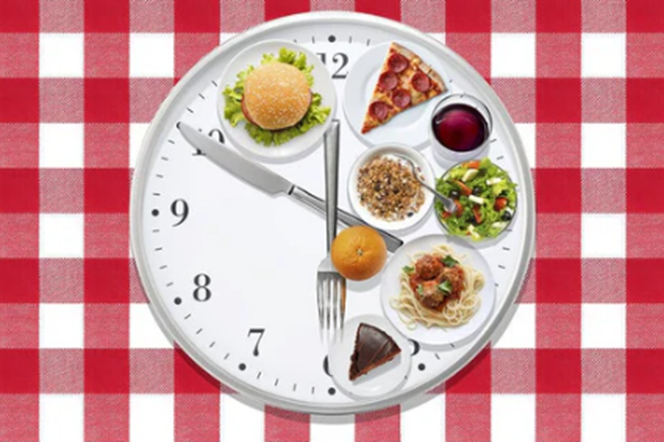
The best time for dinner is between 6 PM and 8 PM. A light meal helps with digestion. Avoid heavy, fatty foods before bed. A properly timed dinner supports a weight management diet.
Eating Smaller, Frequent Meals
Eating smaller meals throughout the day helps metabolism. It prevents hunger and overeating. A meal timing strategy with frequent meals boosts energy. A well-spaced meal plan supports stable blood sugar levels. Eating every 3-4 hours helps. Healthy snacks prevent cravings and binge eating. Meal timing consistency is an effective way to lose weight.
Avoiding Late-Night Snacking
Late-night snacking leads to weight gain. The body burns fewer calories at night. Eating too close to bedtime affects digestion.

The best time for the last meal is 2-3 hours before sleep. If hungry, choose light snacks like yogurt or nuts. Avoid sugary and high-fat snacks. Proper meal timing prevents late-night cravings.
How Intermittent Fasting Affects Meal Timing
Intermittent fasting follows a strict meal schedule. It limits eating to specific hours. It is an effective way to lose weight.
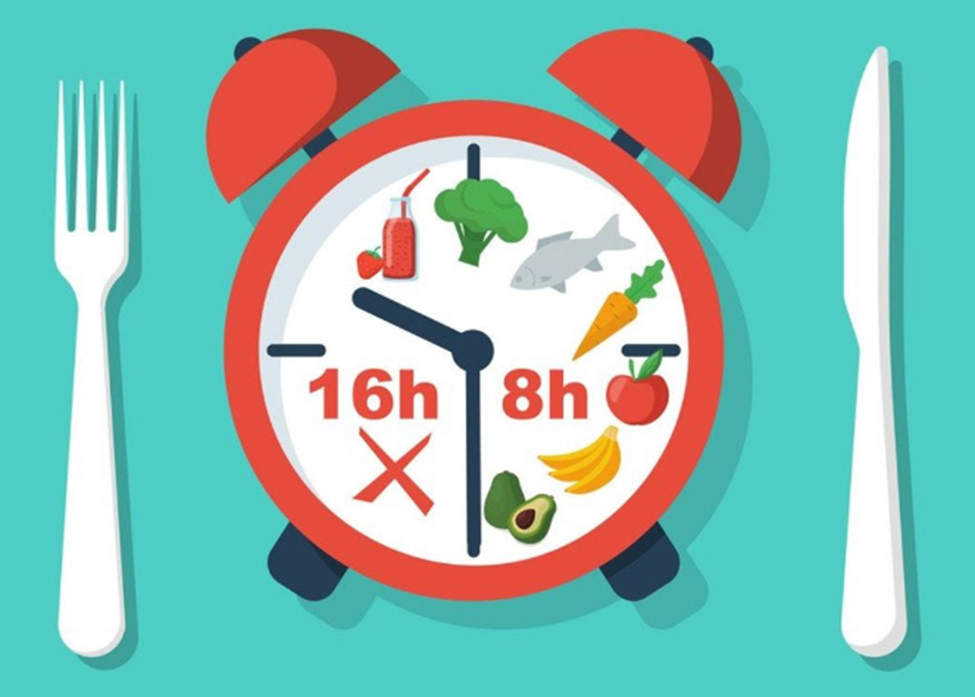
Popular fasting methods include the 16/8 and 5:2 methods. The 16/8 method involves fasting for 16 hours. Eating is allowed within an 8-hour window. Meal timing is key in intermittent fasting.
The Role of Meal Timing in Metabolism
Eating at the right times boosts metabolism. Skipping meals slows down calorie burning. A steady eating schedule supports weight loss. The body digests food better when meals are timed correctly. A weight management diet includes planned meal timing. Eating earlier in the day burns more calories.
Best Time for Pre-Workout and Post-Workout Meals
Meal timing affects workout performance and recovery. Eating before exercise provides energy. A light meal 30 minutes before a workout works best.
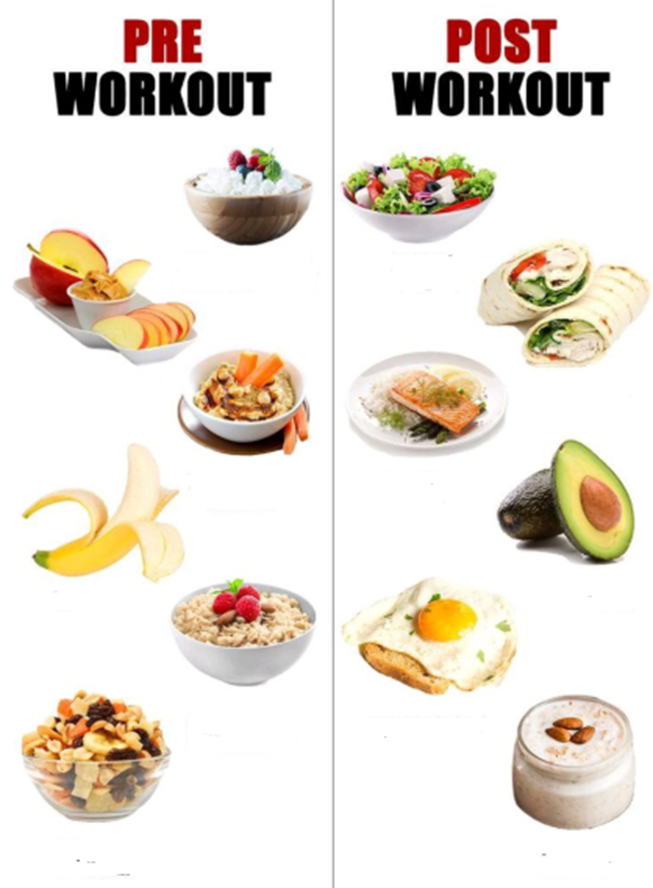
Post-workout meals help muscle recovery. Eating protein and carbs after exercise supports weight loss. The best time for a post-workout meal is within an hour.
How Meal Timing Affects Hormones
Meal timing influences hunger hormones. Irregular eating disrupts hormone balance. A stable eating schedule controls hunger. Skipping meals increases cravings and stress hormones. Eating at the right times helps regulate appetite. Meal timing is a key part of a weight management diet.
Meal Timing and Sleep Quality
Eating late affects sleep quality. The body digests food while sleeping. A heavy meal before bed disrupts rest. A well-timed dinner promotes better sleep. Proper meal timing improves overall health. Good sleep supports weight loss and metabolism.
The Impact of Meal Timing on Digestion
Eating late slows digestion. A heavy dinner causes bloating and discomfort. The body needs time to process food.
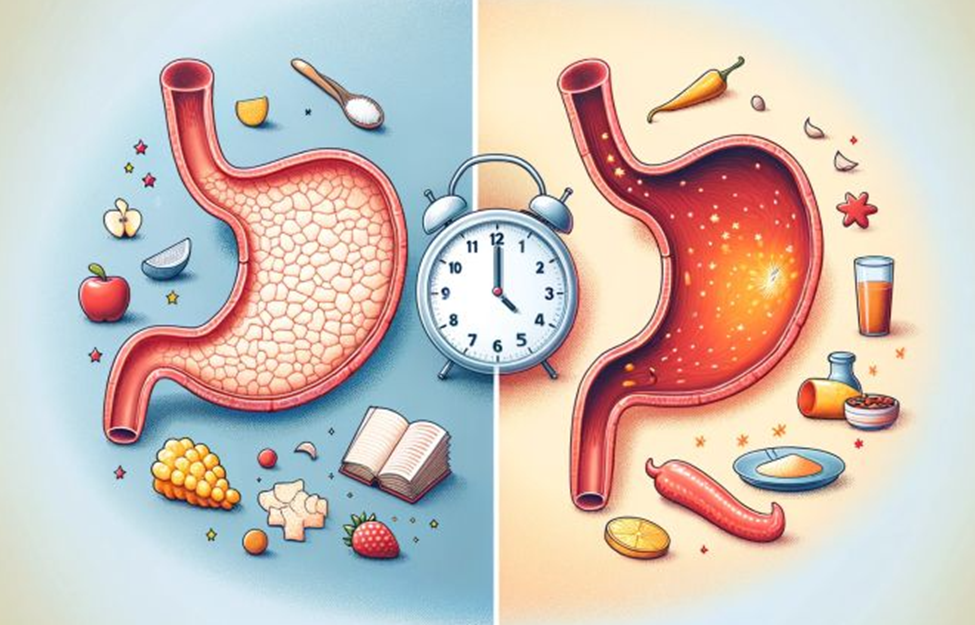
A well-timed meal plan prevents digestive issues. Eating smaller meals helps digestion. A weight management diet includes proper meal spacing.
Meal Timing for People with Different Lifestyles
Meal timing varies for different schedules. Shift workers and busy people need structured plans. A weight management diet adapts to different lifestyles. Meal prepping helps maintain a meal timing routine. Eating at the same time daily prevents hunger spikes. Planning meals in advance ensures a balanced diet.
How Technology Helps with Meal Timing
Apps help track meal schedules. Reminders help maintain consistency. Meal tracking supports a structured diet.

Using alarms ensures regular eating habits. Keeping a meal log helps track patterns. Technology supports an effective way to lose weight.
The Connection Between Meal Timing and Hydration
Drinking water at the right times helps digestion. Hydration affects metabolism and appetite. A weight management diet includes proper hydration. Drinking water before meals reduces hunger. Avoid drinking too much water during meals. Proper hydration supports weight loss and energy levels.
Meal Timing Mistakes to Avoid
Skipping meals slows metabolism. Eating at irregular times leads to cravings. A weight management diet requires consistency. Eating too late causes weight gain. Large, heavy meals at night affect digestion. Meal timing mistakes impact weight loss efforts.
Meal timing is important for weight loss. Eating at the right times supports digestion and metabolism. A structured meal plan prevents overeating. A weight management diet includes consistent meal timing. Staying on a schedule is an effective way to lose weight.
FAQ’s
What is the best meal timing for weight loss?
Best meal timing for weight loss focuses on consistency. Eat within a regular daily time window. Earlier eating may support better metabolism. Distributing calories earlier can improve fat loss outcomes.
Does eating late at night cause weight gain?
Eating late at night may affect metabolism negatively. Late meals increase blood sugar and reduce fat burning. Night eating may promote fat storage and hunger. Align meals with daytime activity for better results.
How many meals should I eat per day for weight management?
Meal frequency depends on personal preference and lifestyle. Some prefer three meals daily for simplicity. Others prefer smaller frequent meals for hunger control. Total calories matter more than meal frequency overall.
Is intermittent fasting an effective way to lose weight?
Intermittent fasting can help reduce calorie intake. It works by limiting eating hours daily. Weight loss results are similar to regular diets. Consistency and calorie control remain most important factors.
What time should I eat breakfast for the best metabolism?
Breakfast timing should match your daily routine. Eating earlier may support energy and metabolism. Morning meals can improve appetite control later. High protein breakfasts help reduce cravings during the day.
FAQ’s
How long before bed should I stop eating?
Stop eating at least two to three hours before bed. This supports digestion and better sleep quality. Late eating may impair fat metabolism overnight. Earlier dinners improve metabolic health outcomes.
Does skipping meals slow down metabolism?
Skipping meals does not always slow metabolism directly. It may lead to overeating later in the day. Irregular eating disrupts hunger hormones and energy balance. Regular meals improve appetite control and consistency.
What is the best time to eat before and after a workout?
Pre workout meals should be eaten one to three hours before. Include carbohydrates and protein for energy support. Post workout meals should follow within two hours. Protein helps muscle recovery and fat loss support.
Can meal timing help reduce cravings and hunger?
Meal timing can help reduce cravings and hunger. Regular eating stabilizes blood sugar and hormones. Structured timing reduces impulsive snacking behavior. Earlier meals may reduce evening hunger signals.
How does meal timing affect digestion and nutrient absorption?
Meal timing affects digestion and nutrient absorption processes. Eating earlier aligns with circadian rhythm and metabolism. Late eating may impair glucose control and digestion. Consistent timing supports efficient nutrient utilization.