Vitamins for Healthy Hair- How to Get Them Naturally?
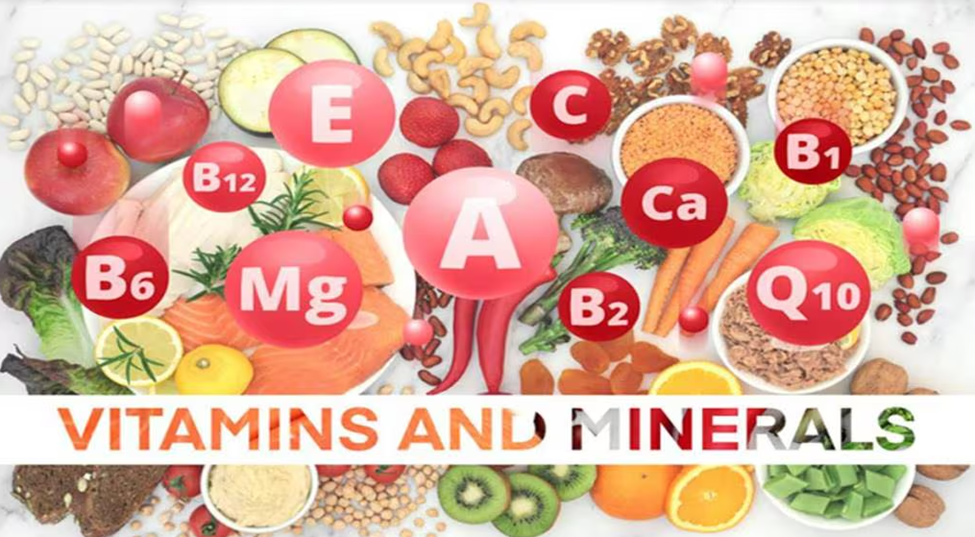
Vitamins for healthy hair nourish the scalp, Minerals for healthy hair build hair follicles, and a balanced diet rich in essential nutrients provides rich and healthy hair. Without sufficient nutrients, hair grows weak and hard.
1. Vitamin A
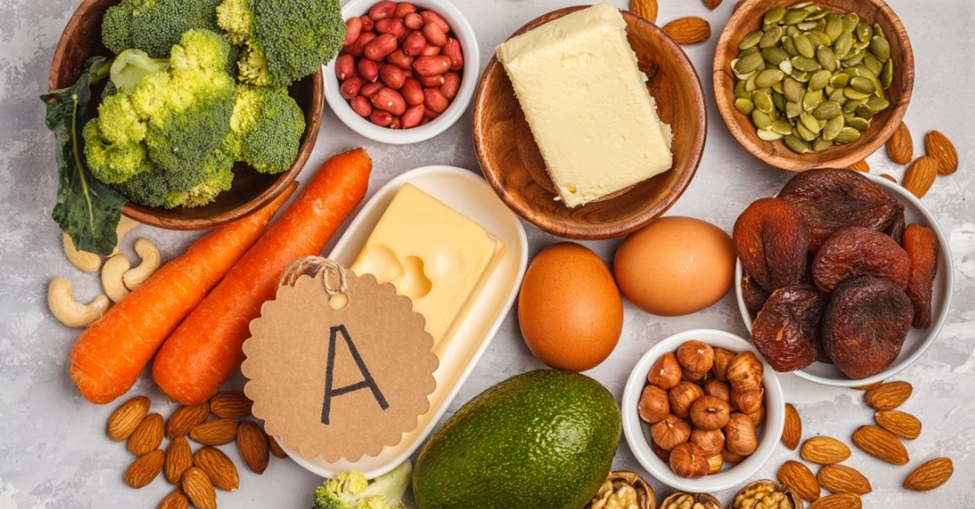
Vitamin A promotes cell growth, including hair cells. It helps produce sebum, an oily substance that moisturizes the scalp. A healthy scalp means healthy hair. However, too much Vitamin A can cause hair loss.
Sources:
- Sweet potatoes
- Carrots
- Spinach
- Kale
- Milk
- Eggs
Including these foods ensures sufficient Vitamin A. This vitamin for healthy hair keeps it shiny and strong.
2. Vitamin B Complex
Vitamin B complex includes several B vitamins. Each plays a role in hair health.
Biotin (B7):
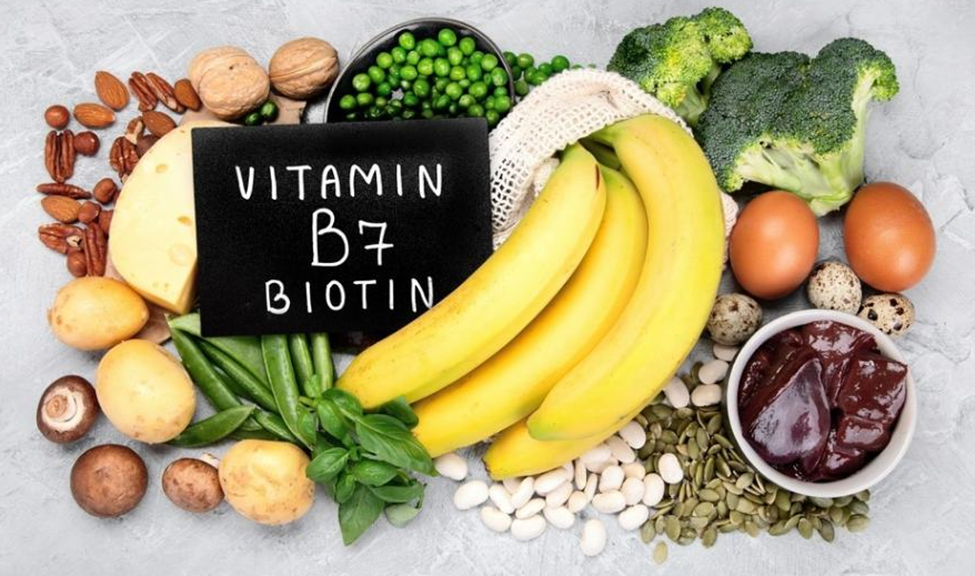
Biotin is essential for hair growth. It strengthens hair and prevents breakage. It also improves the keratin structure in hair.
Sources:
- Eggs
- Almonds
- Sweet potatoes
- Spinach
- Salmon
Niacin (B3):
Niacin enhances blood circulation to the scalp. Better blood flow means more nutrients for hair follicles.
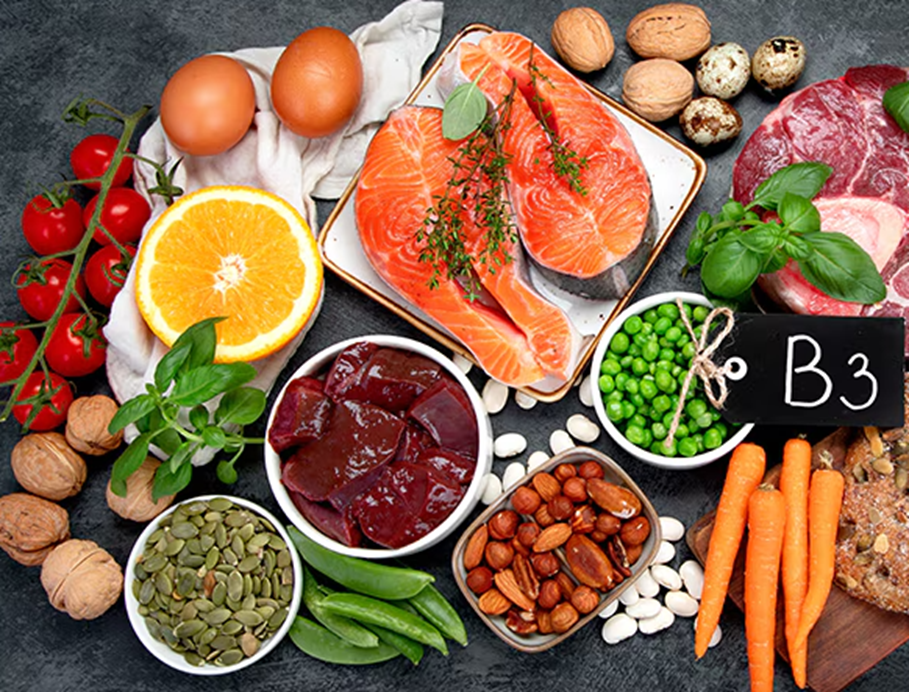
Sources:
- Chicken breast
- Tuna
- Turkey
- Avocados
Pantothenic Acid (B5):
Pantothenic acid prevents hair thinning. It also adds moisture to the hair.
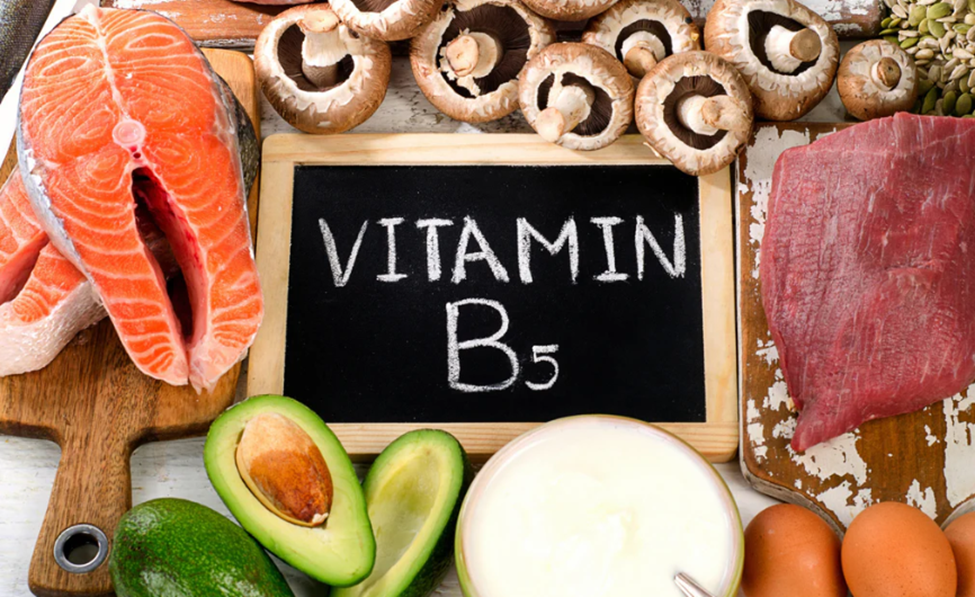
Sources:
- Mushrooms
- Lentils
- Sunflower seeds
The Vitamin B complex is a powerful group of vitamins for healthy hair. It enhances growth and reduces hair fall.
3. Vitamin C
Vitamin C enhances the production of collagen, a necessary protein for hair structure. It also helps with iron absorption, which is another important mineral for healthy hair. Its antioxidant capabilities help to protect hair from free radicals.
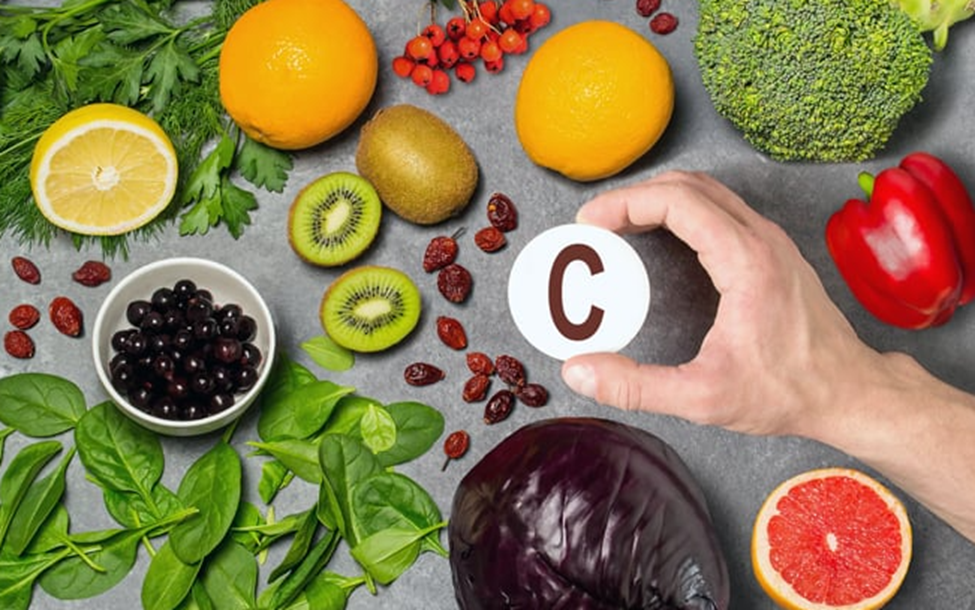
Sources:
- Oranges
- Strawberries
- Kiwi
- Guava
- Broccoli
Adding Vitamin C to your diet boosts hair strength. It’s an important vitamin for healthy hair and scalp health.
4. Vitamin D
Vitamin D stimulates hair follicles. It helps create new hair. A deficiency can led to hair thinning.
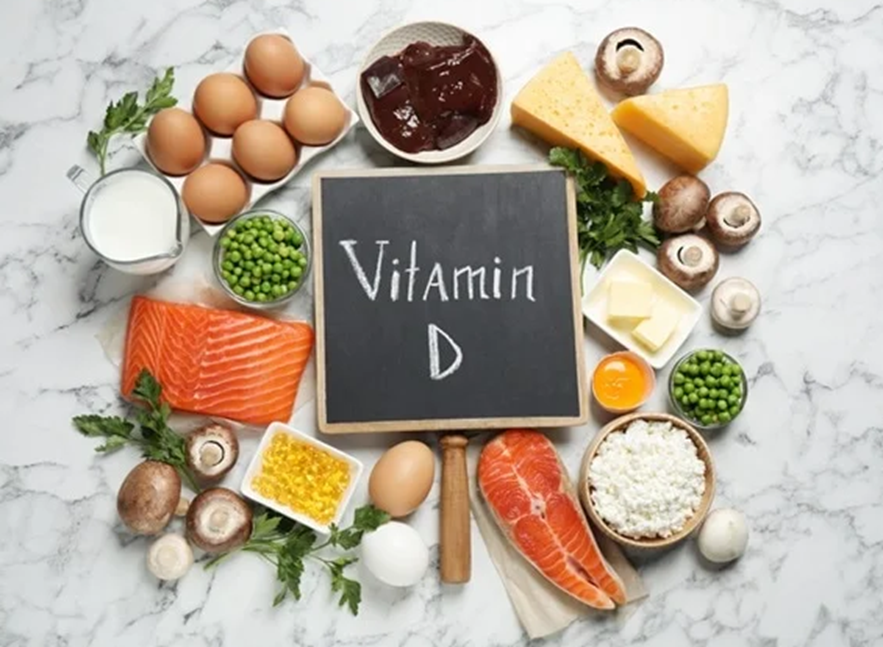
Sources:
- Sunlight (primary source)
- Fatty fish
- Fortified foods
- Cheese
- Egg yolks
Ensure enough Vitamin D for hair growth and density. It’s a crucial vitamin for healthy hair follicles.
5. Vitamin E
Vitamin E has antioxidant properties. It reduces oxidative stress on the scalp. This improves blood circulation, enhancing hair growth. It also locks in moisture, preventing dry, brittle hair.
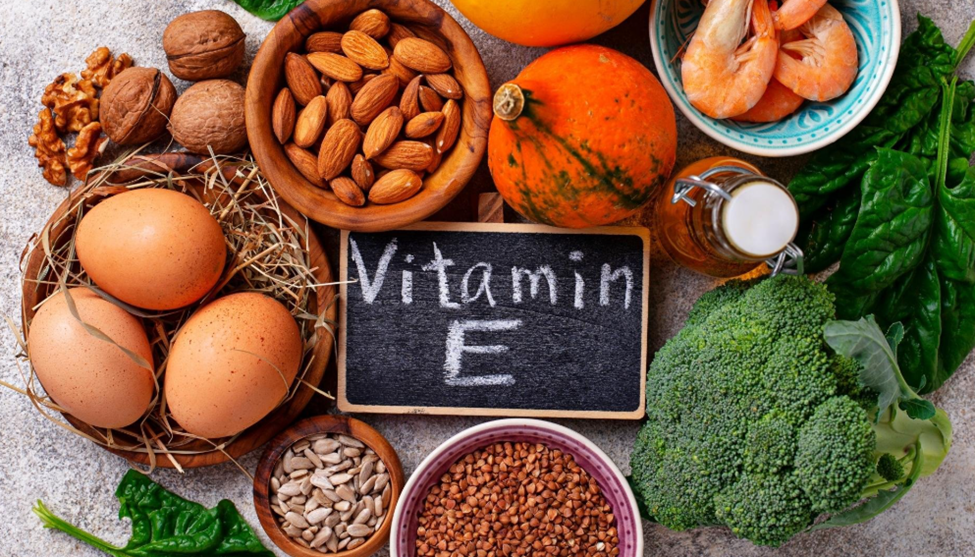
Sources:
- Almonds
- Spinach
- Avocado
- Sunflower seeds
Vitamin E is a protective vitamin for healthy hair. It adds shine and smoothness.
6. Iron
Iron carries oxygen to hair follicles. A lack of iron causes hair loss. It’s a vital mineral for healthy hair growth.
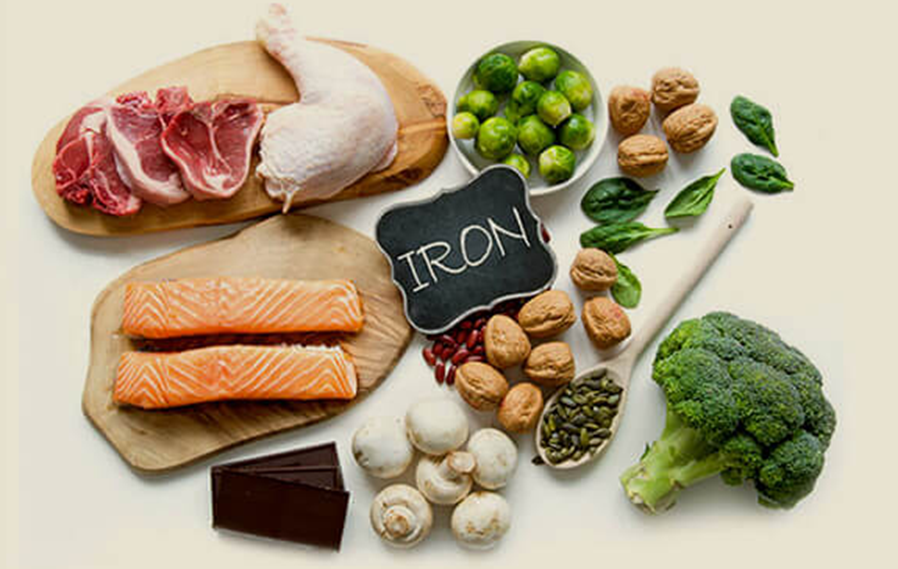
Sources:
- Red meat
- Spinach
- Lentils
- Pumpkin seeds
- Quinoa
Women, especially, need adequate iron due to menstrual cycles. This mineral for healthy hair prevents hair thinning and brittleness.
7. Zinc
Zinc helps with tissue growth and repair. It keeps oil glands around follicles functioning. A deficiency can led to hair loss and scalp issues.
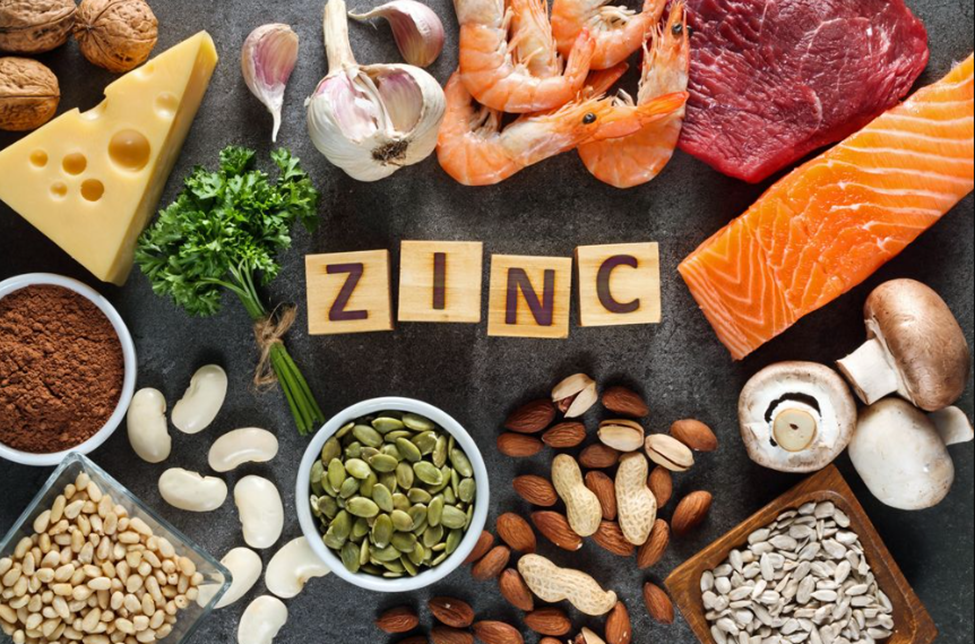
Sources:
- Oysters
- Beef
- Pumpkin seeds
- Chickpeas
- Nuts
Zinc is an essential mineral for healthy hair and scalp balance. It prevents dandruff and promotes growth.
8. Magnesium
Magnesium reduces calcium buildup on the scalp. Too much calcium can clog hair follicles. Magnesium balances this, ensuring hair growth.
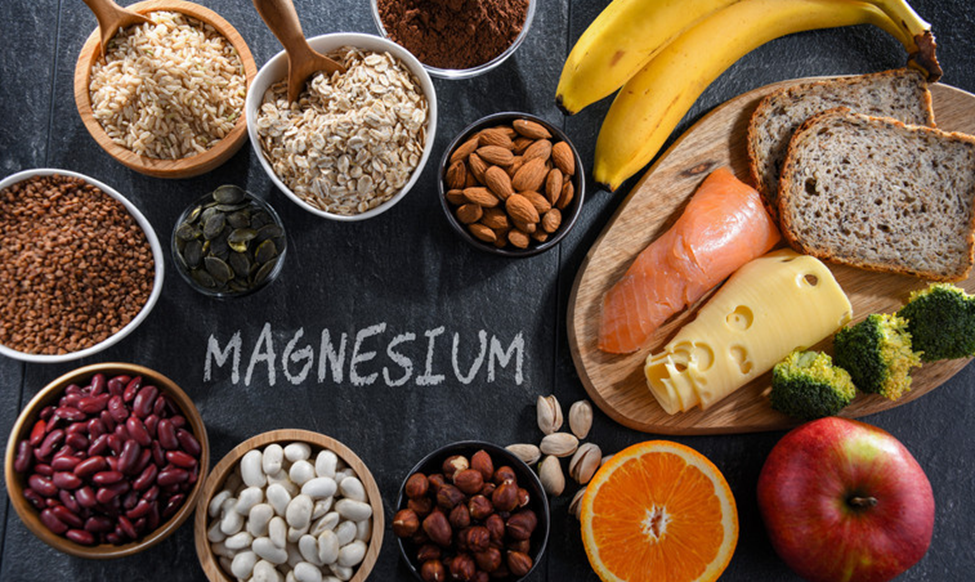
Sources:
- Leafy greens
- Nuts
- Seeds
- Fish
- Whole grains
This mineral for healthy hair prevents hair thinning and loss. It also improves hair texture and shine.
9. Selenium
Selenium protects hair from oxidative stress. It also aids the body’s metabolism, which influences hair growth.
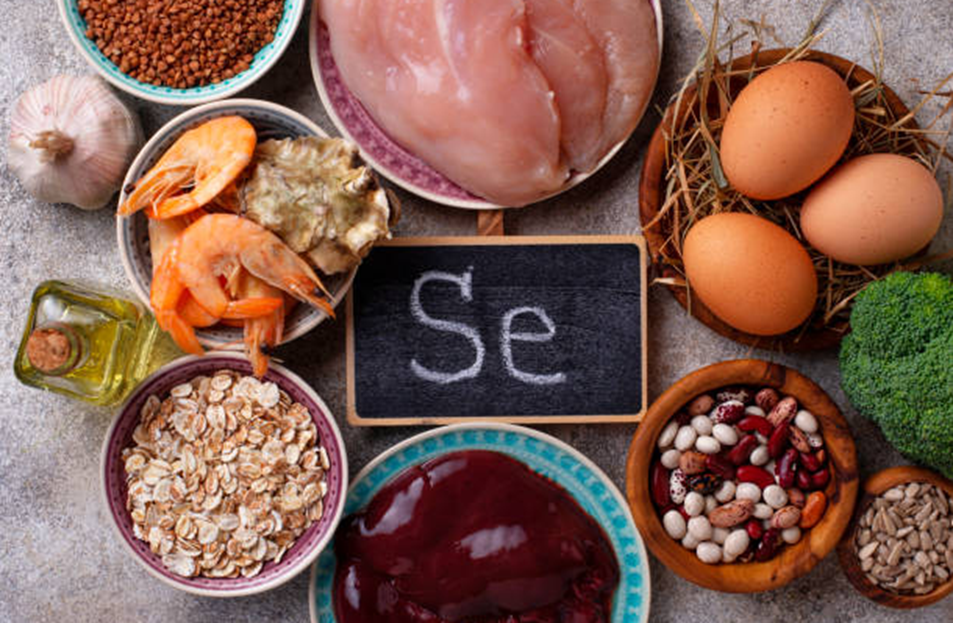
Sources:
- Brazil nuts
- Tuna
- Eggs
- Sunflower seeds
- Mushrooms
A small amount of selenium is enough. It’s a powerful mineral for healthy hair maintenance.
10. Omega-3 Fatty Acids
Omega-3s are not vitamins or minerals but essential for hair health. They nourish hair follicles and add shine. They also reduce inflammation, preventing hair loss.
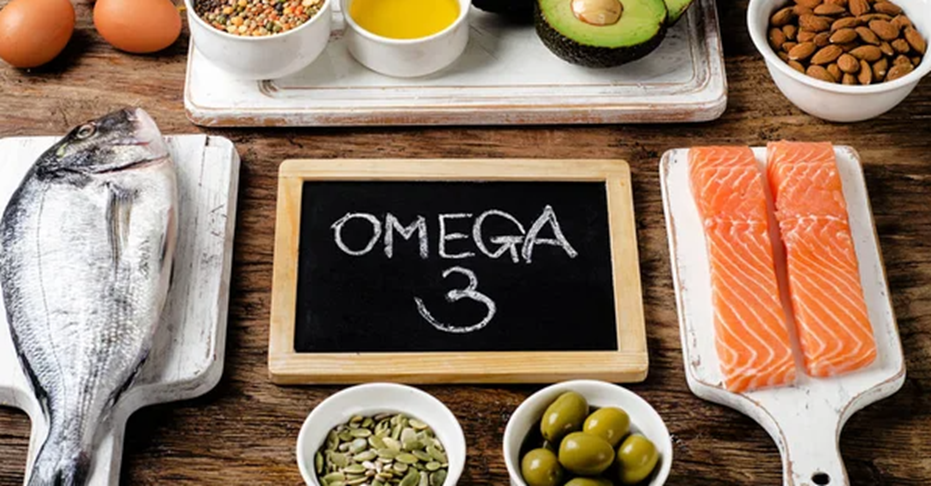
Sources:
- Fatty fish (salmon, mackerel)
- Chia seeds
- Walnuts
- Flaxseeds
Omega-3s support overall scalp health. They work with vitamins and minerals for healthy hair growth.
How to Ensure Sufficient Intake?
Balanced meals are essential. Include a range of vitamin and mineral-rich foods to promote healthy hair. Consider taking supplements, if necessary, but first contact with your doctor.
Vitamins and minerals are vital for healthy hair. They promote growth, strength, and shine. Vitamin A, B complex, C, D, E are essential vitamins for healthy hair. Iron, zinc, magnesium, and selenium are crucial minerals for healthy hair. Omega-3s also play a significant role.
A balanced diet promotes healthy and robust hair. If hair problems persist, see a dermatologist or a nutritionist. By focusing on these vitamins and minerals, you can get stronger, healthier hair.
FAQ’s
Why are vitamins and minerals important for healthy hair?
Vitamins and minerals support key processes like keratin production, follicle growth, and scalp circulation, which are essential for strong, healthy hair. They also help reduce oxidative stress and inflammation that can damage hair follicles and slow growth.
Essential Vitamins for healthy hair?
Key vitamins include biotin (B7), vitamin D, vitamin E, vitamin A, and B-complex vitamins like B12 and folate, all of which support hair follicle health and growth cycles. Deficiencies in these vitamins are commonly linked to thinning and hair loss.
Which minerals are essential for healthy hair?
Important minerals include iron, zinc, selenium, and magnesium, which help oxygen delivery, repair tissues, and support hair structure. Among these, iron and zinc deficiencies are especially associated with hair shedding and weak hair growth.
Can a deficiency in vitamins and minerals cause hair loss?
Yes, deficiencies can disrupt the hair growth cycle, leading to increased shedding, thinning, and slower regrowth. Conditions like iron-deficiency anemia or low vitamin D are well-documented causes of hair loss.
How do I know if I’m lacking vitamins and minerals for healthy hair?
Signs include excessive hair shedding, thinning, brittle strands, and slow growth, often accompanied by fatigue or brittle nails. A blood test is the most accurate way to identify specific nutrient deficiencies.
FAQ’s
Can supplements help improve hair health?
Yes, supplements can help if you have a deficiency, but they are not a universal solution for hair growth. Over-supplementation without deficiency may not provide benefits and can sometimes cause side effects.
How long does it take to see results from vitamins and minerals?
Hair growth is slow, so it typically takes 3–6 months of consistent nutrient intake to notice visible improvements. This is because hair grows in cycles, and nutrients must first correct deficiencies before showing effects.
Can too many vitamins or minerals harm my hair?
Yes, excessive intake; especially of vitamin A, selenium, or iron—can actually cause hair loss and toxicity. Maintaining balanced levels is crucial, as more is not always better.
Which foods are rich in vitamins for healthy hair?
Foods like eggs, leafy greens, nuts, seeds, fish, dairy, and fruits such as berries provide a wide range of hair-supporting vitamins and minerals. A balanced, whole-food diet is the most effective way to maintain healthy hair.
Can a poor diet affect my hair’s health?
Yes, a diet lacking essential nutrients can lead to weak, brittle hair, increased shedding, and slowed growth. Long-term nutritional deficiencies directly impact hair follicle function and overall scalp health.