AI Skin Analyzer Mirror: Real-Time Skin Insights Made Easy
Introduction to AI Skin Analysis Technology
An AI skin analyzer mirror is a modern beauty technology device. It blends artificial intelligence with reflective mirror systems. It is designed to evaluate skin conditions in detail. The concept focuses on personalized skin understanding for users. This mirror goes beyond simple reflection. It analyzes skin health through smart digital interpretation. It provides scientific insights into facial skin conditions. This makes it highly advanced in skincare innovation.
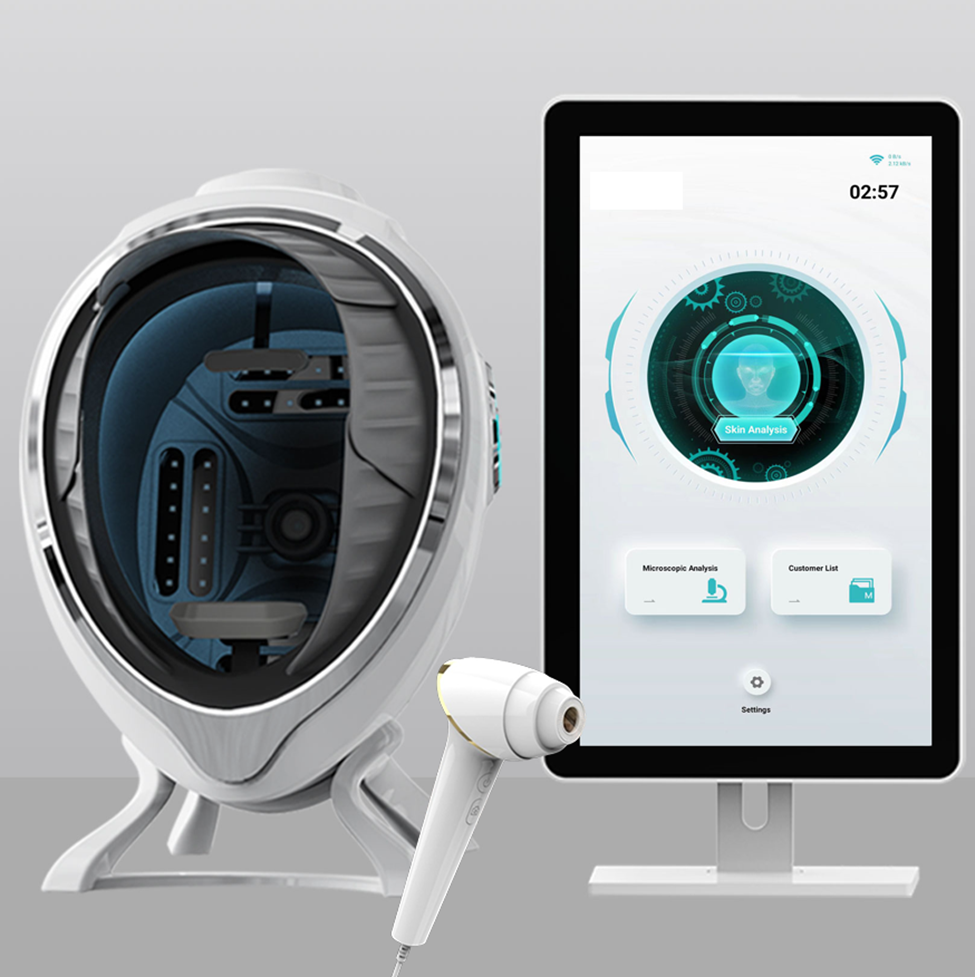
The main purpose of an AI skin analyzer is analysis. It studies skin texture, tone, and surface quality. It delivers results based on digital imaging and AI systems. This helps users understand their skin more clearly. The technology is widely used in skincare environments today. It is becoming an essential part of modern beauty routines.
Core Technology behind the AI Skin Analyzer Mirror
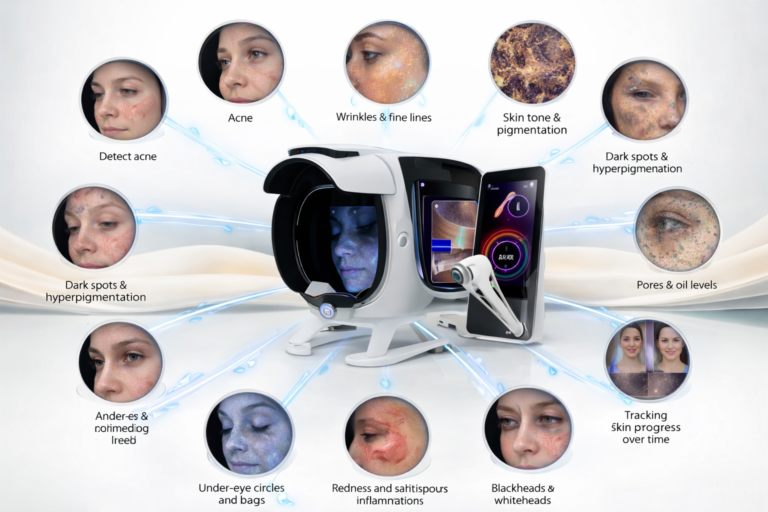
The AI skin analyzer mirror uses advanced imaging systems. These systems include high-resolution cameras and light sensors. They capture detailed facial images from multiple angles. The captured data is processed using artificial intelligence. Machine learning algorithms analyze skin features precisely. These algorithms are trained on large dermatology datasets. They help the system recognize skin patterns effectively. Thesemirrors identify pores, wrinkles, and spots. It also detects hydration levels and pigmentation changes. Each scan produces a detailed skin health profile. This ensures accurate and structured analysis for users. Artificial intelligence improves performance over time. The system learns from new skin data continuously. This makes the AI skin analyzer more reliable and advanced. It adapts to different skin types and conditions easily.
Evolution of AI Skin Analyzer Mirrors (From 2014–2026)
1. Early Concept Phase (2014–2016): Birth of Smart Beauty Mirrors
The modern AI skin mirror industry began with HiMirror, developed by New Kinpo Group (Taiwan). This was the first commercially successful AI skin analysis mirror, making skincare measurable instead of subjective.
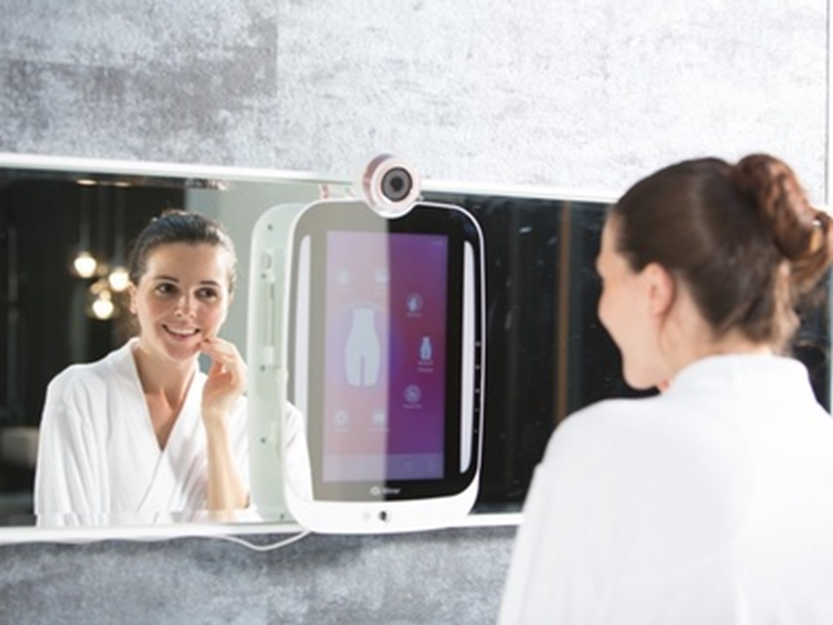
First Model: HiMirror (2016 launch)
HiMirror Smart Beauty Mirror
Core Specifications:
- 11–16 inch HD mirror display
- Built-in high-resolution camera
- Wi-Fi + Bluetooth connectivity
- LED lighting system (multiple ambiance modes)
- Cloud-based skin tracking system
AI Features:
- Detected:
- Wrinkles
- Pores
- Dark spots
- Redness
- Eye circles
- Generated “Skin Index Report”
- Basic AI product recommendations
- Skin progress tracking over time
2. Expansion Phase (2017–2020): Smart Skincare Ecosystem Growth
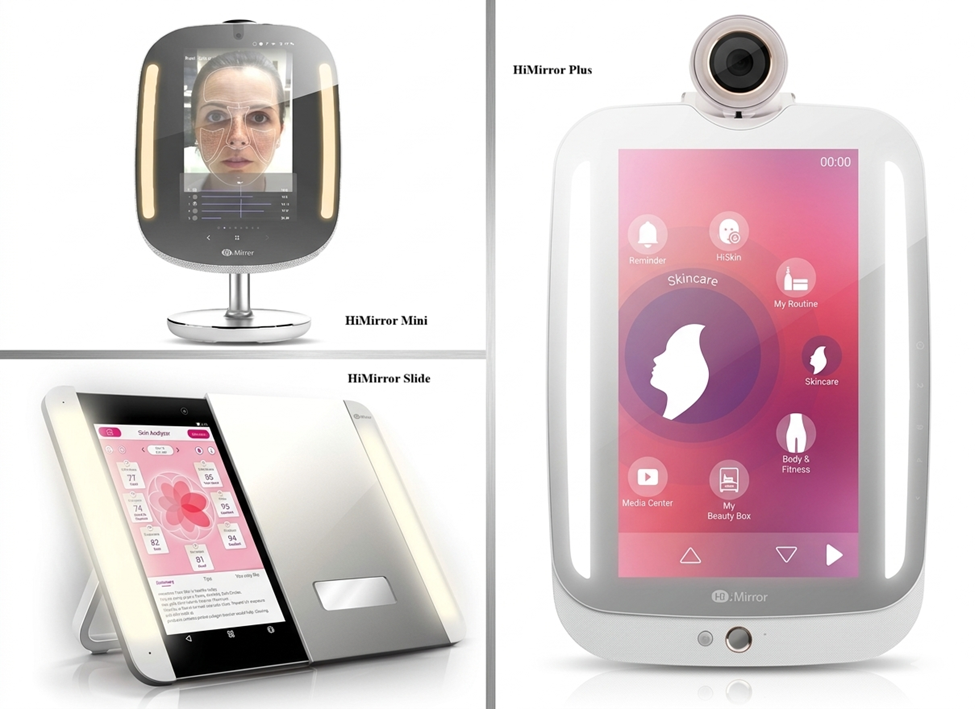
Improved Models:
- HiMirror–Plus
- HiMirror–Mini
- HiMirror=Slide
Upgraded Specifications:
- Improved facial recognition
- Touch + gesture control
- Multi-user profiles
- App-based skincare tracking
- Integration with smart home systems
AI Improvements:
- Better image dataset training
- Skin scoring system (firmness, brightness, texture)
- Personalized skincare suggestions
- Time-lapse skin monitoring
Industry Shift:
Smart mirrors moved from simple analysis → lifestyle skincare assistants.
3. AI Integration Phase (2018–2023): Deep Learning Era Begins
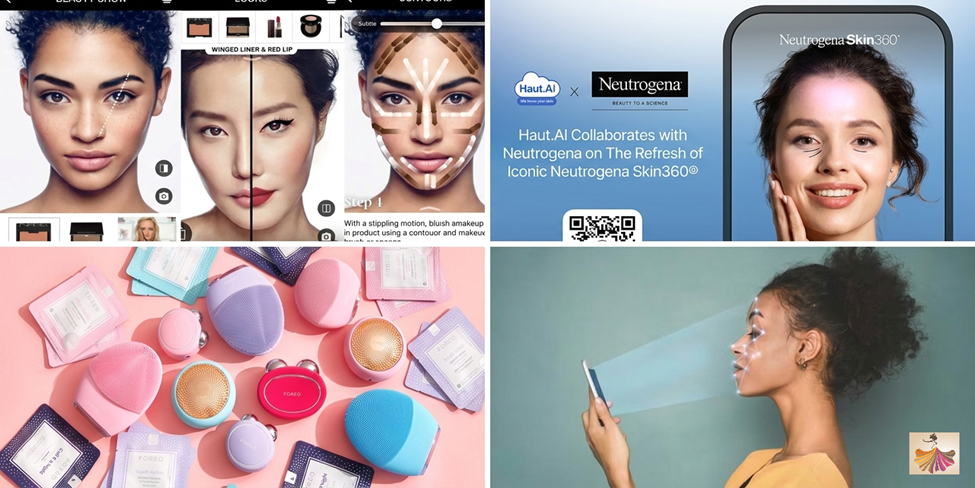
Major Players:
- L’Oréal (ModiFace AI acquisition)
- Procter & Gamble (skin diagnostics research)
- Foreo smart beauty devices
- Neutrogena Skin360 ecosystem
Key Innovation:
- Deep learning skin analysis (CNN models)
- Training on thousands of dermatology images
- AR-based beauty simulations
Technical Upgrades:
- Smartphone-level cameras integrated into mirrors
- Better lighting calibration
- Early UV/infrared simulation
- Cloud AI learning systems
Limitations:
- Mostly surface-level analysis
- Poor performance under different lighting
- Limited accuracy for darker skin tones
- No clinical-grade diagnostic ability
4. Advanced Smart Mirror Generation (2024–2025)
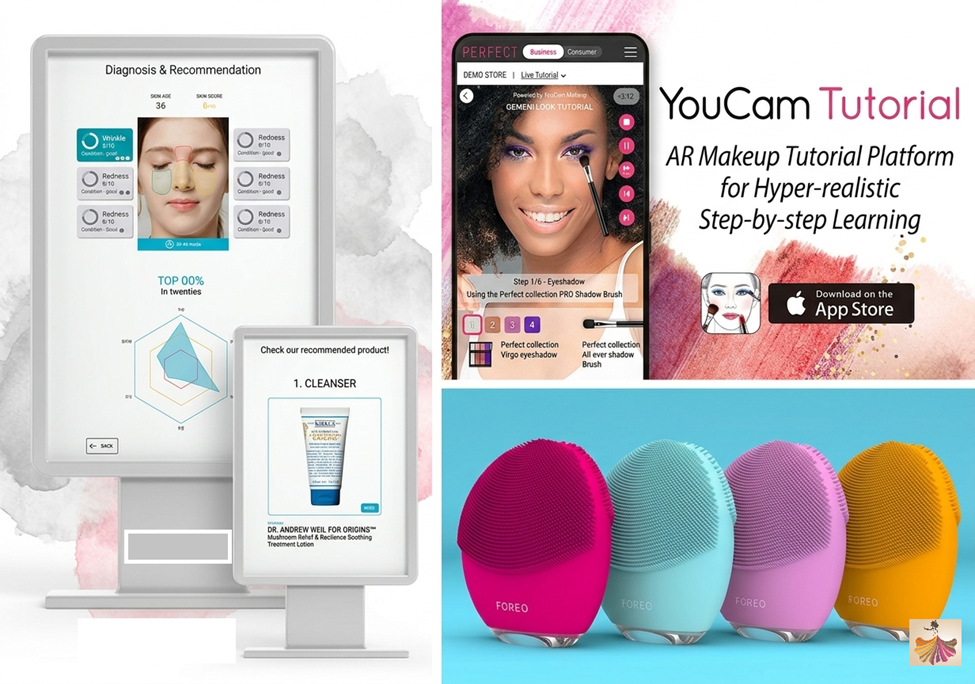
Example Systems:
- HiMirror Max Series
- Foreo Luna Smart Mirror
- Dermatology clinic-grade AI mirrors
- YouCam / business AI mirror systems
Advanced Specs:
- 4K facial imaging
- Multi-angle camera capture
- Near-infrared + UV imaging
- Cloud-based AI skin history tracking
- Mobile app synchronization
AI Features:
- 10–15 skin condition parameters
- Early aging prediction models (2–5 years)
- AI skincare routine generator
- Virtual makeup try-on (AR)
- Product recommendation engines
Breakthrough:
Mirrors became beauty + diagnostic + marketing platforms combined.
5. High-End AI Skin Analyzer Systems (2025–2026)
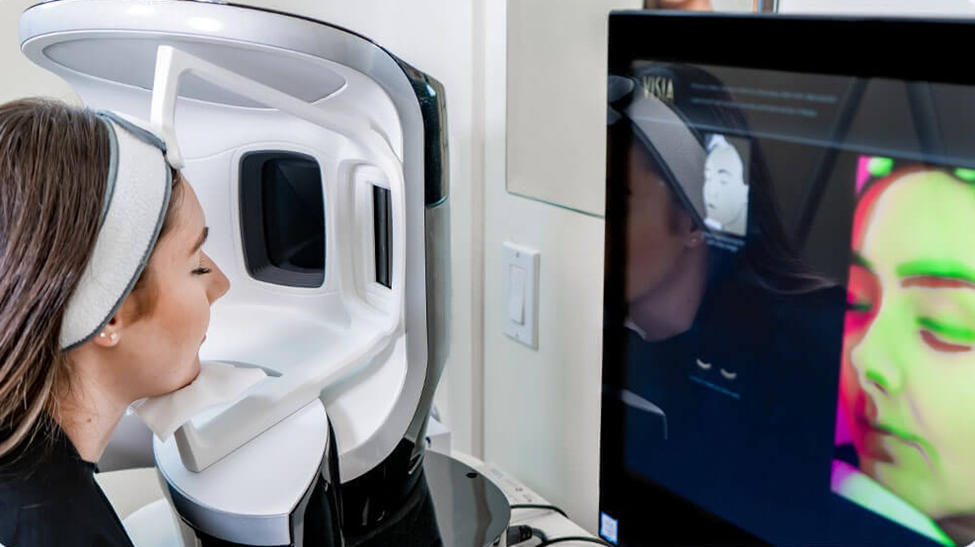
Example Professional System:
AI Skin Analyzer Magic Mirror Plus
Technical Specifications:
- 20 MP ultra-HD camera
- 15.6-inch HD touchscreen display
- RGB + UV + polarized light imaging
- 55W processing system
- Cloud-based AI analytics
- Multi-user clinic management system
AI Capabilities:
- 10–30 skin condition analysis points
- UV damage detection
- Pigmentation mapping
- Moisture and collagen estimation
- 3–5 year skin aging prediction
- Left/right face comparison tracking
Usage:
- Dermatology clinics
- Med-spas
- Luxury beauty centers
- High-end personal skincare labs
6. AI Mirror Ecosystem Era (2026)
By 2026, AI skin mirrors evolved into fully intelligent beauty ecosystems.
Features across Leading Systems:
- Real-time skin diagnosis in seconds
- Continuous learning AI (updates every scan)
- Full AR skincare simulation
- Smart product auto-recommendation
- Subscription skincare integration
- Emotional + lifestyle correlation analysis
Hardware Level:
- 4K–8K imaging systems
- Multi-spectral scanning (RGB + UV + NIR + PL)
- Depth-sensing cameras
- Cloud + edge AI hybrid processing
AI Level:
- Dermatology-trained deep neural networks
- Predictive skin aging models
- Personalized skin genome simulation (experimental stage)
- Continuous tracking over months/years
Evolution Comparison Table
| Era | Example Model | Tech Level | AI Capability | Key Limitation |
| 2014–2016 | HiMirror (original) | Basic smart mirror | Simple skin detection | No deep AI |
| 2017–2020 | HiMirror Plus/Mini | Smart ecosystem | Skin scoring + tracking | Limited accuracy |
| 2018–2023 | L’Oréal ModiFace systems | AI + AR integration | Deep learning analysis | Surface-level only |
| 2024–2025 | HiMirror Max / Foreo mirrors | Advanced smart AI | Prediction + AR makeup | Not fully clinical |
| 2025–2026 | Magic Mirror Plus systems | Professional-grade AI | Multi-layer dermatology analysis | Expensive, clinic-focused |
| 2026+ | AI ecosystem mirrors | Fully autonomous AI | Predictive + adaptive skin intelligence | Still emerging ethics/regulation |
How the AI Skin Analyzer Mirror Works?
The working process of an AI skin analyzer is simple. The user stands in front of the mirror surface. The device captures facial images within seconds. These images are then processed by internal AI software. The system breaks down facial features into data points. It studies texture, fine lines, and skin clarity. The mirrorcompares data with trained models. It then generates a complete skin analysis report. Results are displayed on a digital screen interface. The interface is user-friendly and easy to understand. Users receive instant feedback about their skin condition. This makes the process fast and highly efficient
Features of AI Skin Analyzer Mirror
An AI skin analyzer mirror comes with several advanced features. It uses intelligent facial scanning technology. Skin analyzer provides real-time skin condition updates. It can track long-term skin changes effectively. The device detects early signs of skin problems. It identifies dryness, oil imbalance, and pigmentation. The mirror also measures skin elasticity. It highlights problem areas on the face clearly. Another key feature is personalized analysis. The system adjusts results based on individual skin types. This ensures more accurate and relevant feedback for users.
User Experience and Interface Design
The AI skin analyzer offers a smooth user experience. It is designed for quick and simple interaction. Users do not need technical knowledge to operate it. The interface guides users through the scanning process. The mirror often includes LED lighting systems. These lights ensure accurate skin image capture. The design is modern, minimal, and visually appealing. The AI skin analyzer fits easily into different spaces. The display shows clear analysis results after scanning. It uses charts, visuals, and simple explanations. This helps users understand their skin condition easily.
Data Processing and AI Analysis System
The AI skin analyzer mirror uses multistep data processing. First, it captures high-quality facial images. Then it identifies key skin features using AI detection. The system analyzes pores, wrinkles, and skin texture. It compares results with a large data database. The analyzer mirror then generates a detailed report. Some systems use cloud computing for deeper analysis. Others process data directly within the device. Both methods ensure fast and accurate results.
Personalization and Skin Insights
Personalization is a major advantage of the AI skin analyzer. It understands that every skin type is different. It does not give general or fixed recommendations. Instead, it provides customized skin insights for each user. The system studies individual facial characteristics carefully. The skin analyzer mirror creates unique skin profiles. This helps users make better skincare decisions. It supports personalized beauty routines effectively.
Skin Monitoring and Progress Tracking
The AI skin mirror is useful for long-term tracking. Users can monitor skin changes over time. Regular scans show improvements or new concerns. The system stores past analysis results safely. This enables for comparison of different time periods. The AI skin mirror helps users understand trends. It supports consistent skincare monitoring habits. This improves overall skin awareness and maintenance.
Accuracy and Artificial Intelligence Role
Accuracy is very important in an AI skin analyzer mirror. The system is trained using diverse skin data. This helps it analyze different skin tones correctly. Artificial intelligence improves detection precision continuously. The mirror becomes smarter with use. It reduces errors in skin evaluation. It provides reliable and data-based skin information. This makes it a trusted beauty technology tool.
Design and Modern Aesthetic Appeal
The design of an AI skin analyzer is modern and stylish. It uses smooth surfaces and clean lines. The structure is usually compact and elegant. It is designed to fit into beauty spaces easily. The mirror often includes soft lighting features. The AI skin analyzerenhances both function and style. Its design supports both home and professional use. It is visually appealing and technologically advanced.
Privacy and Data Protection
The AI skin analyzer mirror includes data protection systems. User information is stored securely and privately. It ensures that skin data is not misused. Some devices use encrypted storage systems. Others use secure cloud-based platforms. The mirror maintains strict privacy standards. This builds trust between users and technology systems.
Conclusion
The AI skin analyzer mirror represents a major step in beauty technology. It combines artificial intelligence with skin imaging systems. Skin analyzer mirrordelivers detailed and accurate skin analysis results. It helps users understand their skin in a scientific way. The AI skin analyzer offers personalized and real-time insights. It improves skincare awareness and routine management. With continuous advancements, it is becoming more powerful. The AI skin analyzer is shaping the future of smart skincare solutions.
FAQ’s
More Blogs From Styleminers Skincare
________________________________________________________________________________________________________________