Pop Pimples Like a Pro? Or Better Not at All?
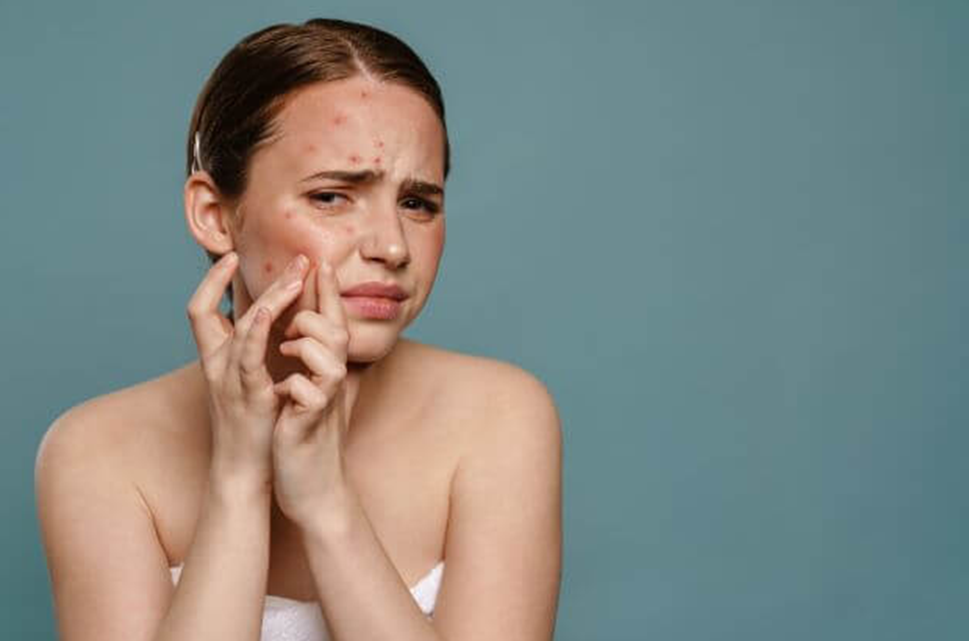
Pimples are frustrating. They appear at the worst times. Many people wonder, “Is it okay to pop pimples?” The answer is complicated. Let’s explore this in detail.
Why Do Pimples Form?
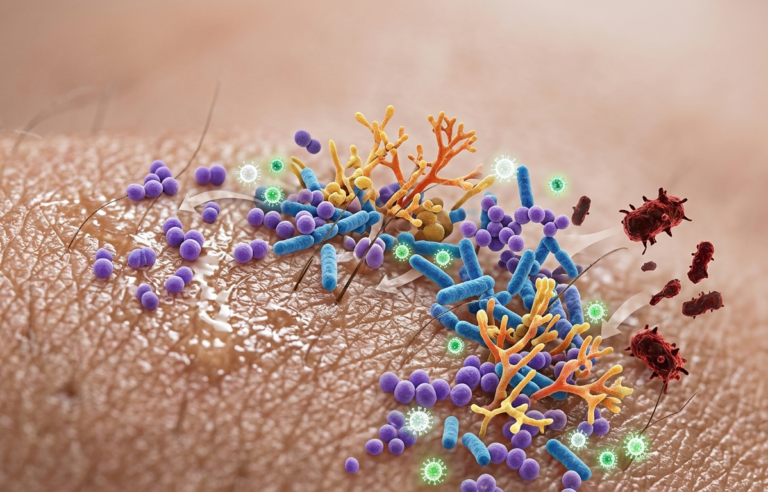
Pimples appear when pores clog. This is caused by an overabundance of oil, dead skin cells, and bacteria. Hormonal changes, stress, and food can also cause breakouts.
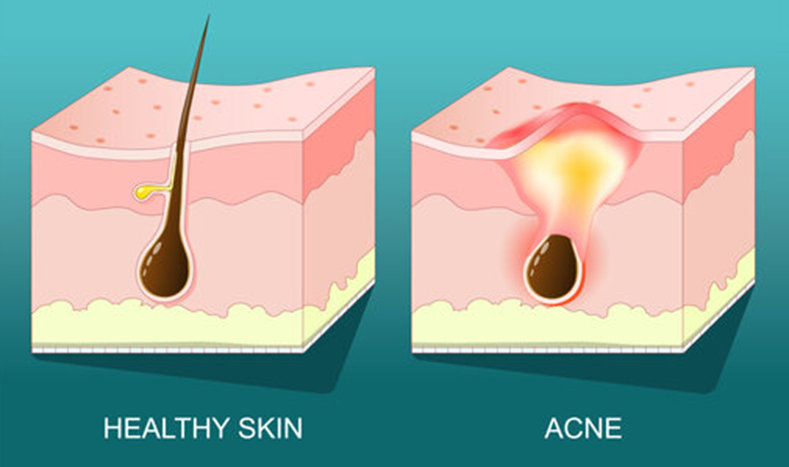
Understanding why pimples form aids with basic skincare. Proper skincare habits lessen the likelihood of breakouts.
Why Is Popping Pimples Tempting?
Popping pimples gives instant relief. It makes the bump disappear temporarily. People think it speeds up healing.However, this is misleading. Popping pimples can worsen the problem. It damages the skin barrier.
Is It Okay to Pop Pimples?
No, dermatologists advise against popping pimples. It causes more harm than good. When you pop pimples, bacteria spread. This increases inflammation and infection. It can lead to more breakouts.
Risks of Popping Pimples
- Scarring and Dark Spots
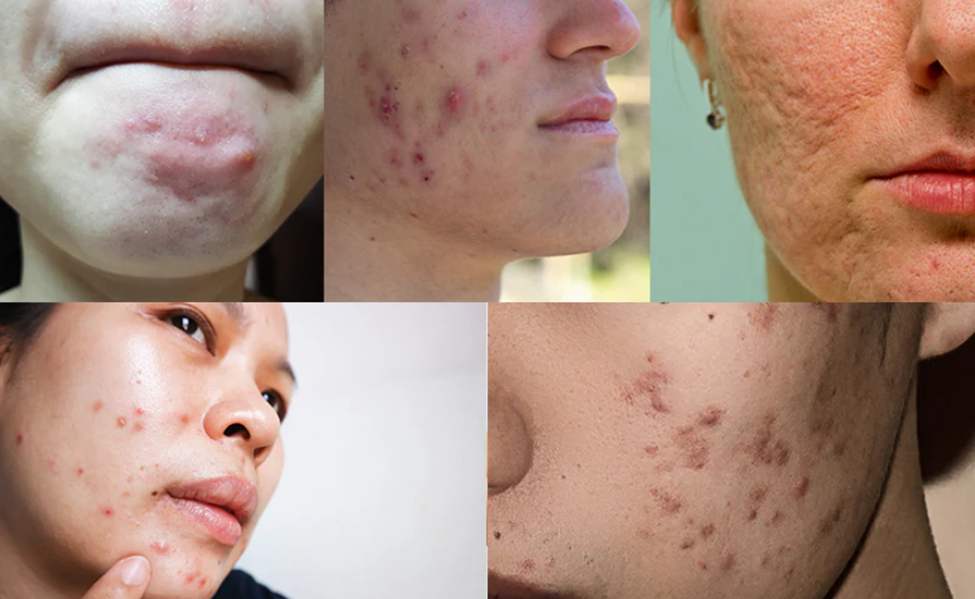
Popping pimples damages the skin. It disrupts the healing process. This leads to scars and post-inflammatory hyperpigmentation. These marks can last for months or even years. Proper basic skincare can’t fully erase them. - Infection
Dirty hands introduce bacteria to open pores. This leads to infections. The pimple becomes red, swollen, and painful. Severe infections can form cysts or nodules. These require medical treatment. - Delayed Healing
Popping pimples interferes with the natural healing process. It propels bacteria and debris deeper into the skin. This increases inflammation and prolongs the recuperation period. - Spread of Acne
When you pop pimples, pus and bacteria spread. This can cause new pimples nearby. It leads to a cycle of breakouts that is hard to control.
Are All Pimples the Same?
No, there are different types of pimples. Knowing the type helps with basic skincare and treatment.
- Whiteheads and Blackheads
These are non-inflammatory pimples. They form when pores clog with oil and dead skin cells. Whiteheads are closed bumps, while blackheads are open pores. They don’t cause pain or redness. - Papules and Pustules
These are inflammatory pimples. Papules are red, tender bumps without pus. Pustules are similar but contain pus. These pimples should not be popped. It increases the risk of scarring and infection. - Cysts and Nodules
These are severe forms of acne. They are painful, large, and deep under the skin. Popping cysts or nodules is dangerous. It leads to severe scarring and infection.
When Is It Okay to Pop Pimples?
Dermatologists advise against it. But, if you must, follow safe practices. Only pop whiteheads with a visible pus head. Never pop red, inflamed, or painful pimples.
How to Safely Pop Pimples?
- Wash Your Hands and Face
Clean your hands with antibacterial soap. Wash your face with a gentle cleanser. This reduces bacteria and prevents infection. - Sterilize Tools
Use a sterilized needle or come-done extractor. This reduces the risk of introducing bacteria. - Apply Warm Compress
Apply a warm, damp cloth to the pimple. This softens the skin and opens pores. - Pop Gently
Gently prick the pimple’s tip with the needle. Apply gentle pressure around the pimple. If nothing comes out easily, stop. Forcing it causes damage. - Disinfect and Protect
Clean the area with an antiseptic solution. Apply a soothing, anti-inflammatory ointment.
What to Do After Popping Pimples?
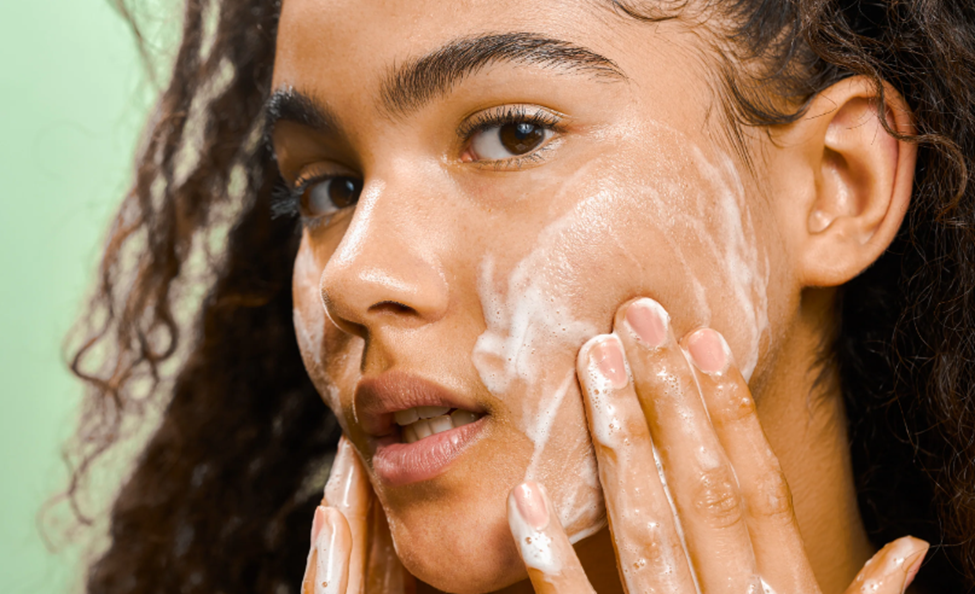
Practice good basic skincare. Cleanse the area gently. Apply a healing moisturizer.
Use sunscreen daily to prevent dark spots. Avoid harsh products that irritate the skin.
What Are Better Alternatives to Popping Pimples?
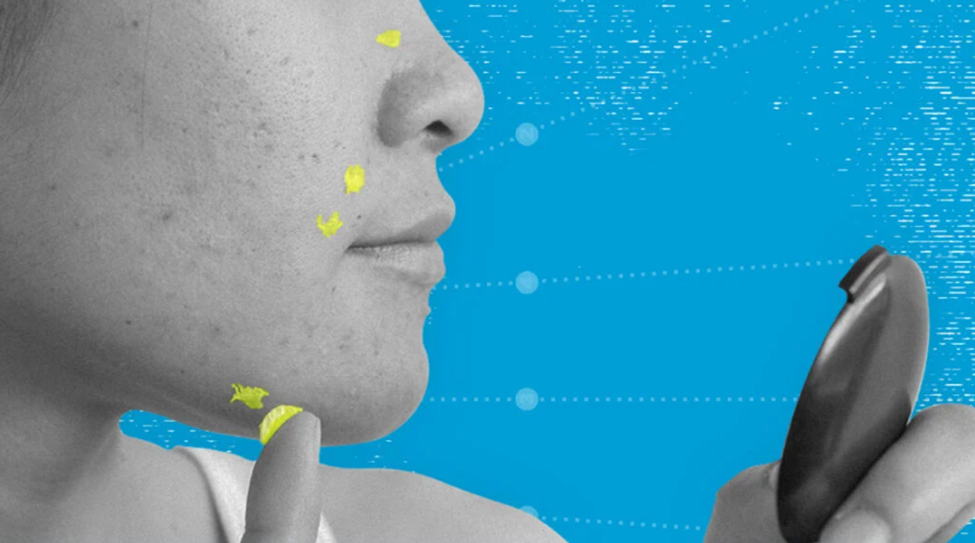
- Spot Treatments
Use over-the-counter spot treatments. Ingredients like benzoyl peroxide and salicylic acid help. They reduce inflammation and kill acne-causing bacteria. - Pimple Patches
Hydrocolloid pimple patches absorb pus and protect the pimple. They prevent picking and speed up healing. - Topical Treatments
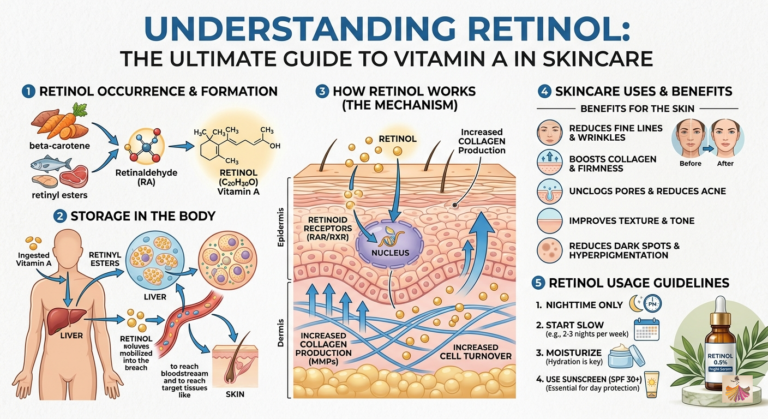
Retinoids and acne creams unclog pores and reduce inflammation. - Professional Extraction
Visit a dermatologist for safe extraction. They use sterile tools and techniques.
How to Prevent Pimples?
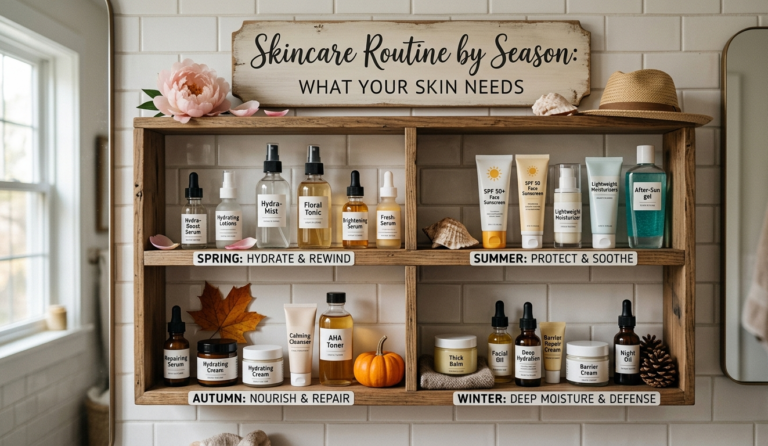
Basic skincare plays a key role in preventing pimples.
- Cleanse Daily
Wash your face twice daily with a gentle cleanser. This removes excess oil, dirt, and bacteria. - Exfoliate Regularly
Exfoliate once or twice a week. It removes dead skin cells and unclogs pores. Choose chemical exfoliants like salicylic acid for acne-prone skin. - Moisturize
Hydrate your skin with non-comedogenic moisturizers. This maintains the skin barrier and prevents excess oil production. - Use Sunscreen
Apply broad-spectrum sunscreen daily. This prevents dark spots and hyperpigmentation. - Avoid Touching Your Face
Touching transfers bacteria and dirt. This clogs pores and causes pimples. - Healthy Lifestyle
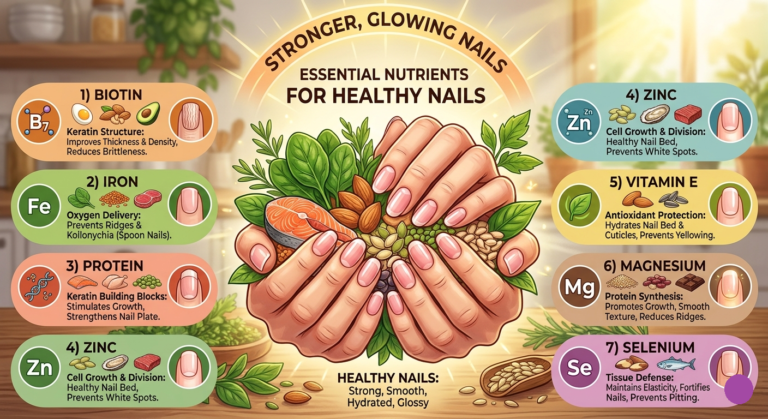
Maintain a balanced diet, drink water, and manage stress.
Can Popping Pimples Ever Be Good?
No, it doesn’t benefit the skin. It only gives temporary satisfaction. The risks outweigh the benefits. Practicing good basic skincare is a better option.
When to See a Dermatologist?
If you have severe acne, see a dermatologist. This includes cysts, nodules, and chronic outbreaks. They offer professional treatments including as chemical peels, laser therapy, and prescription drugs.
Final Suggestion
Is it OK to pop pimples? No, this is not encouraged. Scarring, infection, and delayed healing are all significant hazards. Popping pimples spreads bacteria, resulting in further breakouts. A more effective strategy is to practice good fundamental skincare. Spot treatments, pimple patches, and professional aid can all help with safe recovery. Maintain a consistent skincare routine to avoid pimples. Cleanse, moisturize, and protect your skin every day. Avoid the temptation to pop pimples. Invest in long-term skin health. Practice patience and proper skincare.
FAQ’s
Is it okay to pop pimples occasionally?
Occasionally popping a fully matured pimple (with a visible whitehead) may seem harmless, but dermatologists generally discourage it because even one improper extraction can introduce bacteria, delay healing, and increase the risk of marks or scars. It’s safer to let pimples heal naturally or use targeted treatments.
Why shouldn’t I pop pimples?
Popping pimples can push bacteria, oil, and debris deeper into the skin, worsening inflammation and prolonging healing. It also disrupts the skin barrier, increasing the chances of infection, post-inflammatory hyperpigmentation, and long-term scarring.
Can popping pimples cause permanent scars?
Yes, especially if the pimple is deep, inflamed, or repeatedly picked at, as this damages collagen in the skin. This can lead to permanent scars like ice-pick or boxcar scars, which are much harder to treat than the original acne.
Are there any safe ways to pop pimples?
If absolutely necessary, only extract pimples that have a clear whitehead by using clean hands or sterile tools, applying gentle pressure without forcing. Dermatologists recommend professional extraction instead, as improper technique at home can easily worsen the condition.
What should I do after popping a pimple?
After extraction, cleanse the area gently, apply an antibacterial or soothing treatment like benzoyl peroxide or a calming gel, and avoid touching it. Keeping the area hydrated and protected helps reduce inflammation and speeds up healing.
FAQ’s
Can popping pimples make acne worse?
Yes, popping can spread bacteria to nearby pores and trigger more breakouts, especially if done frequently or aggressively. It also increases inflammation, which can make existing acne lesions larger and more painful.
Are pimple patches better than popping?
Yes, hydrocolloid pimple patches are generally safer because they absorb excess fluid, protect the lesion from bacteria, and prevent picking. They promote faster healing while reducing the risk of scarring and infection.
Can I pop a cyst or nodule?
No, cysts and nodules form deep under the skin and should never be popped, as this can cause severe inflammation, infection, and permanent scarring. These types of acne usually require medical treatments like injections or prescription medications.
Do pimple scars fade over time?
Some superficial marks, like post-inflammatory hyperpigmentation, can fade gradually over weeks to months, especially with proper skincare and sun protection. However, deeper scars often persist and may require treatments like chemical peels, microneedling, or laser therapy.
What’s the best way to treat pimples without popping?
The best approach is to use evidence-based treatments like salicylic acid, benzoyl peroxide, or retinoids to reduce inflammation and unclog pores. Maintaining a consistent skincare routine, avoiding picking, and protecting the skin barrier helps pimples heal faster and prevents new breakouts.