Health Benefits of Spirulina: Everything You Need to Know About Its Wellness Benefits in 2026
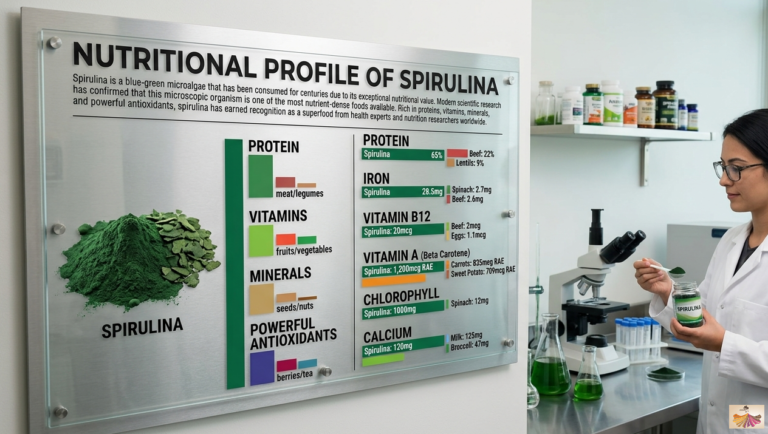
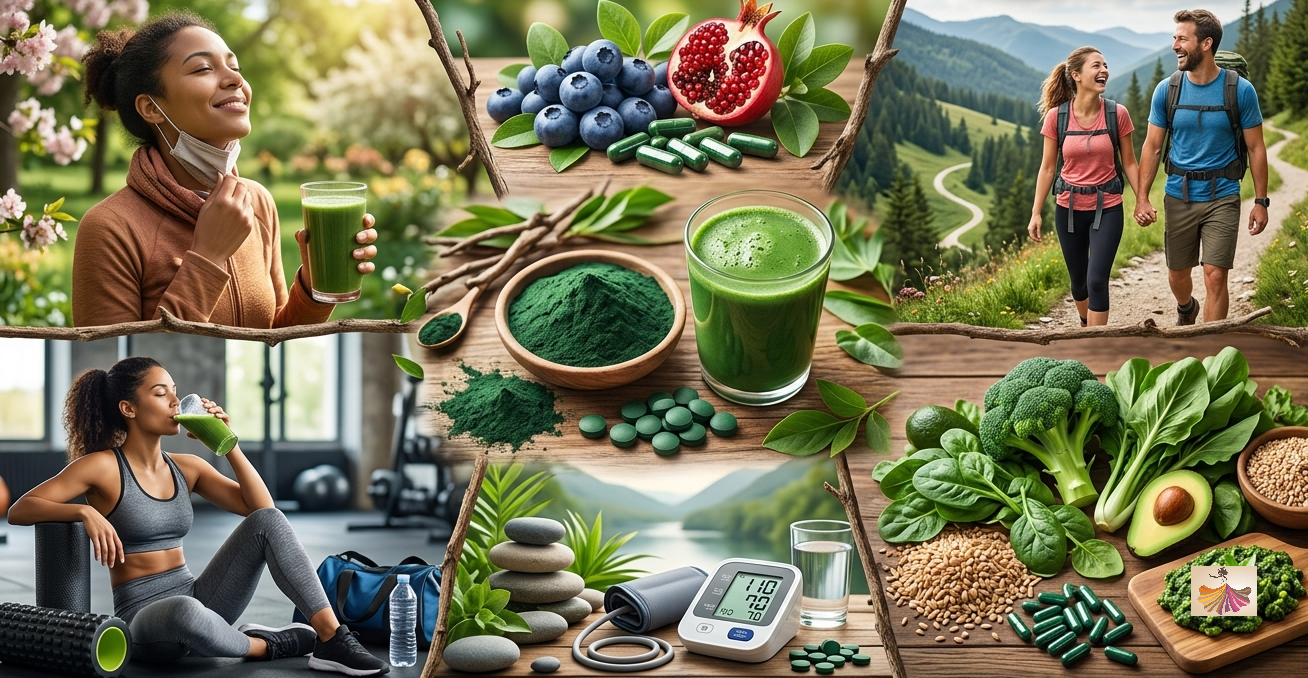
The health benefits of spirulina attract scientists and nutrition experts worldwide. Spirulina is a blue green microalga. It grows in alkaline lakes. People consumed it for centuries. Today it appears in powders and capsules. Researchers study its nutrient density carefully. Spirulina contains protein, iron, carotenoids, and phycocyanin. It also contains essential amino acids and minerals. These compounds may support many body systems. Recent studies suggest benefits for immunity and metabolism. Other studies show effects on blood pressure and recovery. However, spirulina should complement a healthy lifestyle. It should never replace medical treatment.
The Science behind Health Benefits of Spirulina
Researchers continue exploring the health benefits of spirulina because of its rich nutritional profile. Spirulina contains nearly sixty percent protein by weight. It also provides iron and magnesium. Its blue pigment is called phycocyanin. This compound shows strong antioxidant activity. Spirulina also contains beta carotene and chlorophyll. These compounds help neutralize free radicals. Scientists believe these nutrients explain many benefits. Research also shows anti-inflammatory actions. Several studies found improved metabolic markers. Some trials reported better cholesterol values. Other studies showed lower blood pressure readings. Researchers continue studying its long term effects. Current evidence remains promising and encouraging.
Support Immune Health
Many people choose spirulina for immune support because the health benefits of spirulina may include improved immune regulation. The immune system protects against harmful organisms. Nutrition plays a major role here. Spirulina contains compounds supporting immune responses. Phycocyanin may stimulate protective immune cells. Some studies found increased antibody production. Other studies observed improved natural killer activity. These cells help fight infections and abnormal cells.
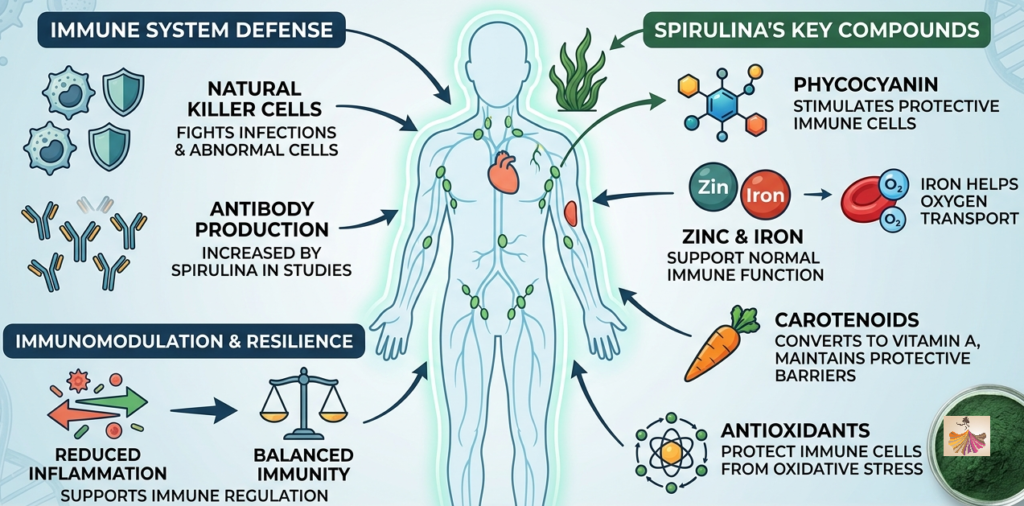
Spirulina also contains zinc and iron. These minerals support normal immune function. Iron helps transport oxygen to tissues. Healthy oxygen delivery supports immune performance. Carotenoids in spirulina also support immunity. Beta carotene converts into vitamin A. Vitamin A helps maintain protective barriers. These barriers include the skin and mucous membranes.
Researchers also examined inflammatory markers. Several studies reported reduced inflammatory compounds. Lower inflammation may support balanced immunity. Chronic inflammation often weakens normal defenses. A balanced immune response remains essential. Overactive responses can also create problems. Spirulina appears to help immune regulation. Researchers describe this effect as immunomodulation.
Some evidence suggests improved resistance to oxidative damage. Oxidative stress can impair immune cells. Antioxidants in spirulina help protect these cells. Better cellular protection may support immune resilience. People seeking nutritional support often choose spirulina because of this profile.
Reduce Oxidative Stress
Oxidative stress develops from unstable molecules. These molecules are called free radicals. They damage proteins and cell membranes. They may also damage genetic material. Excess oxidative stress contributes to aging. It also contributes to chronic diseases.
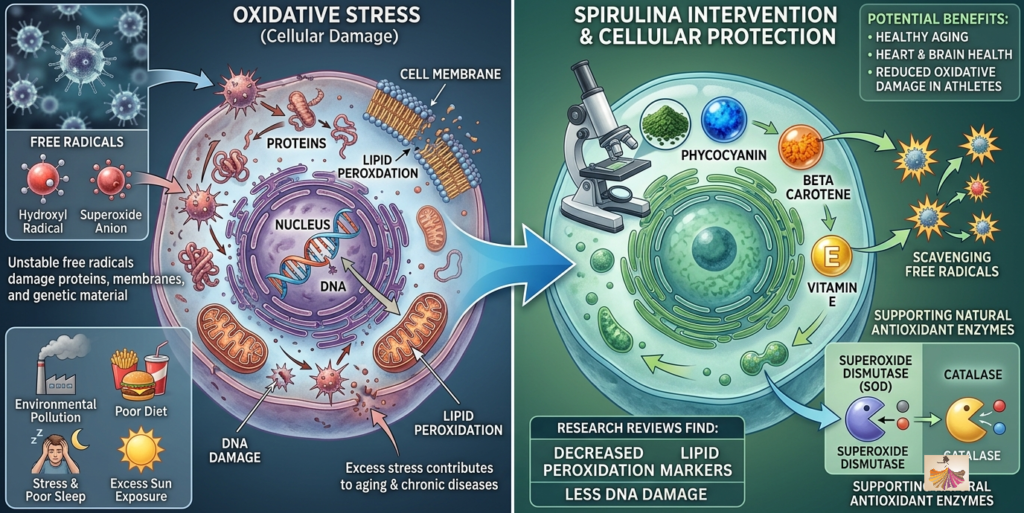
Spirulina contains powerful antioxidant compounds. Phycocyanin is the most studied compound. Researchers found that phycocyanin scavenges free radicals. It also supports natural antioxidant enzymes. These enzymes include superoxide dismutase and catalase. These enzymes protect cells from damage.
Spirulina also contains beta carotene and vitamin E. These nutrients help reduce oxidation. Lower oxidative stress may support healthy aging. It may also support heart and brain health. Athletes may also benefit from reduced oxidative damage.
Research reviews found decreased lipid peroxidation markers. Lipid peroxidation damages cell membranes. Reduced damage means better cellular protection. Some studies also reported less DNA damage. These findings highlight spirulina’s antioxidant potential.
Environmental pollution increases oxidative stress exposure. Poor sleep and unhealthy diets also contribute. Antioxidant rich foods become increasingly important. Spirulina offers concentrated antioxidant compounds. For this reason many researchers continue studying it.
Support Heart Health
Current research suggests that the health benefits of spirulina may extend to cholesterol balance and cardiovascular wellness. Heart disease remains a major global concern. Nutrition strongly affects cardiovascular health. Spirulina may support several heart risk factors. Research has shown improvements in blood lipids. Some studies found lower triglyceride levels. Other studies found lower LDL cholesterol levels. Several studies reported higher HDL cholesterol values.
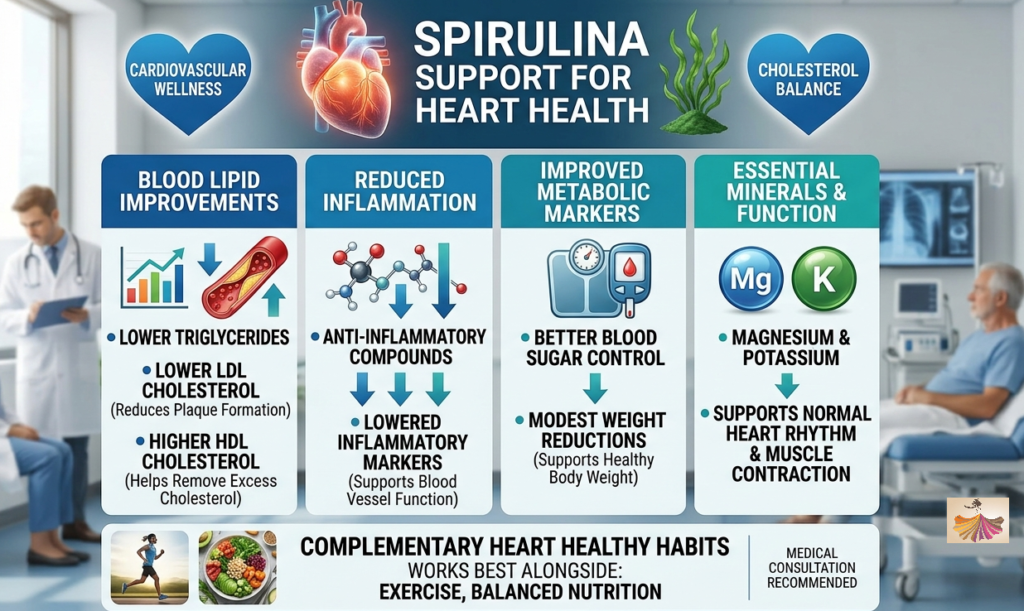
Cholesterol balance affects blood vessel health. Elevated LDL contributes to plaque formation. Higher HDL helps remove excess cholesterol. Improving these markers may support cardiovascular wellness. Inflammation also affects heart function. Spirulina contains anti-inflammatory compounds. Several trials found reduced inflammatory markers. Lower inflammation may support blood vessel function.
Researchers also observed improved metabolic markers. Better blood sugar control supports cardiovascular health. Healthy body weight also protects the heart. Some studies reported modest weight reductions. Even small improvements can matter. Spirulina also provides magnesium and potassium. These minerals support normal heart rhythm. They also support healthy muscle contraction. The heart depends on these functions daily.
Current evidence suggests spirulina may complement heart healthy habits. It works best alongside exercise and balanced nutrition. People should still follow medical advice. Supplements cannot replace prescribed treatment.
Help Exercise Recovery
Exercise creates temporary muscle stress. Intense activity increases free radical production. Muscle fibers also experience microscopic damage. Recovery determines future performance and adaptation. Spirulina may help this recovery process. Its antioxidants may reduce exercise related damage. Some studies reported lower muscle damage markers. Others found better endurance performance.

Protein also plays a recovery role. Spirulina provides plant based protein. Protein supports muscle repair after exercise. Amino acids help rebuild damaged tissues. Iron in spirulina may also help athletes. Iron supports oxygen transport through hemoglobin. Better oxygen delivery may support endurance. Low iron often reduces performance capacity. Research also suggests reduced exercise induced inflammation. Lower inflammation may decrease soreness. This may help people return to training sooner. Recovery quality affects long term progress.
Spirulina also contains gamma linolenic acid. This fatty acid may support recovery processes. The combination of nutrients makes spirulina unique. Many athletes now include it in nutrition plans. However, supplements cannot replace adequate sleep. Hydration and balanced meals remain essential. Recovery always depends on several factors.
Support Healthy Blood Pressure
Healthy blood pressure protects blood vessels and organs. High blood pressure increases cardiovascular risk. Researchers studied spirulina for this purpose. Several clinical studies found lower systolic pressure readings. Other studies found lower diastolic pressure values. Some reviews reported reductions exceeding four millimeters. These changes may appear small. Yet small changes can reduce disease risk.
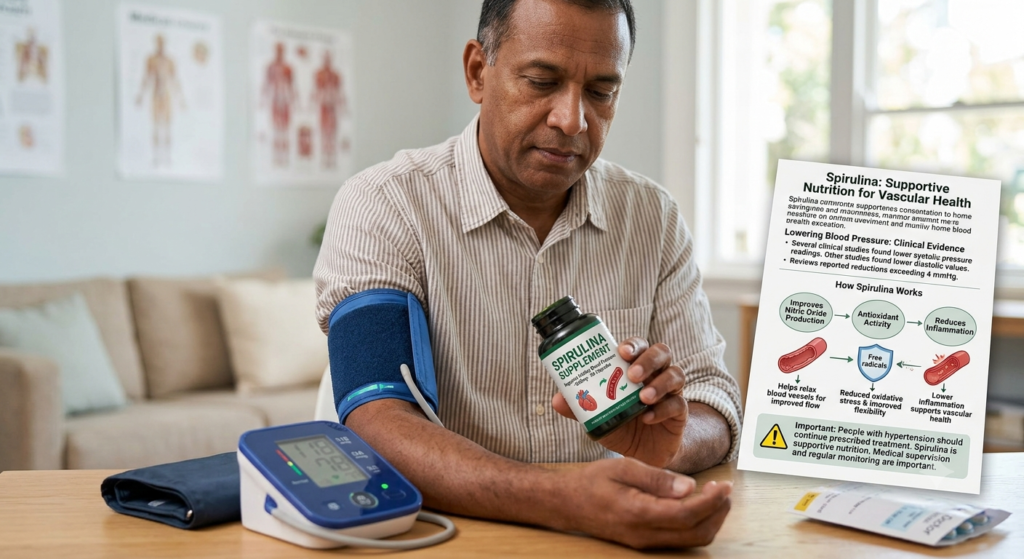
Scientists propose several explanations. Spirulina may improve nitric oxide production. Nitric oxide helps relax blood vessels. Relaxed vessels improve blood flow. Better blood flow supports healthy pressure levels. Its antioxidant activity may also help. Oxidative stress can impair vessel function. Reduced oxidative stress may improve flexibility. Better flexibility supports normal circulation.
Spirulina may also reduce inflammation. Inflammation contributes to vessel stiffness. Lower inflammation may support vascular health. People with hypertension should continue prescribed treatment. Spirulina may serve as supportive nutrition. Medical supervision remains important. Blood pressure should be monitored regularly.
Support Blood Sugar Management
Scientists continue studying the health benefits of spirulina for blood sugar control and metabolic health. Blood sugar regulation affects overall health. Poor control can damage many organs. Researchers increasingly study spirulina in this area. Several clinical trials showed lower fasting glucose values. Other studies reported improved insulin sensitivity. Some studies found lower insulin resistance markers. These findings appear encouraging.
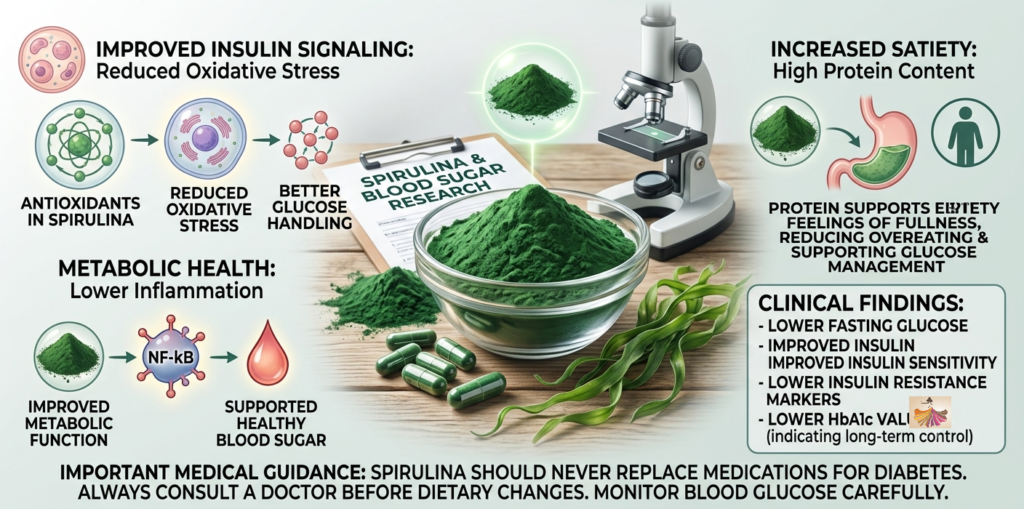
Scientists believe antioxidants play a role. Oxidative stress affects insulin signaling. Reduced oxidative stress may improve glucose handling. Spirulina may also reduce inflammation. Chronic inflammation often worsens metabolic health. Better metabolic function supports healthy blood sugar control. Protein in spirulina may also help. Protein supports feelings of fullness. Better satiety may reduce overeating. Healthy eating patterns support glucose management.
Some studies also noted lower HbA1c values. HbA1c reflects long term blood sugar control. Improved values may indicate better management. However, people with diabetes need medical guidance. Spirulina should never replace medications. Blood glucose should remain carefully monitored. Dietary changes require professional advice.
Choosing Spirulina Safely in 2026
Product quality matters greatly. Spirulina can absorb environmental contaminants. Poor quality products may contain toxins. Consumers should choose tested products. Look for third party certification. Reputable brands often publish testing results. Products should be free from heavy metals. They should also be free from microbial contamination.
Typical supplemental amounts range between one and ten grams. People should begin with smaller amounts. This approach helps assess tolerance. Pregnant women should seek medical advice first. People with autoimmune disorders also need guidance. Individuals taking blood thinning medications should consult physicians. Professional advice helps prevent unwanted interactions.
Conclusion
The health benefits of spirulina remain an exciting research topic. Current evidence suggests support for immunity and recovery. Research also suggests benefits for oxidative stress. Improvements in blood pressure and blood sugar appear promising. Heart health may also benefit from regular intake. Spirulina offers a unique nutritional profile. Its antioxidants and minerals support many functions. Yet it works best within healthy lifestyles. Balanced nutrition and medical guidance remain essential.