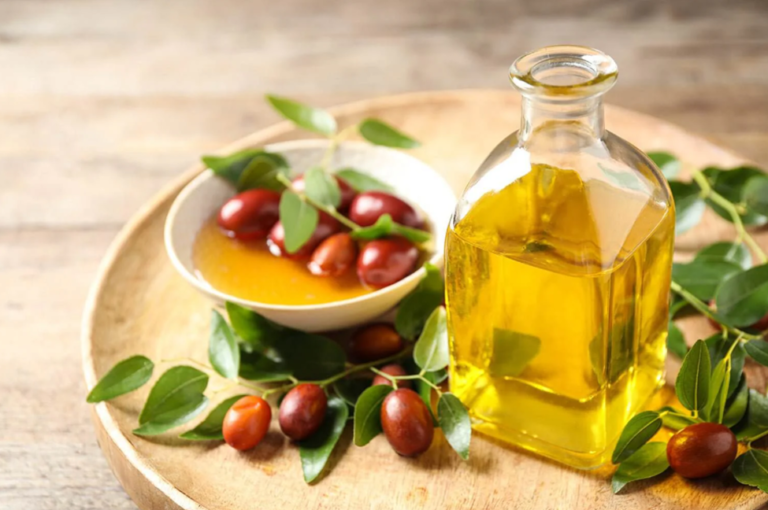
Jojoba Oil in Makeup: The Best Tips for Seamless Application
Jojoba oil is a natural, versatile beauty ingredient. It’s loved for its hydrating, soothing, and skin-balancing properties. Unlike many other oils, jojoba oil closely resembles the skin’s natural sebum. This makes it highly compatible with all skin types. Incorporating it into your makeup routine is simple. Here’s how you can use it effectively.
Use Jojoba Oil as a Primer
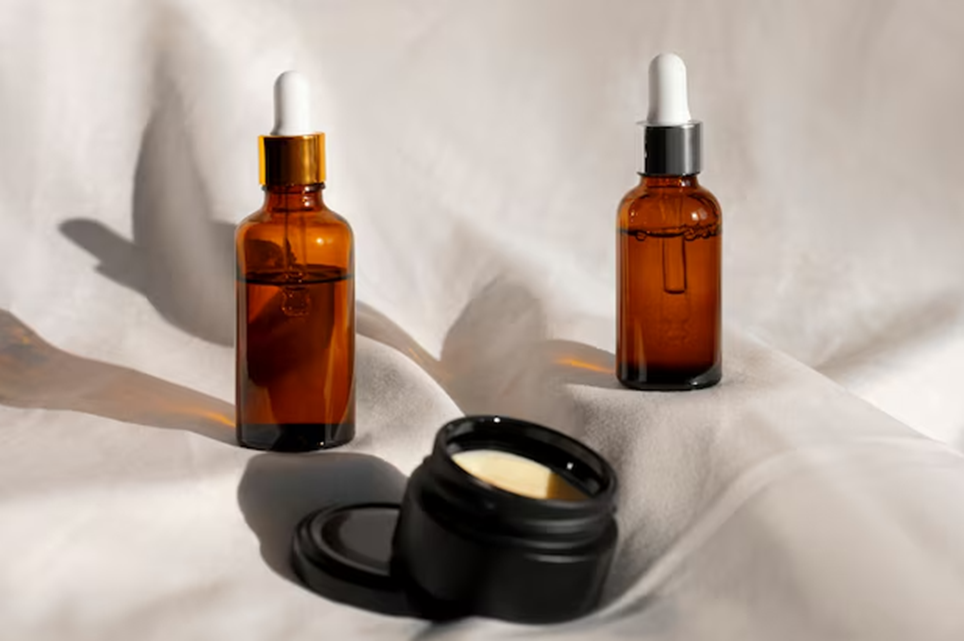
Jojoba-oil works well as a natural primer. Use a few drops on clean, dry skin. Gently rub it in with your fingertips. Allow it to fully absorb before adding makeup. It forms a smooth, moist base. Your foundation will glide on easily and last longer.
Jojoba oil creates a breathable barrier on the skin. It helps to lock in moisture without clogging pores. This is especially helpful in dry or cold weather conditions. It also reduces the appearance of fine lines before makeup application. This makes it ideal for mature skin.
Modern skincare trends favor lightweight, skin-friendly primers. Jojoba oil fits perfectly into this routine. It avoids silicones that some users prefer to skip. It also supports the skin barrier, which is essential for long-term skin health.
Mix Jojoba-Oil with Foundation
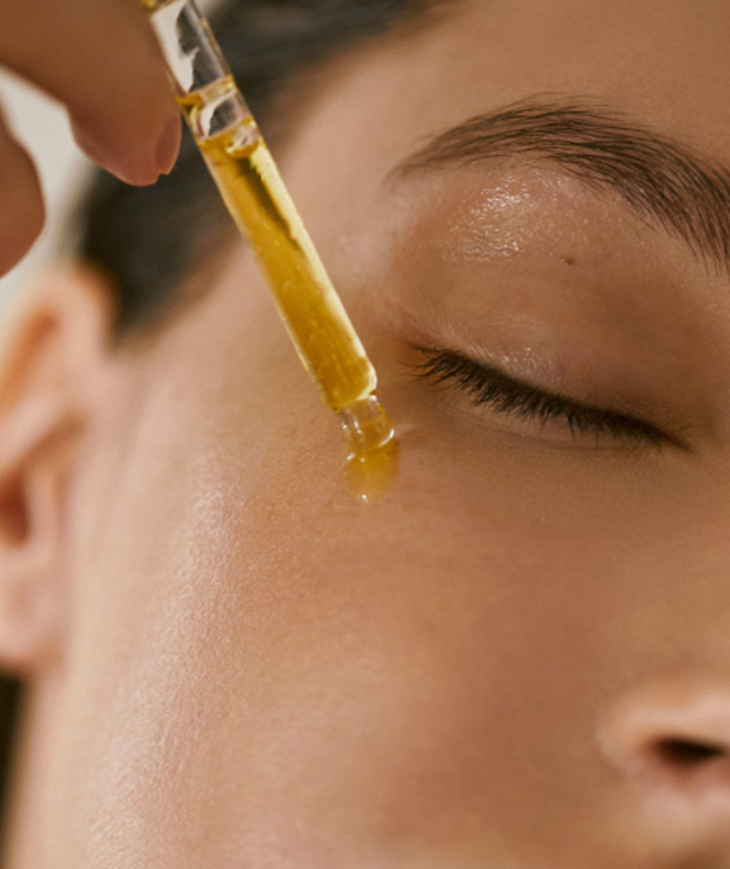
Combine jojoba-oil with your foundation for a radiant look. Add one or two drops to your liquid foundation. Mix it on the back of your hand or a palette. Apply as usual with a brush, sponge, or fingers. This method gives a dewy, natural finish. It’s perfect for dry or dull skin days.
This technique improves blendability. It prevents foundation from looking cakey or patchy. It is especially useful for matte or full-coverage foundations. The oil softens the formula and makes it more skin-like.
Jojoba oil also helps maintain hydration throughout the day. It reduces flaking and uneven texture. Many makeup artists now use this method for achieving “glass skin” or luminous looks.
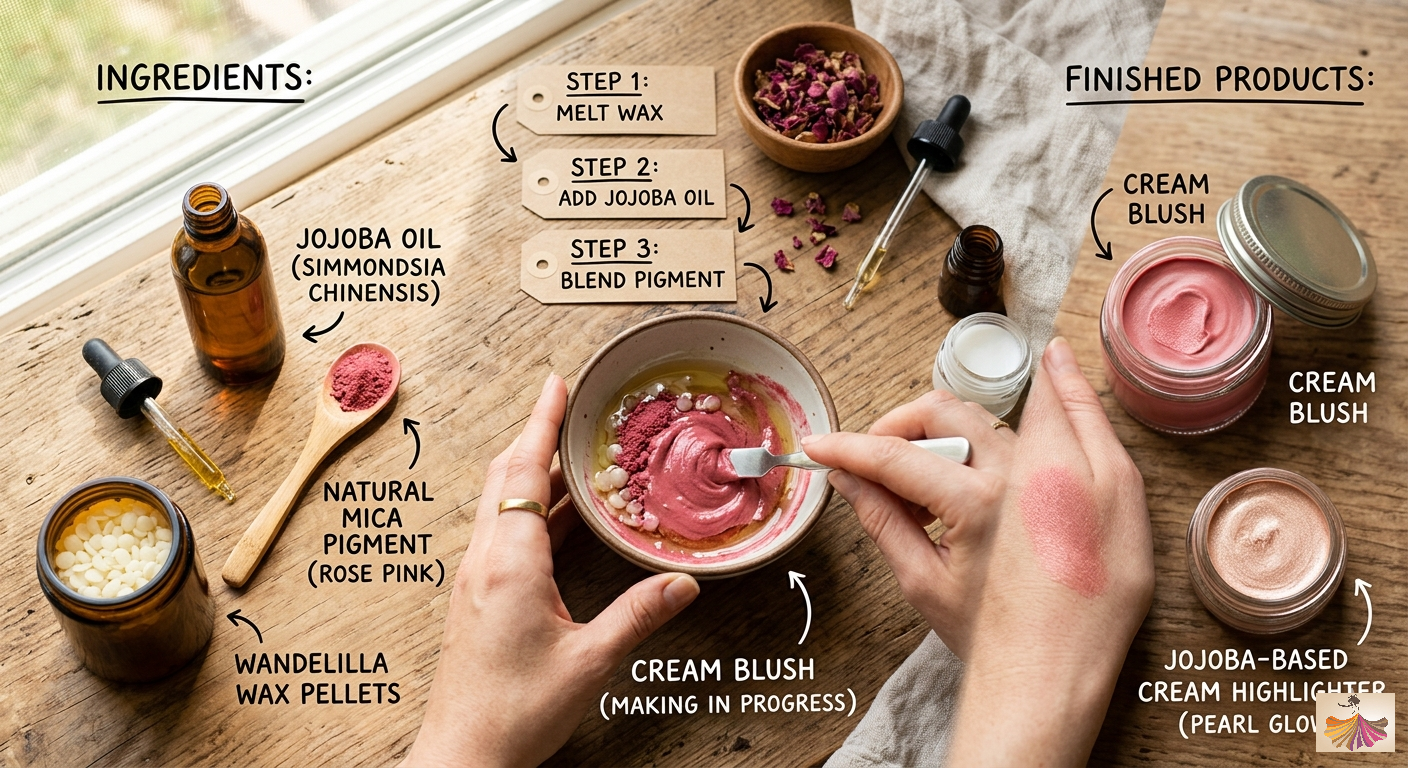
Use It to Create Cream, Blush or Highlighter
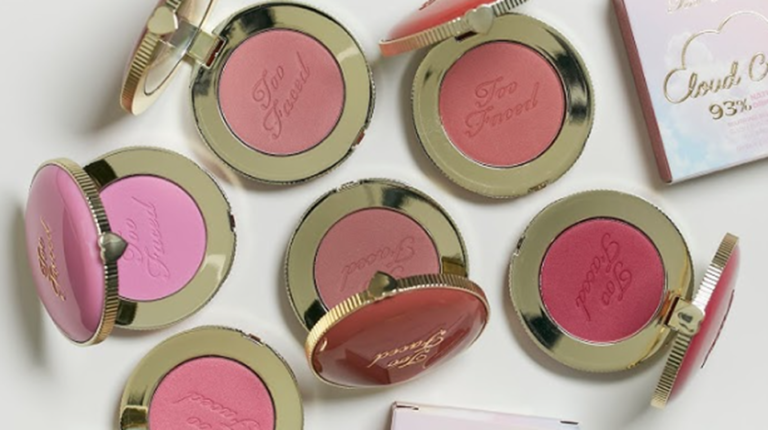
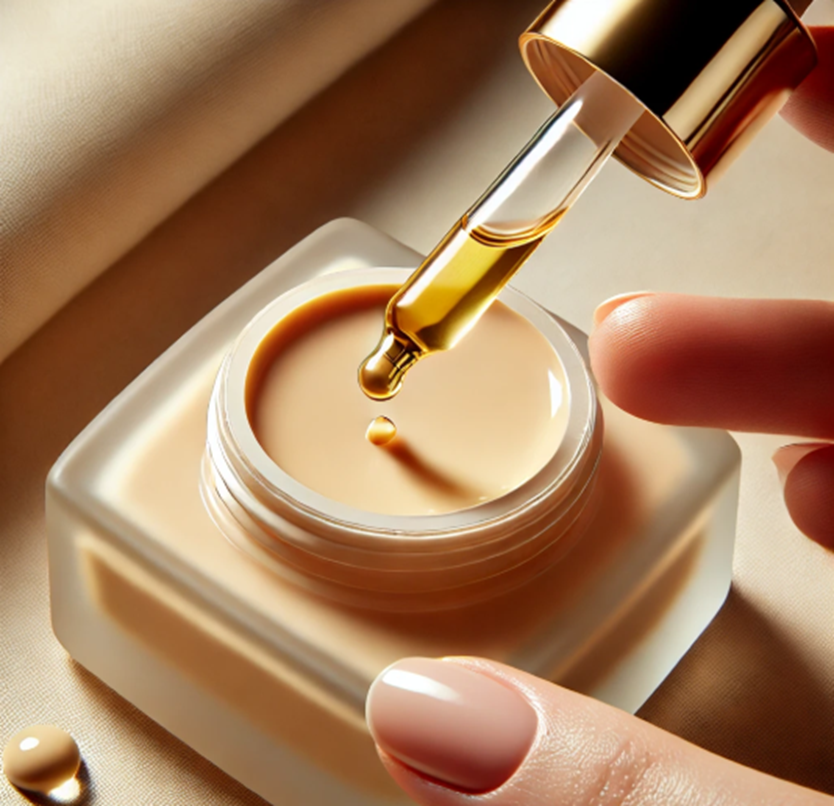
Turn powder products into creamy formulas using jojoba-oil. Mix a small amount of oil with your favorite blush or highlighter powder. Apply it to your cheeks or high points of the face. This technique gives a natural, glowing finish.
Cream-based products are trending in modern makeup routines. They melt into the skin better than powders. Jojoba oil helps powders blend seamlessly without emphasizing texture. This method also allows customization. You can control the intensity and finish. It works well for achieving a soft, skin-like glow instead of a heavy shimmer.
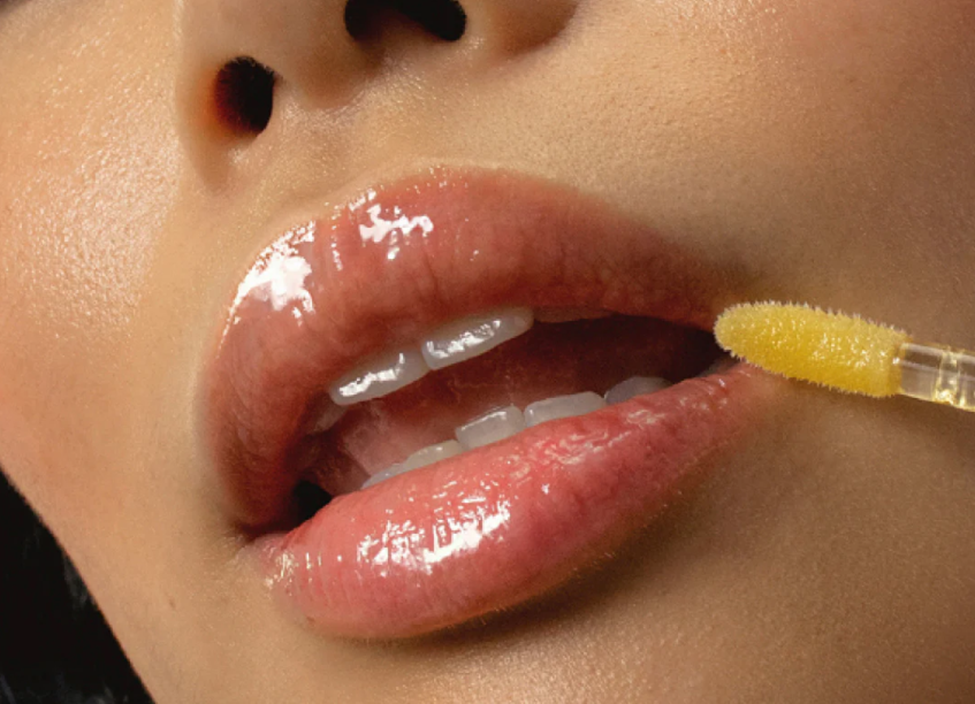
Hydrate Your Lips Before Lipstick
Jojoba-oil is an excellent lip moisturizer. Apply a drop to your lips before lipstick. It smooths out cracks and dryness. This ensures an even application of lip color. It also prevents matte lipsticks from feeling too drying. Jojoba oil contains vitamin E and antioxidants. These help repair dry, chapped lips over time. It also improves lip texture with regular use. This makes lip color appear smoother and more vibrant. Using jojoba oil regularly can reduce lip pigmentation caused by dryness. It keeps lips soft and naturally healthy.
Revive Dried-Out Makeup Products
Jojoba-oil can rescue dried-out makeup items. Add a drop to dried cream blushes, gel eyeliners, or mascaras. Mix well to restore their texture. Avoid adding too much to prevent altering the formula. This trick extends the life of your makeup products. It is both cost-effective and sustainable. However, hygiene is important. Always use clean tools when mixing. It is best suited for cream-based products. Avoid using it in powder formulas stored in pans, as it may damage them.
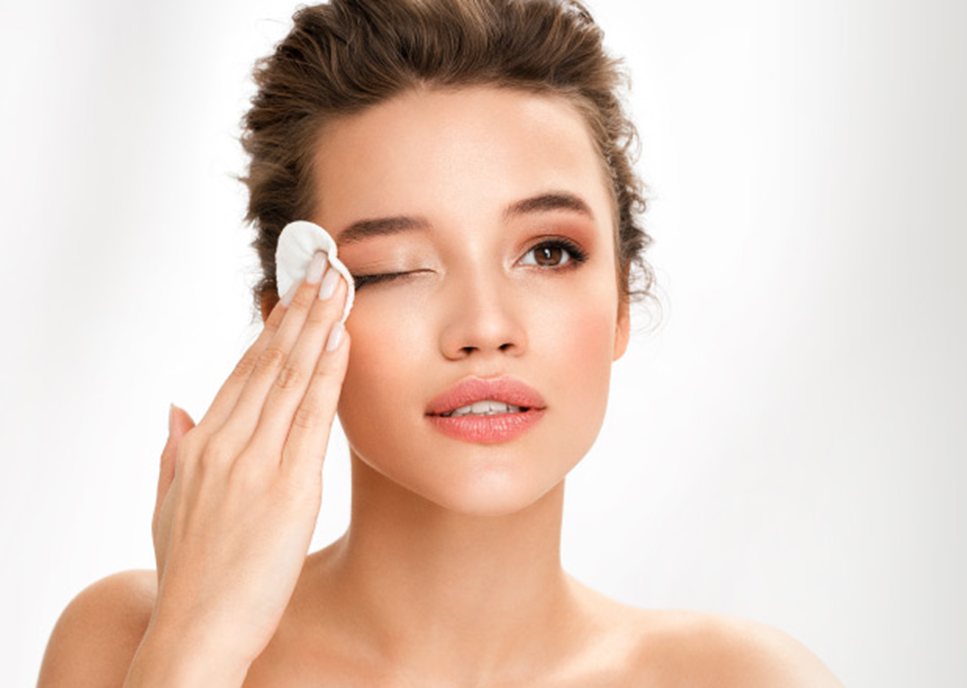
Use It as a Makeup Remover
Jojoba-oil is a mild yet efficient makeup remover. Apply a few drops on your face or a cotton pad. To dissolve makeup, massage it into your skin. Rinse with warm water or remove with a wet cloth. It removes even waterproof makeup without requiring severe rubbing. Oil cleansing is a popular skincare method today. Jojoba oil dissolves excess oil, sunscreen, and makeup gently. It does not strip the skin’s natural barrier. Jojoba oil is suitable for sensitive and acne-prone skin. It helps maintain balance instead of causing dryness. Follow with a gentle cleanser for a double-cleansing routine.
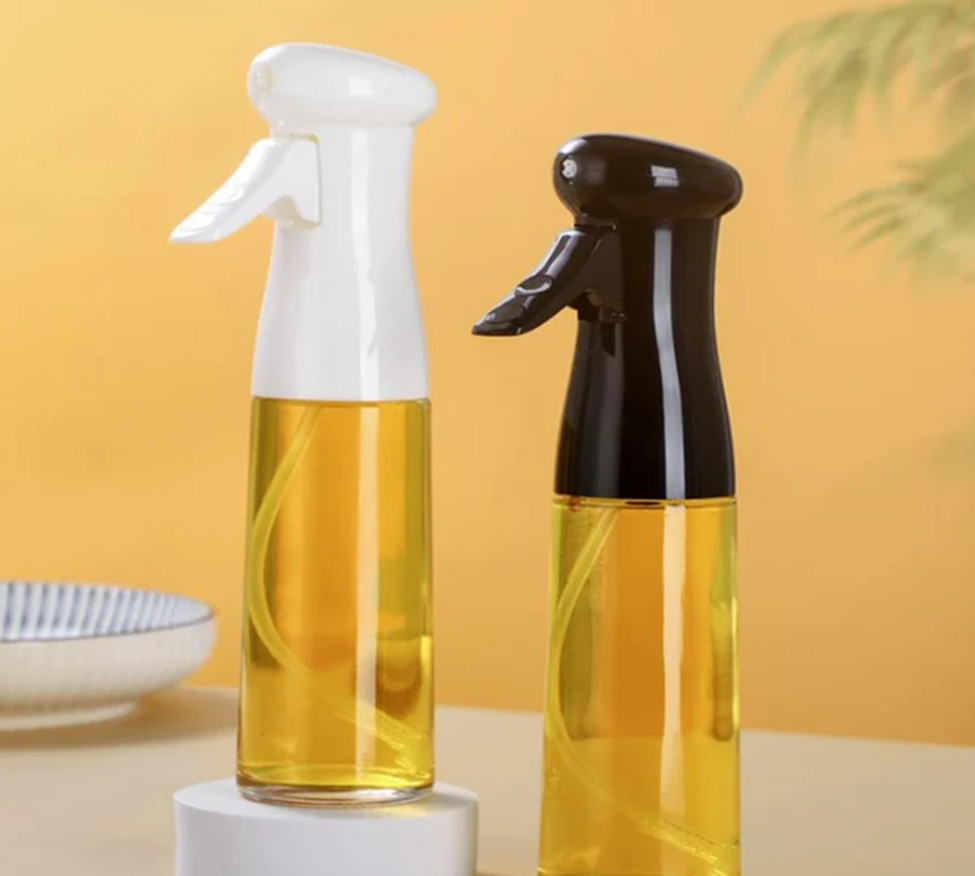
Create a Glowy Setting Spray
Make your own setting spray with jojoba-oil. Mix distilled water, a few drops of jojoba oil, and a little glycerin in a spray bottle. Shake well before each use. Spritz it over your makeup for a fresh, glowing finish. This DIY spray provides hydration throughout the day. It refreshes makeup without disturbing it. It is especially useful in dry climates or air-conditioned environments. Modern beauty trends emphasize skin-like finishes. This spray helps reduce the appearance of powderiness. It also gives a healthy, radiant glow.
Use Jojoba Oil for Touch-Ups
Jojoba-oil is great for midday touch-ups. Dab a small amount onto areas where makeup has caked or settled. It smooths and refreshes your look instantly. Use it sparingly to avoid a greasy appearance. This method works well around the nose and under the eyes. These areas often become dry or creased during the day. A tiny amount of oil can restore smoothness. It is a quick fix without needing to reapply full makeup. This makes it convenient for busy schedules.
Benefits of Jojoba-Oil in Makeup Routines
Jojoba-oil moisturizes and nourishes the skin. It helps makeup wear longer and appear more natural. It is non-comedogenic, meaning it will not clog pores. The oil’s anti-inflammatory effects reduce redness and inflammation. It’s also lightweight and absorbs fast. Jojoba oil also contains essential fatty acids. These support skin repair and elasticity. It helps strengthen the skin barrier over time. This results in healthier-looking skin even without makeup.
It balances oil production. This makes it suitable for both oily and dry skin types. Regular use can reduce breakouts caused by imbalance. It also provides mild antibacterial properties. This can help prevent acne formation. Its soothing nature makes it ideal for irritated or sensitive skin.
Tips for Using Jojoba Oil in Makeup
- For optimal results, use pure, cold-pressed jojoba oil.
- Use tiny amounts to avoid over-application.
- Allow the oil to completely absorb before adding makeup.
- If you have sensitive skin, perform a patch test.
- Store jojoba oil in a cool, dark location.
Choose organic and fragrance-free options for best results. This reduces the risk of irritation. Always check the ingredient list to ensure purity. Layering is important. Apply jojoba oil before heavier products. This helps proper absorption. Avoid mixing with incompatible formulas. Use clean hands or tools when applying. This maintains hygiene and prevents contamination.
Additional Uses of Jojoba Oil in Modern Makeup Routines
- Jojoba oil can be used to groom eyebrows. Apply a tiny amount to keep them in place. It also nourishes hair follicles for healthier growth.
- It works as a natural lash conditioner. Apply carefully to lashes at night. This may improve lash strength over time.
- You can use it to soften cuticles before nail polish. This improves the overall appearance of hands. It also helps nail products apply smoothly.
- Jojoba oil can be used to dilute highly pigmented products. This allows better control during application. It is useful for beginners learning makeup techniques.
Scientific Insights and Skin Compatibility
Jojoba oil is technically a liquid wax ester. This makes it more stable than many plant oils. It has a long shelf life and resists oxidation. Its structure mimics human sebum. This allows it to penetrate the skin easily. It does not sit heavily on the surface.
Dermatologists often recommend it for sensitive skin. It has a low risk of causing allergic reactions. This makes it suitable for daily use. Recent skincare trends focus on barrier repair. Jojoba oil supports this by preventing moisture loss. It helps maintain a healthy skin environment.
Common Mistakes to Avoid
Using too much jojoba oil can make makeup greasy. Always start with a small amount. Build gradually if needed. Do not apply it on unclean skin. This can trap dirt and cause breakouts. Always cleanse before use. Avoid mixing with incompatible products. Some formulas may separate or lose effectiveness. Do not store it in direct sunlight. Heat and light can reduce its quality over time.
Conclusion
Jojoba oil is a versatile addition to any makeup routine. It hydrates, smooths, and enhances your makeup’s performance. From priming to removing makeup, it’s an all-in-one solution. Incorporate jojoba oil and enjoy radiant, healthy skin every day.
FAQ’s
Can I use jojoba oil as a primer?
Yes, jojoba oil can function effectively as a primer due to its unique structure as a liquid wax ester. It closely mimics human sebum, allowing it to form a lightweight, breathable layer on the skin. This layer smooths surface texture and improves foundation adherence without clogging pores.
How do I mix jojoba oil with my foundation?
You can mix one to two drops of jojoba oil with liquid foundation to improve spreadability and finish. Scientifically, jojoba oil acts as an emollient and solvent, helping pigments disperse more evenly on the skin. Its lipid composition enhances blendability and prevents patchiness or oxidation during wear.
Can jojoba oil be used as a makeup remover?
Yes, jojoba oil is highly effective as a makeup remover due to its ability to dissolve lipophilic substances like makeup, sunscreen, and excess sebum. Its chemical similarity to skin oils allows it to bind and lift impurities without disrupting the skin barrier.
Is jojoba oil suitable for oily skin?
Jojoba oil is suitable for oily skin because it is non-comedogenic and structurally similar to natural sebum. This similarity can help regulate oil production by signaling the skin to reduce excess sebum secretion. It is lightweight and does not create an occlusive, greasy layer, making it well tolerated in acne-prone skin.
Can jojoba oil be used to set makeup?
Jojoba oil can be used in small amounts to help “set” makeup by reducing dryness and giving a natural finish rather than a matte hold. It forms a flexible, semi-occlusive barrier that prevents moisture loss and keeps makeup from cracking or separating. However, it does not function like traditional setting sprays that lock makeup in place. Instead, it enhances longevity by maintaining skin hydration and improving product adherence on the surface.