Jojoba Oil and Your Skin Type: The Ultimate Guide
Jojoba oil has become a favorite in skincare. It’s natural, versatile, and highly effective. But is it suitable for all skin types? Let’s explore its benefits and how it works for different skin types.

Benefits of Jojoba-Oil for the Skin
Jojoba-oil offers numerous benefits for the skin:
- It moisturizes without feeling greasy.
- It’s non-comedogenic and won’t clog pores.
- Contains vitamins E and B-complex for skin repair.
- Balances oil production in the skin.
- Soothes inflammation and reduces redness.
Jojoba oil also contains antioxidants that protect against free radicals. These help slow down visible signs of aging. It supports the skin barrier and improves moisture retention. Recent studies highlight its role in reducing transepidermal water loss. This keeps the skin hydrated for longer periods. It also improves skin elasticity over time. The oil strengthens the outer layer of the skin. This leads to smoother and healthier-looking skin. It is widely used in dermatology and cosmetic formulations.
Jojoba-Oil for Dry Skin
Dry skin needs intense hydration. Jojoba-oil provides deep moisture. It forms a protective barrier on the skin. This barrier locks in hydration. The oil also soothes flaky and irritated skin. Regular use makes dry skin softer and more supple.
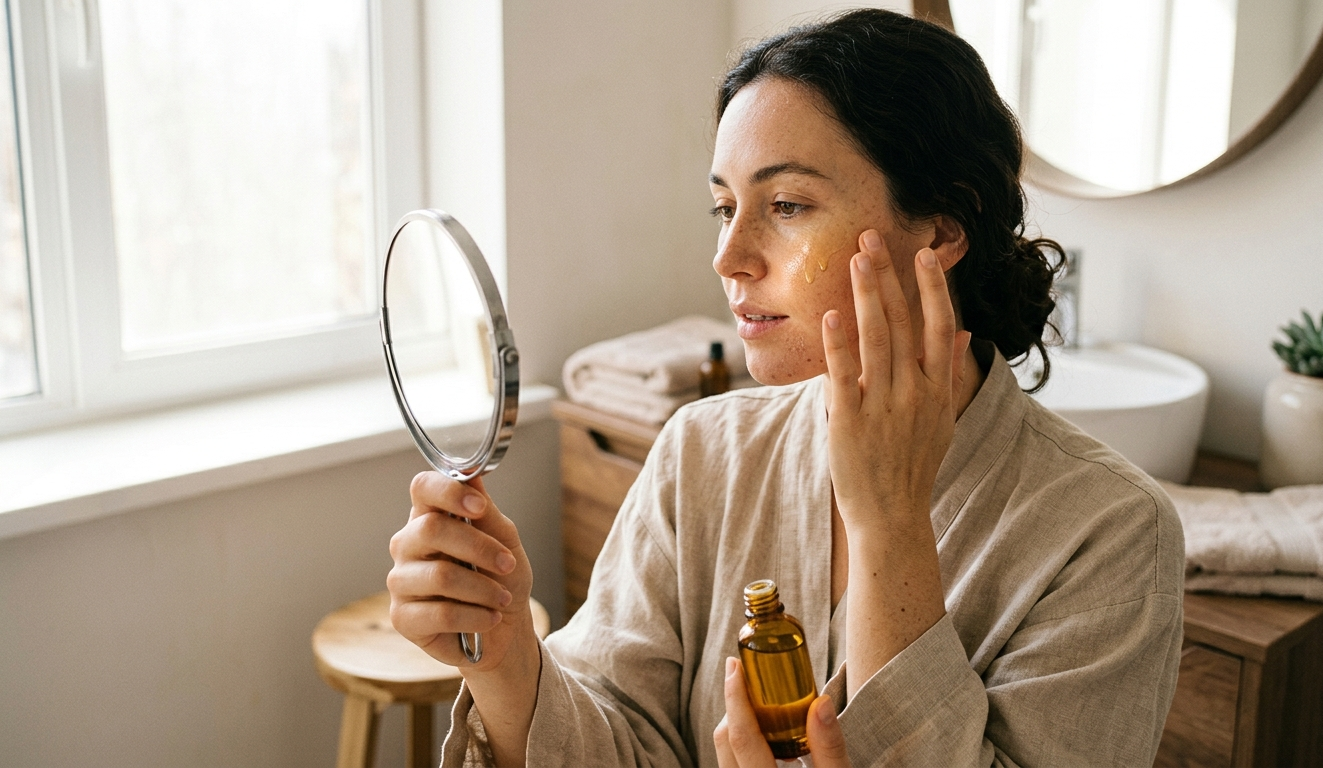
It mimics the skin’s natural lipids. This helps repair damaged skin barriers. It prevents moisture loss caused by environmental factors. Cold weather and low humidity do not affect it much. It is often recommended in winter skincare routines. Jojoba-oil also helps reduce tightness in dry skin. It improves skin texture with consistent use. It works well when applied after cleansing. This seals in moisture effectively.
Jojoba-Oil for Oily Skin
Oily skin can still benefit from jojoba-oil. It’s lightweight and absorbs quickly. Jojoba-oil mimics natural sebum. This signals the skin to produce less oil. Over time, it helps balance excess oil production. It also reduces the greasy shine common in oily skin.
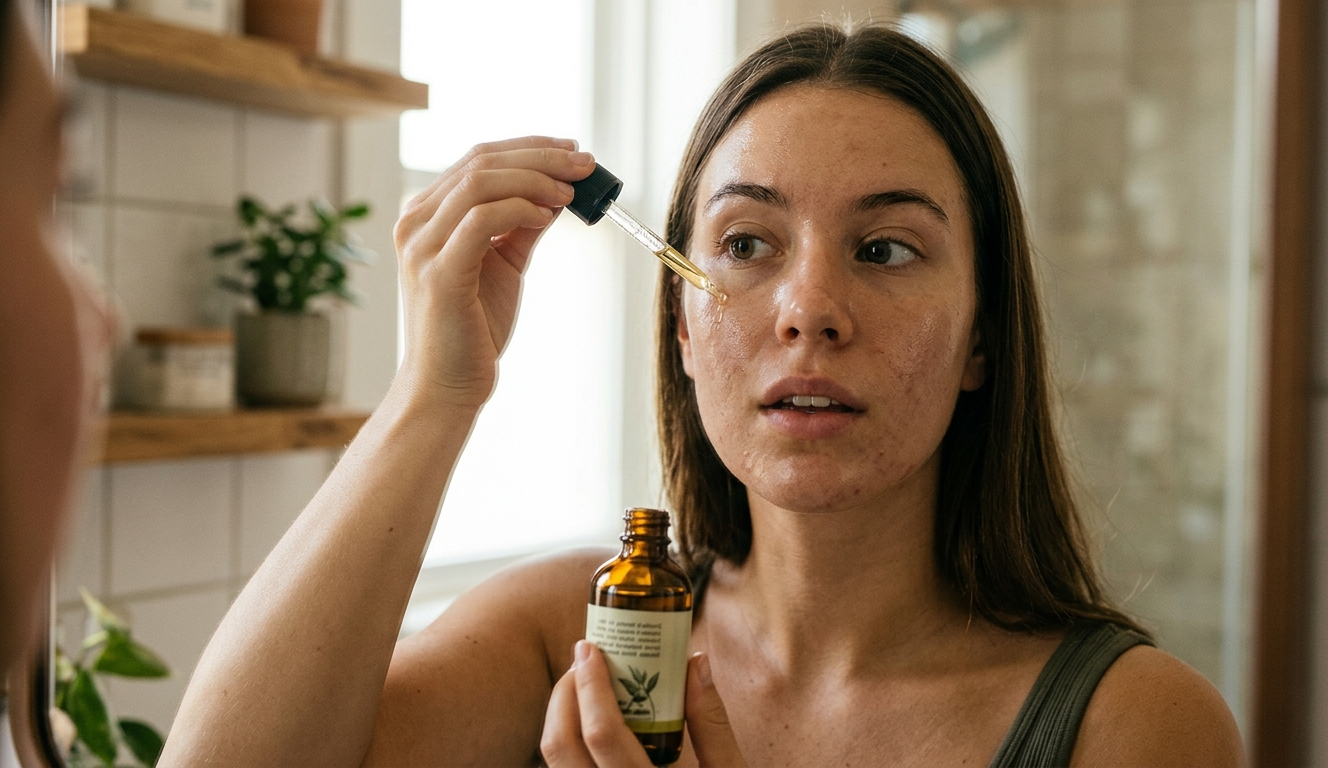
Jojoba oil helps regulate sebaceous gland activity. This reduces overproduction of oil naturally. It does not leave a heavy residue on the skin. It helps maintain a matte yet hydrated appearance. Dermatologists often recommend it for oil control. Jojoba oil also reduces clogged pores indirectly. It keeps skin clean and balanced; can be used as a light nighttime treatment. It supports clearer skin with regular use.
Jojoba-Oil for Combination Skin
Combination skin has both dry and oily areas. Jojoba-oil’s balancing properties work well here. It hydrates dry patches without adding grease to oily areas. This makes it an excellent choice for combination skin types. It adapts to different skin needs effectively. Jojoba-oil moisturizes dry zones like cheeks. It controls oil in the T-zone. This creates overall skin harmony. It simplifies skincare routines significantly. One product can address multiple concerns. This reduces the need for multiple products. It is a cost-effective skincare solution.
Jojoba-Oil for Sensitive Skin
Sensitive skin often reacts to harsh ingredients. Jojoba-oil is gentle and soothing. Its anti-inflammatory properties calm redness and irritation. It’s also hypoallergenic and unlikely to cause allergic reactions. Patch testing is still recommended for extremely reactive skin.
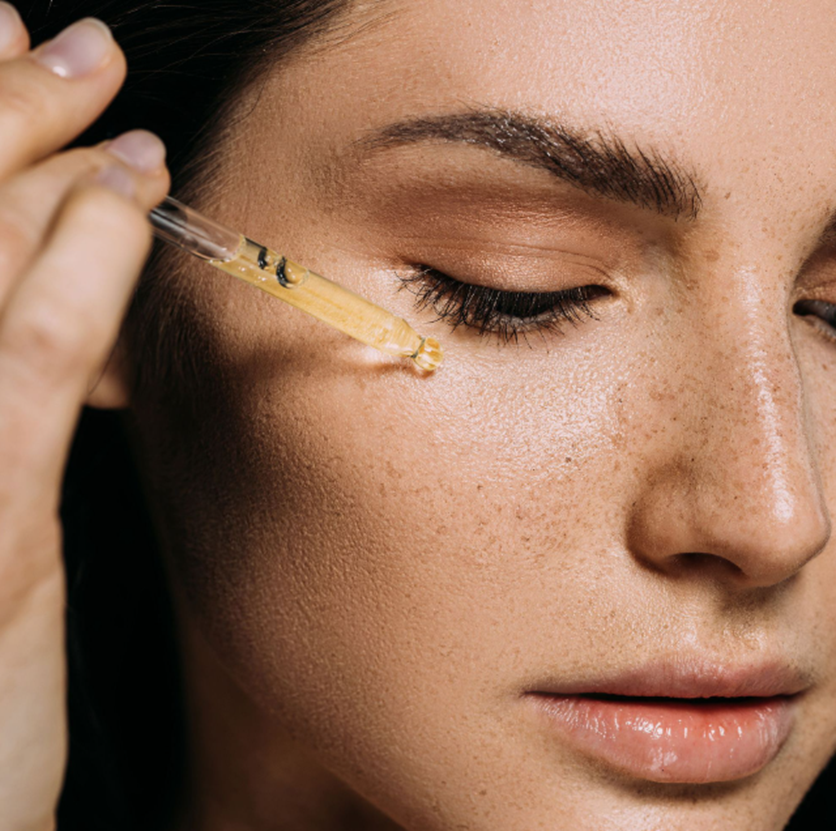
Jojoba Oil helps reduce skin sensitivity over time. It strengthens the skin’s protective barrier. Jojoba-Oil minimizes reactions to environmental stressors. It is often used in medical-grade skincare. Jojoba oil is free from common irritants. It does not contain fragrances or harsh chemicals. This makes it suitable for delicate skin types. It is widely used in baby and sensitive skin products.
Jojoba-Oil for Acne-Prone Skin
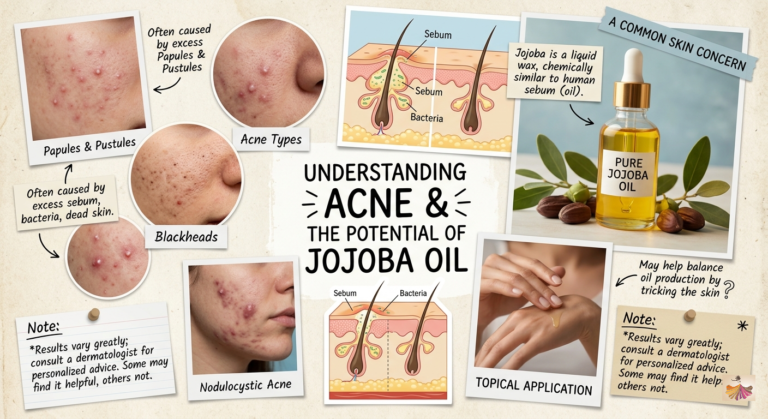
Jojoba-oil is beneficial for acne-prone skin. It’s not comedogenic and won’t clog pores. Its antimicrobial capabilities aid to combat acne-causing germs. Jojoba-oil also alleviates irritation and soothes aggressive outbreaks. It balances sebum production, hence preventing further outbreaks.
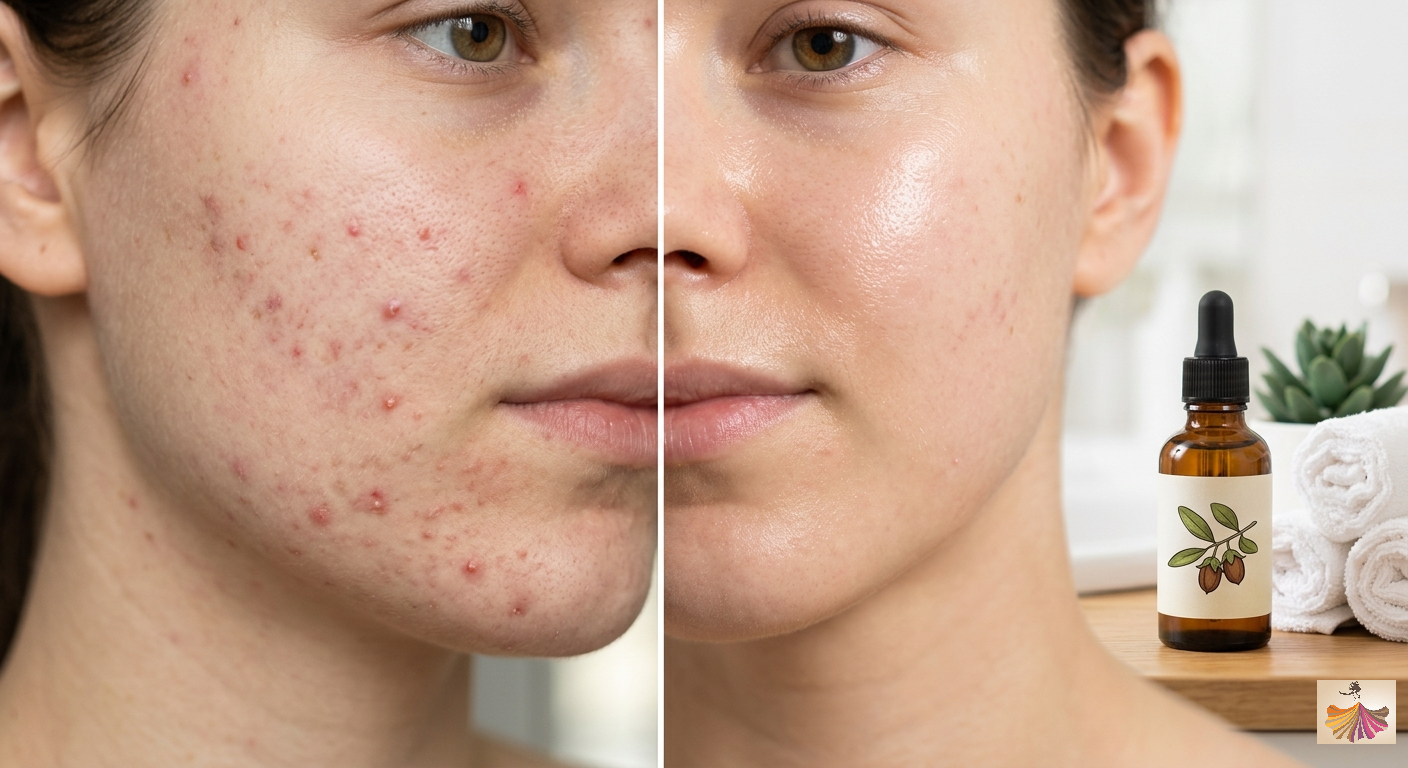
Jojoba oil helps reduce inflammation linked to acne. It supports healing of existing breakouts. It prevents excess oil buildup in pores. This lowers the chances of blackheads and whiteheads. Recent research shows it can support acne management. It works best when used consistently in small amounts. Jojoba oil complements acne treatments without interfering. It is a gentle alternative to harsh acne products.
How to Use Jojoba Oil for Different Skin Types
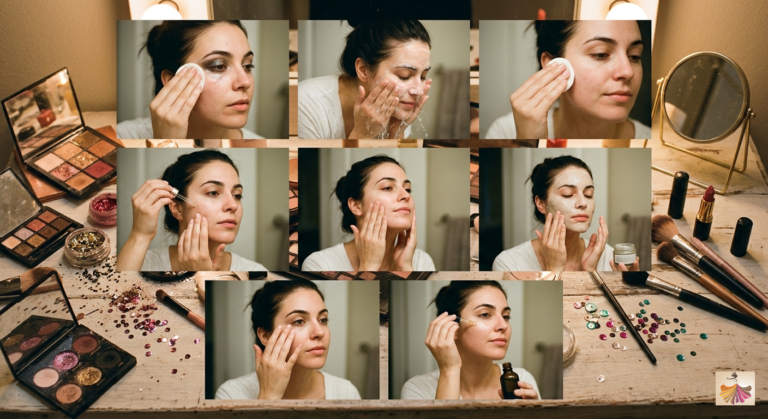
- Moisturizer: Apply a few drops directly to clean skin.
- Makeup Remover: Use it to dissolve makeup and hydrate the skin.
- Serum: Mix it with other serums or oils for extra hydration.
- Primer: Apply before makeup for a smooth base.
Jojoba oil can also be mixed with lotions and creams. It enhances the effectiveness of other products. Jojoba oi is often used in nighttime skincare routines. It supports skin repair during sleep. You can also use it with gua sha or facial massage tools. This improves blood circulation and glow. It enhances product absorption and commonly used in spa treatments.
Precautions and Tips for Using Jojoba-Oil
Jojoba oil is typically considered harmless for all skin types. However, some people experience clogged pores as a result of usage. Always start with a little quantity. Before using it on your face, test it on a patch. To achieve the finest benefits, use pure, cold-pressed jojoba oil.
Avoid overuse, especially on oily skin. Use 2–3 drops only for full face application. Store in a cool and dry place. Keep the bottle tightly closed. Choose high-quality, unrefined jojoba oil. Look for organic and cold-pressed labels. Avoid products with added synthetic ingredients. Check for purity before purchasing. If irritation occurs, discontinue use. Consult a dermatologist if unsure. Combine with a balanced skincare routine. Use sunscreen during daytime use.
Conslusion
Jojoba oil is suitable for any skin type. It moisturizes dry skin, regulates oil production, and calms sensitive skin. It can even treat acne-prone skin without producing outbreaks. Its natural and mild qualities make it a must-have. Jojoba oil can help with dry, oily, or combination skin. It is one of the most versatile skincare ingredients available today. Jojoba oil bridges the gap between natural care and scientific skincare. Its benefits are supported by modern cosmetic research. It continues to be a key ingredient in clean beauty products.
FAQ’s
Is jojoba oil safe for sensitive skin?
Jojoba oil is generally safe for sensitive skin because it is gentle, non-irritating, and rich in anti-inflammatory compounds that calm redness and irritation. Studies show it reduces inflammatory markers in skin models and supports skin repair.
Can jojoba oil clog pores for oily skin?
Although jojoba oil is technically a wax ester rather than a typical oil; it is widely considered non-comedogenic and unlikely to clog pores for most people. It mimics natural skin sebum, which helps balance oil production rather than trap it. However, individual reactions vary, and patch testing is still recommended.
How does jojoba oil benefit dry skin?
For dry skin, jojoba oil provides long-lasting moisture and strengthens the skin barrier. It acts as an emollient that improves skin suppleness and prevents flaking without feeling heavy or greasy. Its nutrient content supports hydration and elasticity.
Can acne-prone skin use jojoba oil?
Acne-prone skin can use jojoba oil because it helps regulate sebum production and has antimicrobial and anti-inflammatory properties that may support clearer skin. Research suggests it can help reduce acne breakouts while calming irritation.
Is jojoba oil effective for combination skin?
Jojoba oil is also effective for combination skin because it balances moisture in dry areas without over-hydrating oily zones. Its similarity to skin’s natural oils helps normalize sebum levels across different facial regions.