Jojoba Oil Side Effects: What You Need to Know Before Using It
Jojoba oil is a commonly used cosmetic component. It is popular for several reasons. It moisturizes, reduces oil production, and cures acne. However, like with any product, it is critical to be aware of the potential side effects. Let’s have a look at the possible side effects of jojoba-oil on the skin.

Jojoba oil is technically a liquid wax ester rather than a true oil. This makes it highly stable and less prone to oxidation. It closely resembles human sebum, which allows it to interact naturally with the skin barrier. Despite these advantages, individual skin responses can vary. Scientific studies suggest that even well-tolerated ingredients can produce adverse reactions in certain individuals. Understanding these risks helps ensure safe and effective use.
Potential Side Effects of Jojoba-Oil
Although jojoba-oil is gentle, there are a few possible side effects. It is important to be aware of these, especially if you have sensitive skin. Modern dermatological research shows that topical products can behave differently depending on skin type, microbiome balance, and environmental conditions. Factors such as humidity, pollution, and concurrent skincare use can influence how jojoba oil performs. While it is widely considered safe, misuse or overuse can lead to undesirable outcomes. Awareness and proper usage are key to minimizing risks.
1. Allergic Reactions
One of the most common side effects is an allergic reaction. Some people are allergic to certain ingredients in jojoba-oil. If you have allergies to plants in the Simmondsia family, you may be sensitive to jojoba-oil. An allergic reaction can cause redness, swelling, and itching. More severe cases may cause hives or a rash. To avoid this, always conduct a patch test before applying jojoba-oil to your face or body. To perform a patch test, apply a small amount of jojoba-oil to a small area of your skin. Wait 24 hours to check for any reactions. If you experience irritation or discomfort, stop using the oil.

From a scientific perspective, allergic reactions occur due to immune system hypersensitivity. Although jojoba oil has low allergenic potential, trace compounds or impurities may trigger reactions. Cold-pressed and unrefined oils may contain more natural residues, which can increase sensitivity in some users. Choosing high-quality, purified oil reduces this risk. Clinical observations suggest that true allergies to jojoba oil are rare but not impossible.
2. Breakouts for Some Skin Types
While jojoba oil is known to be non-comedogenic, it can still cause breakouts for some people. This happens especially when the oil isn’t fully absorbed by the skin. If your skin doesn’t absorb it well, it may sit on the surface and clog your pores. People with oily or acne-prone skin may be more likely to get outbreaks. Jojoba-oil can help balance oil production; however, it may not be suitable for everyone. If your breakouts worsen, stop using the product and see a dermatologist.
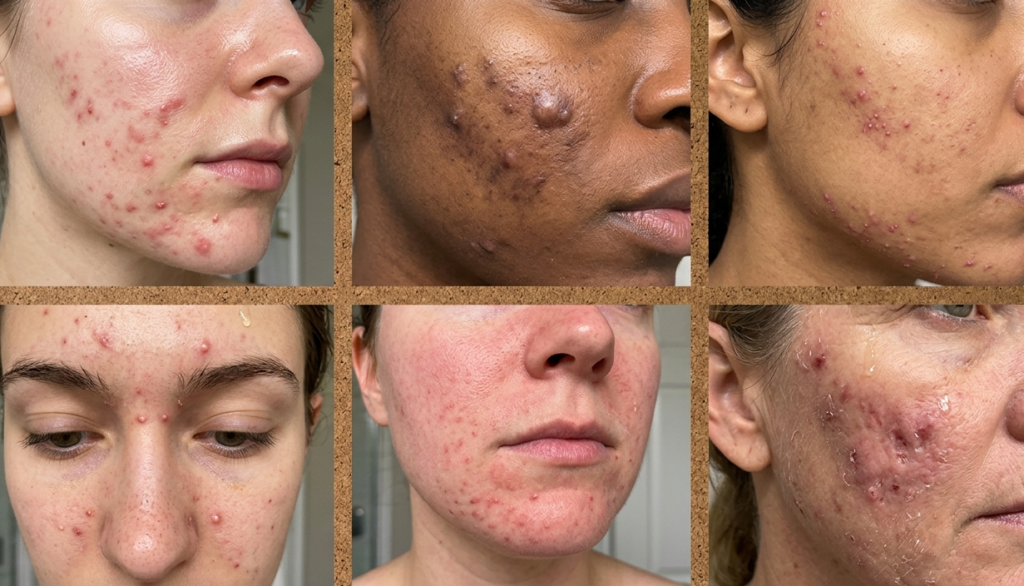
Scientifically, jojoba oil has a comedogenic rating close to zero. However, breakouts can occur due to occlusion or improper layering with other products. When mixed with heavy creams or silicones, it may trap debris and bacteria. Skin microbiome imbalance can also contribute to acne formation. Some individuals may experience purging rather than true breakouts, especially when introducing new skincare products.
3. Irritation for Sensitive Skin
Although jojoba-oil is often recommended for sensitive skin, some individuals may still experience irritation. This is rare but possible. If you have extremely sensitive skin, jojoba-oil might cause discomfort. Irritation symptoms may include redness, itching, or a burning sensation. If you have these symptoms, discontinue using the oil right away. If the inflammation persists, seek medical attention.
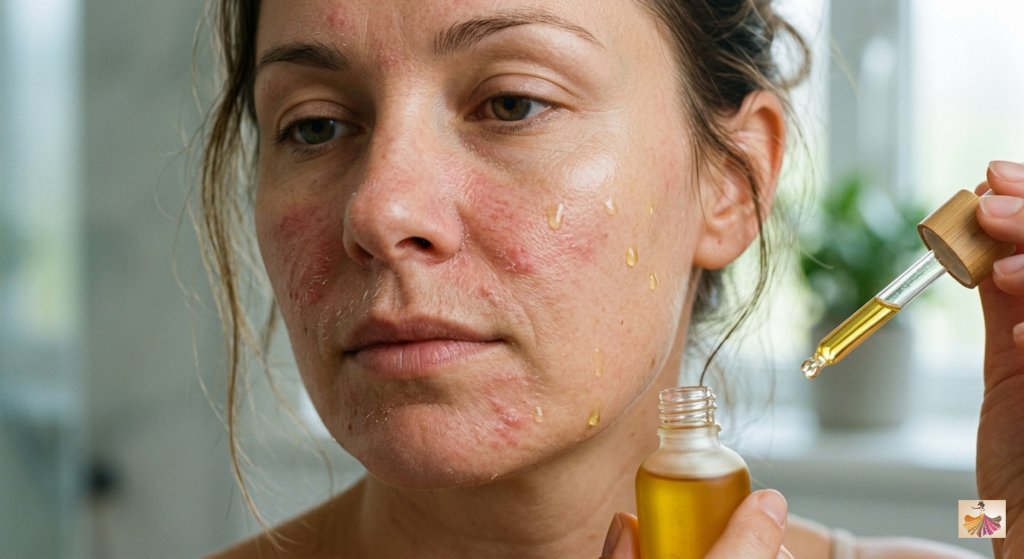
Research indicates that jojoba oil has anti-inflammatory properties due to compounds like tocopherols and phenolics. However, compromised skin barriers may react differently. Conditions such as dermatitis or over-exfoliation can increase sensitivity. External factors like harsh cleansers or active ingredients (retinoids, acids) may also amplify irritation when combined with oils.
4. Eye Irritation
Jojoba-oil is safe for most areas of the face and body. However, it may cause irritation if it comes in contact with the eyes. If you use jojoba-oil near your eyes, take care to avoid getting it in your eyes. When you accidentally get jojoba oil in your eyes, rinse thoroughly with water. If irritation continues, seek medical attention.
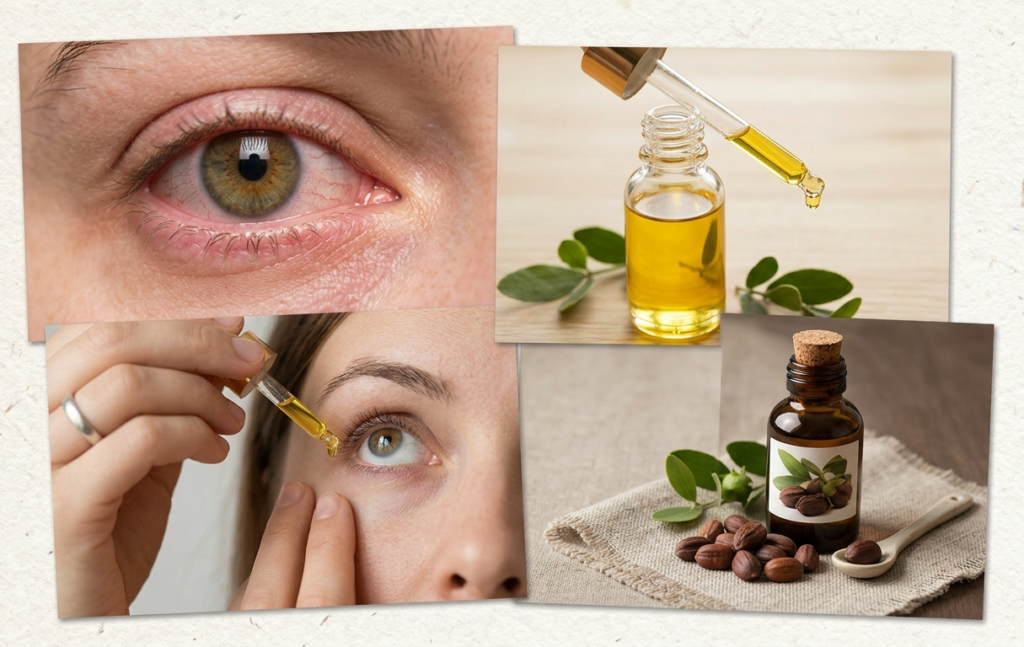
The eye area has thinner and more delicate skin. This increases the likelihood of irritation from any substance. While jojoba oil itself is not toxic, its oily texture can disrupt the tear film of the eye. This may cause temporary blurriness or discomfort. Using minimal amounts and avoiding direct contact is recommended.
5. Overuse Can Lead to Oily Skin
While jojoba oil is beneficial for hydrating, absorbing too much might make your skin oily. This is particularly relevant for those who already have oily skin. Regular consumption of any oil might result in blocked pores and outbreaks. To avoid this, apply jojoba-oil sparingly. A few drops are typically sufficient to moisturize your face. If you have oily skin, try using jojoba-oil exclusively at night, when your skin can better absorb it.

From a scientific standpoint, over-application can create an occlusive layer. This layer reduces natural evaporation of sweat and sebum. Excess oil on the surface may attract dust and pollutants. This can lead to congestion and dullness. Proper dosage is essential for maintaining skin balance.
6. Sensitivity to Sun Exposure
There is no direct evidence linking jojoba oil to increased sensitivity to the sun. However, it is always a good idea to take precautions when using oils on your skin. Some oils, though not jojoba specifically, can make the skin more sensitive to UV rays. If you intend to spend time in the sun, be sure to use sunscreen. This will protect your skin from damaging UV rays.

Jojoba oil actually contains mild antioxidant properties that may help combat oxidative stress caused by UV exposure. However, it does not provide sun protection. It should never replace sunscreen. Dermatological guidelines strongly recommend using broad-spectrum SPF alongside any skincare oil.
Who Should Avoid Using Jojoba Oil?
Jojoba oil is beneficial to most people. However, certain people may need to avoid it. If you are allergic to plants in the Simmondsia family, avoid using jojoba oil. Jojoba oil may also be harmful to those with certain skin disorders. Jojoba oil may aggravate the skin of those with severe eczema, psoriasis, or rosacea. Before using any new products, see your doctor or dermatologist.
Individuals undergoing dermatological treatments should also exercise caution. Procedures like chemical peels or laser therapy temporarily weaken the skin barrier. Applying oils during recovery may interfere with healing. Medical guidance is recommended in such cases.
How to Use Jojoba Oil Safely
To minimize side effects, it’s important to use jojoba oil correctly. Start by doing a patch test. Apply a small amount to your wrist and wait for 24 hours. This will help you determine if you have any allergic reactions. If you are new to jojoba oil, start with a small amount. Apply a few drops to your face and massage it’s in. Gradually increase the amount if your skin responds well. To avoid irritation, do not use jojoba oil near your eyes. Always use a soft touch and avoid vigorously rubbing the oil into your skin. If you combine jojoba oil with other products, check sure they are suitable.
For best results, apply jojoba oil on slightly damp skin. This improves absorption and hydration. Use it as the final step in your skincare routine to lock in moisture. Avoid mixing it with unstable or highly reactive ingredients. Storage is also important. Keep jojoba oil in a cool, dark place. Exposure to heat and light can degrade its quality over time. Always ensure the bottle is tightly sealed to prevent contamination.
Conclusion
Jojoba oil is typically considered harmless for most skin types. It provides numerous advantages, including hydration, acne therapy, and anti-aging qualities. However, some people may experience negative effects such as allergic reactions, rashes, or discomfort. Always perform a patch test before applying jojoba oil on your skin. If you have sensitive skin, exercise caution and apply it sparingly. If you suffer any pain, stop using it and visit your dermatologist. With correct application, jojoba oil can be an excellent complement to your skincare regimen.
Scientific evidence supports its safety and effectiveness when used appropriately. Its unique composition makes it one of the most skin-compatible oils available. However, personalization is key in skincare. What works for one person may not work for another. Careful observation and responsible use will help you gain the maximum benefits while avoiding potential side effects.
FAQ’s
Can jojoba oil cause breakouts?
Jojoba oil is non-comedogenic and usually does not clog pores. It mimics natural sebum and may help balance oil. Breakouts can still happen if overused or layered with heavy products. Individual skin response also matters.
Is jojoba oil safe for sensitive skin?
Jojoba oil is generally safe and gentle for sensitive skin. It has anti-inflammatory properties that calm irritation. Most people tolerate it well. A patch test is still recommended.
Can jojoba oil irritate the eyes?
Yes, it can cause mild eye irritation if it enters the eyes. It may create a temporary oily film and blur vision. This effect is usually short-lived. Rinse with water to relieve discomfort.
Does jojoba oil cause allergic reactions?
Allergic reactions are rare but possible. Symptoms may include redness, itching, or rash. Sensitivity varies by individual. Always perform a patch test before use.
Can using too much jojoba oil make my skin oily?
Yes, overuse can make skin look greasy. It may sit on the surface if not absorbed. This can lead to congestion. Use only a few drops for best results.