Dirty Makeup Brushes: Skin Problems You Have to Know
Dirty makeup brushes are a hidden danger in beauty routines. Many underestimate the impact of not cleaning brushes regularly. Dirty makeup brushes can harm your skin in various ways. They silently accumulate harmful substances over time. Let’s explore the risks and how to avoid them.
Why Do Makeup Brushes Get Dirty?
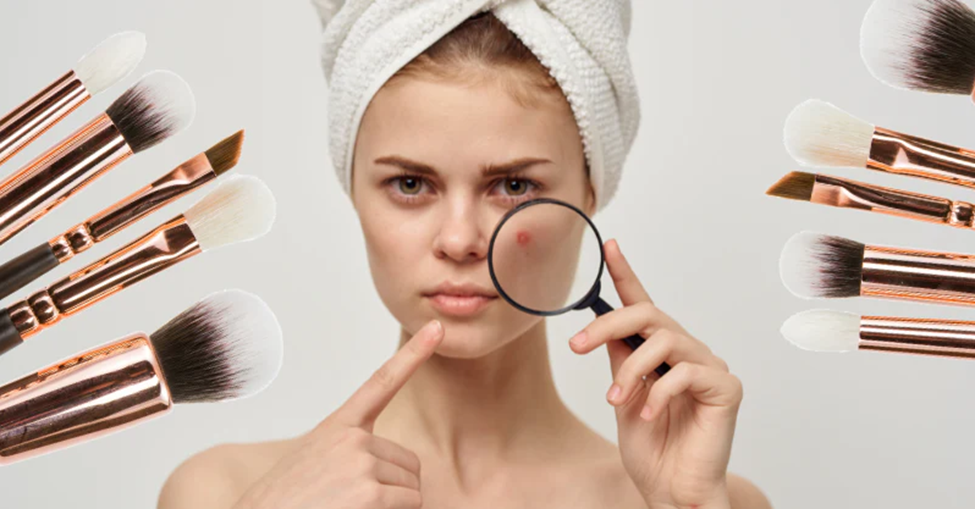
Makeup brushes collect product, oil, and bacteria. They trap dirt and dead skin cells with each use. Over time, dirty makeup brushes become breeding grounds for harmful germs. This buildup leads to numerous problems for your skin. Environmental factors also contribute to dirt buildup. Dust particles in the air settle on exposed brushes. Humidity can encourage bacterial growth. Makeup products like foundation and concealer contain oils that stick to bristles. These oils oxidize over time and create an unhealthy environment. Repeated use without cleaning worsens contamination levels.
How Dirty Makeup Brushes Affect Your Skin
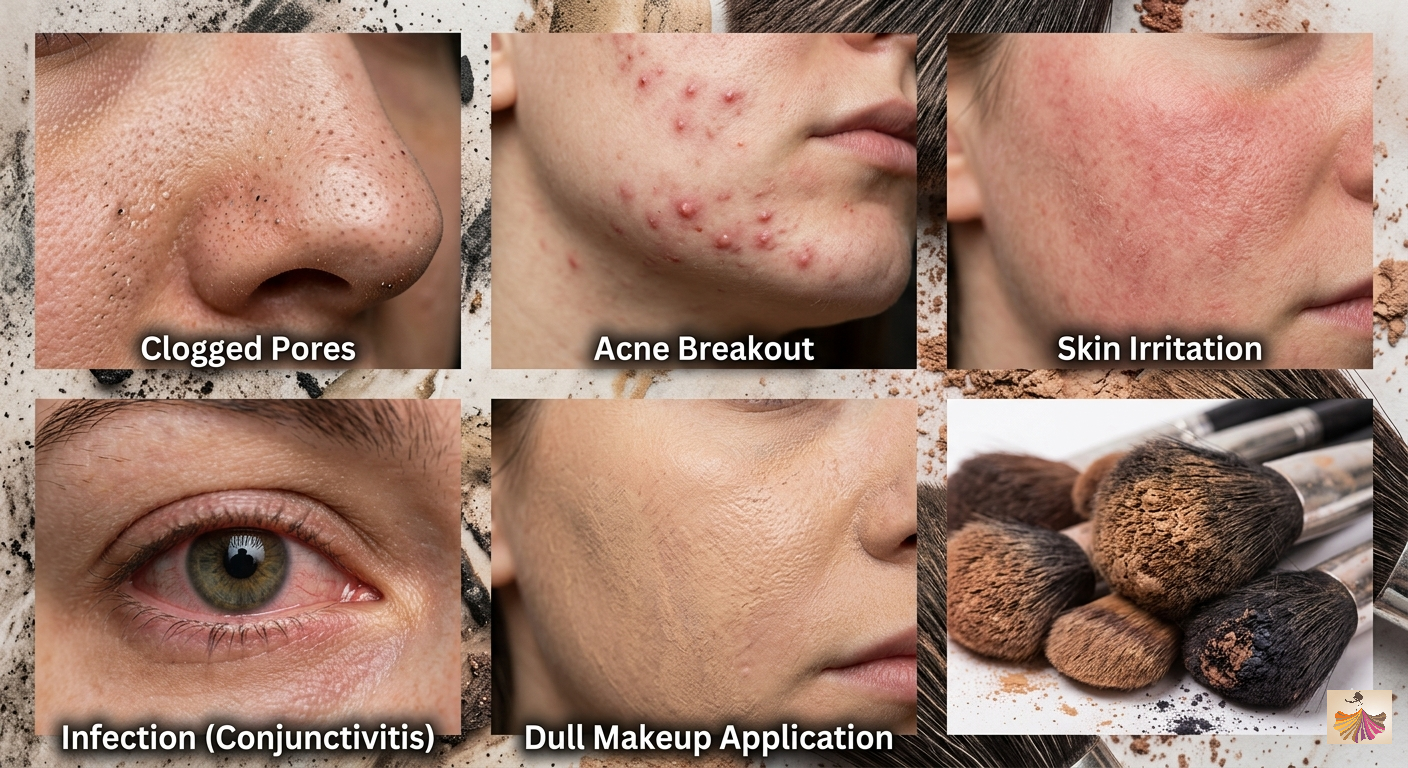
1. Clogged Pores
Dirty makeup brushes transfer oil and dirt onto your skin. This clogs your pores, leading to blackheads and whiteheads. Clogged pores occur when sebum mixes with debris from brushes. This blocks hair follicles and prevents proper skin breathing. Over time, this leads to uneven skin texture. Regular cleansing reduces this risk significantly.
2. Acne Breakouts
Bacteria in dirty makeup brushes cause breakouts. They spread germs, leading to inflamed pimples and cystic acne. Bacteria multiply quickly in moist environments. Brushes used on acne-prone skin can reintroduce bacteria repeatedly. This creates a cycle of breakouts. Proper hygiene helps break this cycle and improves skin clarity.
3. Skin Irritation
Rough, dirty bristles irritate sensitive skin. They cause redness, itching, and discomfort. Product buildup hardens bristles over time. This makes them abrasive on the skin. Sensitive skin types are more vulnerable to irritation. Clean brushes remain soft and gentle during application.
4. Infections
Using dirty brushes near the eyes or lips can cause infections. Conjunctivitis and cold sores are common issues. Eye brushes are particularly risky. Bacteria can easily transfer to delicate eye areas. Lip brushes can spread viral infections like herpes simplex. Maintaining hygiene reduces infection risks significantly.
5. Dull and Uneven Makeup Application
Dirty makeup brushes ruin your look. They leave streaks and uneven patches. Old product residue interferes with new makeup. Colors appear muddy and less vibrant. Blending becomes difficult. Clean brushes ensure smooth and flawless application.
Signs Your Makeup Brushes Are Dirty
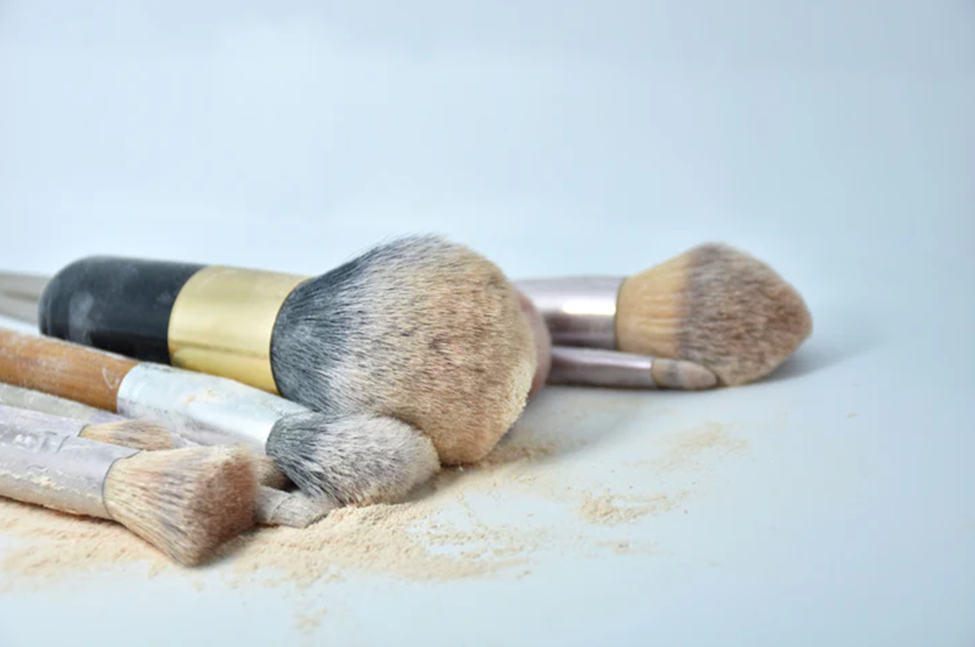
- Brushes feel stiff or rough.
- Bristles have visible product buildup.
- Makeup applies unevenly.
- Brushes develop an unpleasant odor.
- Skin reacts negatively after use.
Brushes may shed more when dirty. Color transfer between products becomes noticeable. Brushes may also appear discolored. These signs indicate immediate cleaning is needed. Ignoring them can worsen skin problems. If you notice these signs, it’s time to clean your brushes.
Tips to Keep Makeup Brushes Clean
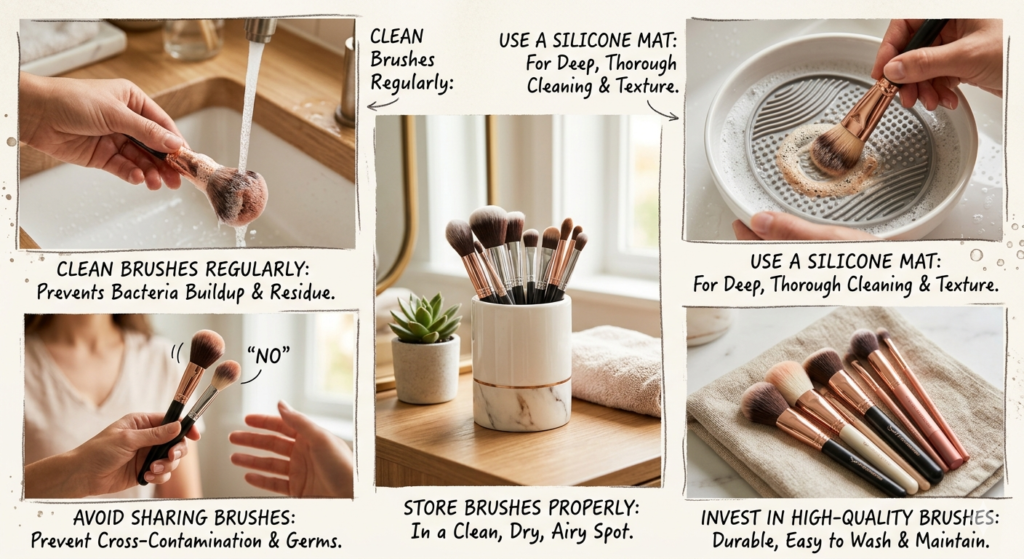
- Clean brushes regularly to prevent bacteria buildup.
- Use a silicone mat for thorough cleaning.
- Store brushes in a clean, dry place.
- Avoid sharing brushes with others.
- Invest in high-quality brushes that are easy to clean.
Also, use separate brushes for different products. This prevents cross-contamination. Keep brushes covered when not in use. Travel cases can protect brushes from dust. Regular maintenance ensures better hygiene and performance.
Long-Term Effects of Using Dirty Makeup Brushes
Premature Aging
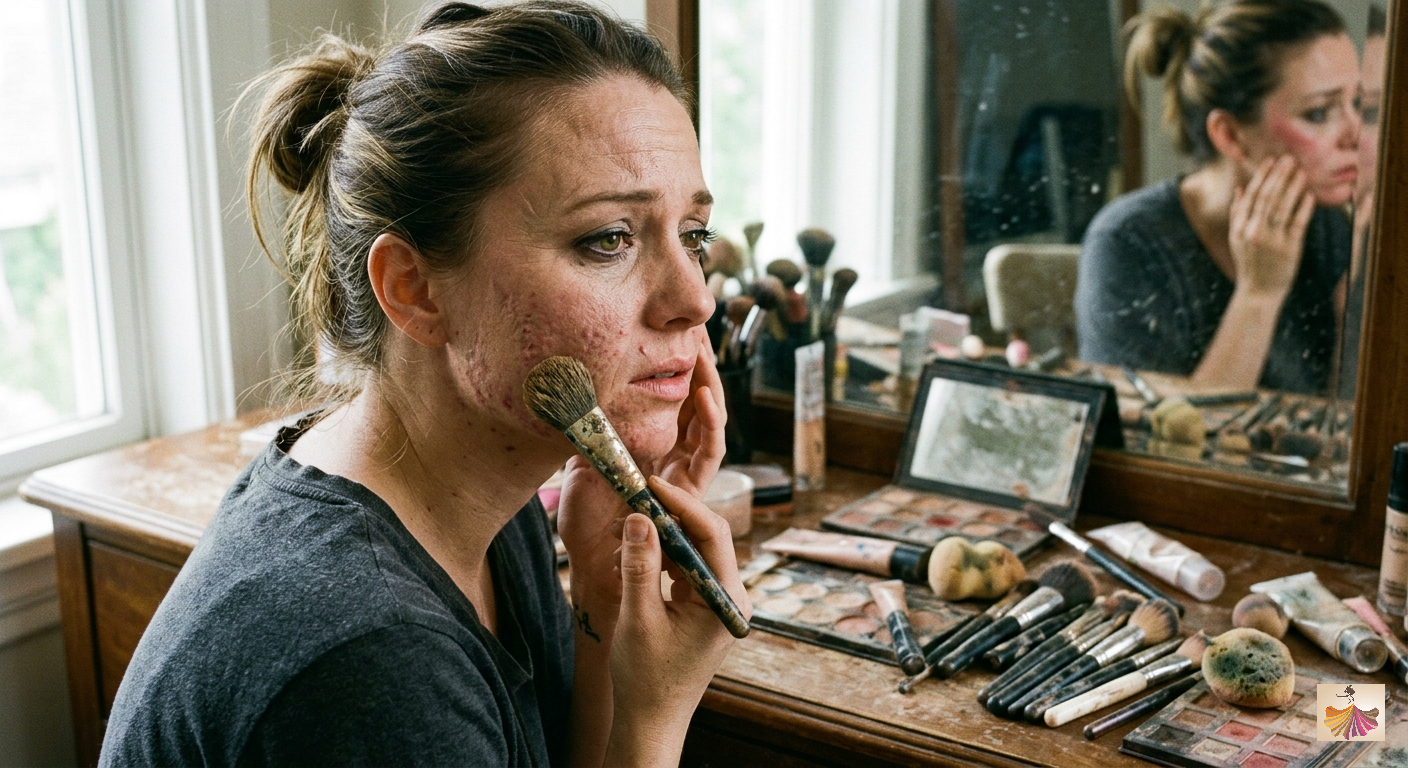
Dirty makeup brushes cause inflammation and stress on the skin. Over time, this leads to premature aging. Chronic irritation weakens the skin barrier. This accelerates the appearance of fine lines and wrinkles. Free radicals from bacteria can also damage skin cells. Clean tools help maintain youthful skin.
Persistent Skin Problems
Unclean brushes worsen acne and irritation. They prevent the skin from healing. Continuous exposure to bacteria delays recovery. Skin conditions become harder to manage. Proper hygiene supports faster healing and better results from skincare products.
Wasted Makeup Products
Dirty brushes mix old residue with new products. This ruins the formula and wastes makeup. Contaminated brushes alter product texture and color. This reduces effectiveness. Clean brushes help you use products efficiently and achieve desired results.
Benefits of Keeping Brushes Clean
- Reduces the risk of acne and irritation.
- Extends the life of your brushes.
- Improves makeup application for a flawless look.
- Saves money by preserving makeup quality.
- Promotes overall skin health.
Clean brushes enhance confidence. Makeup looks more professional and polished. Hygiene also becomes easier to maintain. Clean tools are essential for both beauty and health.
How to Store Brushes After Cleaning
Proper storage ensures brushes stay clean. Use these tips:
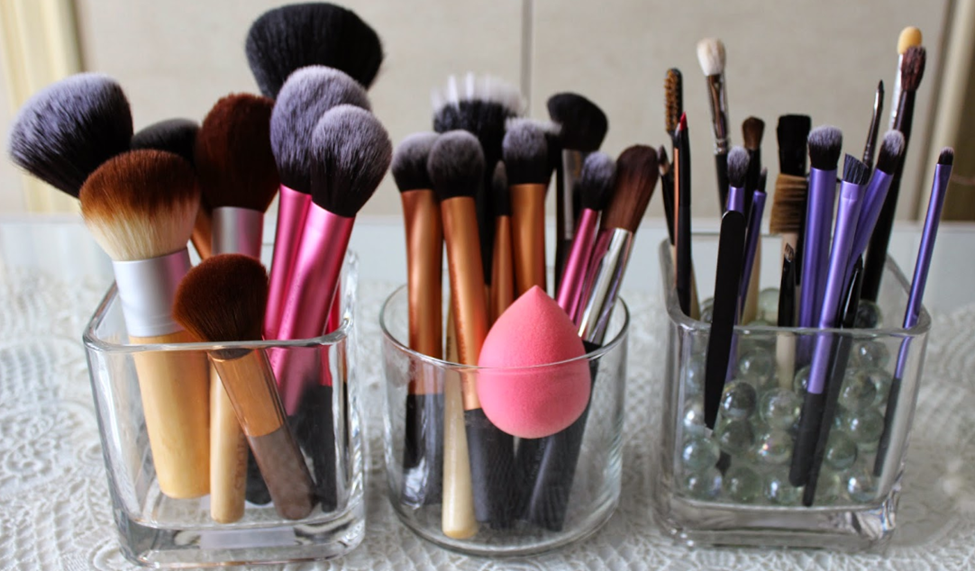
- Store brushes upright in a holder.
- Cover bristles with caps or cases.
- Keep them in a dry, dust-free area.
- Avoid damp environments to prevent mold.
Avoid overcrowding brushes in containers. This prevents deformation of bristles. Use breathable holders instead of sealed containers. Ensure brushes are completely dry before storage. Proper storage maintains brush shape and cleanliness.
Additional Insights: Hygiene Trends and Expert Recommendations (2025)
In 2025, awareness about hygiene in beauty routines has increased significantly. Dermatologists strongly emphasize cleaning tools regularly. Social media platforms have also played a role in spreading awareness. Studies show that dirty makeup brushes can contain thousands of bacteria per square inch. This highlights the importance of proper maintenance. Many brands now include cleaning instructions with their brushes.
Sustainability is also a growing trend. Eco-friendly cleaning products and reusable tools are widely available. Consumers prefer non-toxic and biodegradable options. This reduces environmental impact while maintaining hygiene. Technology is improving cleaning methods. UV sterilizers and electric cleaners are becoming popular. These tools provide deeper sanitation with minimal effort. They are especially useful for professionals and heavy users.
Dirty makeup brushes can lead to major skin problems. Regular cleansing is vital for maintaining healthy skin and beautiful makeup. Use adequate cleaning techniques and preserve brushes properly. Make cleaning your brushes a routine to minimize unwanted skin irritation. Maintaining clean brushes protects your skin while also enhancing your beauty routine.
FAQ’s
How do dirty makeup brushes affect your skin?
Dirty makeup brushes collect oil, bacteria, and dead skin cells, which transfer back onto your face during use. This can clog pores, irritate the skin, and disrupt the skin barrier. Over time, it leads to uneven texture and dull appearance. Dermatologists confirm that unclean brushes can cause rashes and worsen overall skin health.
Can dirty makeup brushes cause acne and breakouts?
Yes, dirty brushes can contribute to acne and breakouts by spreading bacteria and trapping oil in pores. The buildup of residue and microbes creates an environment that promotes inflammation. While not the sole cause of acne, they can significantly worsen existing conditions.
What infections can result from using unclean makeup brushes?
Unclean brushes can lead to infections such as fungal infections, staph infections, and even contamination with bacteria like E. coli. Eye infections like conjunctivitis and skin infections around open wounds are also possible. These occur when bacteria from brushes enter sensitive or broken skin.
How often should you clean your makeup brushes to prevent skin problems?
Experts recommend cleaning makeup brushes every 7–10 days for optimal hygiene. Brushes used with liquid or cream products should be washed weekly. Frequent cleaning reduces bacteria buildup and prevents skin irritation or breakouts. Consistent maintenance is key to protecting both skin health and brush quality.
What is the best way to sanitize dirty makeup brushes?
The best method is to wash brushes with lukewarm water and a gentle cleanser, then rinse thoroughly until clean. After washing, you can lightly spray alcohol for extra sanitization if needed. Brushes should be reshaped and air-dried completely in a clean environment. This process effectively removes dirt, oils, and harmful bacteria.