Detox Diet: Daily Routine for Better Results
A detox diet is a short-term eating plan. It aims to remove toxins from the body. People follow detox diets to feel better. These diets promise weight loss and improved health. Detox-diets are popular worldwide. They claim to boost energy and mental clarity. Many believe detoxing improves digestion and skin health. Some diets focus on eliminating harmful chemicals. Others emphasize whole, natural foods.
Detox concepts are widely debated in science. The body already has detox systems. These systems work continuously without special diets. Marketing often exaggerates detox claims. Scientific evidence remains limited for extreme detox plans. Modern lifestyles increase toxin exposure. Air pollution affects internal health. Processed foods introduce synthetic compounds. Stress also increases toxic load indirectly. Detox diets try to counter these effects. However, results vary among individuals.
How Does a Detox-Diet Work?
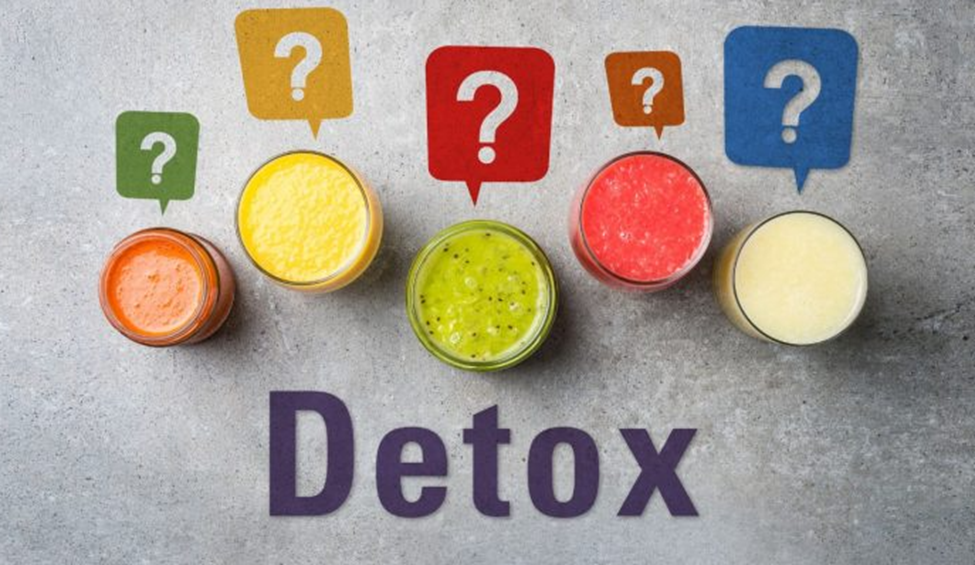
A detox-diet eliminates processed foods. It focuses on fresh fruits and vegetables. Some plans include juices and herbal teas. Others allow only water or smoothies. The goal is to flush out harmful substances. The liver and kidneys help detox naturally. A good detox-diet supports these organs. Hydration is important for proper detoxification. Drinking enough water helps remove toxins. Some detox-diets involve fasting periods. This allows the body to reset digestion.
The liver converts toxins into safer compounds. The kidneys filter waste through urine. The digestive system removes solid waste efficiently. Skin eliminates toxins through sweat glands. Lungs expel harmful gases during breathing. Fiber plays a key detox role. It binds toxins in the gut. This helps eliminate waste effectively. Antioxidants protect cells from damage. They neutralize harmful free radicals. Hydration supports all detox pathways. Fasting may trigger metabolic changes. The body shifts to fat burning. Stored toxins may release temporarily. This process needs careful monitoring. Not all individuals tolerate fasting well.
Common Types of Detox-Diets
There are many types of detox-diets. Some are juice cleanses. Others involve fasting or special foods. Here are some common detox plans:
- Juice Cleanse – Drinking only fruit and vegetable juices.
- Water Fast – Consuming only water for a set time.
- Raw Food Diet – Eating only uncooked, plant-based foods.
- Liver Detox – Foods that support liver function.
- Sugar Detox – Avoiding all sugar and refined carbs.
- Tea Detox – Drinking herbal teas for cleansing.
- Soup Cleanse – Consuming nutrient-rich soups only.
- Intermittent Fasting – Alternating between fasting and eating.
Each detox method has different rules. Some last a few days. Others continue for weeks. Some people combine multiple methods. It depends on individual goals and health conditions. Juice cleanses often lack protein content. This may reduce muscle maintenance. Water fasting is the most restrictive method. It carries higher health risks. Raw diets increase enzyme intake. However, they may lack certain nutrients. Intermittent fasting has more research support. It may improve metabolic health. Sugar detox helps regulate insulin levels. Liver detox focuses on supportive nutrients. Different methods suit different people. No single detox fits everyone.
Potential Benefits of a Detox-Diet
Many people report feeling lighter and more energetic. Some claim better digestion and clearer skin. Detox diets may reduce bloating and improve focus. They encourage healthy eating habits. Some believe detoxing strengthens the immune system. It may reduce inflammation in the body. Some diets help control cravings and overeating. Detoxing can improve hydration and nutrient absorption. Removing toxins may reduce stress and anxiety.
Short-term dietary changes can improve awareness. People become mindful about food choices. Increased fruit intake boosts vitamin levels. Vegetables provide essential minerals and fiber. Reduced sugar intake stabilizes blood glucose. This may improve energy levels. Hydration improves circulation and cell function. Some individuals experience improved bowel movements. Mental clarity may improve temporarily. This often relates to reduced processed foods. Weight loss may occur quickly. However, it is often temporary. Benefits depend on diet quality. Balanced detox plans are more effective.
Risks of Detox Diets
Detox-diets can have side effects. Some people feel weak or dizzy. Others experience headaches or nausea. Long-term fasting can lead to nutrient deficiencies. Always consult a doctor before starting a detox. Extreme detox plans may slow metabolism. Lack of protein can cause muscle loss. Some detox-diets cause digestive issues. Restrictive diets may lead to food cravings. People with medical conditions should be cautious.
Electrolyte imbalance is a serious risk. It affects heart and muscle function. Severe fasting may lower blood pressure dangerously. This can cause fainting episodes. Low calorie intake reduces energy availability. This affects daily performance and focus. Hormonal imbalance may occur during prolonged restriction. Women may experience menstrual changes. Rapid weight loss often includes water loss. This is not sustainable fat loss. Detox teas may cause dehydration. Some contain laxatives that irritate intestines. Medical supervision is important for safety. Not all detox methods are harmless.
Foods to Eat on a Detox Diet
A detox diet includes nutrient-rich foods. Here are some options:
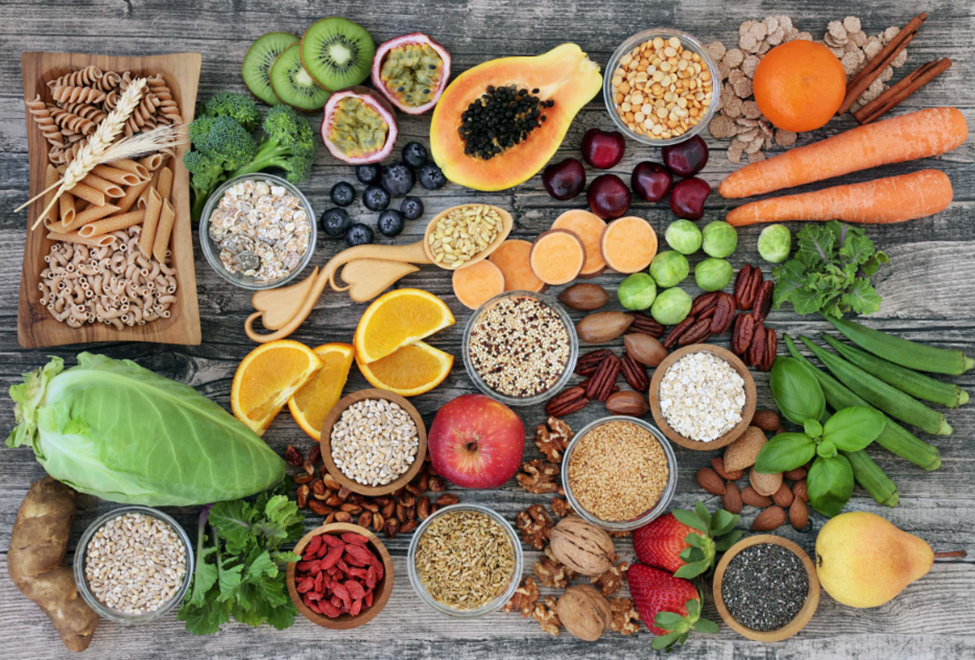
- Fresh fruits, such as apples, berries, and oranges.
- Leafy greens like spinach and kale.
- Nuts and seeds provide healthful fats.
- Enjoy herbal teas and drink plenty of water.
- Use lean proteins, such as fish or tofu.
- Whole grains, such as quinoa and brown rice.
- Fermented foods, like kimchi and yogurt.
- Natural spices include turmeric and ginger.
Eating clean supports the body’s detox process. Nutrient-dense foods promote digestion and energy. Hydration is key to eliminating waste. Cruciferous vegetables support liver detox enzymes. Examples include broccoli and cabbage. Citrus fruits enhance antioxidant activity. They support immune function effectively. Garlic contains sulfur compounds. These aid liver detox pathways. Green tea provides beneficial polyphenols. These reduce oxidative stress. Probiotic foods improve gut bacteria balance. A healthy gut aids toxin removal. Healthy fats support cell membrane function. Variety in diet ensures nutrient adequacy. Balanced meals improve long-term health.
Foods to Avoid on a Detox Diet
Certain foods should be avoided. These include:


- Processed and packaged foods.
- Sugar and artificial sweeteners.
- Fried and greasy foods.
- Excessive caffeine and alcohol.
- Dairy and gluten in some cases.
- Refined carbohydrates like white bread and pasta.
- Fast food and junk food.
- Preservatives and additives.
Eliminating these foods reduces toxin buildup. It helps the body function properly. Processed foods often contain hidden chemicals. These include preservatives and artificial colors. High sugar intake increases inflammation. It also affects insulin sensitivity. Trans fats damage cardiovascular health. They increase harmful cholesterol levels. Excess caffeine disrupts sleep cycles. Poor sleep affects detox systems negatively. Alcohol overloads the liver significantly. This reduces detox efficiency. Artificial additives may burden metabolic pathways. Reducing these foods improves overall health markers. Clean eating supports natural detoxification.
How Long Should a Detox Last?
A detox diet can last from one day to several weeks. Most plans last three to seven days. Long-term detoxing may not be safe. Balance is key to maintaining good health. Short detoxes may help reset habits. Longer detoxes require professional guidance. A gradual detox may be easier to follow. The duration depends on individual health needs.
Short detox plans are generally safer. They minimize nutrient deficiencies risk. Extended detox requires medical supervision. This prevents complications and imbalances. Body adaptation occurs within few days. Initial symptoms may include fatigue. Gradual transitions reduce side effects. Consistency matters more than duration. Sustainable habits provide better outcomes. Detox should not replace balanced nutrition. Long-term health depends on daily choices. Not short-term extreme diets.
Is a Detox Diet Right for You?
Not everyone needs a detox diet. Some people already eat clean foods. Others may feel sick during detox. Pregnant women and those with medical conditions should avoid detoxing. Athletes need enough calories for performance. People with eating disorders should be cautious. A doctor can help determine if detoxing is safe. Detox diets are not magic solutions. Long-term healthy eating is more effective.
Individual health status matters greatly. Age and lifestyle influence detox suitability. Medical history should guide decisions. People with diabetes need careful planning. Blood sugar may drop dangerously. Elderly individuals may face higher risks. Their nutrient needs are different. Children should avoid restrictive diets. Growth requires consistent nutrition intake. Professional advice ensures safer choices. Personalized plans work better than general diets.
Alternatives to Detox Diets
A detox diet is not the only way to stay healthy. Eating a balanced diet daily works best. Drink enough water and exercise regularly. Avoid processed foods and excessive sugar. This can naturally detox your body. Other methods include getting enough sleep. Stress management helps reduce toxin buildup. Sweating through exercise supports detoxification. Fiber-rich foods aid digestion and toxin removal.
Regular exercise improves circulation. It enhances oxygen delivery to cells. Sleep supports brain detox processes. Deep sleep clears metabolic waste. Stress increases toxin accumulation indirectly. Hormones affect metabolic functions negatively. Relaxation techniques improve overall health balance. Daily hydration maintains kidney efficiency. Consistent fiber intake supports digestion. Healthy habits are more sustainable long-term. They reduce need for extreme detox plans.
Conclusion
A detox diet may help in the short term. It has the capability to refresh your system. However, this is not a long-term solution. Always prefer a healthy lifestyle over excessive diets. Focus on full, natural foods. Hydration and exercise are vital for maintaining good health. Before embarking on any detox plan, consult with your doctor. A balanced strategy ensures long-term rewards. With the proper support, your body will naturally detoxify.
FAQ’s
What is a detox diet?
A detox diet is a short-term eating plan. It claims to remove toxins from the body. These diets often restrict processed foods and calories. They focus on fruits, vegetables, and fluids.
Do detox diets really work?
Scientific evidence does not support detox effectiveness. The body already detoxifies through organs naturally. The liver and kidneys remove harmful substances efficiently. Detox diets show no proven long-term benefits.
What foods can I eat on a detox diet?
You can eat fruits, vegetables, and whole grains. Include nuts, seeds, and lean proteins. Herbal teas and water are encouraged. These foods support natural detox processes.
What foods should I avoid during a detox?
Avoid processed foods and refined sugars. Limit alcohol, caffeine, and fried foods. Artificial additives should also be excluded. These foods increase metabolic stress on the body.
How long should I follow a detox diet?
Most detox diets last a few days. Common durations are three to seven days. Longer detox periods may be unsafe. Medical supervision is advised for extended plans.
FAQ’s
Are detox diets safe?
Some detox diets can be unsafe. They may cause nutrient deficiencies and dehydration. Extreme fasting can affect metabolism and organs. Certain detox products may even harm the liver.
Can I exercise during a detox?
Light exercise is generally safe during detox. Heavy workouts may cause fatigue or dizziness. Low calorie intake reduces energy levels. Gentle activities like walking are recommended.
Will I lose weight on a detox diet?
Weight loss may occur during detox diets. Most loss is water and not fat. Metabolism may slow during extreme restriction. Weight often returns after normal eating resumes.
Can detox diets help with digestion?
Some people report temporary digestive improvements. Increased fiber may support gut health. However, extreme detoxes can harm gut bacteria. Balanced diets are better for long-term digestion.
Should I consult a doctor before detoxing?
Consulting a doctor is strongly recommended. This is important for medical conditions. Detox diets may interact with medications. Professional guidance ensures safety and proper nutrition.