Anti-Aging Products: What’s the Right Age to Begin?
Aging is a natural process. Everyone experiences it eventually. But, when should you begin utilizing anti-aging products? This is a common question. The answer isn’t one-size-fits-all. It depends on your skin and lifestyle.
Understanding Aging and Your Skin

Your skin changes over time. Collagen production decreases with age. Fine lines and wrinkles start appearing. Skin becomes drier and thinner. Using anti-aging products can help slow this process. But the right time to start varies.
The Importance of Basic Skincare
Before you begin using anti aging products, establish a basic skincare routine. Moisturizing, protection from sun and cleansing are main components of basic skin care. These are necessary for healthy, young skin. Furthermore, basic skincare is also very important in your 10’s and 20’s. It establishes the basis for long-term skin health.
When to Start Using Anti-Aging Products
Many experts suggest starting in your mid-20s. This is when collagen production slows down. Using these products early can be preventive. It helps maintain youthful skin longer.
Hydration and sun protection should be the top priorities in your 20’s. Look for products with antioxidants. These protect your skin from free radicals. They also reduce signs of early aging. Basic skincare with these elements is a good start.
Using Anti-Aging Products in Your 30s
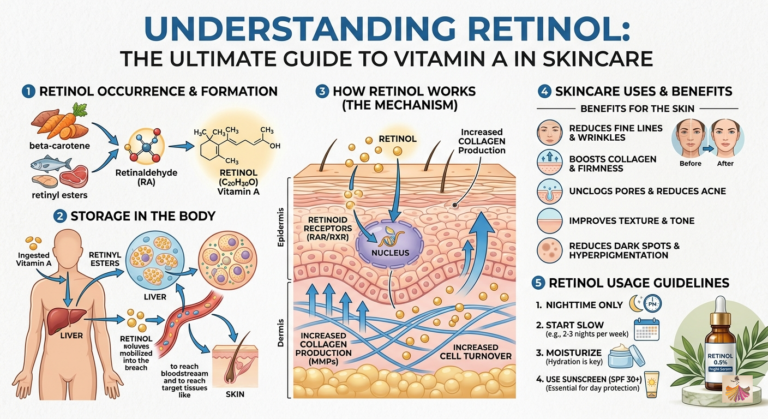
When you move to 30’s, fine lines become more prominent. Skin may start losing elasticity. This is a good time to introduce retinoids. Retinoids increase collagen production. They also promote cell turnover.
Using anti-aging products with retinoids can improve skin texture. Combine them with hydrating ingredients. This prevents dryness and irritation. Basic skincare, combined with retinoids, enhances results.
In Your 40s and Beyond
In your 40s, wrinkles and sagging become more apparent. Skin becomes drier and thinner. Using these products with peptides and hyaluronic acid helps. Peptides stimulate collagen production. Hyaluronic acid boosts hydration.
At this point, favor rich moisturizers and serums. Consider things that contain antioxidants, such as vitamin C. They lighten the complexion and minimize pigmentation. Basic skincare should now contain effective anti-aging elements.
Key Ingredients in Anti-Aging Products
- Retinoids – Boost collagen, improve texture, and reduce wrinkles.
- Antioxidants – Protect skin from free radicals and environmental damage.
- Peptides – Stimulate collagen and improve firmness.
- Hyaluronic Acid – Hydrates and plumps the skin.
- Sunscreen – Saves from UV damage and early aging.
Using anti-aging products with these ingredients enhances results. They address different aging concerns effectively.
The Role of Sunscreen in Anti-Aging
Sunscreen is essential at any age. UV rays cause premature aging. They lead to wrinkles, pigmentation, and sagging. Using anti-aging products without sunscreen is ineffective.
Include sunscreen in your everyday skincare routine. Choose a broad-spectrum SPF 30 or higher. This helps to protect your skin from UV damage and keeps it looking young.
Can You Start Too Early?
Starting too early isn’t always beneficial. In your teens and early 20s, focus on basic skincare. Cleanse, moisturize, and protect with sunscreen. Avoid heavy anti-aging-products.
Using anti-aging products too soon may irritate young skin. It can also make your skin dependent on active ingredients. Start with gentle antioxidants if needed.
Can You Start Too Late?
It’s never too late to begin using anti-aging products. In your 30s, 40s, or beyond, you can still see improvements. Your focus should be hydration, collagen rich food and protection form sun.
Basic skincare combined with potent anti-aging products can reduce visible signs of aging. Consistency is key. Results may take time but are worth the effort.
Tips for Using Anti-Aging Products Effectively
- Start slow – You should use one product at a time.
- Patch test – Check for any allergic reactions.
- Moisturize – Prevent dryness and irritation.
- Use sunscreen daily – Protect from UV damage.
- Be consistent – Regular use gives the best results.
It all depends on your skin; that when it needs an anti-aging product. In your 20s, focus on prevention with antioxidants and sunscreen. In your 30s and beyond, introduce retinoids, peptides, and more hydrating ingredients.
Basic skincare is essential for people of all ages. Every day, cleanse, moisturize, and use sunscreen to protect your skin. Using anti-aging products improves your everyday routine. However, persistence and patience are required to see benefits. Listen to your skin’s needs. Start slow and build up gradually. Using such products cautiously will result in youthful, beautiful skin for years to come.
FAQ’s
At what age should I start using anti-aging products?
Most dermatology research suggests starting preventive care in your mid-20s, when collagen begins to decline. Early use focuses on protection, not correction. Daily sunscreen and moisturizer are the foundation. Stronger actives can be added later if needed.
Can I start using anti-aging products in my early 20s?
Yes, but keep it simple and preventive. Use sunscreen, gentle moisturizer, and antioxidants like vitamin C. Avoid strong actives unless needed. Early care mainly protects skin from UV damage.
Is it too late to start in my 30s or 40s?
No, it is never too late to start. Skin still responds well to treatment at any age. In your 30s–40s, products like retinol and peptides become more useful. Consistency can still improve wrinkles and texture.
What are the best anti-aging products for beginners?
Start with sunscreen, moisturizer, vitamin C, and hyaluronic acid. These protect, hydrate, and brighten skin effectively. Later, you can add retinol slowly for collagen support. Simple routines work better than complex ones.
Can teenagers use anti-aging products?
Teenagers generally do not need anti-aging products. Basic skincare like cleanser, moisturizer, and sunscreen is enough. Strong actives like retinol can irritate young skin. Use them only if prescribed for acne.
FAQ’s
Will starting too early harm my skin?
Using mild products early is safe and helpful. However, strong ingredients used unnecessarily can cause irritation. Overuse may damage the skin barrier. Always start gently and gradually.
How often should I use anti-aging products?
Frequency depends on the product type. Sunscreen should be used daily in the morning. Retinol is usually used at night, starting 2–3 times weekly. Moisturizers and gentle serums can be used daily.
Can men use anti-aging products too?
Yes, anti-aging skincare is for everyone. Male and female skin ages similarly due to collagen loss and UV exposure. Men benefit equally from sunscreen, retinol, and moisturizers. Routine matters more than gender.
Is sunscreen an anti-aging product?
Yes, sunscreen is the most important anti-aging product. It protects against UV damage, the main cause of wrinkles and dark spots. Studies show daily sunscreen slows skin aging significantly. It is essential at all ages.
Do I still need basic skincare with anti-aging products?
Yes, basic skincare is always necessary. Cleanser, moisturizer, and sunscreen form the core routine. Anti-aging products work best when layered on healthy skin. Skipping basics reduces effectiveness and can irritate skin.