Turtleneck Sweaters Trend: Key Features You Need to Know
Turtleneck sweaters are a historic fashion staple. They combine warmth and style in a single item. Let’s look at the fundamental features that distinguish them.
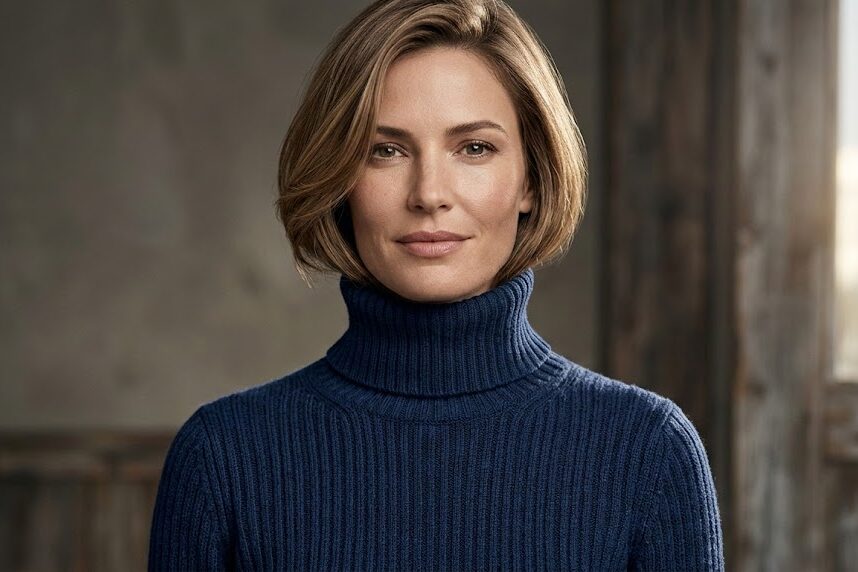
The Turtleneck Collar
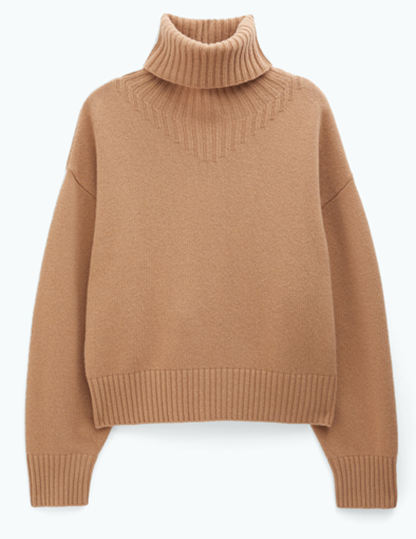
The collar is the most distinctive characteristic. The turtleneck collar fits snugly around the neck. It can vary in height. Some are tailored, while others are more loose. This collar gives both warmth and style. It adds a polished finish to any ensemble.
The design dates back centuries. Sailors wore early versions for warmth. Fishermen in Northern Europe preferred them. The knit protected against harsh winds. High collars reduced scarf dependence. Athletes later adopted the style. Polo players wore them in winter. This led to the name “polo neck.” In the United States, it became mainstream. Designers refined the silhouette over decades.
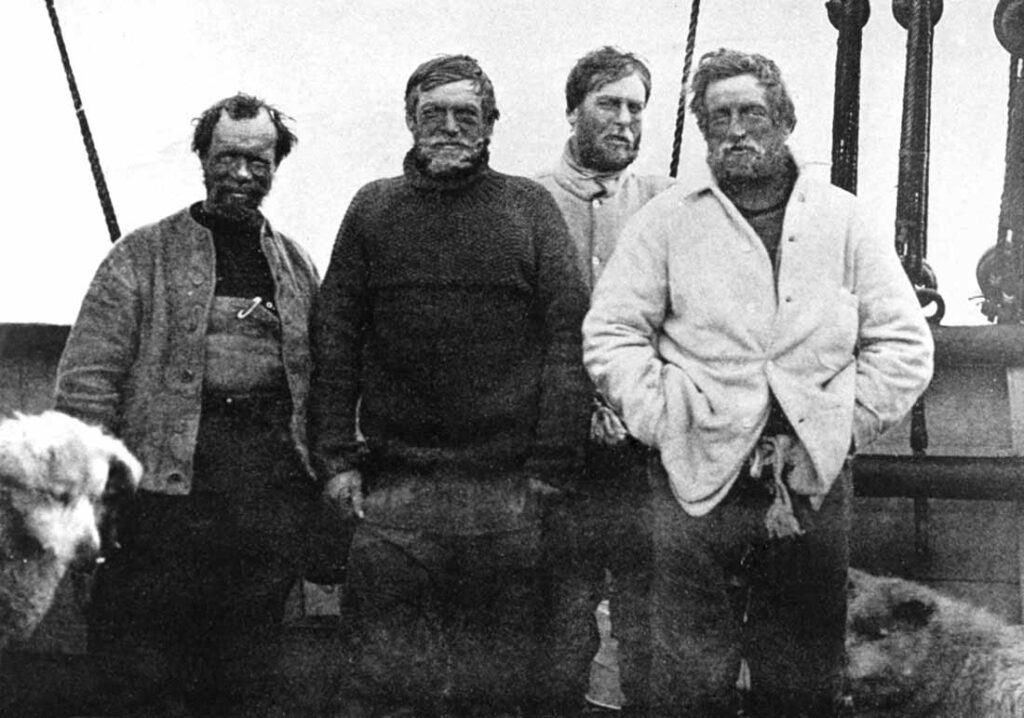
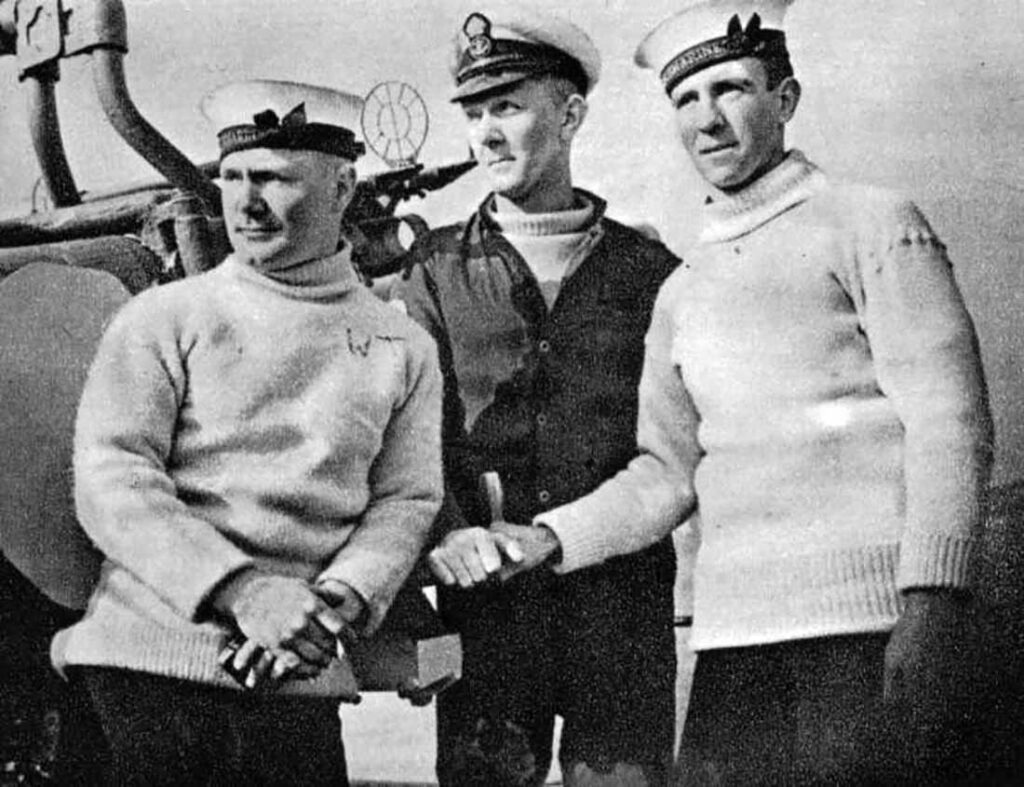
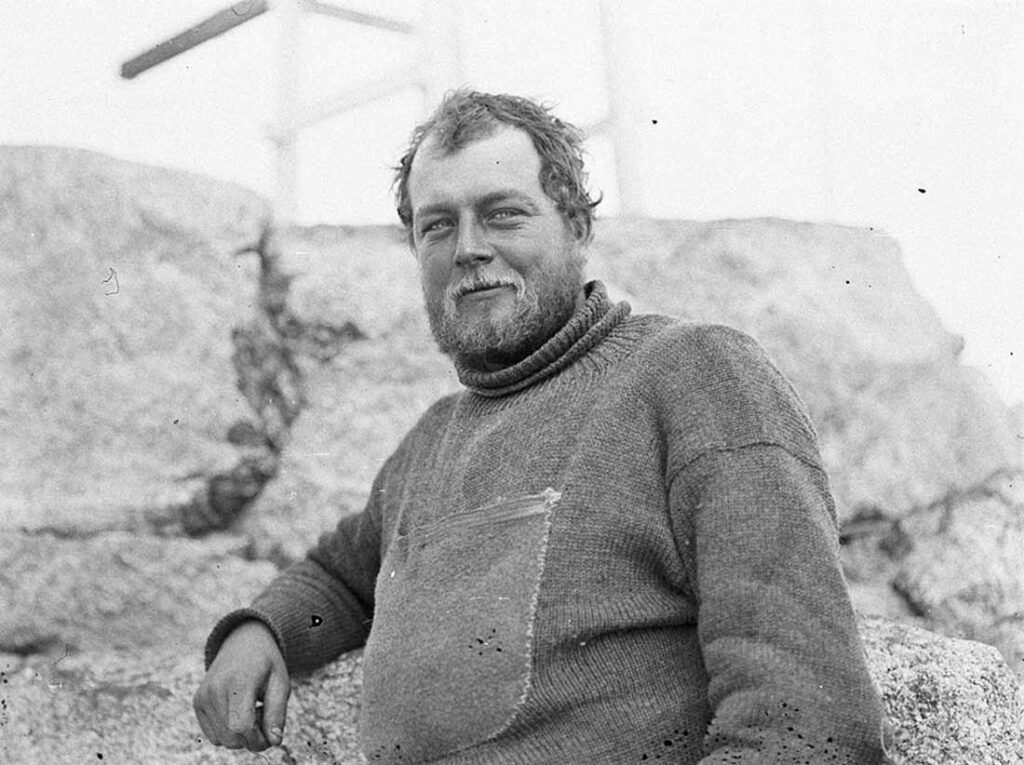
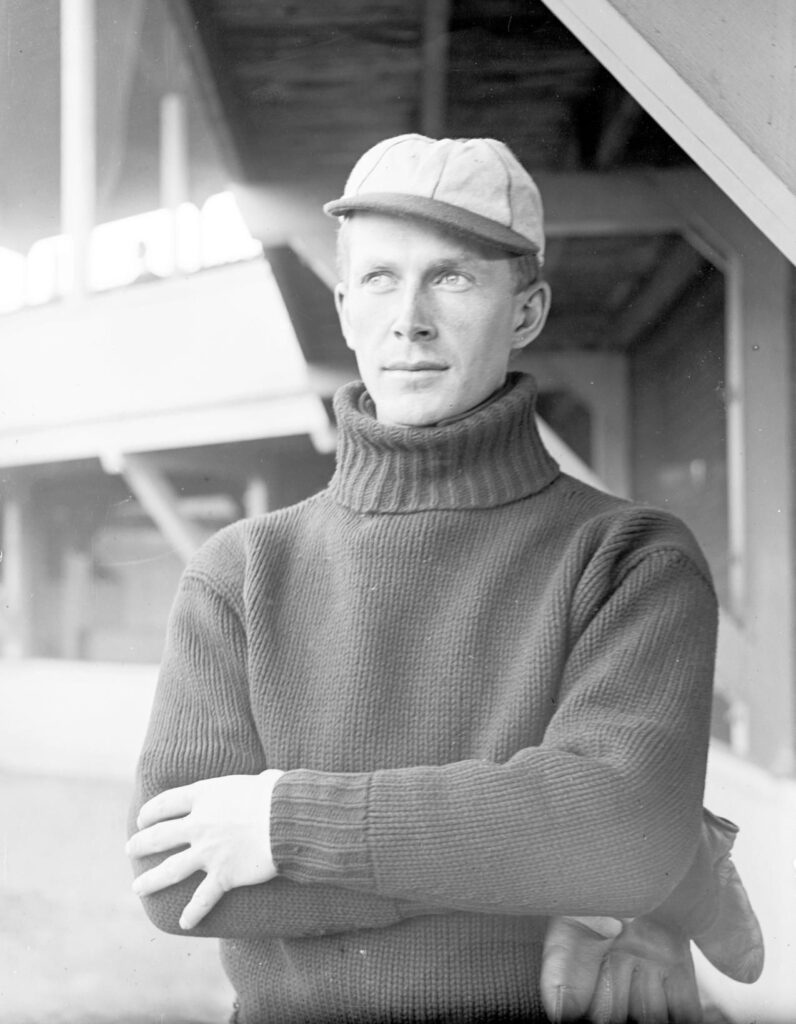
Modern versions balance comfort and structure. Ribbed knitting ensures stretch and recovery. Double-layer collars offer extra insulation. Fold-over styles create classic elegance. Mock necks offer shorter alternatives. Each variation serves a purpose. The collar frames the face neatly. It draws attention upward. This flatters many body shapes. The snug fit traps body heat. Heat retention improves winter comfort. Breathable yarns prevent overheating indoors. Thus, the collar blends science and style.
Various Styles and Cuts
Turtleneck sweaters are accessible in different styles. There are fitted, loose, cropped, and oversized available. Each style offers a distinct feel. Fitted turtlenecks give off a modern look. Oversized turtlenecks provide a casual, warm vibe. Because of their flexibility, they are suitable for a variety of choices.
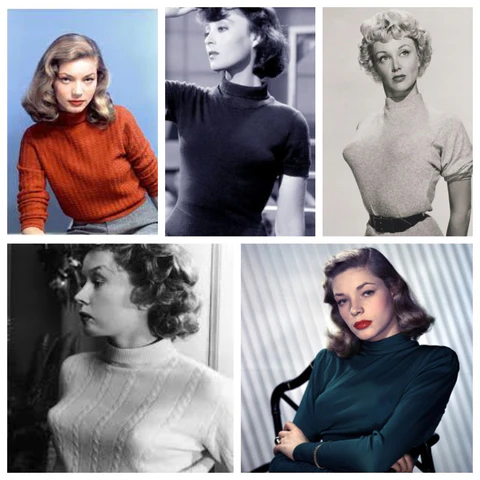
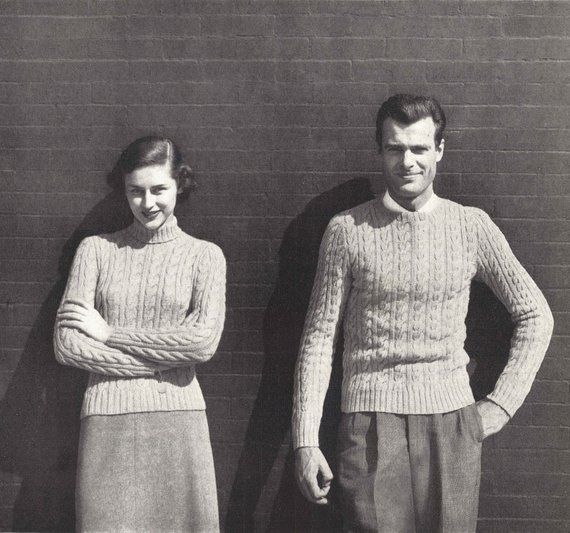
Design evolution expanded these options. The 1950s favored slim silhouettes. The 1980s embraced bold oversized fits. Contemporary fashion mixes both influences. Fitted styles highlight body contours. Stretch fibers enhance mobility. Oversized turtleneck sweaters increase airflow. Dropped shoulders add relaxed structure. Cropped cuts suit modern streetwear trends. Longline designs create layered depth. Sleeveless turtlenecks add versatility. They work well under blazers. Some styles feature side slits. Others include asymmetric hems. Knit density affects drape quality. Lightweight knits feel sleek. Chunky knits look cozy.
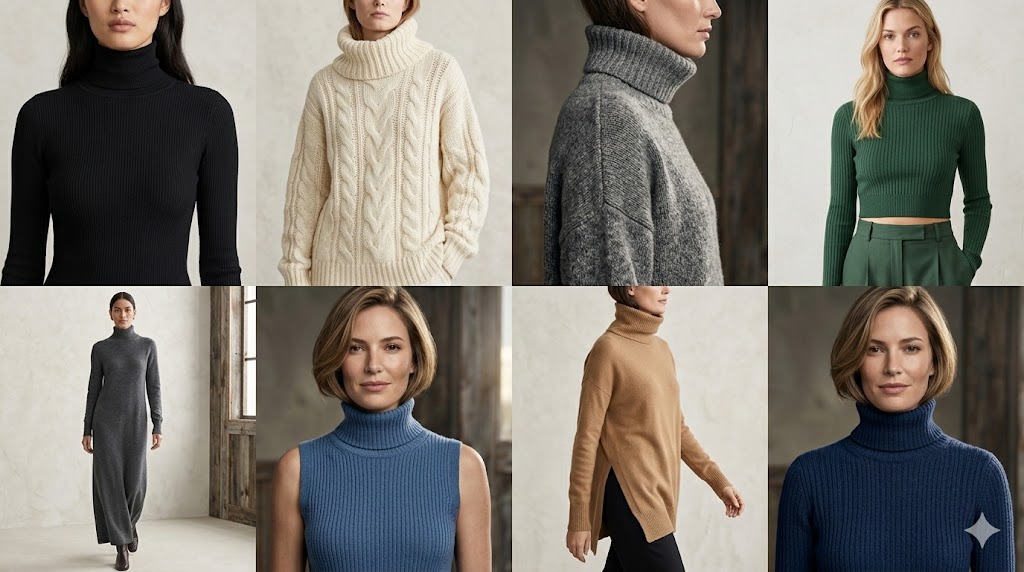
Designers experiment with sleeve shapes. Balloon sleeves add drama. Slim sleeves look refined. Each cut serves occasions differently. Office wear favors tailored shapes. Casual outings welcome relaxed fits. Evening styling supports sleek designs. The variety ensures universal appeal.
Material Matters
The material of a turtleneck sweater is essential. Wool, cotton, and cashmere frequently constitute fabrics. Wool provides warmth and durability. Cotton is lightweight and pleasant. Cashmere gives a luxurious touch to every outfit. Each material provides distinctive benefits. Select according to your comfort and stylistic choices.
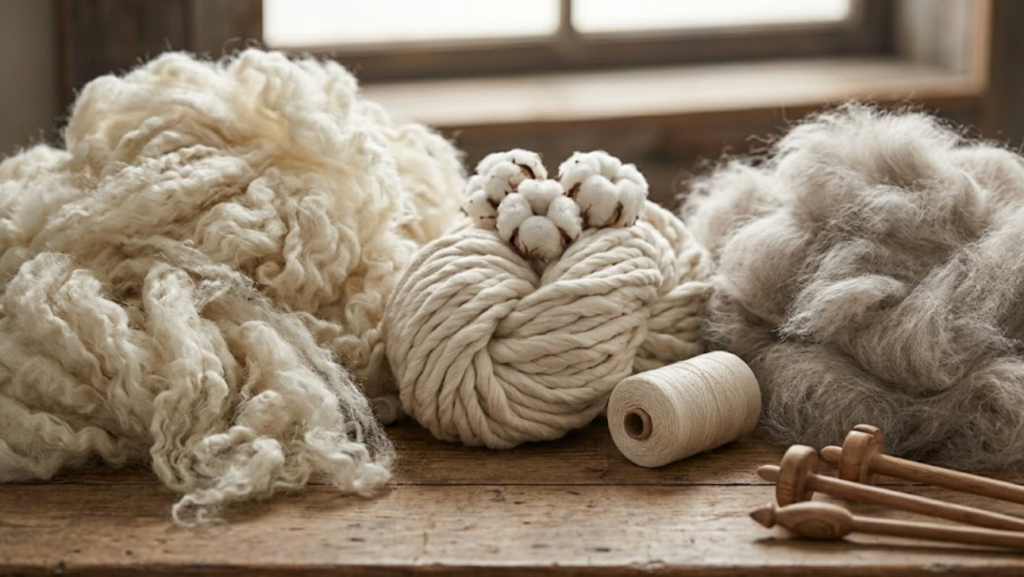
- Merino wool feels softer than regular wool. It regulates temperature effectively. Wool fibers trap insulating air pockets. This maintains steady body warmth.
- Cotton allows greater breathability. It suits mild climates well. Organic cotton reduces environmental impact.
- Cashmere comes from goat undercoats. It feels exceptionally soft. It is also lightweight. Blended fabrics enhance performance.
Wool blends reduce itchiness. Cotton blends increase stretch retention. Synthetic fibers improve durability. Acrylic mimics wool softness. However, it lacks natural breathability. Fabric weight affects seasonal usage. Heavy knits suit winter months. Fine knits fit transitional seasons. Sustainability matters increasingly. Ethical sourcing improves product value. High-quality yarn increases longevity. Proper care extends garment life. Hand washing preserves fiber strength. Flat drying prevents stretching. Fabric choice defines comfort levels.
Patterns and Textures
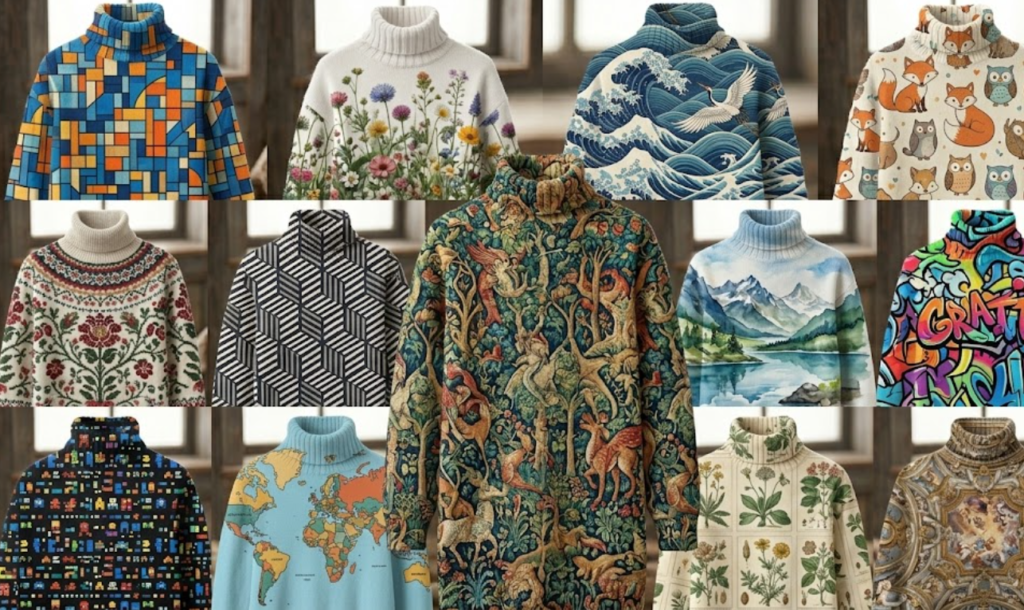
Turtleneck sweaters are available in a variety of patterns. You can choose from stripes, solids, or prints. Textured designs, such as cable-knit, create depth. These variances allow for individual expression. A patterned turtleneck may make an otherwise simple outfit stand out. It provides intrigue without dominating the appearance.
Cable-knit patterns originated in Ireland. Fishermen wore them traditionally. Each cable symbolized family identity. Ribbed textures enhance elasticity. Waffle knits add subtle dimension. Jacquard techniques allow complex motifs. Fair Isle patterns show Nordic heritage. Minimalist solids offer timeless elegance. Horizontal stripes widen visual appearance. Vertical ribs elongate the torso.
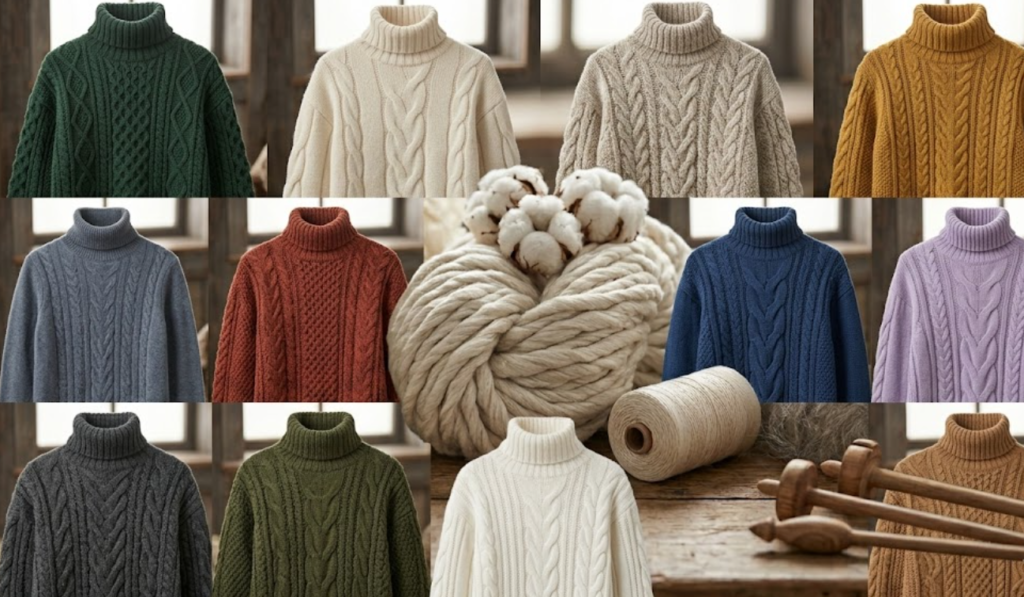
Printed designs add modern flair. Color-block patterns create bold contrast. Embroidered details increase uniqueness. Texture influences light reflection. Thicker knits look more structured. Fine knits appear smoother. Pattern placement affects styling impact. Balanced designs prevent visual clutter. Subtle textures suit formal settings. Bold patterns fit casual wear. Textural diversity enriches wardrobe options.
Versatility in Styling
Turtlenecks are quite adaptable. Dress them up or down. Pair them with jeans for a casual look. Wear them under a blazer at work. They may easily transition from day to night. Their adaptability makes them a wardrobe must.
Layering increases styling potential. Wear beneath tailored suits. Combine with wide-leg trousers. Pair with pencil skirts. Add statement necklaces for contrast. Minimal jewelry keeps focus clean. Tuck into high-waisted denim. This enhances waist definition. Belted styles add structure. Monochrome outfits look sophisticated.
Neutral tones ensure flexibility. Bright colors energize ensembles. Footwear changes overall impression. Boots create winter readiness. Sneakers add casual comfort. Heels enhance evening elegance. Outerwear pairing matters greatly. Wool coats complement knit textures. Leather jackets add edge. Blazers refine silhouettes instantly. Scarves increase warmth layers. Styling possibilities remain extensive.
Length and Fit
Turtleneck sweaters come in different lengths. You can pick between cropped, regular, and long lengths. Cropped turtlenecks go well with high-waisted pants. Long turtlenecks can be worn as dresses. Fit is also crucial. Tighter fitting provide a more streamlined appearance. Loose fits promote comfort and a relaxed atmosphere.
Proportions shape overall balance. Cropped styles highlight waistlines. Regular lengths suit most bodies. Tunic lengths provide coverage. Bodycon fits appear sleek. Relaxed fits encourage airflow. Oversized lengths create cozy silhouettes. Side slits increase mobility. Stretch ratios affect garment recovery. Tailoring refines shoulder alignment. Shoulder seams influence drape. Hem placement alters visual proportion. Petite frames suit shorter lengths. Taller frames manage longer styles.
Structured fits suit professional settings. Relaxed fits suit leisure days. Proper sizing improves confidence. Accurate measurement prevents discomfort. Balanced fit enhances appearance.
Layering Potential
Turtleneck sweaters are perfect for blending. They can be layered inside jackets and coats. This offers warmth while being lightweight. They may also be used over shirts. The outcome is in a fashionable, layered effect. Layering strategies can result in particular outfits.
Thermal layering improves insulation efficiency. Thin base layers trap heat. Mid-layers add bulk warmth. Turtlenecks function as mid-layers well. They reduce need for scarves. Sleeveless vests pair effectively. Denim jackets add texture contrast. Trench coats elevate urban style. Cardigans soften structured outfits. Shirts beneath add dimension. Collars create subtle contrast lines. Neutral palettes simplify layering.
Strategic layering reduces fabric bunching. Lightweight knits prevent heaviness. Smart layering enhances seasonal flexibility.
Seasonal Appeal
Turtleneck sweaters shine in colder months. They provide warmth without sacrificing style. However, they can also be worn in spring and fall. Lightweight turtlenecks are great for transitional weather. You can layer them under lighter jackets or blazers.
- Winter demands thicker fibers. Wool and cashmere excel then.
- Spring benefits from cotton blends. Breathable knits reduce overheating.
- Autumn styling includes earthy hues.
Transitional seasons require adaptable garments. Turtlenecks meet this need. Moisture-wicking fibers enhance comfort. Climate influences fabric selection. Indoor heating requires lighter weights. Outdoor exposure favors insulation. Seasonal rotation extends lifespan. Proper storage prevents moth damage. Cedar blocks deter insects naturally. Folded storage prevents stretching. Seasonal versatility increases value.
Color Choices
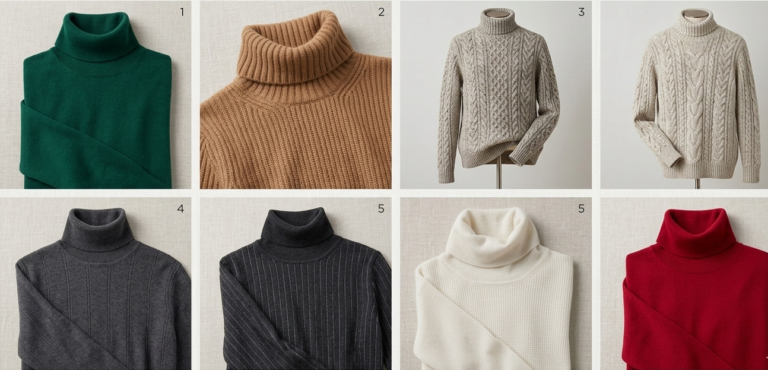
Turtleneck sweaters are available in many colors. Classic colors like black, white, and gray are popular. However, vibrant hues also make a statement. Earthy tones like olive and rust are trendy this season. Choose colors that complement your wardrobe.
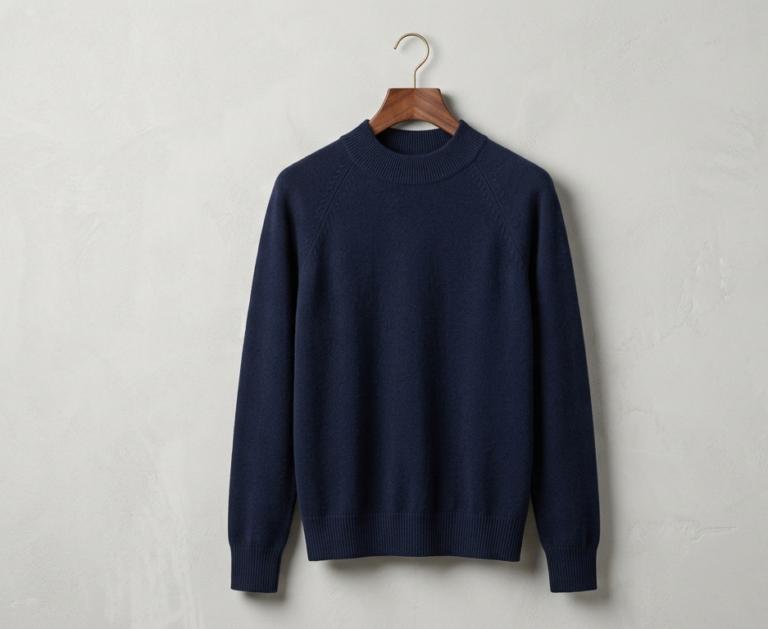
Black offers slimming effects. White creates crisp contrast. Gray ensures subtle elegance. Navy suits formal settings. Burgundy adds winter richness. Camel complements neutral palettes. Pastels suit spring moods. Bold red draws attention. Color psychology influences perception. Dark shades appear authoritative. Light shades feel approachable.
Coordinated palettes improve styling ease. Neutral bases expand outfit options. Statement colors refresh basics. Balanced color choice enhances versatility.
Celebrity Influence
Celebrities promoted turtleneck sweaters. Stars like Steve Jobs and Audrey Hepburn helped make them prominent. They frequently mix them with stylish outfits. Their effect on fashion persists to this day. Turtlenecks are a common choice among celebs.

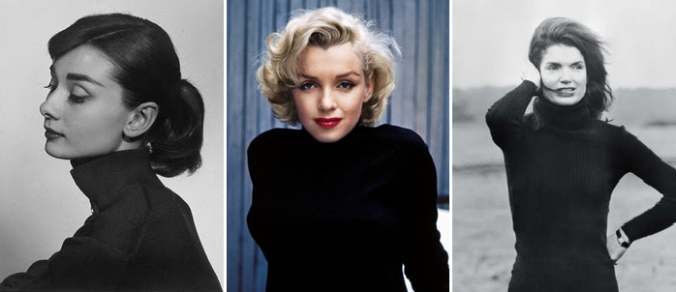
Steve Jobs favored black mock necks. This became his signature look. It symbolized simplicity and focus. Audrey Hepburn styled slim black turtlenecks elegantly. She paired them with cigarette pants. Fashion icons reinforced minimalist aesthetics.
Designers referenced these inspirations often. Runway collections revived classic silhouettes. Film and media amplified visibility. Modern influencers adopt updated variations. Celebrity endorsement increases market demand. Their styling inspires consumers globally. Cultural relevance sustains popularity.
Conclusion
The distinctive qualities of turtleneck sweaters set them apart. The unique collar provides both warmth and style. They come in a variety of designs, cuts, and materials. Their adaptability allows for several outfit combinations. Whether worn up or down, they are a timeless classic. With the correct style, a turtleneck can improve any outfit. Consider adding a couple to your collection this season!
FAQ’s
What is the main feature of a turtleneck sweater?
The main feature is its high, close-fitting collar. It covers and folds around the neck. This design provides warmth and a refined appearance.
How do turtleneck sweaters differ in style?
They vary in fit and cut, including fitted, oversized, cropped, and longline styles. Sleeve shapes and knit thickness also differ. Each style creates a distinct look and feel.
What materials are commonly used for turtleneck sweaters?
Common materials include wool, cotton, and cashmere. Wool offers warmth and durability. Cotton is breathable, while cashmere provides softness and luxury.
Can turtleneck sweaters be layered with other clothing?
Yes, they are ideal for layering. They can be worn under blazers, coats, or jackets. They also work well over shirts for added dimension.
What color options are available for turtleneck sweaters?
They come in classic shades like black, white, and gray. Earth tones and vibrant colors are also popular. This wide range supports versatile styling.