Short-Sleeve Blazers- Do They Offer More Styling Freedom Than Classics?
Blazers are vital for men’s fashion. They boost style and confidence. Short-sleeve blazers and traditional blazers serve distinct purposes. Let’s look at their versatility in different situations.
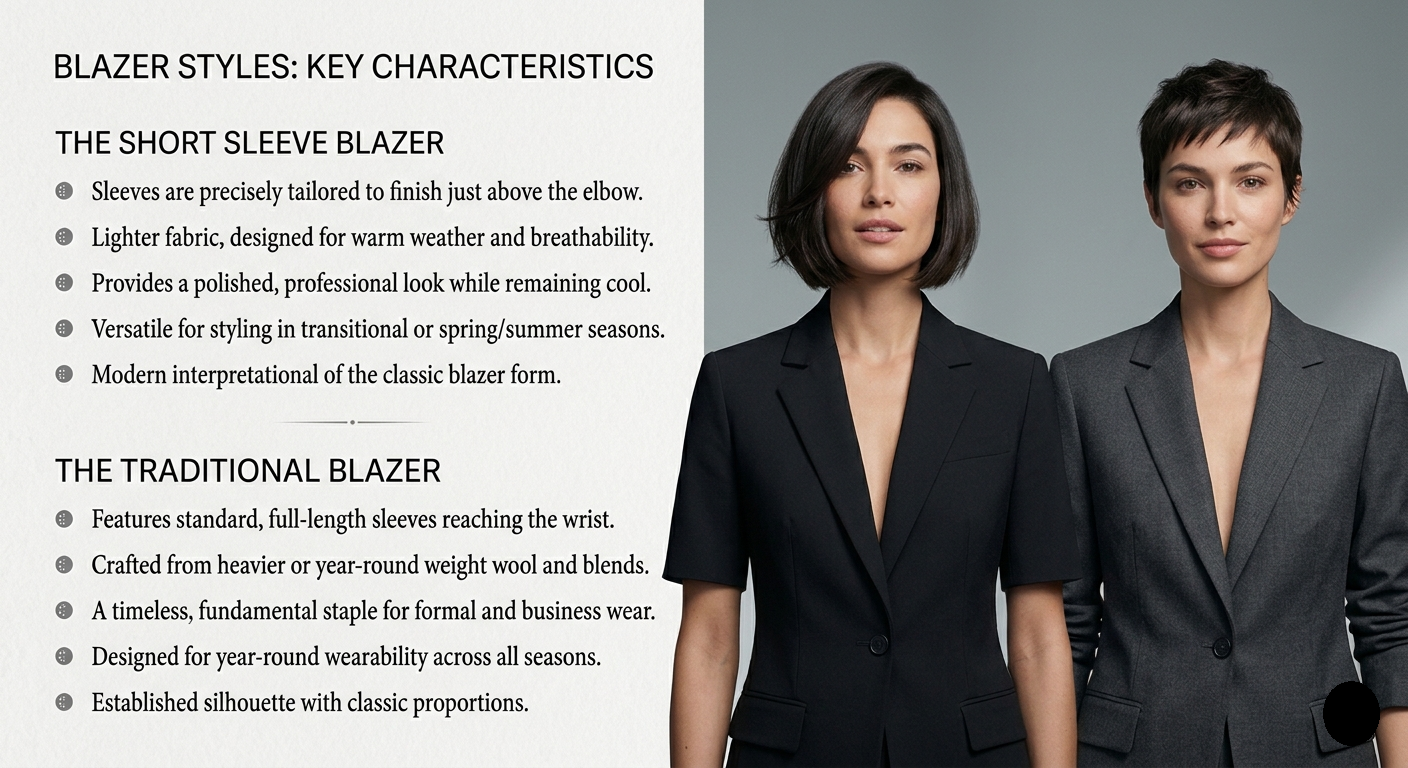
Modern menswear values flexibility and comfort. Short sleeve blazers reflect changing fashion needs. Traditional blazers maintain timeless elegance. Climate influences clothing choices strongly. Warmer weather increases demand for lighter garments. Designers focus on breathable tailoring solutions. Social trends promote relaxed formal wear. Both styles serve different lifestyle requirements. Choosing depends on purpose and environment.
1. Casual Wear
Short sleeve blazers fit well in men’s casual wear. They pair easily with jeans or chinos. Traditional blazers are more formal. They work best with dress pants.
Casual fashion focuses on comfort and ease. Short sleeve blazers enhance relaxed outfits effectively. Lightweight fabrics improve everyday wear comfort. Denim pairs well with casual blazers. Sneakers complete the informal look. Traditional blazers feel too structured here. Soft tailoring suits casual environments better. Minimal styling keeps outfits simple and modern.
2. Professional Attire
Traditional blazers are included in men’s professional wear. They present a formal aspect. Short-sleeved blazers provide a relaxed business-casual look. They are appropriate for workplaces that have flexible dress code policies.
Professional settings demand a polished appearance. Short sleeve blazers suit modern office environments. Tailored fits improve confidence and posture. Neutral tones maintain workplace professionalism. Traditional blazers dominate corporate dress codes. However, casual offices allow relaxed tailoring. Lightweight fabrics reduce discomfort during long hours. Proper styling ensures a refined look.
3. Summer Wear
Men’s summer wear needs breathable fabrics. Short sleeve blazers are lightweight. They keep men cool while maintaining style. Traditional blazers may feel heavy in hot weather.
Hot climates require practical clothing choices. Short sleeve blazers provide superior airflow. Linen and cotton improve summer comfort. Light colors reflect heat effectively. Traditional blazers trap more body heat. Reduced lining improves breathability significantly. Summer fashion favors lightweight tailoring. Comfort becomes the top priority here.
4. Formal Occasions
Traditional blazers dominate formal settings. They complement suits and dress shirts. Short-sleeve blazers are too relaxed for such events. They are best for semi-formal occasions.
Formal events require strict dress codes usually. Short sleeve blazers suit semi-formal gatherings better. Structured tailoring defines formalwear standards. Dark colors enhance formal appearance. Traditional blazers offer refined elegance always. Avoid casual elements in formal settings. Fabric quality influences overall impression. Proper fit ensures a sharp look.
5. Comfort and Movement
Short-sleeve blazers allow better arm movement. They suit active environments. Traditional blazers provide structure and elegance. They are ideal for meetings and presentations.
Comfort plays a key role in clothing choices. Short sleeve blazers allow greater flexibility. Reduced fabric improves ease of movement. Traditional blazers restrict motion slightly. Stretch fabrics enhance comfort levels. Lightweight designs reduce fatigue during long wear. Active lifestyles prefer relaxed tailoring options. Comfort improves overall confidence significantly.
6. Layering Options
Traditional blazers work well with multiple layers. They pair with sweaters and vests. Short-sleeve blazers have limited layering options. They are best worn with light shirts.
Layering adds depth to outfit styling. Short sleeve blazers suit minimal layering styles. Light shirts work best underneath them. Heavy layers reduce comfort in summer. Traditional blazers support winter layering easily. Temperature influences layering decisions strongly. Minimal layering improves breathability and ease. Simplicity defines summer fashion trends.
7. Travel Convenience
Short-sleeve blazers are great for travel. They pack easily and resist wrinkles. Traditional blazers need careful handling. They may require ironing and extra storage space.
Travel clothing should be practical and comfortable. Short sleeve blazers offer easy packing solutions. Lightweight fabrics reduce luggage weight. Wrinkle-resistant materials improve convenience. Traditional blazers need structured storage. Garment bags help maintain their shape. Versatile clothing reduces packing needs. Travel fashion values efficiency and simplicity.
8. Styling Variety
Short-sleeve blazers fit well in men’s summer wear. They come in bright colors and patterns. Traditional blazers stick to classic styles. They favor neutral tones and solid colors.
Styling variety reflects personal fashion preferences. Short sleeve blazers support bold styling choices. Bright colors create a fresh appearance. Patterns add personality to outfits. Traditional blazers focus on timeless elegance. Neutral tones ensure versatility in styling. Seasonal trends influence color choices. Creative styling enhances individuality strongly.
9. Workplace Suitability
Men’s professional wear often requires traditional blazers. They ensure a refined look. Short-sleeve blazers are better for creative workspaces. They offer a modern business-casual appearance.
Workplace dress codes vary across industries today. Short sleeve blazers suit relaxed office environments. Creative fields allow flexible dress standards. Traditional blazers fit corporate settings better. Neutral styling maintains a professional image. Proper fit enhances workplace confidence. Clean presentation improves overall impression. Adaptability is essential in modern workwear.
10. Seasonal Adaptability
Short-sleeve blazers excel in warm climates. They fit summer and spring outfits. Traditional blazers work in all seasons. They adapt well with layering.
Seasonal clothing depends on weather conditions. Short-sleeve blazers suit hot seasons perfectly. Lightweight fabrics improve summer comfort. Traditional blazers adapt to colder climates. Layering adds warmth during winter months. Fabric choice affects seasonal usability. Climate influences wardrobe decisions strongly. Versatile clothing improves year-round styling.
Comparison Table
| Feature | Short-Sleeve Blazers | Traditional Blazers |
| Formality | Semi-formal, casual | Formal, semi-formal |
| Comfort | High, breathable | Moderate, structured |
| Seasonality | Best for summer | Suitable year-round |
| Layering | Limited | Versatile layering |
| Professional Use | Business casual | Corporate settings |
| Travel-Friendly | Easy to pack | Needs careful handling |
| Styling Options | Bold patterns, light fabrics | Neutral tones, classic cuts |
Both blazers have their unique benefits. Short-sleeve blazers suit men’s summer wear and casual settings. Traditional blazers remain a staple in men’s professional wear. Choose based on comfort, season, and occasion.
Modern fashion values both style and practicality. Short sleeve blazers meet contemporary needs effectively. Traditional blazers maintain classic elegance always. Smart choices depend on climate and purpose. Versatility improves wardrobe functionality. Proper styling enhances overall appearance. Both styles remain essential in menswear.