Why Spirulina Is One of the Most Powerful Superfoods of 2026?
Superfoods have become increasingly popular in recent years, and few have received as much attention as spirulina. This blue-green algae is considered one of the most nutrient-dense foods on Earth. It has been consumed for centuries and is now widely available in the form of powders, tablets, capsules, gummies, and functional foods. Spirulina has attracted scientists, nutritionists, athletes, and beauty experts because of its impressive nutritional profile. It contains protein, antioxidants, vitamins, minerals, and plant compounds that may support overall health. Research has also investigated its potential benefits for immunity, heart health, exercise recovery, and skin wellness.
However, despite its popularity, many people still ask important questions. What exactly is spirulina? Is it an algae or a plant? What nutrients does it provide? Is it safe to consume daily? Can it improve health, beauty, and wellness? This comprehensive guide answers all of these questions. It covers everything you need to know about spirulina, including its history, nutritional composition, health benefits, cosmetic uses, recommended dosage, safety concerns, and the latest scientific findings available in 2026.
What Is Spirulina?
Spirulina is a type of blue-green microalgae scientifically classified as cyanobacteria. The two most widely cultivated species are Arthrospira platensis and Arthrospira maxima. Unlike seaweed, spirulina is microscopic and grows naturally in alkaline lakes and warm freshwater environments. The organism has gained worldwide recognition because of its remarkable nutritional density. Dried spirulina contains approximately 60–70 percent protein by weight, making it one of the richest plant-based protein sources available. It also provides essential amino acids, iron, magnesium, potassium, carotenoids, and several antioxidant compounds.
Its blue-green color comes from a natural pigment called phycocyanin. This compound has attracted scientific interest because of its antioxidant and anti-inflammatory properties. Today, many countries, including the United States, India, China, Thailand, and Mexico, cultivate spirulina commercially. Companies commonly market it as a dietary supplement and increasingly incorporate it into health foods, beverages, cosmetics, and nutritional products.
History of Spirulina
The history dates back hundreds of years. Historical records suggest that the Aztecs harvested spirulina from Lake Texcoco in Mexico and used it as a nutritious food source. Communities around Lake Chad in Africa also collected and consumed spirulina in the form of dried cakes. Modern scientific interest in spirulina began during the twentieth century when researchers discovered its exceptionally high protein content. During the 1960s and 1970s, international organizations explored spirulina as a possible solution to global malnutrition because of its rapid growth and impressive nutrient composition.
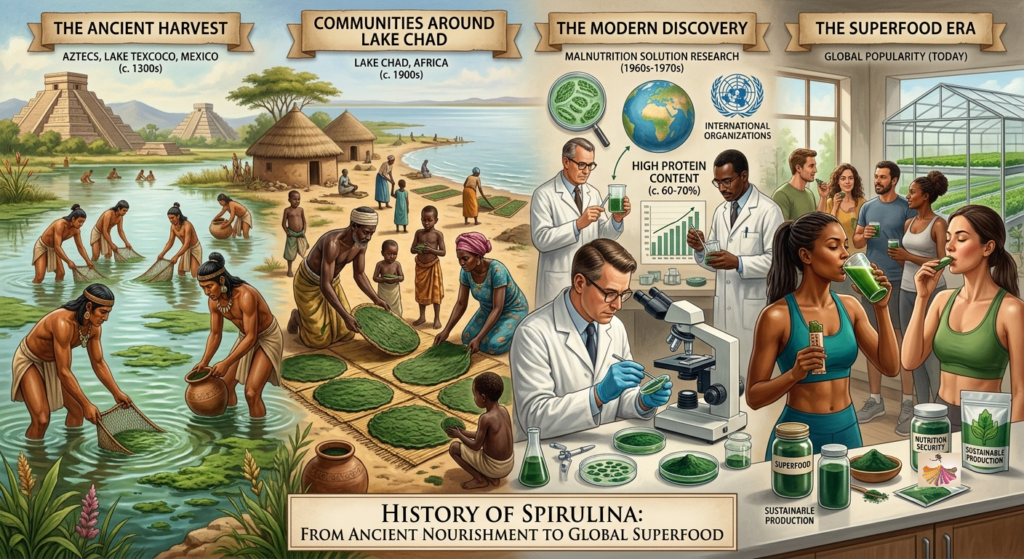
Over the decades, it became increasingly popular among health-conscious consumers. Athletes, vegetarians, and wellness enthusiasts promoted spirulina as a superfood and brought it widespread attention. Today, international organizations, including the United Nations Food and Agriculture Organization, recognize spirulina as a promising food source that may contribute to nutritional security and sustainable food production.
Types of Spirulina
Although several species of cyanobacteria exist, commercial producers cultivate only a few of them for human consumption. The most important species are Arthrospira platensis and Arthrospira maxima.
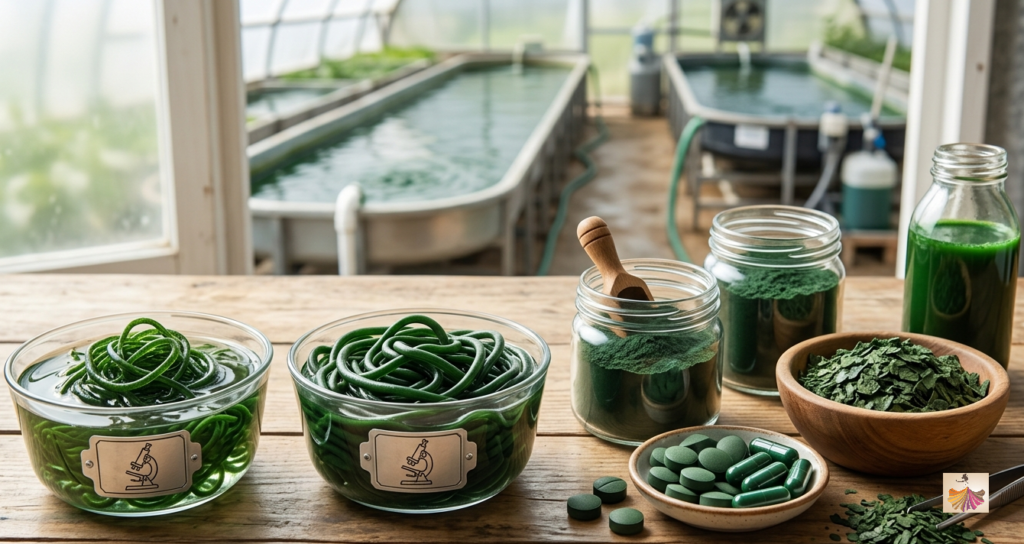
Arthrospira platensis is the most commonly produced species worldwide. It adapts well to commercial farming conditions and has been extensively studied for its nutritional and health properties.
Farmers also cultivate Arthrospira maxima in certain regions because it possesses a similar nutritional profile. Both species contain high levels of protein, vitamins, minerals, and antioxidants.
Commercial spirulina products may differ depending on cultivation methods, processing techniques, and quality standards. Therefore, nutritional values can vary slightly between manufacturers. Consumers should always purchase spirulina from reputable brands that conduct purity and contaminant testing. High-quality spirulina should be free from harmful bacteria, heavy metals, and environmental toxins.
How Is Spirulina Grown?
Spirulina grows naturally in alkaline lakes with high mineral concentrations and warm temperatures. Commercial producers generally cultivate it in controlled ponds or closed systems where they can carefully monitor environmental conditions. Farmers grow spirulina in shallow ponds exposed to sunlight, and the algae multiply rapidly through photosynthesis by converting sunlight and nutrients into biomass. Once the algae reach sufficient growth, farmers harvest them using filtration methods.

The harvested material is washed, dried, and processed into powders or tablets. Modern manufacturing facilities use advanced drying technologies to preserve nutrients and maintain product quality. Quality control is one of the most important aspects of its production. Poor cultivation conditions may lead to contamination with heavy metals or toxins produced by other algae species.
For this reason, consumers should choose products that have undergone third-party testing and comply with international safety standards.
Nutritional Profile of Spirulina
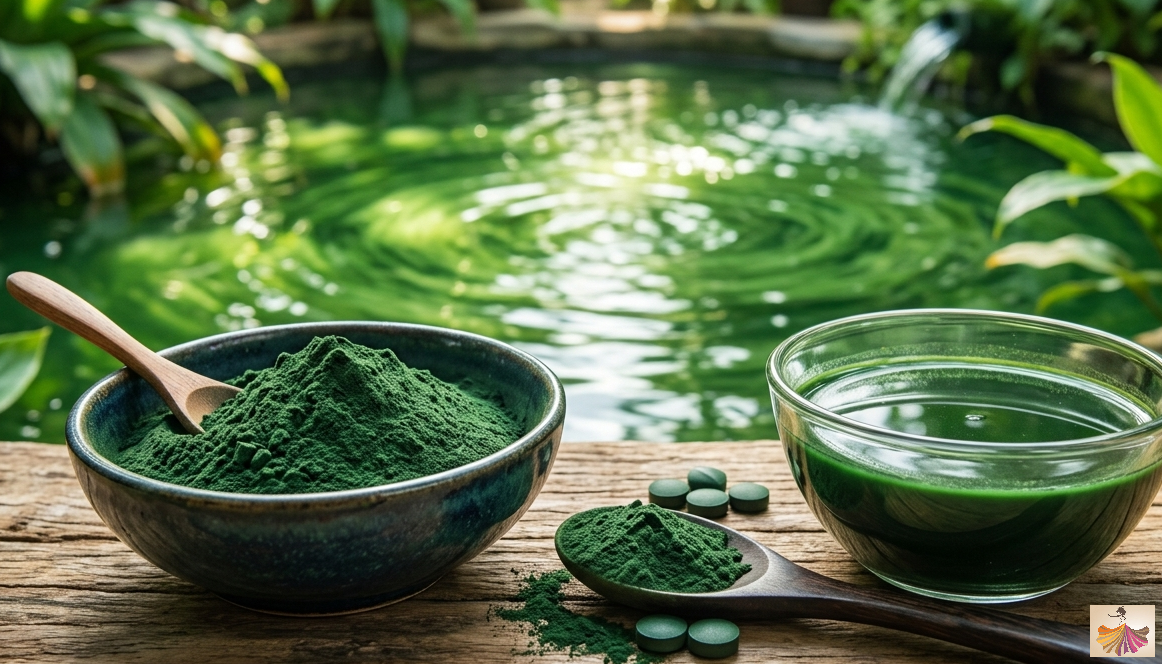
Spirulina is widely recognized as one of the most nutrient-rich foods in nature. It contains protein, vitamins, minerals, antioxidants, and essential fatty acids in concentrated amounts. One tablespoon of spirulina powder provides approximately four grams of protein along with significant amounts of iron, magnesium, and potassium. It also contains beta-carotene, chlorophyll, and phycocyanin.
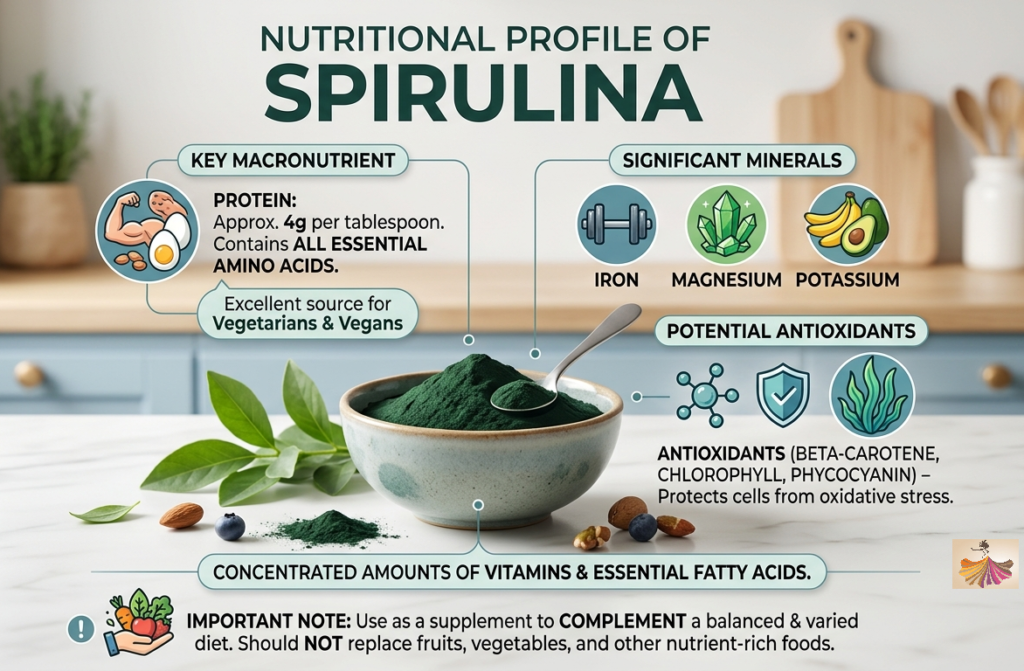
Its protein quality is especially remarkable because it provides all essential amino acids. This characteristic makes spirulina particularly attractive for vegetarians and vegans seeking additional protein sources. Spirulina also contains various antioxidant compounds that help protect cells from oxidative stress. These compounds include carotenoids, chlorophyll, and phycocyanin.
Although it is highly nutritious, it should not replace fruits, vegetables, and other nutrient-rich foods. Instead, it should be considered a supplement that complements a balanced and varied diet.
Health Benefits of Spirulina
Scientific research suggests that it may provide several health benefits due to its nutrient density and antioxidant properties. Studies have investigated its potential effects on immune health, cholesterol management, blood pressure, blood sugar regulation, and exercise recovery. The antioxidant phycocyanin has received particular attention because of its ability to neutralize free radicals.

Some research indicates that It may support healthy cholesterol levels and improve certain markers of cardiovascular health. Other studies suggest that it may help reduce exercise-induced fatigue and oxidative stress. Preliminary evidence also indicates potential benefits for immune function and metabolic health. However, many studies remain relatively small, and further research is necessary to confirm these findings.
Experts generally agree that it should not be considered a cure for any disease. Instead, it may serve as a nutrient-dense supplement that supports overall wellness when combined with healthy lifestyle practices.
Spirulina for Skin and Beauty
The beauty industry has increasingly embraced spirulina as a skincare ingredient. Its antioxidant content has made it a popular addition to face masks, serums, moisturizers, and anti-aging products. It contains compounds that may help protect the skin from environmental stressors such as pollution and oxidative damage. Its vitamins and pigments may also contribute to a healthier-looking complexion.
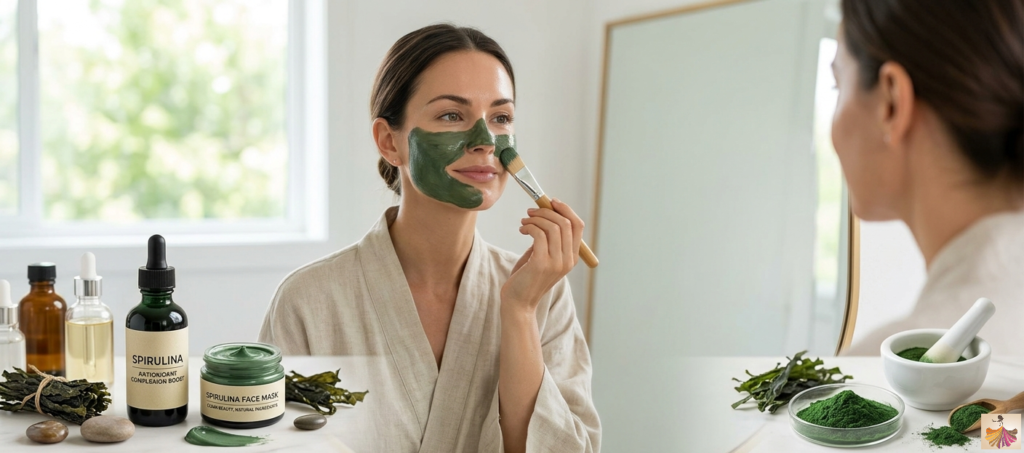
Many cosmetic brands use spirulina extracts because these naturally derived ingredients align with the growing demand for clean beauty products. Although research into topical spirulina applications is still developing, early findings suggest that its antioxidant properties may support skin appearance and hydration.
As a result, it has become a valuable ingredient in the beauty and cosmetic industry and continues to gain popularity among consumers seeking natural skincare solutions.
Is Spirulina Safe?
High-quality spirulina is generally considered safe for most healthy adults. However, product quality is extremely important because contamination remains one of the biggest concerns. It is harvested from uncontrolled environments may contain heavy metals, bacteria, or toxins. Therefore, consumers should purchase products from reputable manufacturers that perform independent safety testing.
Some people may experience mild digestive symptoms, including nausea, bloating, or stomach discomfort. Individuals with autoimmune conditions or those taking medications should consult healthcare professionals before using spirulina supplements. Pregnant and breastfeeding women should also seek medical advice before beginning supplementation. Overall, spirulina has a favorable safety profile when consumed responsibly and purchased from trusted sources.
Final Thoughts
Spirulina is one of the world’s most impressive superfoods. It provides high-quality protein, essential nutrients, and powerful antioxidant compounds in a highly concentrated form. Research suggests that it may support overall wellness, cardiovascular health, exercise recovery, and skin health. It is also gaining popularity within the beauty and cosmetic industries because of its natural antioxidant properties. However, quality and safety should always remain priorities. Choosing products from reputable manufacturers and using them as part of a balanced diet is the best approach. As scientific research continues, spirulina will likely remain one of the most important functional foods and natural wellness ingredients of the modern era.