
Tyler Ballgame Life, Songs, and Success: Everything You Need to Know
Introduction
In an era dominated by digital trends, algorithm-driven hits, and rapidly changing musical tastes, few artists manage to capture attention through sheer authenticity. Tyler Ballgame is one of those rare performers. Combining classic songwriting traditions with modern emotional honesty, he has emerged as one of the most intriguing singer-songwriters of the mid-2020s.



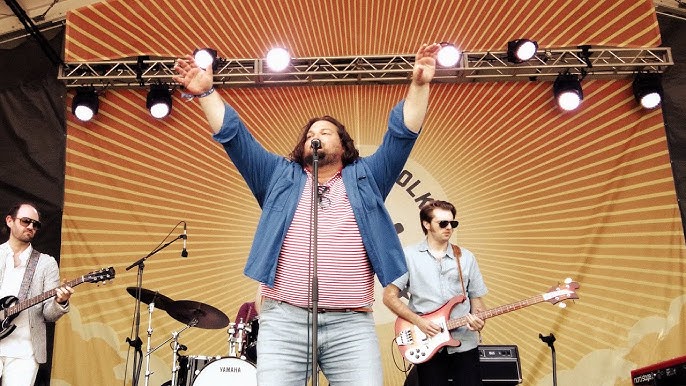
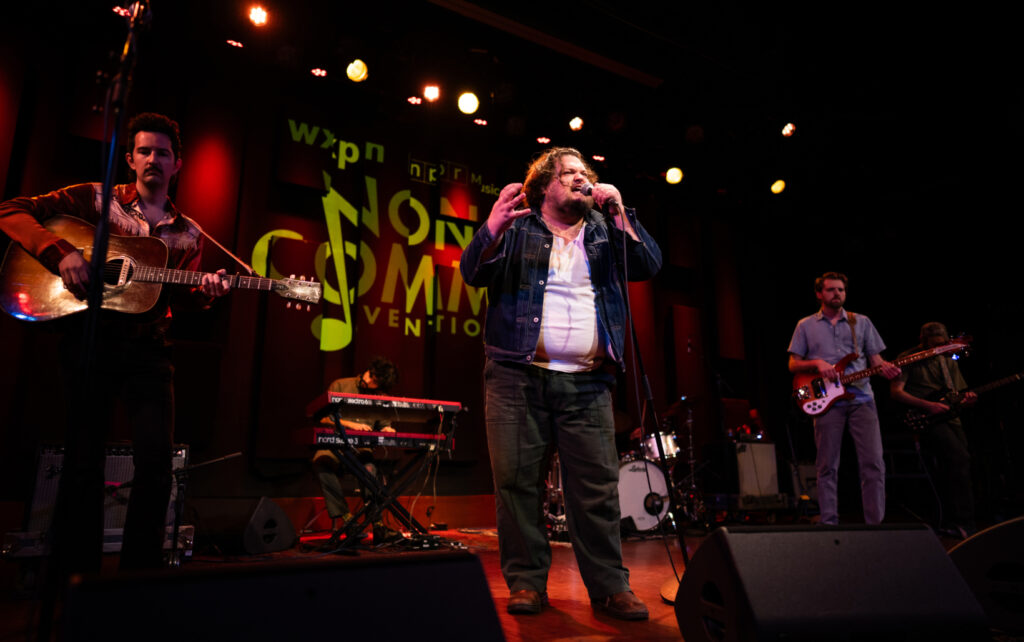
Known for his powerful voice, theatrical stage presence, and deeply personal songwriting, Tyler Ballgame has attracted comparisons to legendary artists such as Roy Orbison, Elvis Presley, Harry Nilsson, and Tim Buckley. Critics and fans alike have been captivated not only by his music but also by the remarkable personal journey that led him from depression, self-doubt, and years of obscurity to becoming one of the most talked-about new artists in independent music.
Behind the stage name is Tyler Perry, a Rhode Island-born musician whose path to success was anything but conventional. His story includes musical theater, Berklee College of Music, mental health struggles, open-mic performances in Los Angeles, and eventually a recording contract with Rough Trade Records. His debut album, For the First Time, Again, introduced audiences to a songwriter capable of blending vulnerability, hope, spirituality, and classic rock influences into a distinctive artistic voice. Today, Tyler Ballgame represents more than a musician. He symbolizes reinvention, perseverance, and the idea that artistic success can arrive after years of uncertainty.
Quick Facts about Tyler Ballgame (Info Box)
Childhood
Tyler Perry grew up in Rhode Island, where music became a significant part of his life at an early age. Family members and people around him recognized his vocal talent during childhood, creating expectations that he might eventually pursue a career in music. According to interviews, he frequently received praise for his singing ability while growing up. Unlike many contemporary artists who discovered music through online platforms, Tyler’s early influences were rooted in traditional songwriting and classic musicianship. He developed an appreciation for melody, storytelling, and emotional performance that would later define his artistic identity.

Musical theater also played an important role in his youth. Participation in theater helped him become comfortable performing before audiences and contributed to the dramatic stage presence that later became a defining feature of Tyler Ballgame. This theatrical background would eventually influence the creation of his stage persona and his ability to command attention during live performances. His childhood exposure to classic artists laid the groundwork for a musical style that now feels simultaneously nostalgic and contemporary.
Education
Tyler pursued formal music education at the renowned Berklee College of Music in Boston, one of the world’s most respected institutions for aspiring musicians and songwriters. He enrolled to study songwriting, hoping to develop his craft professionally. However, his college years were challenging. During this period, he struggled with depression and self-confidence issues. These difficulties affected both his academic performance and personal well-being.
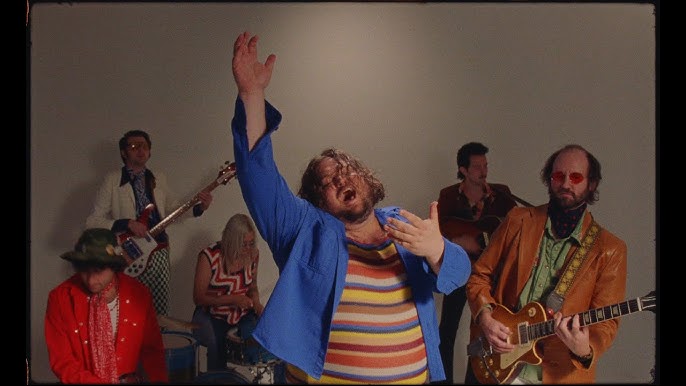
Eventually, Tyler left Berklee before completing his degree. While many artists might view dropping out as a setback, the experience ultimately became an important chapter in his development. The songwriting knowledge he acquired remained valuable, while his struggles provided emotional experiences that later informed his music. His departure from college marked the beginning of a difficult period characterized by uncertainty, but it also set the stage for his eventual artistic transformation.
Family
Tyler Ballgame has generally maintained a private approach regarding his family life. Public sources indicate that after leaving Berklee, he returned to Rhode Island and lived with his mother while working with his father. He also spent time working within his stepfather’s dog-training business. Family support appears to have played an important role during some of the most difficult periods of his life. Despite setbacks and extended struggles with depression, those closest to him continued supporting his musical ambitions.
Although detailed information about siblings, marital status, or children has not been widely published, interviews suggest that family expectations regarding his musical talent contributed both motivation and pressure during his early adulthood.
Cultural Background
Tyler Ballgame’s artistic identity reflects a blend of several cultural influences. His New England upbringing exposed him to traditional American singer-songwriter traditions, while his later relocation to Los Angeles introduced him to a thriving creative community. These contrasting environments helped shape both his music and worldview. Musically, he draws inspiration from:
- Roy Orbison
- The Beatles
- The Who
- Jim Croce
- Nick Drake
- Elliott Smith
- Fleet Foxes
- Harry Nilsson
These influences span multiple decades and genres, contributing to a sound that combines classic rock, folk, Americana, and indie music. His interest in mindfulness and spiritual teachings, particularly the work of Eckhart Tolle and Alan Watts, has also become a recurring theme in his creative philosophy and songwriting.
Career Beginning
First Steps in the Industry
The road to recognition was unusually long. After leaving Berklee College of Music, Tyler spent years trying to establish himself as a musician. During this period, he worked various jobs while continuing to write songs. He performed in cover bands and tribute acts, gradually refining his musical abilities without achieving widespread recognition. His twenties were marked by creative frustration, depression, and uncertainty about his future. According to his own accounts, this period involved significant struggles with self-worth and direction.
Initial Recognition
A major turning point occurred when he sought counseling and began addressing his mental health challenges. With renewed confidence, he made the bold decision to move from Rhode Island to Los Angeles around age 29. During the day he worked for a real-estate company, while nights were devoted to open-mic performances.

These performances gradually attracted attention. Audiences were particularly impressed by his vocal ability, especially when he closed shows with Roy Orbison’s “Crying.” His powerful voice and emotional delivery helped distinguish him from countless other aspiring performers.
Fields of Work
Tyler Ballgame has worked as:

- Singer
- Songwriter
- Recording Artist
- Live Performer
- Composer
- Vocalist
- Touring Musician
His work primarily spans folk rock, classic rock revival, Americana, and singer-songwriter music.
Rise to Fame
Creation of Tyler Ballgame
One of the most fascinating aspects of his career is the creation of the Tyler Ballgame persona. The name was inspired by baseball legend Ted Williams, who was known as “Teddy Ballgame.” Initially, the name appeared as a self-deprecating joke in his songwriting. Over time, however, it evolved into an aspirational identity.

Tyler has described Ballgame as a character that allows him to express confidence, courage, and artistic freedom on stage. This transformation became central to his career development.
Breakthrough
After establishing himself within the Los Angeles music community, Tyler caught the attention of acclaimed producer Jonathan Rado. Together, they recorded a substantial body of material that eventually formed the foundation of his debut album. Ryan Pollie also contributed to the project.
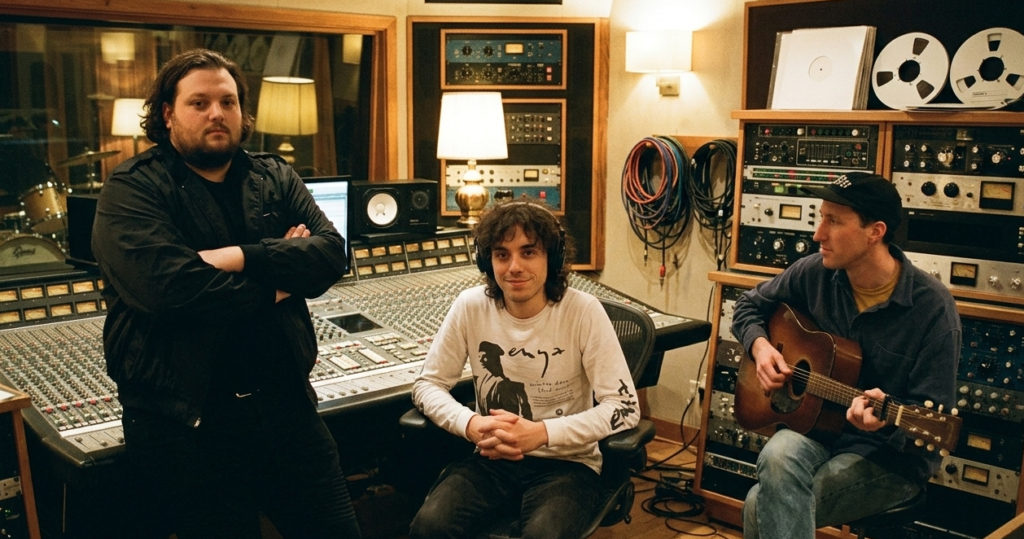
Industry interest quickly followed. A viral performance clip further expanded his audience, and eventually he signed with Rough Trade Records. Critics began praising both his voice and songwriting, resulting in significant media attention.
Key Success Factors
Several elements contributed to Tyler Ballgame’s rise:
Exceptional Vocals
His voice remains the most frequently praised aspect of his artistry. Critics regularly compare him to Roy Orbison and other iconic singers.
Emotional Authenticity
His songs draw heavily from personal experiences, making them relatable and sincere.
Persistence
Years of setbacks gave him perspective and resilience.
Strong Songwriting
His formal songwriting education and years of practice helped refine his craft.
Distinct Identity
The Tyler Ballgame persona provides a memorable and unique artistic brand.
Songs and Discography
Studio Album
For the First Time, Again (2026)
This debut album established Tyler Ballgame as one of the most promising singer-songwriters of his generation. Themes include:

- Self-discovery
- Hope
- Personal growth
- Love
- Spiritual awakening
- Reinvention
The album contains 12 tracks. Publicly identified songs include:
Confirmed Songs

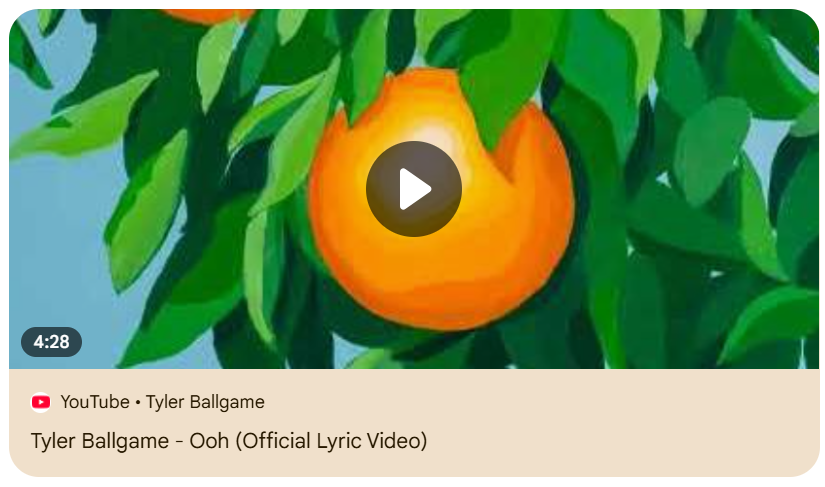




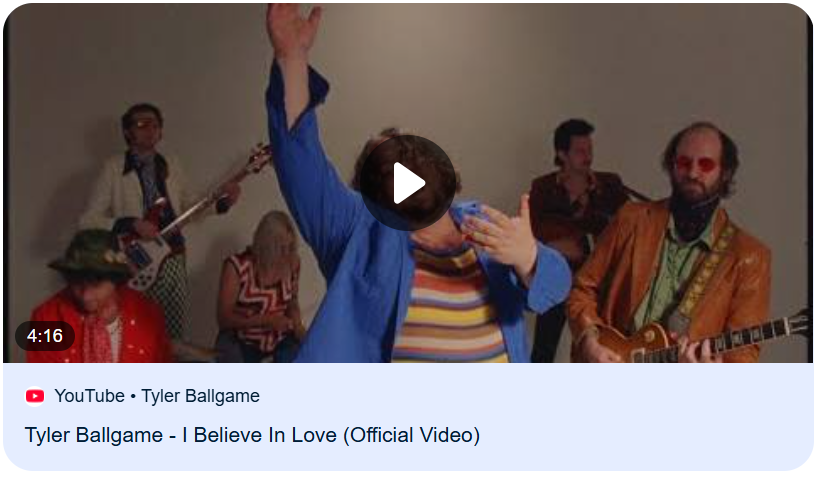
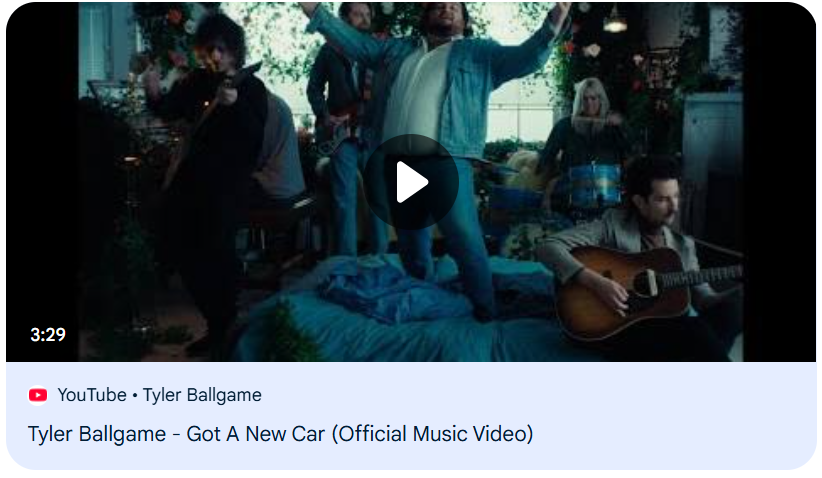

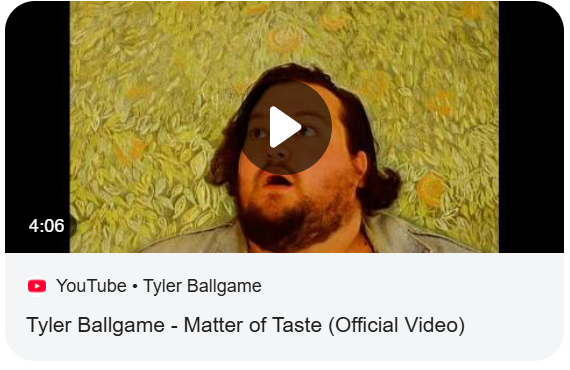
- For the First Time, Again
- Got a New Car
- I Believe in Love
- A Matter of Taste
- You’re Not My Baby Tonight
- Deepest Blue
- Help Me Out
- Sarah
- Ooh
- Sing How I Feel
These tracks have been referenced in reviews, interviews, festival materials, or public discussions.
Songwriting Themes
Tyler’s compositions often explore:
- Depression recovery
- Identity
- Relationships
- Personal growth
- Spiritual awareness
- Self-acceptance
- Hope
Many songs are autobiographical, drawing directly from experiences in Rhode Island, Los Angeles, and his personal transformation journey.
Awards and Recognition
As a relatively new recording artist, Tyler Ballgame has not yet accumulated a large list of major industry awards. However, he has achieved several important forms of recognition:
Critical Acclaim
Numerous publications have praised his debut album and live performances.
Record Deal
Signing with Rough Trade Records represents a major industry achievement for an emerging artist.

Festival Appearances
His inclusion in major music festivals has expanded his international visibility.
Media Recognition
Major outlets including The Guardian, The Times, Boston.com, WFUV, and others have profiled his career and music.
Social Media Interaction
Tyler Ballgame has effectively used social media to build a loyal fan community. His online presence grew significantly following viral live-performance clips and the release of his debut album. Reviews and fan discussions across Reddit, Instagram, and other platforms consistently highlight:
- His vocal ability
- Genuine personality
- Openness regarding mental health
- Engagement with fans
- Humorous self-awareness
Public interactions, including Reddit AMA sessions, reveal an artist who enjoys direct communication with listeners and often discusses creativity, songwriting, touring, and musical influences. Social media has also played a crucial role in introducing new audiences to his music, helping transform him from a local Los Angeles performer into an internationally discussed emerging artist.
Legacy and Future Prospects
Although still early in his professional career, Tyler Ballgame’s story already resonates with many people. His journey demonstrates that success does not always arrive quickly. Years of setbacks, self-doubt, and personal struggles ultimately became the foundation for a powerful artistic voice.
What distinguishes Tyler Ballgame from many emerging artists is the combination of exceptional vocal ability, classic songwriting craftsmanship, emotional honesty, and an inspiring personal narrative. His music bridges generations, appealing to listeners who appreciate both traditional songwriting and contemporary authenticity.
With a critically acclaimed debut album, growing international recognition, and an expanding fan base, Tyler Ballgame appears positioned for continued growth. If his future work builds upon the strengths displayed in For the First Time, Again, he may become one of the defining singer-songwriters of his generation. For now, Tyler Ballgame remains a compelling example of perseverance, reinvention, and the enduring power of believing in oneself even when success seems distant.