Apple Watch vs Samsung Galaxy Watch: Complete 2026 Comparison
Choosing a smartwatch in 2026 feels challenging. Two major brands dominate. Samsung Galaxy Watch and Apple Watch lead markets.
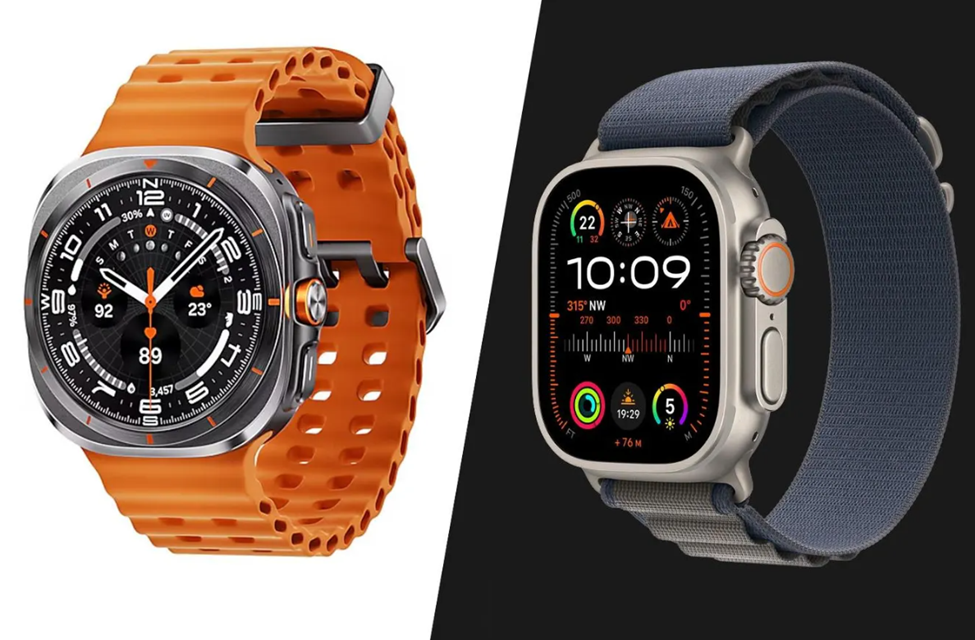
Both wearables offer advanced tech features. Users expect strong performance, battery life, health tools, and durability. Each watch has strengths and weaknesses. Understanding those helps you choose wisely. This guide explains every key specification in detail. It compares technologies clearly. Each specification gets deep explanation.
Design and Build Quality
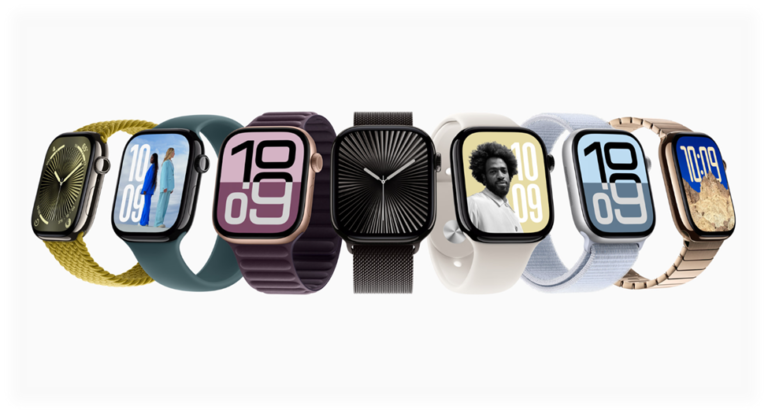
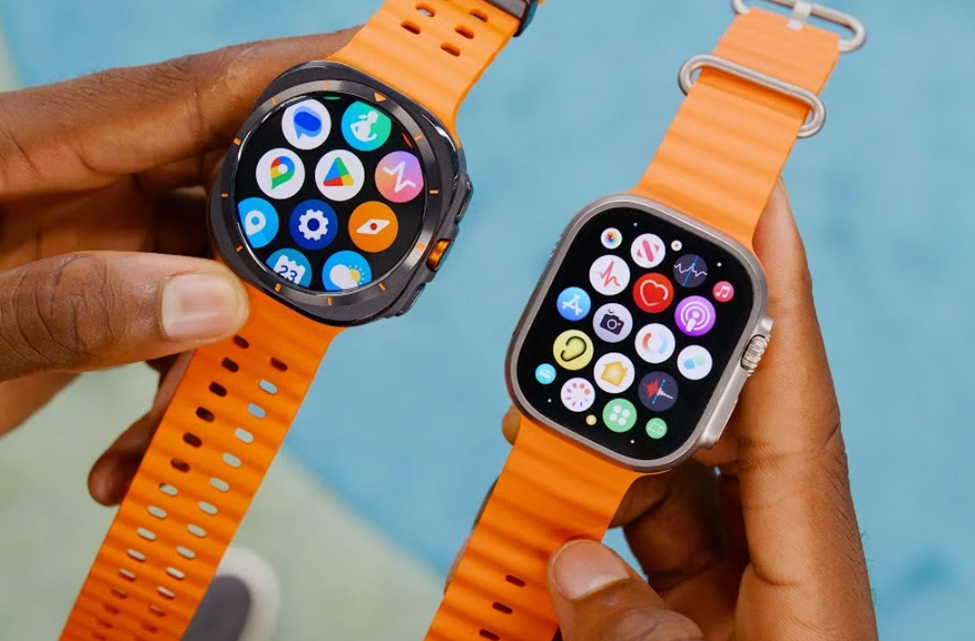
Samsung Galaxy Watch and Apple Watch show different design philosophies. Samsung Galaxy Watch looks round and classic. It resembles traditional watches with digital flair. Apple Watch uses square display corner design. It prioritizes modern digital interaction space. Round faces feel familiar to analog watch lovers. Square screens give more content space. Apple Watch corners maximize text visibility. Galaxy Watch curvature feels more like real watch.
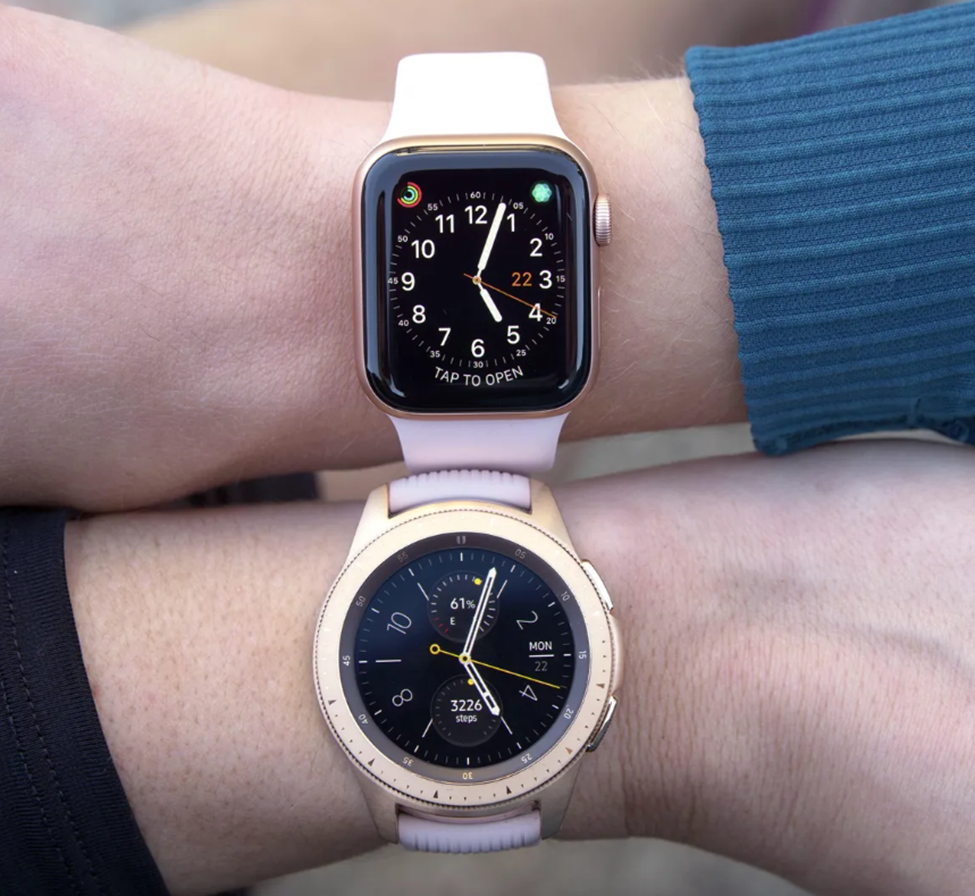
Both watches use premium materials. Samsung offers aluminum, stainless steel, titanium. Apple uses aluminum, stainless steel, and titanium. Premium materials resist scratches and daily wear. Comfort matters when worn daily. Galaxy Watch bands feel slightly wider. Apple Watch bands feel thinner and smooth. Band design affects wrist comfort differently. People with larger wrists prefer Galaxy Watch. Small wrist users often choose Apple Watch.
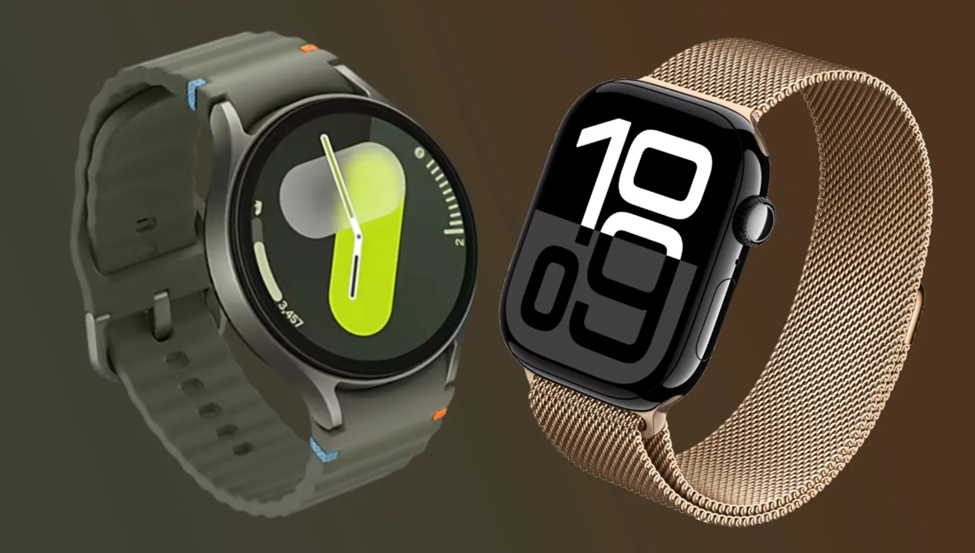
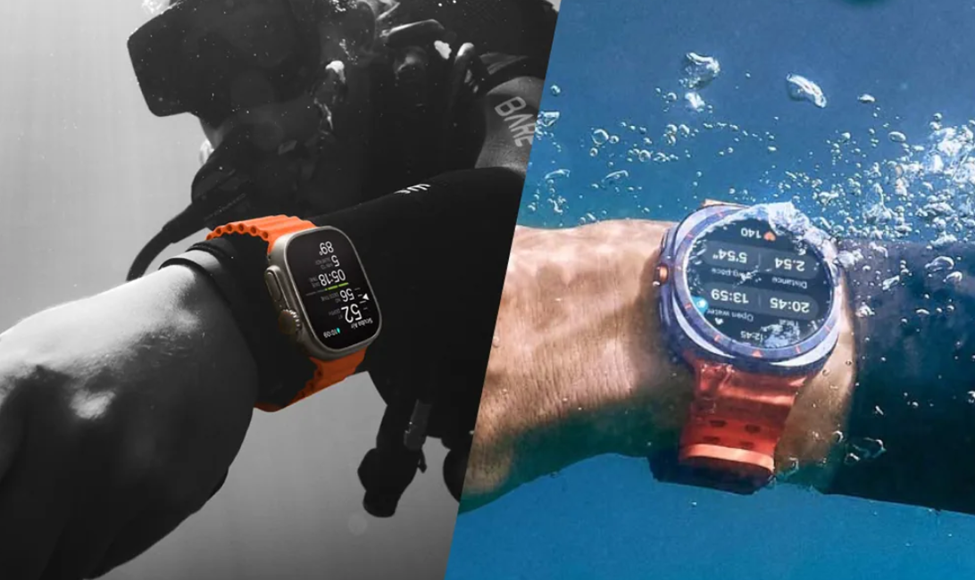
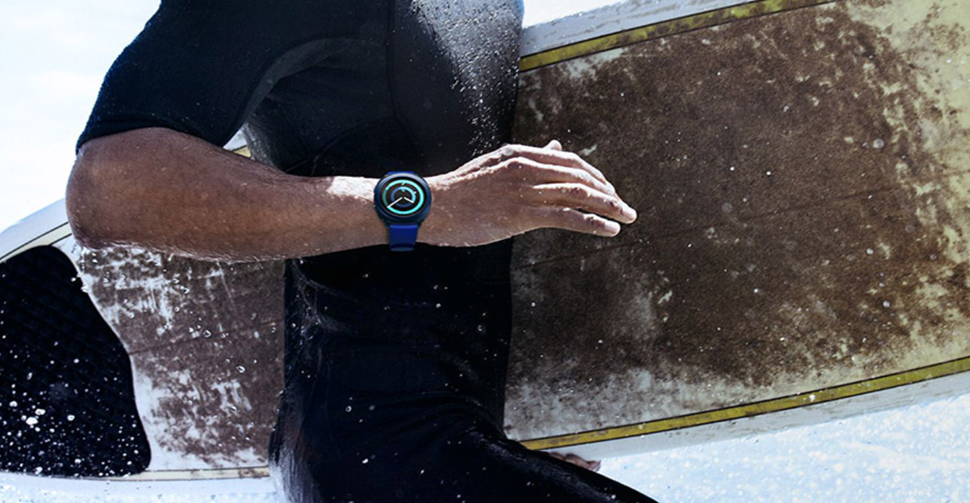
Water resistance also matters. Both have 5 ATM water resistance. They handle rain and shallow swimming. Never use either in deep diving often.
Display Technology
Display quality shapes user experience daily. Samsung Galaxy Watch uses AMOLED (Active-Matrix Organic Light-Emitting Diode) panels. These screens offer deep black levels. Colors look vibrant and rich. Display appears bright outdoors easily. Apple Watch uses LTPO (Low-Temperature Polycrystalline Oxide) OLED (Organic Light-Emitting Diode) technology. This screen dynamically lowers refresh to save energy. Colors stay crisp and true. Detail sharpness feels smooth and real. Text remains readable even in bright sun.
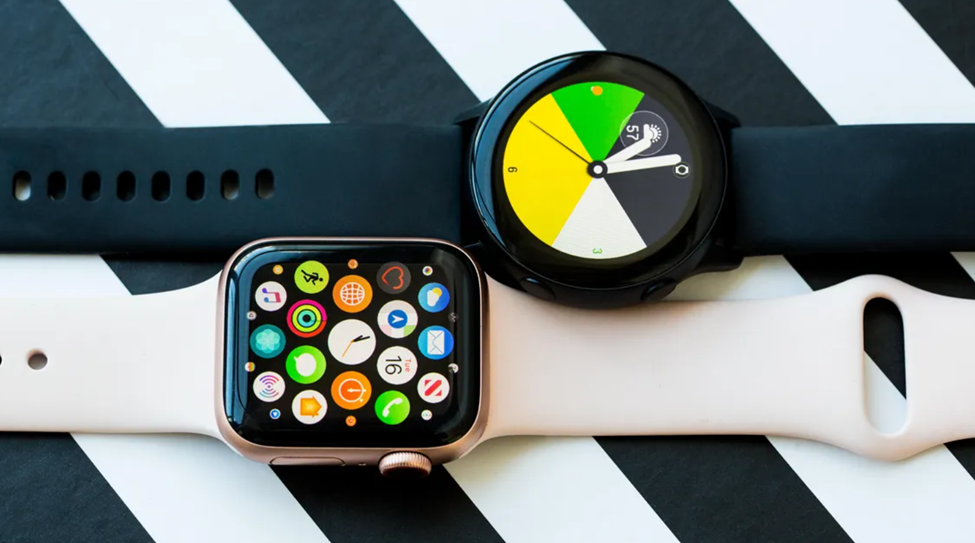
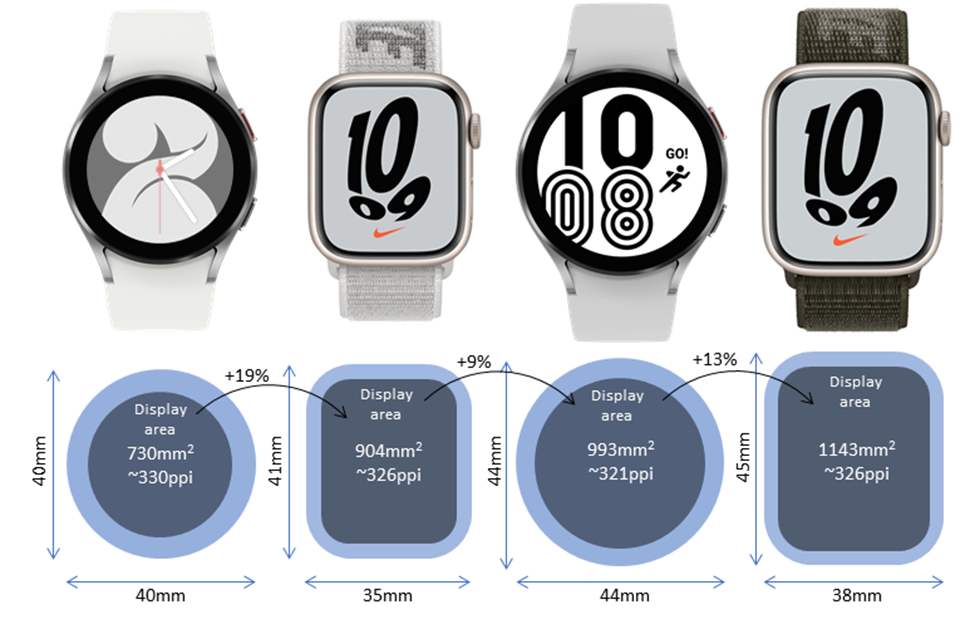
Galaxy Watch screens feel slightly larger overall. Round design reduces usable text space. Apple Watch squares show more text lines. This improves message reading noticeably. Both offer Always-On Display features. Always-On shows time without waking screen. Galaxy Watch versions maximize battery savings. Apple Watch LTPO display also conserves energy.
Processor and Performance
Processor choice affects speed and responsiveness. Samsung Galaxy Watch uses Exynos or Snapdragon chips. These chips deliver smooth navigation daily. Apps open fast without visible lag. Multitasking works fluidly most of the time. Apple Watch uses Apple SiP chips. These chips focus on power efficiency. They deliver fast performance consistently. Animations feel fluid and seamless. Apple chips often outperform in benchmarks.
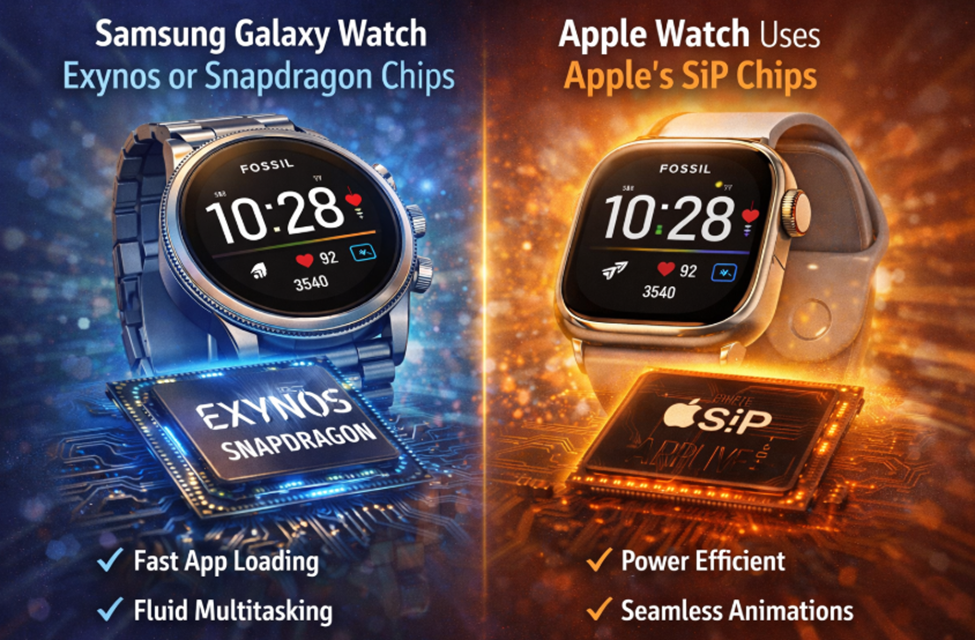
Performance matters for heavy use. Running fitness apps strains processors. Apple Watch handles fitness load easily. Galaxy Watch performance also remains strong. Apple’s ecosystem maximizes chip optimization. Galaxy Watch may lag on third-party apps occasionally. Apple Watch benefits from tight software integration. Overall performance feels more polished on Apple Watch.
Battery Life and Charging
Battery life is crucial for everyday wear. Samsung Galaxy Watch often wins battery tests. Galaxy models can last multiple days easily. Some models reach four to five days. Apple Watch battery usually lasts one to two days. Heavier usage shortens battery life further. Large screen and background processes consume power. Fast charging reduces downtime significantly.
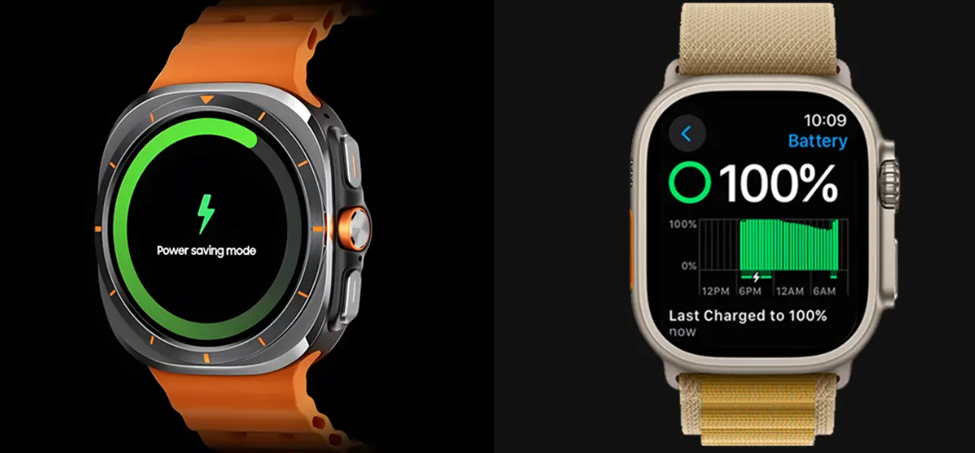
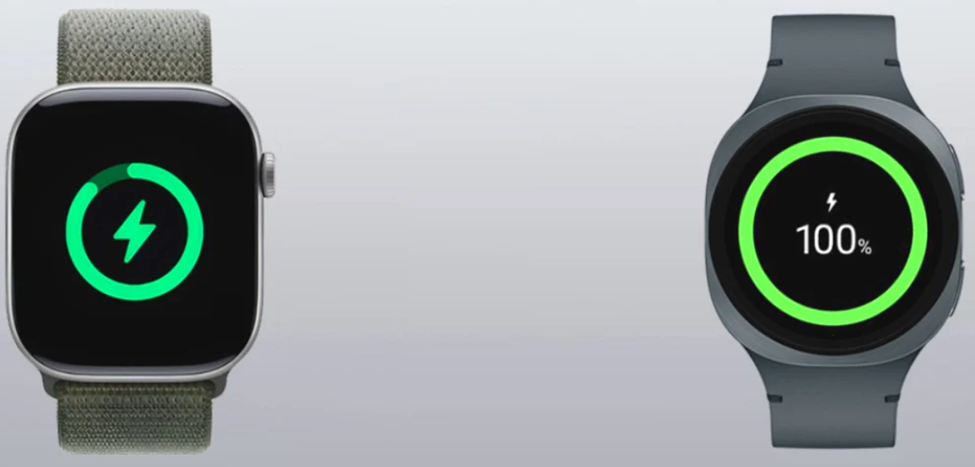
Wireless charging support exists on both. Samsung delivers a slightly faster full charge. Apple Watch charging remains consistent and reliable. Nightly charging fits typical Apple user habits. Battery handling changes daily experience significantly. Long battery life suits travel and adventure. Shorter battery demands nightly charging routine. Choose based on your lifestyle patterns.
Health and Fitness Tracking
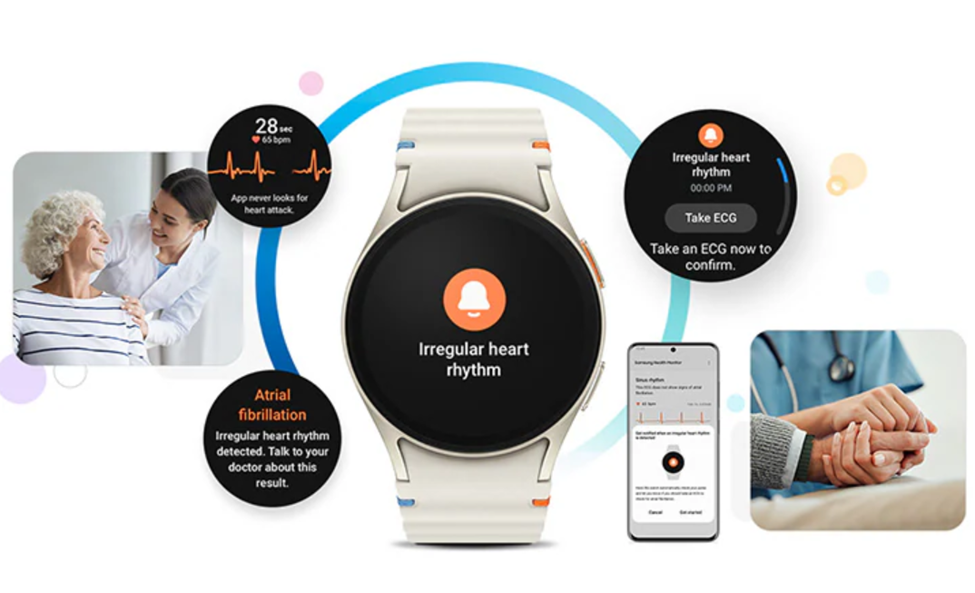
Health tracking remains core feature for smartwatches. Both watches include heart rate monitoring. Apple and samsung; both watches detect irregular heartbeat patterns. Both support blood oxygen (SpO₂) readings. Electrocardiogram (ECG) also arrives on both. Advanced sensors enable medical-grade measurements. Users can get heart irregularity alerts. This is life-saving for some users. Fall detection adds another safety layer. Both watches use motion sensors for it. They notify emergency contacts when needed.
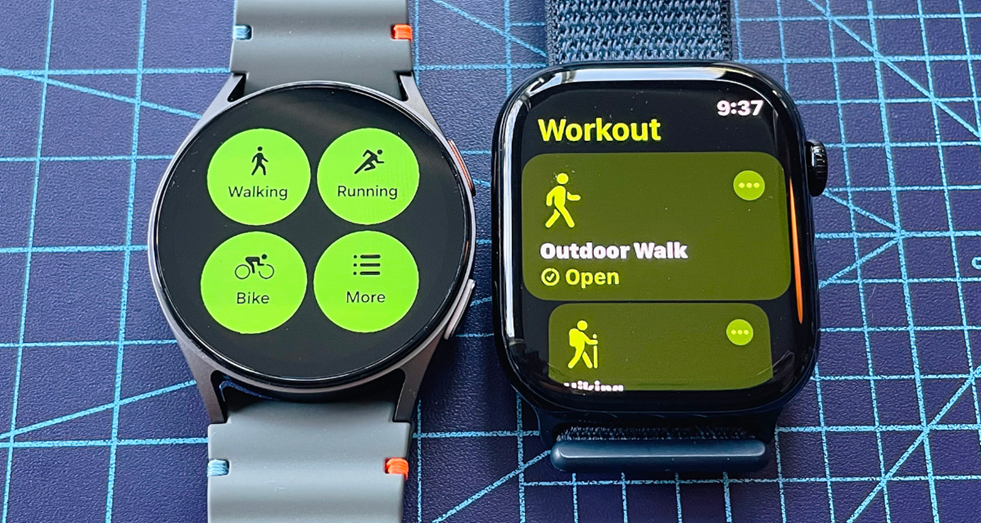
Galaxy Watch offers body composition measurement tools. This analyzes fat, water, muscle metrics easily. Apple Watch focuses on fitness zones and metrics. Apple delivers more activity coaching tools. Sleep tracking differs between platforms. Samsung measures sleep stages deeply. Apple tracks sleep efficiency and patterns. Both help improve rest quality over time. Advanced fitness features include guided workouts. Apple Watch has built-in workout suggestions. Galaxy Watch integrates with Samsung Health deeply. Both apps provide comprehensive health dashboards.
Software and Ecosystem Integration
Software defines the daily smartwatch experience. Samsung Galaxy Watch runs Wear OS with One UI Watch. This system feels flexible and customizable. Widgets and tiles work fluidly. Apple Watch runs watchOS deeply integrated with iPhone. WatchOS feels refined and cohesive. Apps feel better optimized overall.
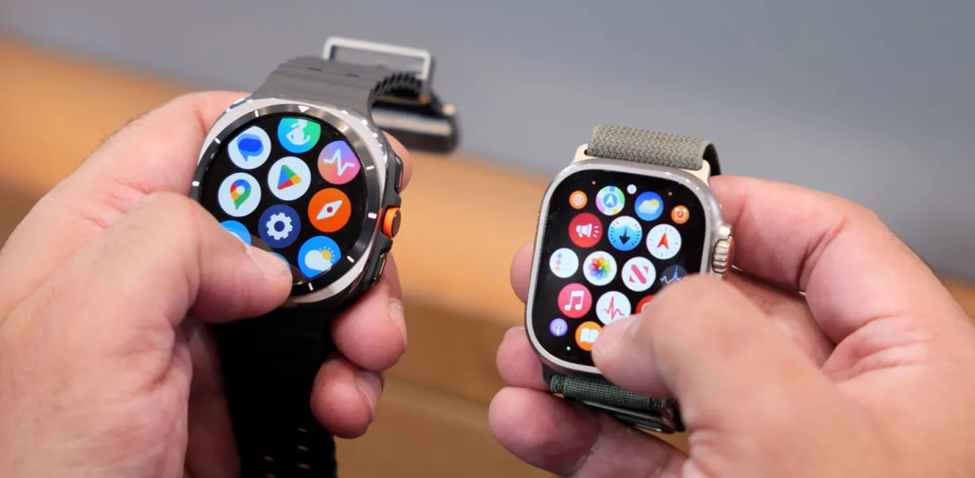
App ecosystems differ greatly. Apple Watch has extensive first-party apps. Many third-party developers favor Apple Watch first. Galaxy Watch app support has grown steadily. Notifications feel reliable on both platforms. Reply options vary by system. Apple Watch offers more native reply features. Galaxy Watch offers rich quick responses too. Samsung watches pair best with Android devices. Apple Watch pairs only with iPhone devices. This limits Apple Watch user-ship on Android. Ecosystem integration creates seamless experience for Apple users.
Connectivity and Compatibility
Connectivity options matter for daily use. Both watches offer Bluetooth connectivity. Both support Wi-Fi and GPS tracking. LTE versions exist for cellular calls. Cellular models allow calls without phone. Apple Watch cellular works smoothly with iPhone. Galaxy Watch cellular works with some Android carriers. Always check carrier compatibility before purchase.
Bluetooth range works within typical user distances. Wi-Fi helps retain connectivity when phone is far. GPS improves outdoor activity tracking accuracy. Compatibility differences influence user choice strongly. Android users rarely choose Apple Watch. IPhone users rarely choose Galaxy Watch. Platform alignment affects future updates as well.
Durability and Build Protection
Durability remains critical for wearable tech. Both watches offer strong water resistance.
They handle splashes and shallow swims easily. Both survive everyday wear and tear. Samsung Galaxy Watch often carries MIL-STD certifications. This ensures survival under shock and vibration. Apple-Watch uses strong stainless steel and titanium too. Apple Watch also meets tough durability standards.

Display protection uses strong glass coverings. Galaxy Watch uses Gorilla Glass DX or similar. Apple Watch uses Ion-X or sapphire for premium models. Both reduce scratch risk greatly. Durability matters for active users. Athletes and outdoor users need higher protection. Both brands deliver strong build reliability.
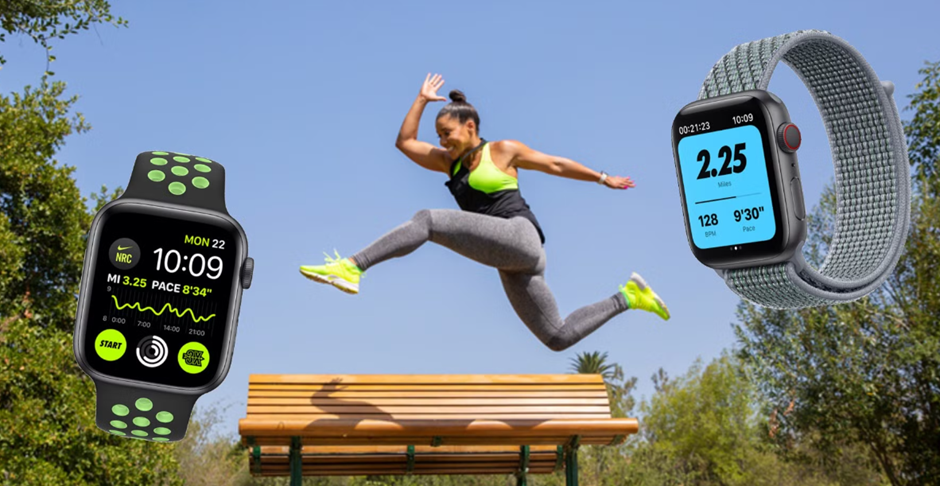
Customization and Bands
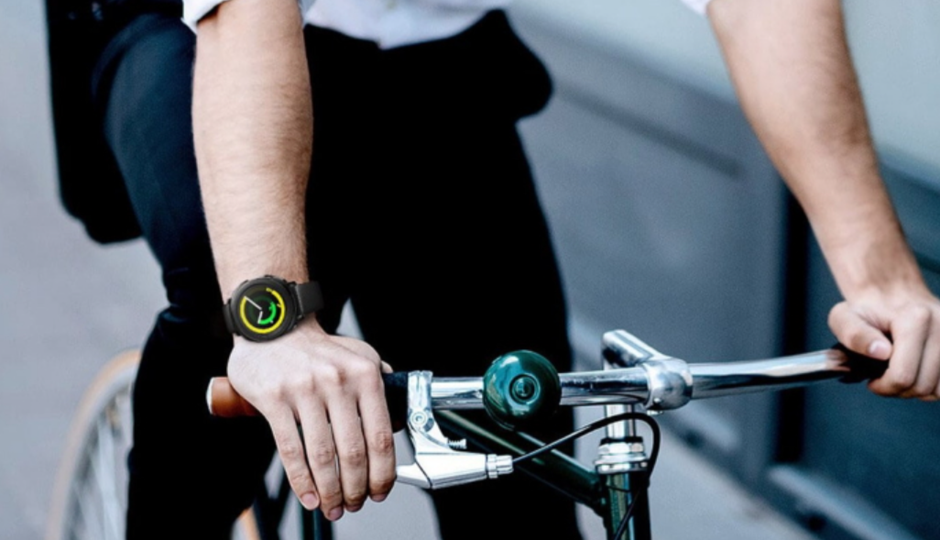
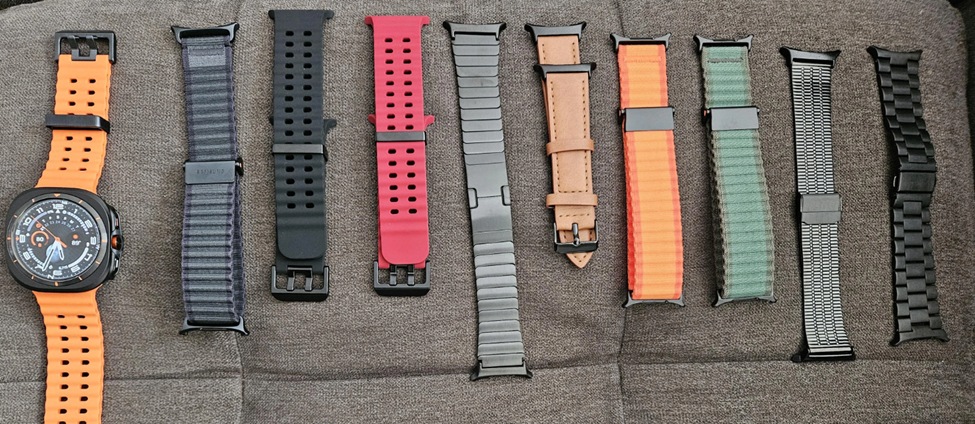
Customization adds personal style and comfort. Samsung offers quick release bands widely.
Apple offers a huge band ecosystem too. Third-party bands are available for both. Galaxy Watch bands often use traditional lug attachment. This gives classic watch feel. Apple-Watch bands use slide-in connectors. They feel more modern and sleek.
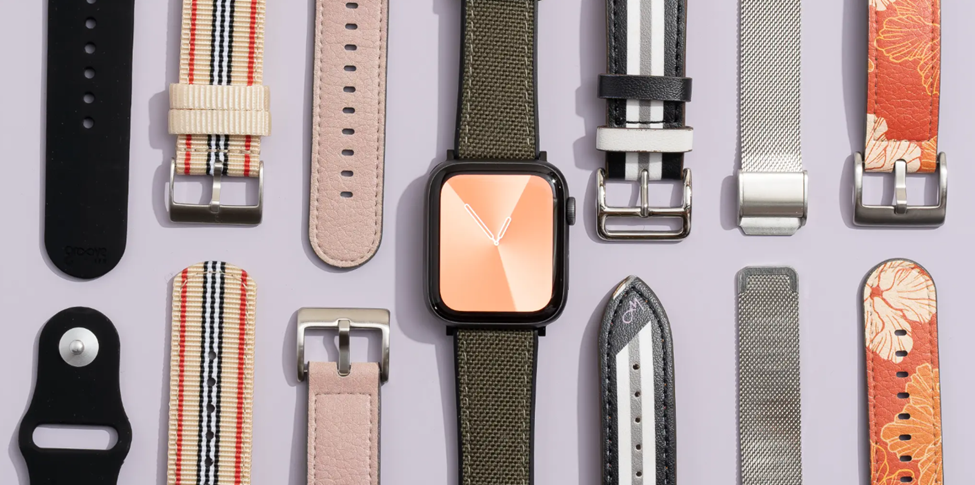
Digital watch faces remain highly customizable. Both platforms offer extensive face choices. Complications add shortcuts to features. Apple’s watch face system feels richer overall. Style and personalization impact daily satisfaction significantly.
Price and Value Considerations
Price remains important for many buyers. Samsung Galaxy Watch often offers lower starting prices. Entry level models are budget friendly. Premium models compare closely with Apple-Watch prices. Apple Watch generally sits at higher price tiers. Premium materials cost more. Apple ecosystem value raises perceived worth. Value depends on user needs. If you want long battery life, Galaxy may win. If you value deep integration, Apple Watch excels. Consider overall package, not just price tag.
Samsung Galaxy Watch vs Apple Watch (2026) – Full Comparison Table I
| Specification | Samsung Galaxy Watch (2026) | Apple Watch (2026) |
| Design Shape | Round, traditional watch look | Square, modern digital design |
| User Appeal | Feels like a classic wristwatch | Feels like a smart digital device |
| Case Materials | Aluminum, Stainless Steel, Titanium | Aluminum, Stainless Steel, Titanium |
| Build Feel | Slightly heavier, premium feel | Sleeker, lighter, refined |
| Display Type | Super AMOLED | LTPO OLED Retina Display |
| Display Strength | Deep blacks, vibrant colors | Sharp text, adaptive refresh rate |
| Always-On Display | Yes, optimized for battery | Yes, highly power efficient |
| Screen Readability | Excellent outdoors | Excellent in bright sunlight |
| Processor | Exynos / Snapdragon Wear chips | Apple Silicon SiP chips |
| Performance | Smooth, strong daily performance | Industry-leading smoothness |
| App Optimization | Good, improving yearly | Excellent, deeply optimized |
| Operating System | Wear OS with One UI Watch | watchOS |
| Ecosystem Integration | Best with Android phones | Exclusive to iPhone |
| App Ecosystem | Growing Play Store support | Largest smartwatch app ecosystem |
| Battery Life | 2–5 days depending on model | 1–2 days average |
| Charging Speed | Fast wireless charging | Very fast magnetic charging |
| Charging Type | Wireless | Magnetic wireless |
| Heart Rate Monitoring | Yes | Yes |
| ECG Support | Yes (region dependent) | Yes |
| Blood Oxygen (SpO₂) | Yes | Yes |
| Body Composition | Yes (unique feature) | No |
| Sleep Tracking | Advanced sleep stage analysis | Sleep efficiency and trends |
| Fitness Tracking | Samsung Health integration | Apple Fitness+ integration |
Samsung Galaxy Watch vs Apple Watch (2026) – Full Comparison Table II
| Specification | Samsung Galaxy Watch (2026) | Apple Watch (2026) |
| Workout Modes | Extensive and customizable | Extensive with coaching |
| Fall Detection | Yes | Yes |
| Emergency SOS | Yes | Yes |
| GPS Accuracy | Very accurate | Extremely accurate |
| Water Resistance | 5 ATM | 5 ATM |
| Durability Standard | MIL-STD (select models) | Strong glass and casing |
| Glass Protection | Gorilla Glass DX | Ion-X / Sapphire (premium) |
| Connectivity | Bluetooth, Wi-Fi, LTE | Bluetooth, Wi-Fi, LTE |
| Calling Without Phone | Yes (LTE models) | Yes (LTE models) |
| Voice Assistant | Google Assistant / Bixby | Siri |
| Customization | Highly customizable watch faces | Polished, rich watch faces |
| Band System | Traditional quick-release | Slide-in proprietary system |
| Third-Party Bands | Widely available | Extremely wide availability |
| Compatibility | Android only (best with Samsung) | iPhone only |
| Security Features | PIN, biometric support | PIN, strong encryption |
| Software Updates | Regular Android updates | Long-term Apple updates |
| Target Users | Android users, battery focused | iPhone users, ecosystem focused |
| Starting Price (Approx.) | Lower entry pricing | Higher starting price |
| Premium Model Price | Competitive | Higher premium pricing |
| Overall Strength | Battery life, classic design | Performance, ecosystem |
| Best For | Long usage, Android users | Seamless Apple experience |
| Price Range (USD) | ~$349 to ~$649 | ~$399 to ~$799 |
Which Watch Is Right for You?
Choosing depends on your lifestyle. Here are key decision factors.
- If you use Android devices daily, Samsung Galaxy Watch is best choice. It pairs seamlessly with your phone. Battery life also lasts longer in most cases.
- If you use iPhone exclusively, Apple Watch delivers unmatched integration. Notifications, replies, apps feel perfect. Health and fitness tools sync deeply with phone.
- Battery life matters most, Galaxy Watch often lasts longer daily. If performance and polished software matter, Apple-Watch feels smoother and more refined.
- Style and classic watch look’s matter, Galaxy watch wins round design preference. If modern digital interaction matters, Apple Watch delivers sleek UI experience.
Final Thoughts
2026 brings powerful smartwatch choices. Samsung Galaxy Watch and Apple Watch both shine. Each delivers excellent technology and tools. Galaxy Watch stands out for battery life. Apple Watch stands out for performance and ecosystem. Health tracking remains strong on both. Both handle everyday smartwatch tasks well. Understanding each specification helps choice. Design, performance, battery, software all matter. Compatibility remains key selection factor. Choose based on your lifestyle needs. End your confusion with informed decision. Both smartwatches deliver future proof experiences. Choose the one that fits your daily life. Your perfect wearable awaits you in 2026.
FAQ’s
1. Which smartwatch has better battery life, Samsung Galaxy Watch or Apple Watch?
The Samsung Galaxy Watch generally offers longer battery life compared to the Apple-Watch. Entry-level and mid-range Galaxy Watch models can last 2 to 5 days depending on usage, while Apple-Watch models typically last 1 to 2 days. Heavy app use, always-on display, and GPS tracking reduce battery life on both devices.
2. Can I use Apple-Watch with an Android phone or Samsung Galaxy Watch with an iPhone?
No, compatibility is a key factor in choosing a smartwatch. Apple-Watch only works with iPhones, and it integrates deeply with iOS features, apps, and notifications. Samsung Galaxy Watch works best with Android devices, particularly Samsung phones, and some features may not function fully with iPhones.
3. Which watch has better performance and smoothness?
Apple-Watch consistently delivers superior performance due to its Apple SiP chips and tight watchOS integration. Animations are fluid, apps open quickly, and multitasking runs seamlessly. Samsung Galaxy Watch uses Exynos or Snapdragon chips, which also offer smooth navigation and strong performance, but it may lag slightly when running third-party apps or heavy multitasking.
4. How do the health and fitness features compare?
Both watches offer comprehensive health and fitness tracking, including heart rate monitoring, ECG, SpO₂, and fall detection. Samsung Galaxy Watch adds body composition analysis, which measures muscle, fat, and water levels. Apple-Watch focuses more on guided workouts, activity coaching, and integration with Fitness+.
5. Which smartwatch provides better design and display for everyday use?
Samsung Galaxy Watch has a round design, resembling traditional watches, while Apple-Watch has a square display maximizing text and app content. Galaxy Watch displays are AMOLED, offering vibrant colors and deep blacks, while Apple Watch uses LTPO OLED for crisp visuals and adaptive refresh rates.