Emerald: Everything You Need to Know About the Green Gem
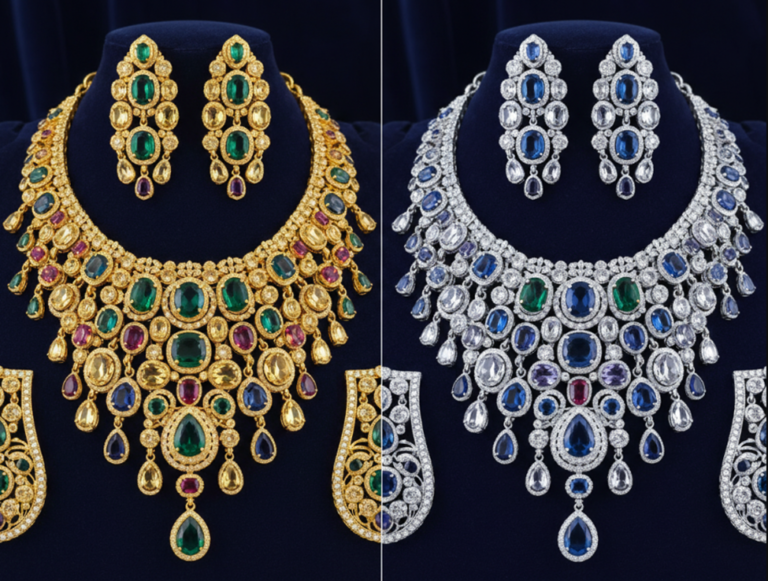
A stunning or beautiful green gemstone (emerald) belongs to the mineral family “beryl.” Chromium and vanadium are the bases for its green color. People often regard emerald as one of the world’s most valuable gemstones. Jewelers commonly use emeralds in rings, earrings, and necklaces.
The History of Emerald
Egyptian royalty recognized emerald, with its rich and royal background, as a sacred stone. Cleopatra, the Princess, loves to collect such rare gems. They are usually associated with Venus, the goddess of love. The Incas and Aztecs consider emeralds as sacred gems. For starters, emeralds were extracted from stones in Egypt around 1500 BC. Indians carried this jewel via the Silk Road. Spanish explorers brought Colombian gemstones to Europe. Emerald reflects power, assurance, and endless youth; it astonished European royalty and nobles.These gemstones featured on crowns and precious items. Emeralds continue to have historical and cultural significance. Their narrative continues in contemporary jewelry designs.
Emerald and Its Meaning
Emerald is a gem with substantial value and elegance. Emeralds represent love, rebirth, and everlasting growth. People believe they bring relaxation to both the soul and the mind.They promote balance, calmness, and mental wellness. Emerald belongs to the heart chakra. It promotes truth, dedication, and deep attachments. Emeralds will be the symbol of sustainability and mindful elegance in 2025. They reflect the principles of nature, life, and durability. Many people use emeralds to boost their confidence and creativity. It is the birthstone for the month of May persons. Emeralds are given as gifts by lovers to symbolize their long-term love. Today, the meaning of emeralds blends history and modern wellness concepts.
Physical Properties of Emerald
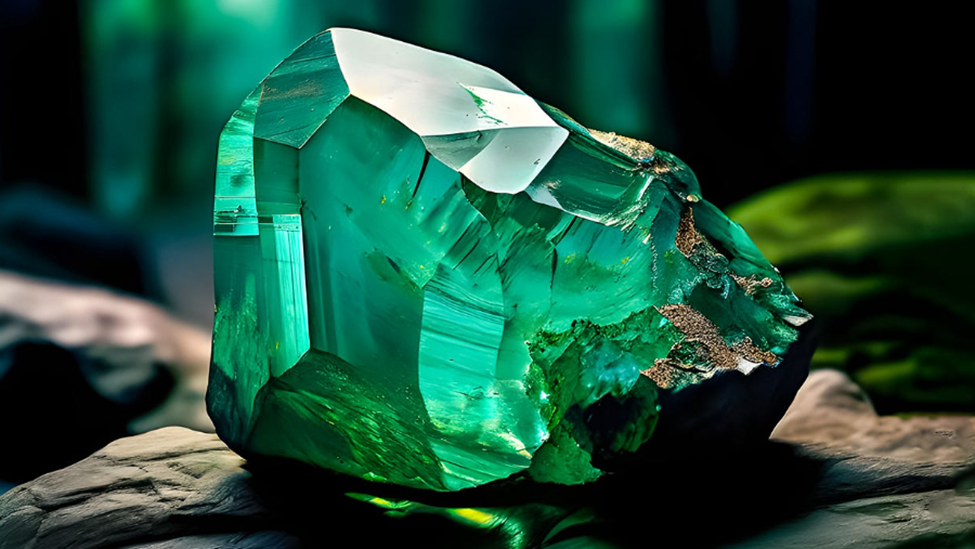
Emerald belongs to the beryl group. Aquamarine and morganite are two further kinds of beryl. Emerald is the green variant in this class. It gets its green color from chromium or vanadium. The beryl family forms hexagonal crystal structures. Emeralds have a hardness of 7.5 to 8. This makes it durable but not extremely hard. It is softer than diamonds and sapphires. Emerald can chip or break with strong force. It has a shining, glass-like reflection on its surface. The density of emeralds fluctuates from 2.7 and 2.8. The refractive index ranges between 1.57 and 1.60.
Most emeralds contain internal features called inclusions. These inclusions are often mossy or thread-like in shape. They demonstrate that the emerald is natural, not artificial. Emeralds are typically transparent to translucent in clarity. The best stones have even color and good transparency. Emerald’s fracture is conchoidal or uneven when broken. It may also show pleochroism under certain lights. Pleochroism means it shows different greens at angles. Because of their qualities, emeralds require careful care. Avoid cleaning emeralds with heat or chemicals. Their physical characteristics make them highly valued but fragile gemstones.
Emerald’s Color
Emerald’s color is its most important feature. It comes in shades of green to bluish green. The rich color comes from chromium and vanadium elements. Color is more valued than clarity in emeralds. The best emeralds show a deep, vivid green tone. Too light or too dark reduces the value. Bluish green emeralds are often more desirable today. Colombian emeralds are famous for their stunning green hue.
Emeralds from Zambia could have a bluish-green hue. Brazilian stones are often lighter but very clear. Emerald’s color should be evenly spread across the stone. Uneven color zoning lowers its beauty and worth. Natural emeralds usually have slight inclusions or cloudiness. These do not affect the rich color impact. Synthetic stones may look brighter but lack authenticity.
Lighting influences how we see an emerald’s color. Natural light brings out the gem’s greenest hue. When exposed to poor lighting, emeralds can appear lifeless. Strong green color increases the gem’s price significantly. The worth of a gem is influenced by color, tone, and saturation. The characteristic green of emerald sets it apart from other diamonds. That color is what makes emerald timeless and special. No other stone offers such natural, elegant green beauty.
Clarity of Emerald
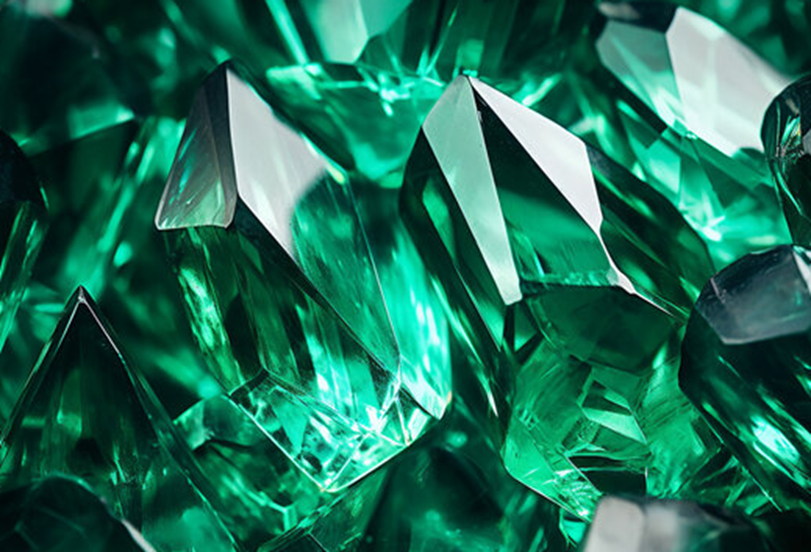
Clarity is a key factor in emerald quality. Most emeralds have visible inclusions inside the stone. The term “Jardin,” which translates to “garden” in French, refers to these additions. They appear as tiny fissures, bubbles, or moss. Pure emeralds are very uncommon, in contrast to diamonds. Internal marks are nearly always present in natural emeralds. These flaws prove the gemstone is real and natural. Although they increase its individuality, inclusions have an impact on durability.
The cost of emeralds increases with the number of inclusions. However, even included emeralds can be high quality. Clarity is judged by visibility to the naked eye. If flaws are not distracting, value remains strong. Most emeralds are treated with oil to improve clarity. Oil fills surface cracks and hides internal lines. This treatment is accepted in the gemstone industry. Untreated emeralds with good clarity are very rare. Clarity should not overpower color in importance. A slightly included emerald with rich color is better.
Experts rate diamond and emerald clarity differently. They emphasize how inclusions affect the gem’s appearance. Each emerald has a unique identity due its clarity. Emeralds continue to be among the best jewels despite their imperfections. They are timeless and beautifully distinct because of their inherent flaws.
Cut of the Emerald
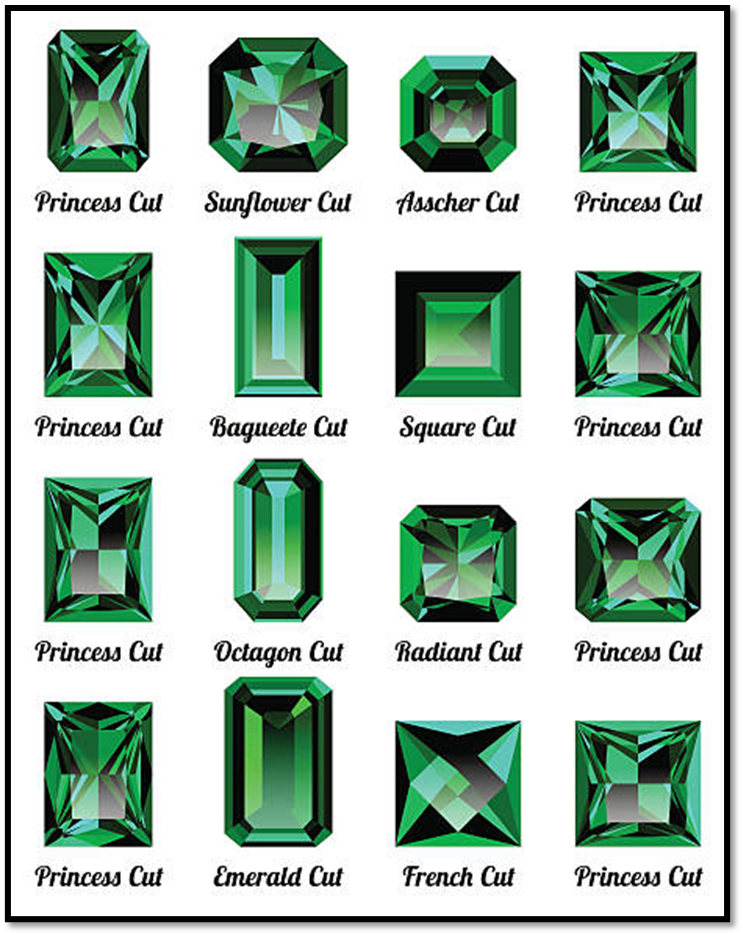
An emerald’s cut shapes its ultimate beauty. Jewelers often cut emeralds into rectangular step cuts, known as the “emerald cut.” This style features long facets and clean, straight lines.The cut protects the stone from sudden damage. It also highlights the emerald’s deep green color. Oval, pear, and round forms are examples of further cuts. Cutting emeralds is extremely precise and skillful. They can break quickly and are softer than diamonds.
Inclusions in emeralds affect how they are cut. Cutters avoid cracks while shaping the stone. A poor cut reduces both brilliance and value. The best cut balances symmetry and color flow. Too shallow cuts make the stone appear dull. Too deep cuts lose light and sparkle. The emerald cut minimizes pressure on internal flaws. It gives the gem a smooth, elegant look. Proper angles allow better light reflection in emeralds. Clarity and faults are hidden by a well-cut. When cut properly, emeralds appear bigger and more brilliant than when cut improperly. Buyers must to look for uniform shine and shape. The right cut makes emeralds stand out beautifully. In 2025, creative cuts in emerald jewelry are trending fast.
Conclusion: Know Your Emerald
Emerald is regarded as one of the purest jewels. Its green tone allows it to be very unique. Every stone reveals a unique innate story. It combines beauty, history, and significance. Emerald jewelry is classic and gorgeous. Consider the facts before purchasing emeralds. Examine the color, cut, and clarity. Request proof and treatment information. Store and clean with gentle hands. Enjoy the enchantment of this magnificent gemstone.