24K Gold: Everything You Need to Know About Gold Purity Levels
Gold is one of the oldest precious metals. People value it for beauty and wealth. Gold comes in many karat forms. The most common is 10K to 24K gold. This article explains the differences deeply. Readers will learn purity, strength, and use.
What Does Karat Mean in Gold?
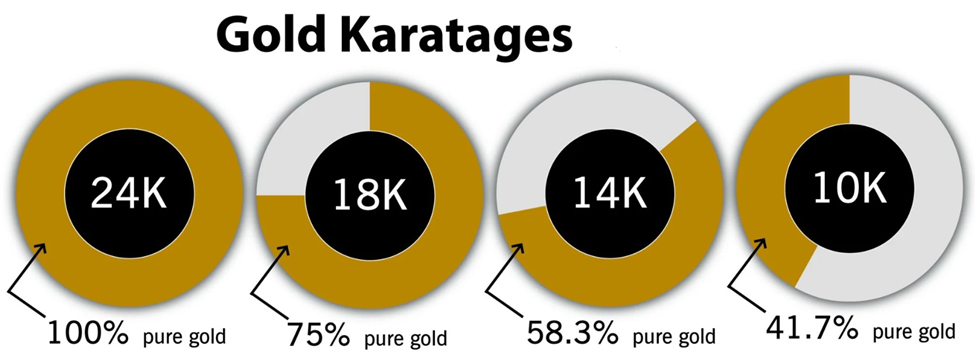
Karat measures gold purity in an alloy. The number refers to parts out of 24. For example, 24K gold is pure gold. This means all 24 parts are gold. Lower karats have more alloy metals mixed. Alloys include copper, silver, and zinc. Karat does not mean weight. It means the share of actual gold.
Understanding 24K Gold (Purest Form)
24K gold is the purest gold. It contains nearly 99.9% gold content. This makes 24K gold highly valuable. Its color is a rich and bright yellow. 24K gold has an intense natural luster. There are almost no alloy metals added. This gives true purity and intrinsic worth. Experts often call 24K the benchmark metal. This makes 24K gold ideal for investors. Because it contains almost pure gold, its price per gram is highest. Central banks use 24K for reserves. Gold bars and coins are 24K standard.
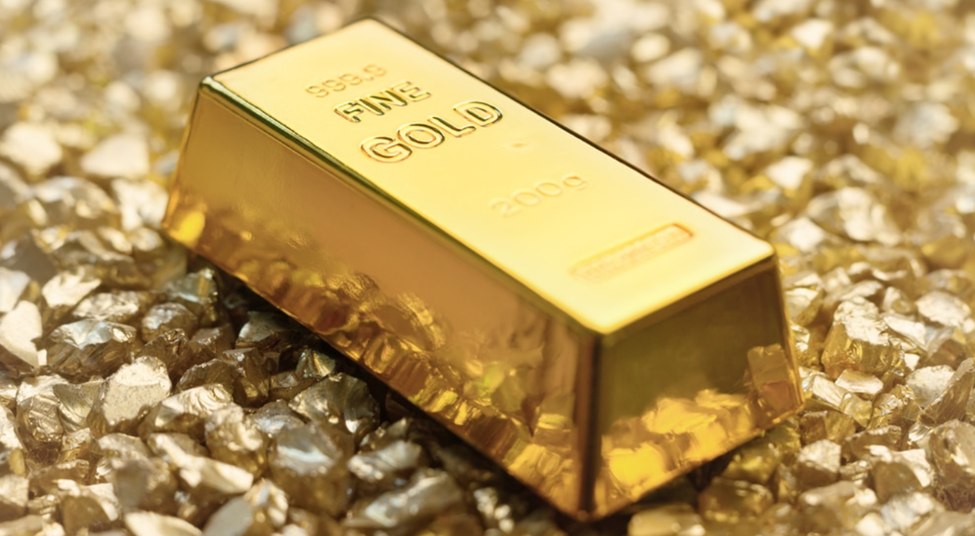
But 24K gold is very soft. It easily scratches or bends with use. This makes daily wear risky. That is why jewelers rarely use it. 24K gold is not ideal for rings. It is not ideal for bracelets either. Most wearable gold is alloyed, not pure.
22K Gold: High Purity and Jewelry Use
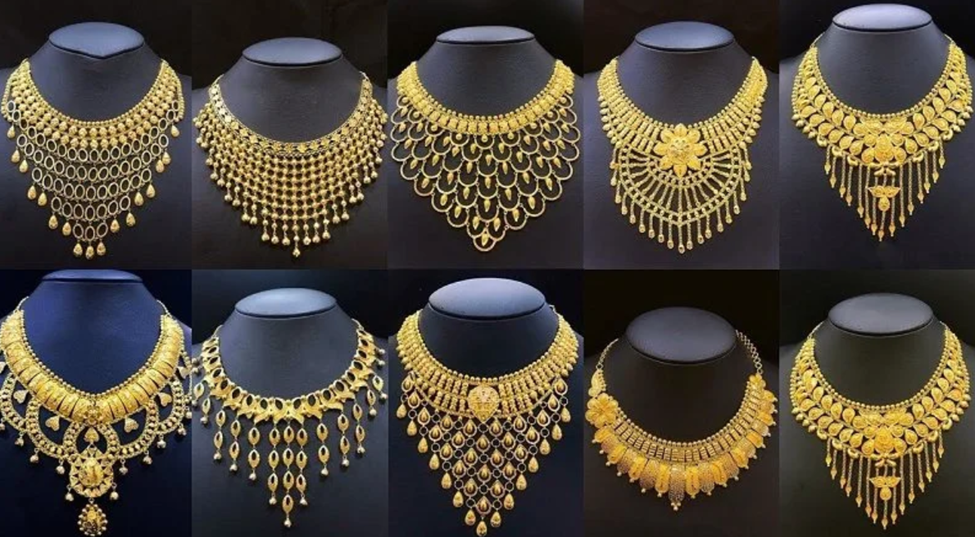
22K gold has 91.7% gold. This means 22 parts gold, two parts alloys. It retains a rich gold color almost like 24K. 22K gold is softer than lower karats. It resists scratches better than 24K. Jewelry makers often choose 22K for traditional pieces. Especially in Asia and the Middle East. However, it is still softer than lower karats. This softness makes gem setting harder. So 22K is not best for studded jewelry. It also costs more than 18K or 14K. Yet buyers value its deeper color. 22K gold makes rich necklaces and bracelets.
18K Gold: Balance of Purity and Strength
18K gold contains 75% gold. This gives 18 parts gold and six parts alloys. Compared to 24K, purity is lower. But durability is much higher. The color remains warm and rich. Other metals make it stronger. This makes 18K ideal for daily jewelry. Experts often recommend it for rings. Especially engagement and wedding rings. It holds gemstones securely without bending. This makes 18K popular worldwide. Luxury brands use 18K often too.
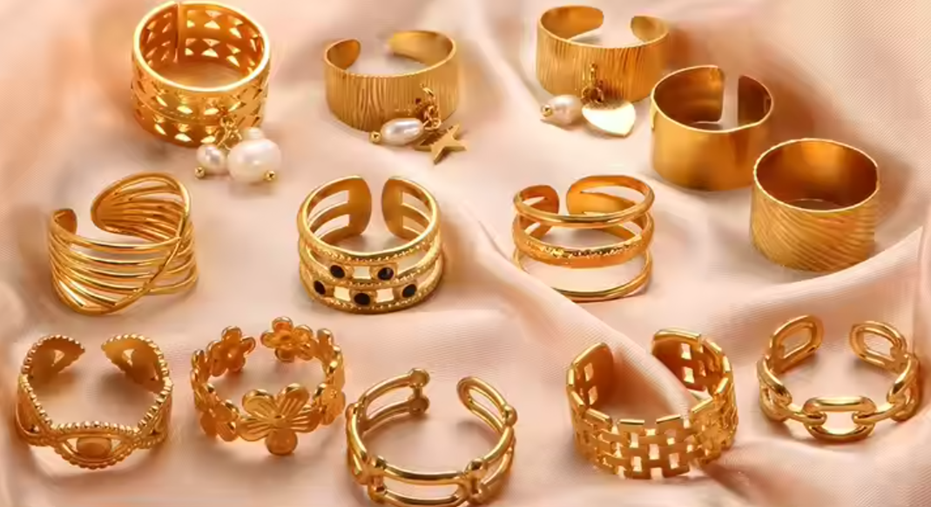
However, 18K is pricier than lower karats. It also scratches easier than 14K gold. But its gold content is much higher. Thus it retains good resale value.
14K Gold: Practical and Popular
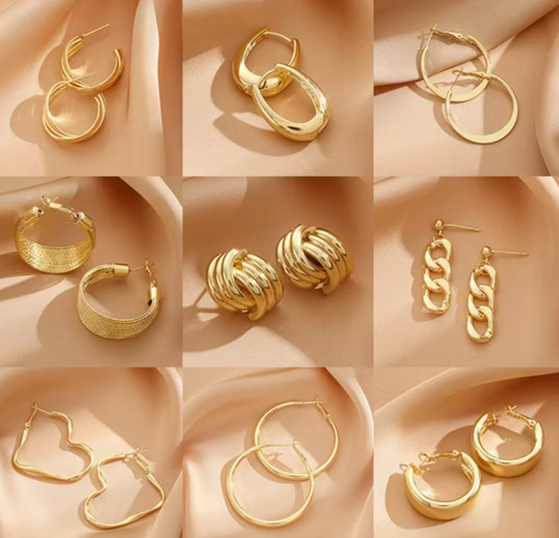
14K gold contains 58.3% gold. The mix is 14 parts gold, ten parts alloys. This balance gives decent durability. It resists everyday wear and tear. 14K is a popular choice worldwide. Especially for bracelets and everyday rings. The color is lighter than 18K and 22K. This is due to a lower gold content.
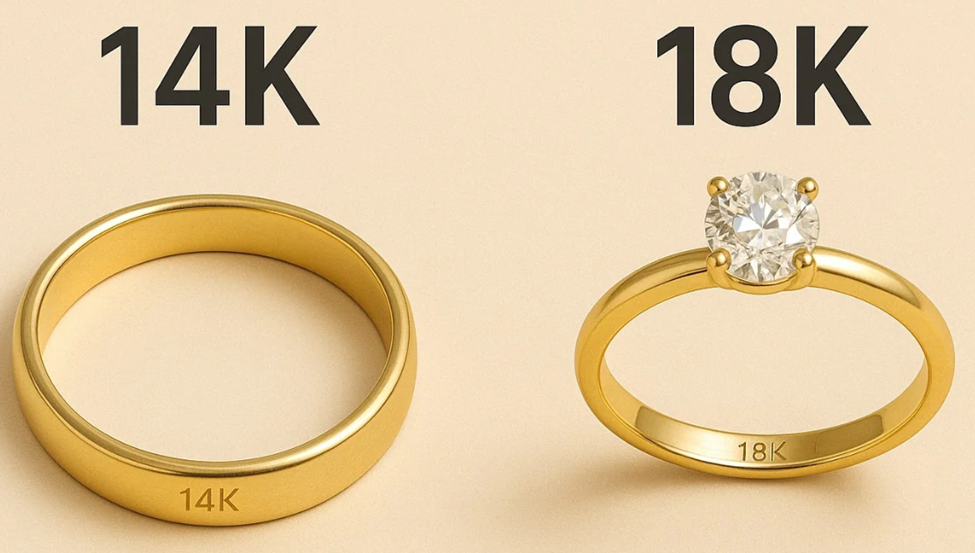
14K gold costs less than 18K or higher. This makes it affordable for many buyers. It is also more scratch resistant. However, its gold content is lower. This affects resale value compared to 24K.
10K Gold: Affordable and Durable
10K gold has 41.7% gold. This is the lowest karat legal in many countries. The other 58.3% is alloy metals. This makes 10K extremely durable. It resists daily wear very well. It is often used in budget jewelry. Some people prefer it for small pieces. Because 10K gold is a lower cost.
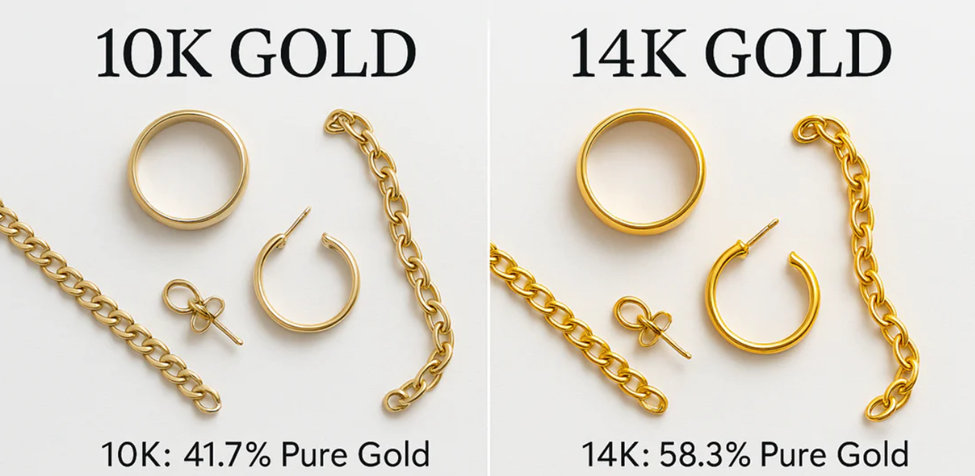
But its gold color is paler. This is due to more alloy metals mixed. It also has lower purity than others.
Purity vs Strength: What Matters Most?
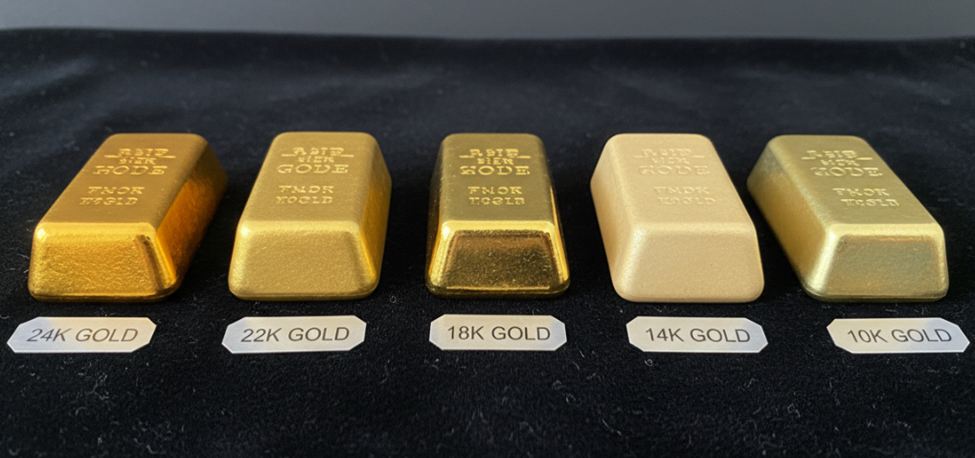
The purity of gold affects color. Higher gold content creates a richer yellow hue. A piece with 24K gold is the deepest yellow. Lower karats like 14K show paler tones. Alloys change warmth and shade slightly. Strength comes from alloy metals added. Thus, 10K is the toughest of all common types. Most jewelers choose 14K and 18K for daily rings. 22K is chosen for traditional, ceremonial pieces. 24K gold is reserved mostly for bullion.
Price Differences among Karats
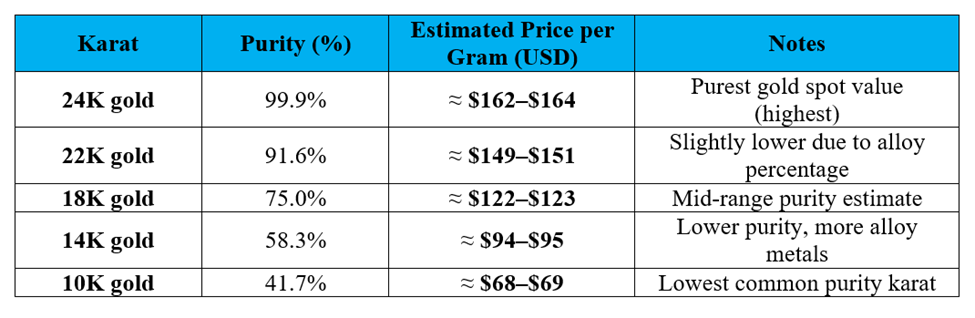
Gold price depends mostly on purity. 24K gold carries the highest value per gram. Because it is almost pure gold. 22K gold follows closely in price. 18K gold is in the mid‑range in pricing. 14K gold costs less due to lower gold content. 10K gold is the cheapest of all common karats. Jewelry makers often price by weight and purity.
Wear ability and Practical Use
24K gold is soft for jewelry. It deforms under stress easily. Thus jewelers seldom use it for rings. Some cultures still prefer pure gold ornaments. 22K gold is more wearable but still soft. 18K balances beauty and durability well. 14K is durable and great for daily wear. 10K suits those with active lifestyles.
Allergens and Skin Sensitivity
Higher alloy content increases the risk of allergies. 14K and especially 10K may cause reactions. This is due to nickel or zinc in alloys. 18K and 22K are usually hypoallergenic. 24K gold is almost always safe. Pure gold rarely irritates the skin.
Resale and Investment Considerations
24K gold holds intrinsic investment value. It is easiest to value purity. 22K gold also holds strong resale value. Because of the high gold content. 18K is good but lower than 22K or 24K. 14K and 10K have lower resale gold value. This is due to the alloy metals present.
Coins and bars are often 24K gold. These serve as investment assets. Jewelry sales can be more complex. Craftsmanship and design can affect price.
Color Variations across Karats
Alloy metals affect appearance. Copper gives rose gold color tones. Silver and palladium give a white gold look. Thus 14K or 18K can appear white or rose. 24K gold always stays bright yellow.
Global Preferences by Region
In Asia, 22K gold is common. It is valued in weddings and festivals. In the West, 14K and 18K dominate. This is due to durability preferences. 24K gold remains key for coins and bars. Investment markets worldwide use it.
Expert Tips before Buying Gold
Check karat mark on jewelry piece. This shows actual gold content. Understand that higher purity means softer metal. Balance your choice with use and budget. Consider resale value of higher karats.
Summary of Differences
24K gold — purest, richest color, softest.
22K gold — rich color, high purity, softer.
18K gold — good balance, daily wear.
14K gold — durable, affordable option.
10K gold — most durable, lowest purity.
Final Thoughts
Understanding differences matters. It helps you choose wisely. Know your purpose before buying. Investment? Choose high purity like 24K gold. Daily wear? Choose durable karats like 14K. Balance beauty, strength, and price. Now you know the real differences. Gold karats are easy to understand. Choose confidently every time.
FAQ’S
What does gold karat actually mean?
Gold karat shows purity out of 24 parts. 24K gold is nearly 100% pure. Lower karats contain more alloy metals. Alloys improve strength but reduce purity.
Why is 24K gold rarely used in jewelry?
24K gold is extremely soft. It scratches and bends easily. Jewelers avoid it for daily wear. It is mainly used for bars and coins.
Which gold karat is best for everyday jewelry?
14K and 18K are best for daily wear. They balance durability and gold content; hold gemstones securely. They resist scratches better than higher karats.
Which gold karat has the highest resale value?
24K gold has the highest resale value. It contains almost pure gold. 22K follows closely behind. Lower karats return less due to alloys.
Why does 10K gold cost much less?
10K gold has only 41.7% gold. Most of it is alloy metals. This lowers its market value. It is cheaper but very durable.