White Gold: Is It Better Than Yellow Gold for Jewelry?
Gold jewelry never loses popularity. People love its shine and value. But buyers often feel confused. They ask one main question. Is white gold better than yellow gold? Both metals look beautiful. Both have loyal fans. Yet they differ in many ways. Understanding these differences matters. It helps buyers choose wisely. This blog explains everything clearly.
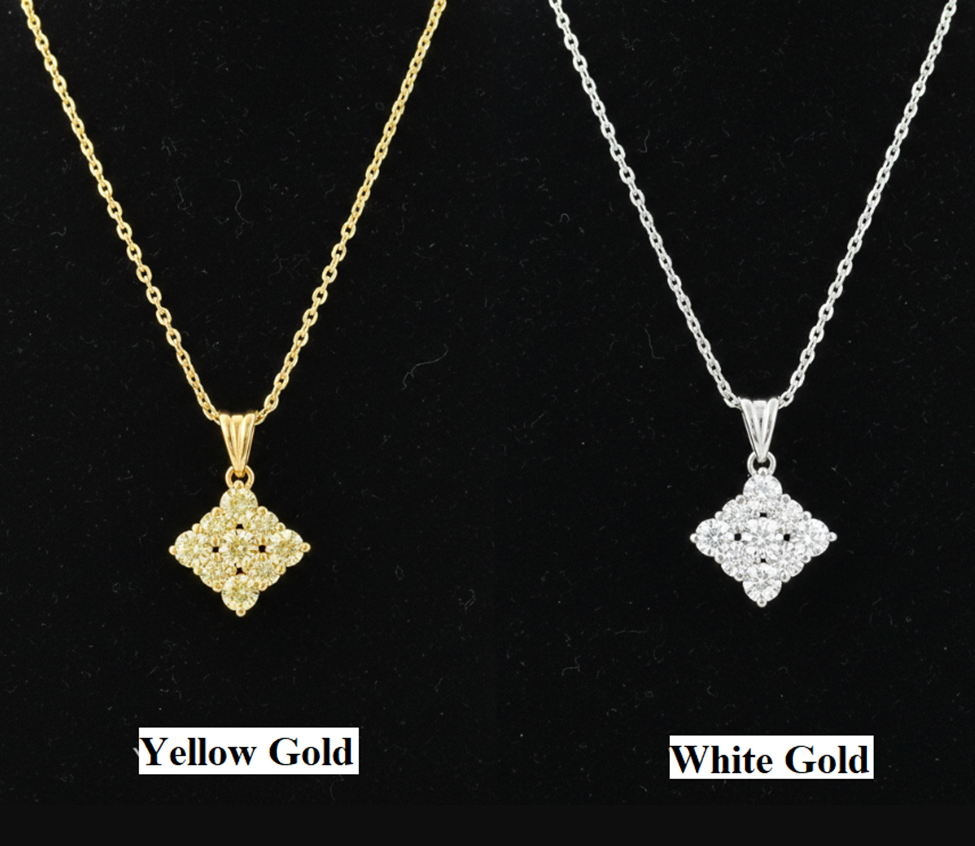
What Is White Gold?
White gold is not naturally white. It starts as yellow gold. Jewelers mix it with white metals. Common metals include nickel or palladium. This alloy changes the color. It creates a pale white tone. Most white-gold receives a rhodium coating. Rhodium adds bright shine. It also improves scratch resistance. White-gold looks modern and clean. Many buyers love its sleek appearance. White gold works well with diamonds. It reflects light beautifully.
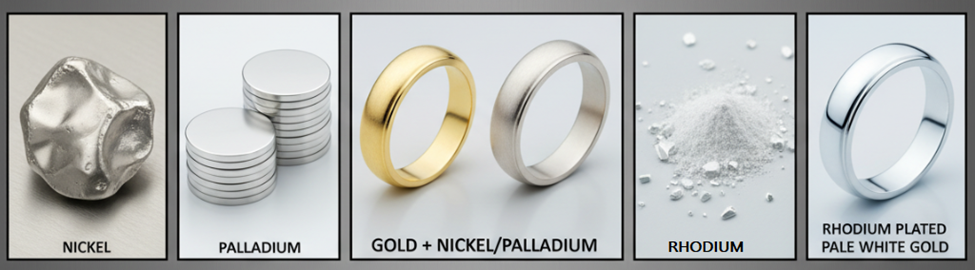
What Is Yellow Gold?
Yellow gold keeps its classic warmth. It mixes gold with copper and silver. These alloys strengthen soft gold. Yellow gold keeps its traditional golden color. No rhodium coating is required.
The color stays natural. Many cultures prefer yellow gold. It symbolizes wealth and heritage.
Visual Differences between White-Gold and Yellow Gold
- White-gold appears bright and silvery; Yellow gold looks rich and warm.
- White gold feels modern; Yellow gold feels traditional.
- White-gold blends with platinum jewelry; Yellow gold stands out strongly.
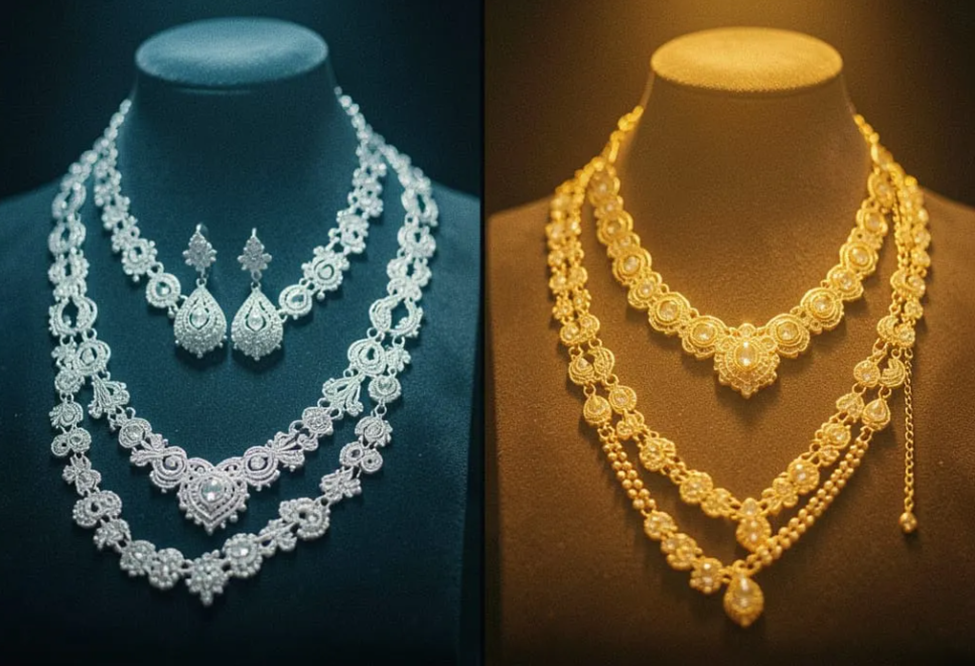
Skin tone also affects appearance. Cool tones suit white-gold better. Warm tones suit yellow gold better.
Durability Comparison
Both metals share similar base strength. Karats matter more than color. Lower karats mean harder metal. Higher karats mean softer metal. White gold often feels harder. That comes from alloy metals. Rhodium coating adds surface protection. Yellow gold scratches more visibly. But scratches blend into color easier. White-gold scratches show darker lines. That reveals the base metal underneath.
Maintenance and Care Requirements
White gold needs more upkeep. Rhodium coating wears over time. Most jewelers recommend replating. Usually every one or two years. Replating restores a bright white shine. Without it, white-gold looks dull. Yellow gold needs less maintenance. Its color never fades. Simple polishing restores shine. Experts say this matters long term. Maintenance affects ownership cost.
Cost differences Explained
1. Base Gold Price Context (Feb 2026)
In early February 2026, the international spot gold price was trading around $4,970 per ounce (≈ $159 per gram), influenced by global market dynamics and inflation expectations.
2. Jewelry Purity Reference (India Benchmarks)
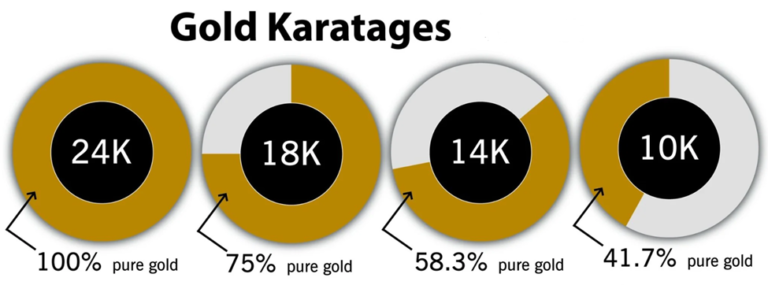
Retail gold jewelry prices in India (a leading global market) reflect purity tiers relevant to white-gold and yellow gold:
- 18 K gold: ≈ ₹12,800–₹12,811 per gram
- 14 K gold: ≈ ₹9,176–₹10,201 per gram
(These prices exclude making charges and taxes.)
3. Estimated Cost Difference in USD (Feb 2026)
While the metal content cost is nearly the same for white and yellow gold of the same karat, retail pricing differs slightly due to alloy and finishing costs — especially for white gold’s rhodium plating and labor.
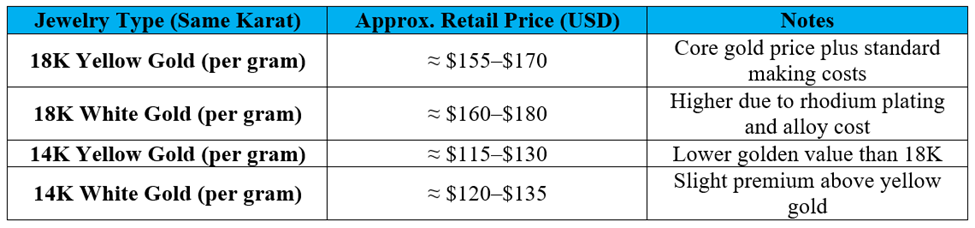
These estimates reflect typical retail differentials seen in Feb 2026. White-gold often costs about 2–5 % more than yellow gold of equivalent karat due to additional plating and alloy costs.
4. Why White-Gold Can Cost More
- Rhodium Plating Cost: White gold pieces are often plated with rhodium to boost sheen, adding recurring costs.
- Alloy Metals: White-gold alloys (like palladium) can be pricier than metals used in yellow gold.
- Craftsmanship: Finishing and plating add labor costs to final retail pricing.
5. Practical Pricing Example (Simple Ring)
- An 18K yellow gold ring weighing ~5 grams might retail around $800–$900.
- The same ring in 18K white-gold might cost around $840–$950, reflecting plating and design variation.
(The actual price also includes making charges and local taxes, which vary by region.)
6. Making Charges and Retail Markups
Remember, jewelry retail prices add:
- Making charges and design fees
- Hallmarking and GST/VAT taxes
These significantly raise the final price beyond pure gold value.
Skin Sensitivity Concerns
Some white gold contains nickel. Nickel may cause skin irritation. Many brands now use palladium instead. Always ask about alloy content. Yellow gold rarely causes allergies. It suits sensitive skin better. Experts advise allergy-prone buyers. Choose nickel-free white gold. Or choose yellow gold instead.
How Stones Look in Each Metal
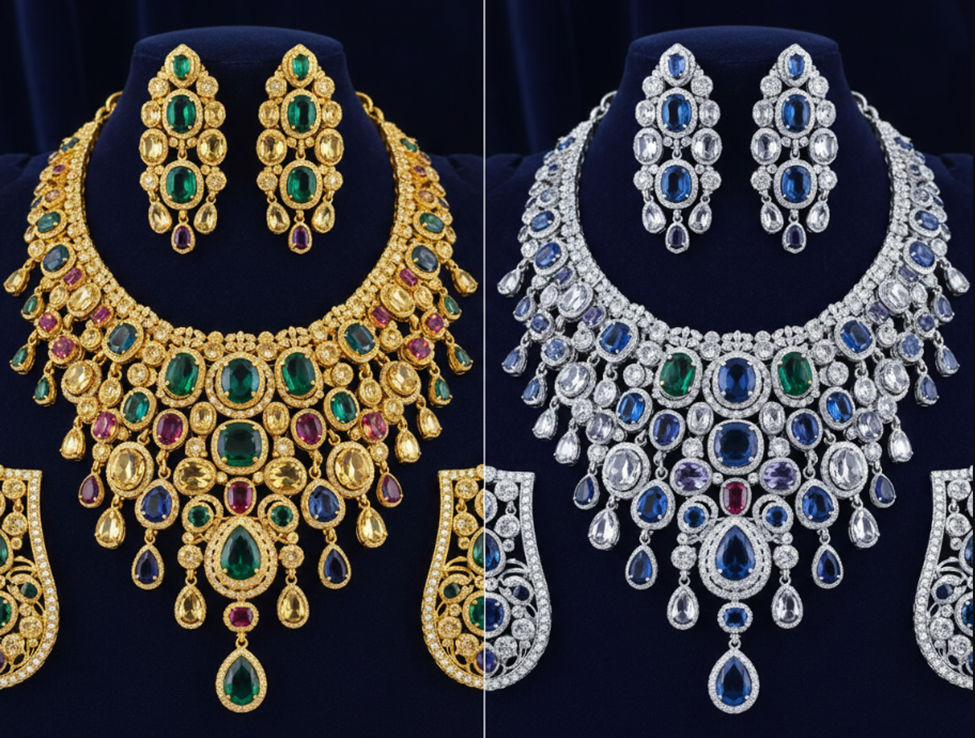
White gold enhances diamond brightness. It reflects light strongly. Diamonds appear whiter. Yellow gold gives warm contrast. Some gemstones look richer. Emeralds and rubies shine beautifully. Both metals hold stones securely. Choice depends on style preference.
Fashion Trends and Buyer Preferences
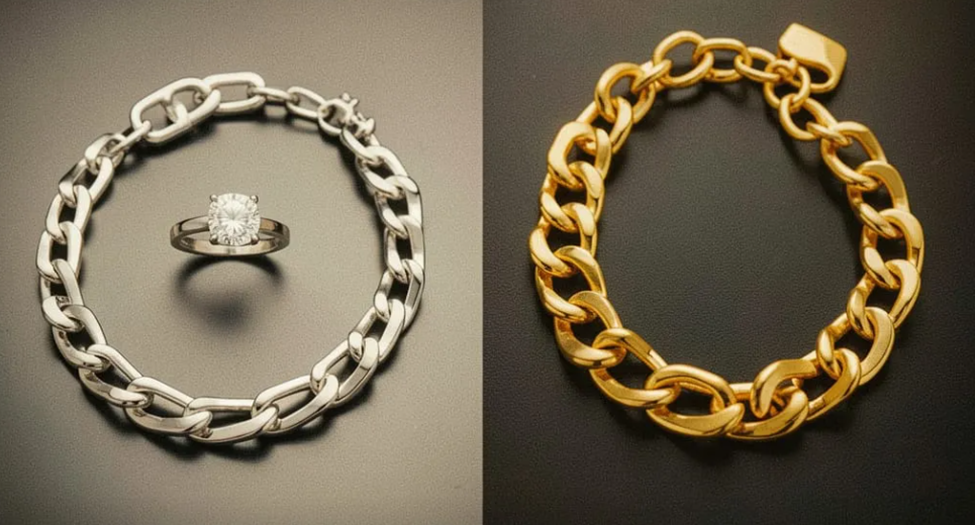
White gold dominates modern designs. Minimalist jewelry favors white gold. Engagement rings often use white gold. Yellow gold is returning strongly. Vintage styles inspire designers. Chunky chains feature yellow gold. Younger buyers like white gold. Older buyers often prefer yellow gold. Fashion cycles influence both choices.
Expert Views on Long-Term Value
Experts say both retain gold value. Color does not affect melt value. Only weight and karat matter. However, maintenance affects resale. White-gold may need replating. Yellow gold sells easily without preparation. Some investors prefer yellow gold jewelry. It requires less restoration.
Lifestyle Considerations
Active lifestyles impact jewelry choice. White-gold hides scratches better initially. But the coating eventually wears away. Yellow gold shows scratches sooner. But polishing fixes them easily. Busy people prefer low maintenance. Experts suggest yellow gold for them.
Environmental and Ethical Factors
Both metals use mined gold. Recycled gold reduces environmental impact. Many jewelers now offer recycled options. Rhodium mining also affects the environment. White-gold uses rhodium coating. Yellow gold avoids that step. Eco-conscious buyers consider this difference.
Step-by-Step Comparison Summary
- First, consider appearance. White-gold looks modern. Yellow gold looks classic.
- Second, consider maintenance. White-gold needs replating. Yellow gold only needs polishing.
- Third, consider skin sensitivity. White-gold may contain nickel. Yellow gold rarely causes reactions.
- Fourth, consider cost. White-gold costs more long term. Yellow gold costs less overall.
- Fifth, consider lifestyle. Active people prefer yellow gold. Fashion lovers enjoy white gold.
Which One Is Better for Engagement Rings?
White-gold dominates engagement rings. It complements diamonds perfectly. It matches platinum styles. Yellow gold offers vintage romance. Some couples choose bold contrast. Experts say both are excellent. Choice depends on personal taste.
Which Metal Ages is better?
Yellow gold ages gracefully. Color remains consistent. Surface develops a soft patina. White-gold changes over time. Rhodium wears away gradually. Replating restores the original look. Some prefer natural aging. Others like fresh shine.
Daily Wear Comparison
White-gold looks elegant daily. But it requires care. Yellow gold feels warm and timeless. It handles daily wear better long term. Experts recommend yellow gold for rings. They experience constant friction.
Buyer Tips from Jewelry Experts
Always check karat markings. Ask about alloy metals. Confirm rhodium plating thickness. Request maintenance estimates. Understand future replating costs. Try both colors on the skin. Lighting changes appearance. Choose comfort over trends.
Common Myths about White Gold
- White-Gold is not platinum.
- This is not naturally white.
- White-Gold needs maintenance.
Many buyers misunderstand this. Education prevents disappointment.
Choosing Between Them
White gold offers modern beauty. Yellow gold offers timeless warmth. White-gold suits sleek designs. Yellow gold suits classic styles. White-gold needs upkeep. Yellow gold needs less care. White-gold looks brighter. Yellow gold feels richer.
So, is white gold better? Not always. It depends on your lifestyle. It depends on your taste. White-gold shines brilliantly. Yellow gold glows warmly. White-gold requires maintenance. Yellow gold offers simplicity. Experts agree on one thing. Choose what feels right. Choose what fits your life. Beauty comes from confidence. Not just metal color.
FAQ’s
1. Is white gold better than yellow gold for everyday jewelry?
White-gold looks modern but needs rhodium replating over time. Yellow gold needs less maintenance and ages naturally. For daily wear, many experts prefer yellow gold.
2. Why does white gold require more maintenance?
White gold is coated with rhodium for brightness. That coating slowly wears off with regular use. Most jewelers recommend replating every 1–2 years.
3. Does white gold cost more than yellow gold?
Both cost similar for the same karat. White gold usually costs slightly more due to plating. Long-term care also adds extra expense.
4. Which is better for sensitive; skin yellow gold or white gold?
Yellow gold rarely causes skin reactions. Some white gold contains nickel, which may irritate. Nickel-free white gold is safer for sensitive wearers.
5. Which gold holds value better over time, white gold or yellow gold?
Both hold the same gold value by weight and karat. Yellow gold often resells easier because it needs no replating. Maintenance costs make yellow gold cheaper long term.