Solid Gold Jewelry: Everything You Need to Know About Gold Quality
Gold jewelry attracts buyers worldwide. Yet many shoppers feel confused when choosing between solid gold jewelry, gold-filled jewelry, and gold-plated jewelry. Each type looks similar at first glance. However, their structure, value, durability, and long-term performance differ greatly. Understanding these differences protects your money and helps you make smarter buying decisions.
Today’s jewelry market serves many lifestyles. Some buyers want lasting value. Others want affordable fashion. Some want trend-driven pieces. These needs created three major categories: solid gold jewelry, gold-filled jewelry, and gold-plated jewelry. Let us explore each in detail.
What Is Solid Gold Jewelry?
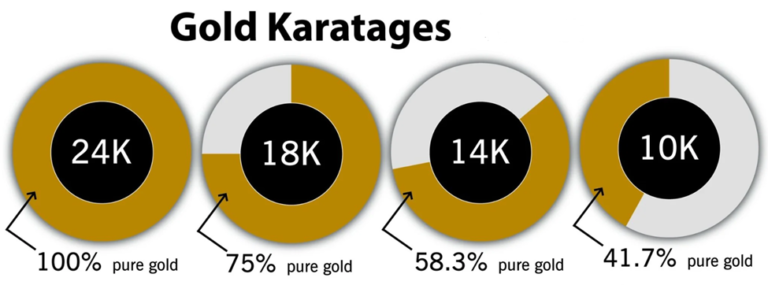
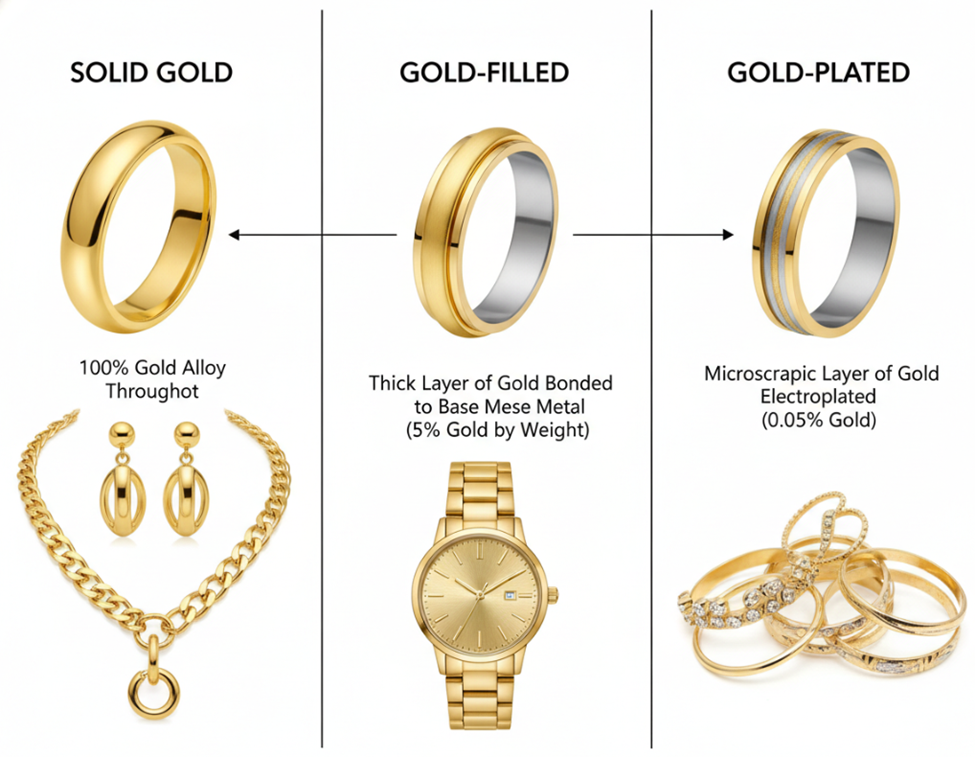
Solid gold jewelry is made up of gold all over. There is no hidden base metal underneath. Instead, the whole item uses gold mixed with small amounts of alloy metals for strength. Pure gold is 24 karat, but most jewelry uses 10K, 14K, or 18K for durability.
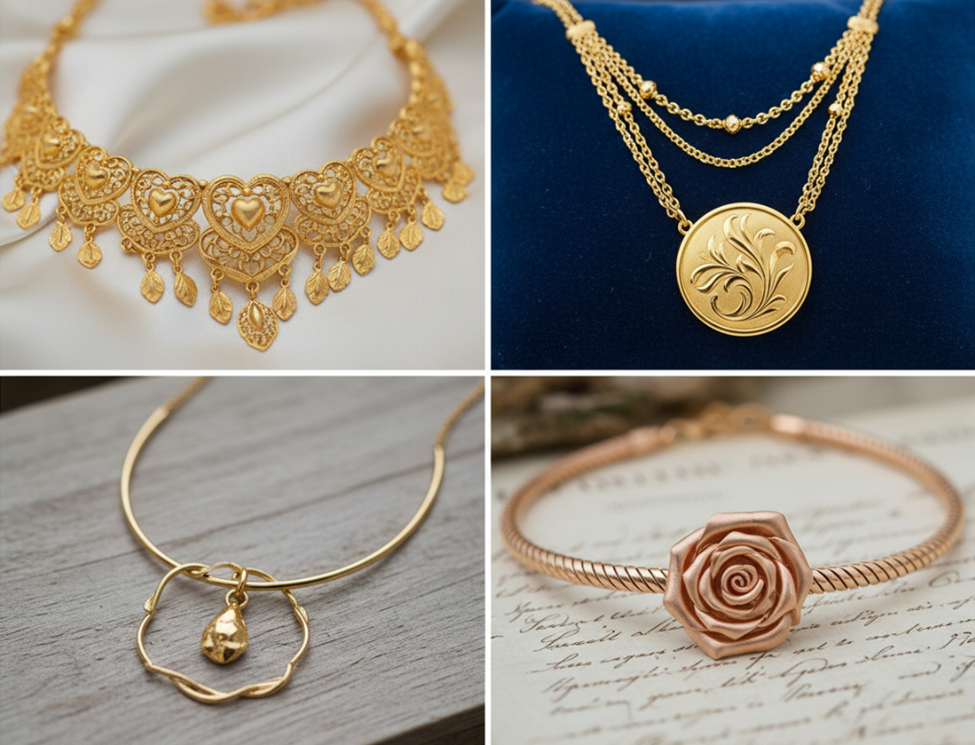
Because solid gold jewelry contains real gold from surface to core, it never peels or flakes. The color stays consistent for life. It resists tarnish naturally and handles moisture, sweat, and daily wear far better than other options. This makes solid gold jewelry ideal for rings, bracelets, necklaces, and heirloom pieces.
Experts agree that solid gold jewelry holds intrinsic value. Its price follows global gold markets. Pawn shops accept it easily. Refiners buy it readily. Even after several years of use, the reselling price remains high. This makes solid gold jewelry both wearable beauty and financial asset.
The main drawback is cost. Solid gold jewelry requires higher upfront investment. However, over decades, many buyers find it cheaper than repeatedly replacing lower-quality pieces.
Key Characteristics of Solid Gold Jewelry
- High gold content ensures lasting purity and value
- Long lifespan makes it suitable for daily wear
- Strong resale value due to real gold composition
- Excellent skin compatibility for sensitive wearers
- Never exposes base metals over time
- Rarely causes allergies or skin reactions
- Higher initial cost but lower long-term expense
- Lasts for generations without losing quality
What Is Gold-Filled Jewelry?
Gold-filled jewelry uses a thick layer of gold permanently bonded to a base metal, usually brass. Heat and pressure fuse the gold to the core. Legally, gold-filled jewelry must have up to 5% gold by weight. This is far more than gold plating.
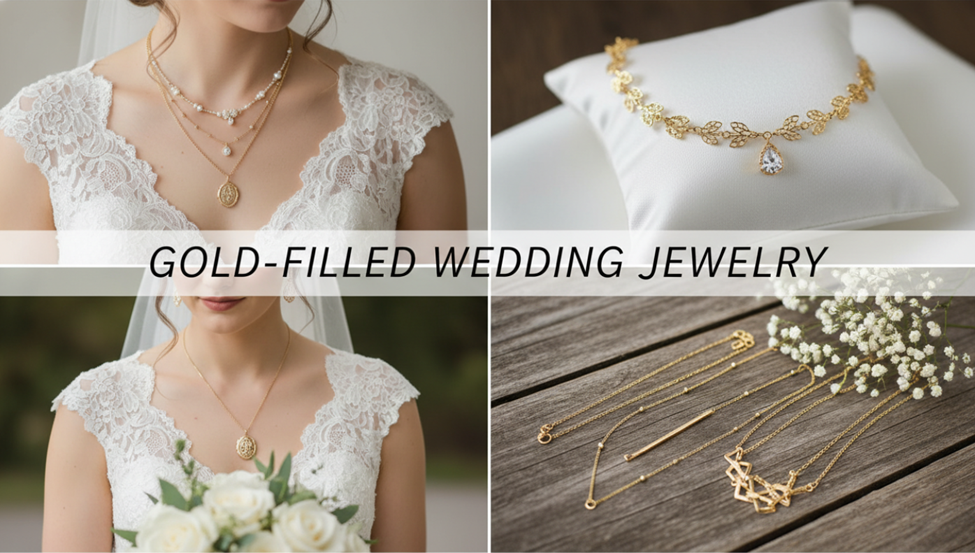
Because of this thicker layer, gold-filled jewelry lasts much longer than plated pieces. With proper care, it can look beautiful for many years. The color stays vibrant, and fading happens slowly. Many buyers mistake gold-filled jewelry for solid gold due to its rich appearance.
Jewelers prefer gold-filled jewelry because it offers the perfect balance between beauty and budget. Consumers love it because it offers luxury aesthetics without luxury pricing. As a result, gold-filled jewelry continues gaining popularity, especially among younger buyers and minimalist fashion lovers.
Key Characteristics of Gold-Filled Jewelry
- Thick bonded gold layer offers good durability
- Moderate pricing makes it budget-friendly
- Good color retention with proper care
- Decent resistance to tarnish over time
- Lasts much longer than plated alternatives
- Maintains appearance better than gold-plated jewelry
- Skin-friendly for most wearers
- May wear eventually but delivers strong everyday value
What Is Gold-Plated Jewelry?
Gold-plated jewelry uses a very thin coating of gold applied through electroplating. This gold layer sits on top of base metals like brass or copper and is often thinner than one micron.
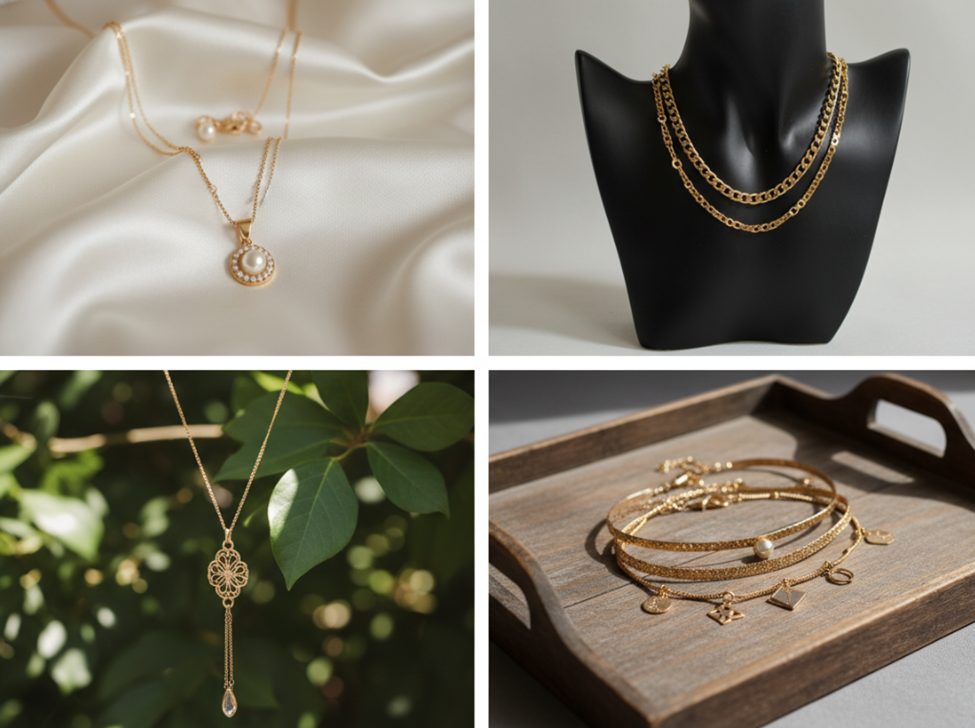
Because the coating is extremely thin, gold-plated jewelry scratches easily. With regular wear, the gold fades and exposes the underlying metal. Discoloration follows, changing the piece’s appearance.
Despite these weaknesses, gold-plated jewelry dominates fast fashion. It offers the lowest prices and allows brands to release frequent new styles. Consumers buy it for short-term trends and seasonal looks. However, gold-plated jewelry holds almost no resale value and requires careful handling.
Key Characteristicsof Gold-Plated Jewelry
- Minimal gold content with very thin surface coating
- Lowest cost among all gold jewelry types
- Shortest lifespan due to fragile plating
- Fades quickly with regular wear
- Scratches easily, exposing base metal
- May irritate sensitive skin
- Requires careful handling and storage
- Holds decorative value only, not investment value
Deep Comparison between All Three Types
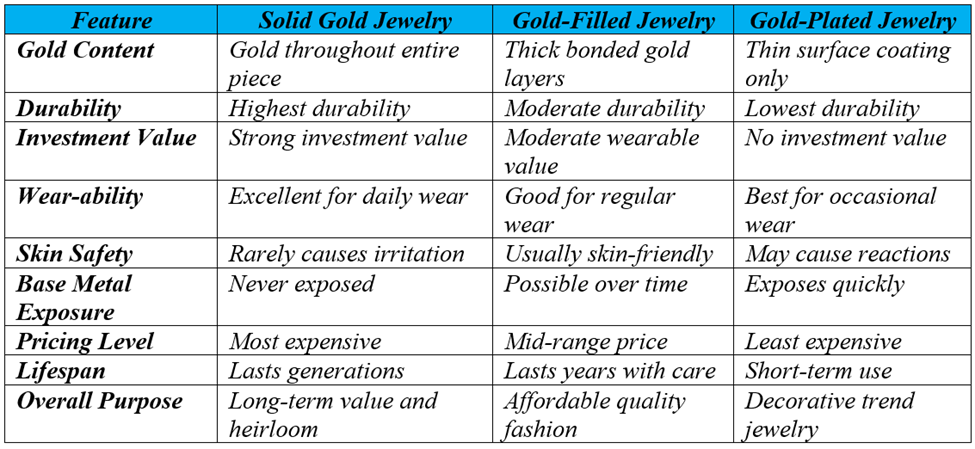
Explanation of Estimated Prices
Solid Gold Jewelry:
- Items like 14K and 18K necklaces, bracelets, and rings are priced based on real gold content plus craftsmanship.
- Entry-level solid gold chains (thin, light) typically start around $300–$600 for simple designs.
- Mid-range designs with more weight or gemstones often fall between $700 – $2,000.
- Large or high-karat heirloom pieces can exceed $3,000 depending on weight and brand.
Gold-Filled Jewelry:
- Because the gold layer is thicker than plating, pieces look rich while remaining affordable.
- Most gold-filled chains, bracelets, and pendants fall roughly in the $40–$200 range.
- Higher complexity designs or branded items can push toward the upper end.
Gold-Plated Jewelry:
- The lightest, least expensive category.
- Budget fashion pieces like earrings and simple chains can be $5–$25.
- Mid-range plated items over quality bases (like sterling silver) typically range $25–$75.
- Premium plating techniques (e.g., PVD) or designer collections may reach $80+.
Expert Analysis on Long-Term Value
Jewelry experts focus heavily on longevity and material composition. They consistently recommend solid gold jewelry for wealth preservation. Its metal content guarantees lasting value. They also praise gold-filled jewelry for everyday wear, calling it a practical compromise between cost and durability.
Experts caution buyers about gold-plated jewelry. They describe it as disposable fashion best suited for temporary styling. Financial advisors echo this view, stating only solid gold jewelry truly protects wealth.
Stylists add another perspective. They favor gold-filled jewelry for daily fashion and layered looks, while using gold-plated jewelry mainly for short-lived runway trends.
Which Type Is Trending in 2026?
Current markets show two strong movements. Gold-filled jewelry is rising rapidly among young professionals seeking affordable quality. Solid gold jewelry remains strong among investors and long-term buyers looking for stability.
Meanwhile, gold-plated jewelry continues dominating social media due to influencer culture and fast fashion cycles. However, replacement rates remain high because pieces wear quickly.
Why Gold-Filled Jewelry Is Rising
Gold-filled jewelry grows because it offers a premium appearance without premium pricing. Buyers want lasting color, skin safety, and durability. Gold-filled jewelry delivers all three.
It supports minimalist layering trends and everyday elegance. Retailers report higher repeat purchases because customers trust its quality.
Why Solid Gold Jewelry Remains Powerful
Solid gold jewelry never loses prestige. It symbolizes security, wealth, and tradition. Global uncertainty also drives interest in gold as a safe asset. Solid gold jewelry fulfills emotional desires while supporting financial goals.
Why Gold-Plated Jewelry Still Sells
Gold-plated jewelry attracts trend buyers. Its low price encourages experimentation. Consumers enjoy refreshing styles often. Fast fashion brands rely heavily on plated designs to meet seasonal demand.
Care Differences between All Types
Solid gold jewelry needs only gentle soap and water. Gold-filled jewelry benefits from soft cloth polishing and avoiding chemicals. Gold-plated jewelry requires extra caution, including avoiding moisture, perfumes, and friction. Proper storage also matters. Keeping pieces separate prevents scratches and extends lifespan.
Resale and Investment Reality
Only solid gold jewelry resells easily. Gold-filled jewelry holds aesthetic value only. Gold-plated jewelry carries virtually zero resale value.
Environmental Considerations
Gold mining impacts ecosystems. Many brands now use recycled gold for solid gold jewelry. Some also recycle gold-filled materials. Gold-plated jewelry rarely supports recycling efforts.
Buyer Advice from Experts
Experts suggest buying based on purpose. Choose solid gold jewelry for wealth building and daily wear. Choose gold-plated jewelry for short-term fashion. Always verify labels and ask about gold thickness and base metals.
Conclusion
Each gold type serves different goals. Solid gold jewelry offers lifetime value. Gold-filled jewelry offers smart affordability. Gold-plated jewelry offers quick style. Trends favor solid gold jewelry for investment and gold-filled jewelry for fashion. Gold-plated jewelry dominates temporary trends.Understanding materials empowers buyers. Solid gold jewelry lasts forever. Gold-filled jewelry balances beauty and cost. Gold-plated jewelry satisfies short trends. Buy wisely, wear confidently, and invest smartly.