
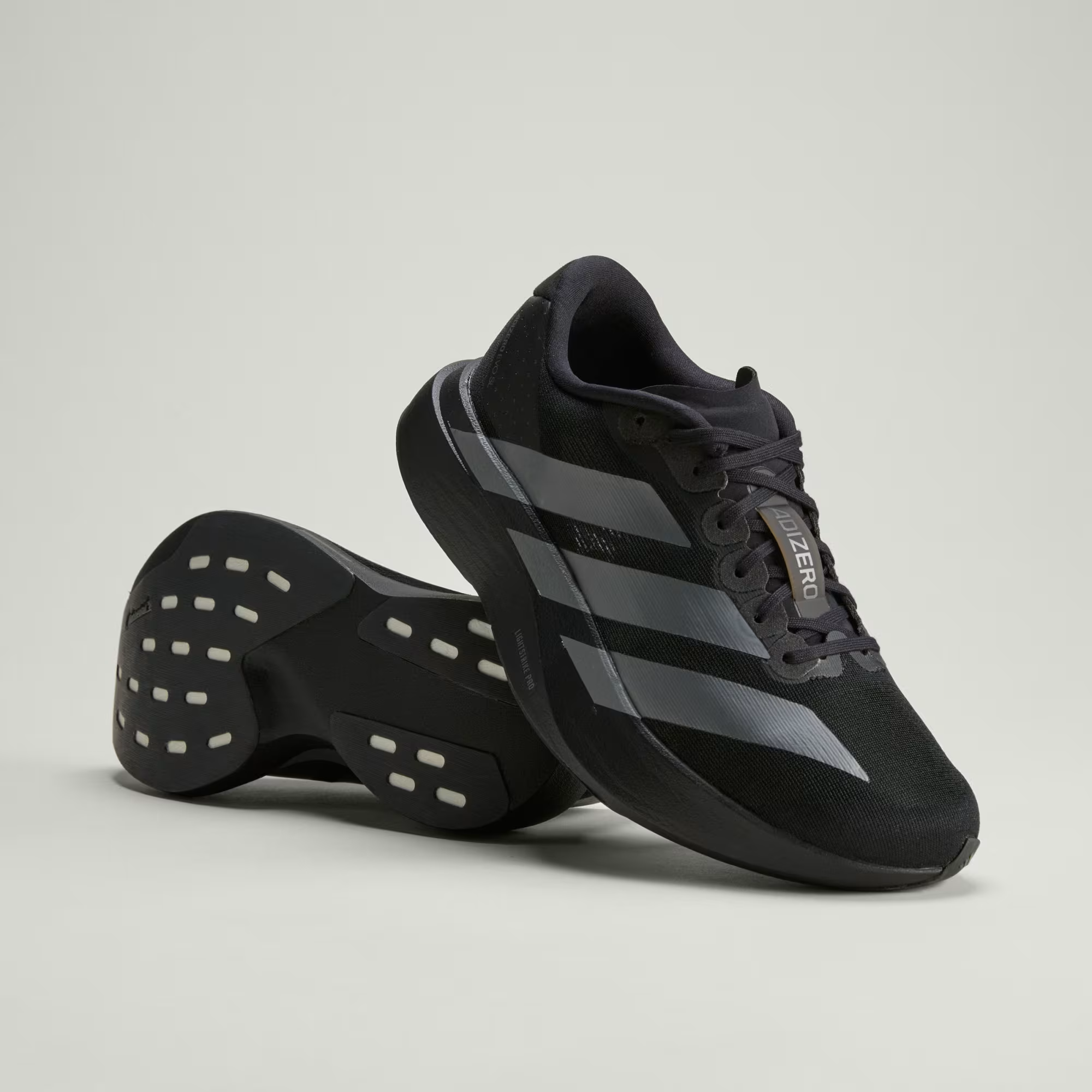
Everything You Need to Know About Adidas Pro Evo 3 (0.2 lb Marvel)
In 2026, the race to create the fastest and lightest running shoe has reached a new milestone. Adidas has unveiled its latest innovation, the Adidas Pro Evo 3, a revolutionary running shoe that weighs just 0.2 pounds (97 grams). This development is not just a technological achievement; it represents a major shift in how performance footwear is designed, tested, and used by elite athletes.
A New Benchmark in Lightweight Running
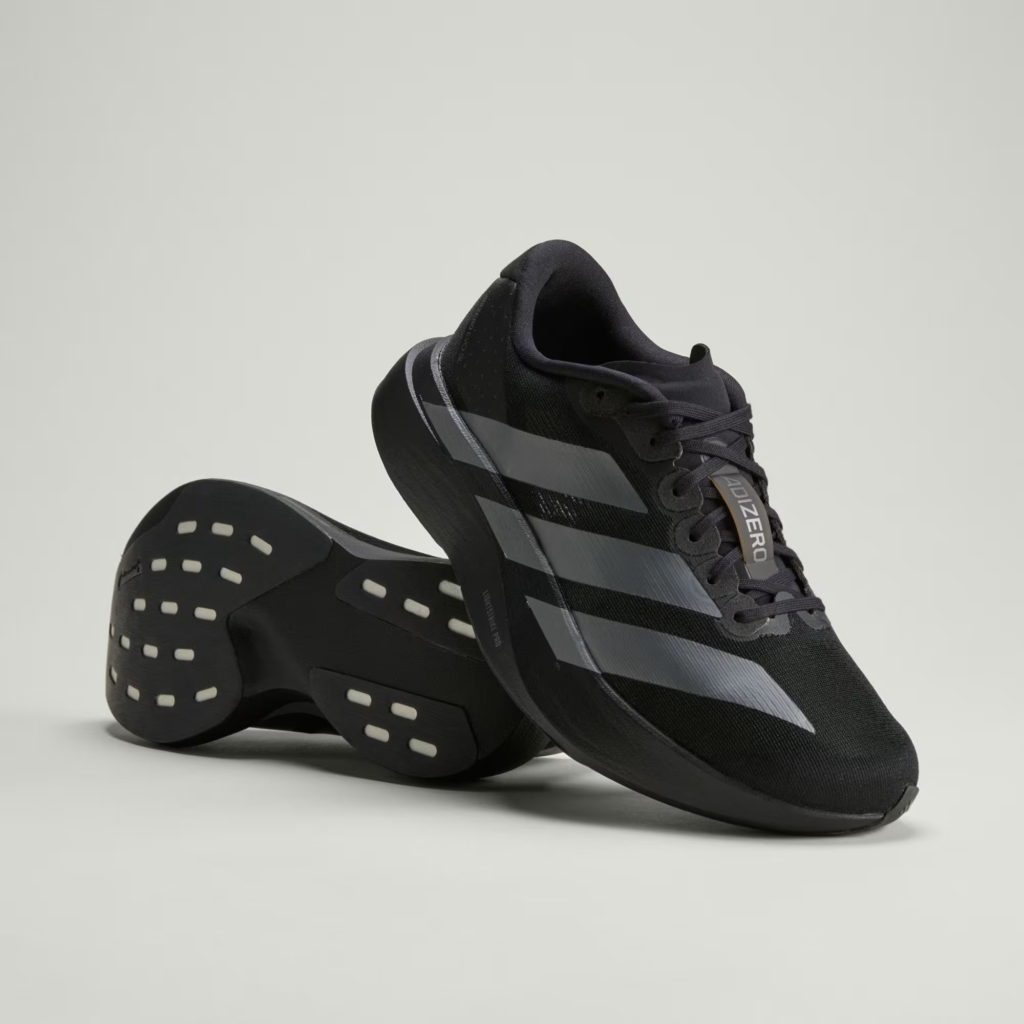
For decades, running shoe brands have competed to reduce weight while improving performance. Traditional running shoes typically weigh between 184g and 368g, making Adidas’s new model dramatically lighter than average.
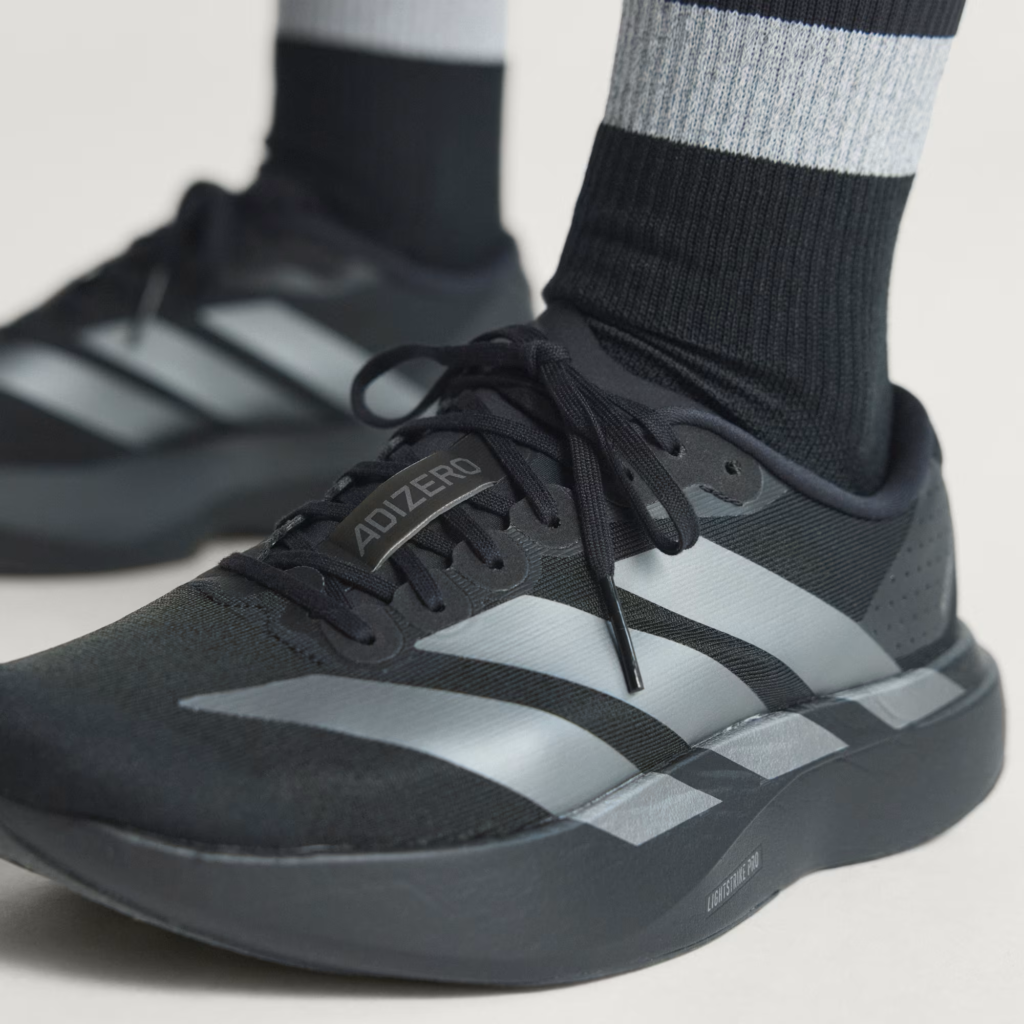
The Pro Evo 3 is approximately 30% lighter than its predecessor, placing it in a category of its own. This extreme reduction in weight is not just about comfort, it directly impacts speed and efficiency. Studies in sports science have shown that lighter shoes reduce energy expenditure, allowing runners to maintain faster paces with less effort.
The Technology behind the 0.2-Pound Shoe
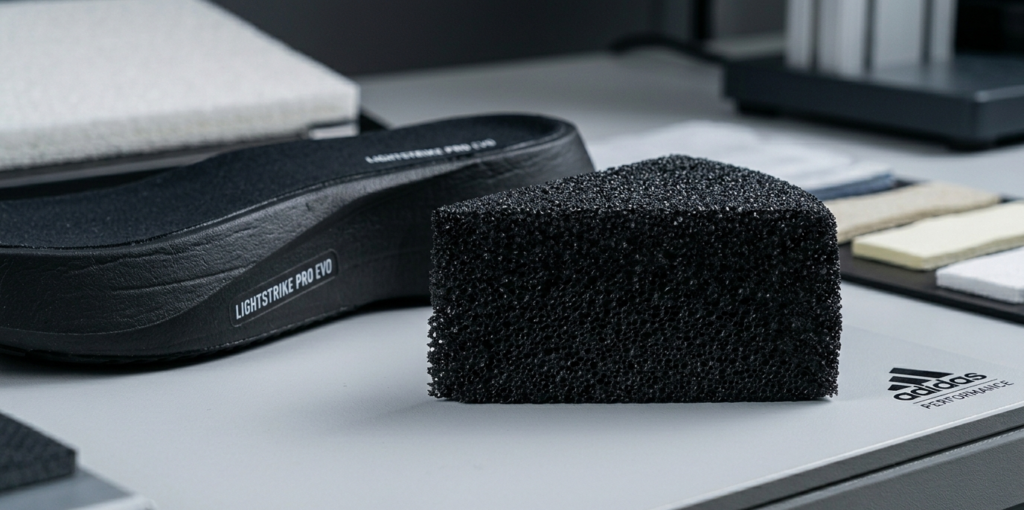
The breakthrough in weight reduction comes from a combination of advanced materials and innovative engineering. Adidas has introduced a new version of its foam technology called Lightstrike Pro Evo, which is lighter than previous iterations while still delivering high energy return.
Another key innovation is the minimal carbon rim structure in the midsole. Unlike traditional full carbon plates used in many “super shoes,” Adidas Pro Evo 3 focuses on strategic placement to enhance propulsion without adding unnecessary weight. Additionally, the upper of the shoe uses high-strength ripstop fabric, inspired by materials used in sailing and kite surfing. This allows the shoe to remain durable while maintaining an ultra-light structure.
Performance Gains: Small Numbers, Big Impact
One of the most impressive claims about the Adidas Pro Evo 3 is its 1.6% improvement in running economy. While this number may seem small, in elite running it can mean the difference between winning and losing. In marathon terms, even a 1% improvement can shave minutes off finishing times, which is why brands continue to invest heavily in performance footwear innovation. The focus is not just on speed, but on maximizing efficiency with every stride.
Designed for Elite Athletes
This shoe targets elite-level competition rather than casual runners. Designers built the Pro Evo 3 specifically for high-performance racing, where marginal gains matter most. Top athletes, including Sebastian Sawe, are expected to wear it at the 2026 London Marathon, showcasing its role in elite competition.

With only 200 pairs initially released and a price tag of around $500, Adidas Pro Evo 3 is as exclusive as it is advanced. This limited availability reinforces its positioning as a cutting-edge tool rather than a mass-market product.
The Rise of “Super Shoes”
The launch of this ultra-light model is part of a broader trend in the running industry known as the “super shoe era.” This movement began with carbon-plated shoes that significantly improved running efficiency and helped athletes break records.
Today, brands are pushing even further. The focus has shifted from just adding technology to removing unnecessary weight while preserving performance benefits. Competitors are also exploring innovations like robotic manufacturing, spray-on uppers, and smart sensors embedded in shoes. This ongoing evolution is transforming running from a simple sport into a technology-driven discipline.
Balancing Performance and Practicality
While the Adidas Pro Evo 3 represents a major leap forward, it also raises important questions. Ultra-light shoes often sacrifice durability, making them less suitable for everyday training. Many are designed for limited use, such as a single marathon or race season.
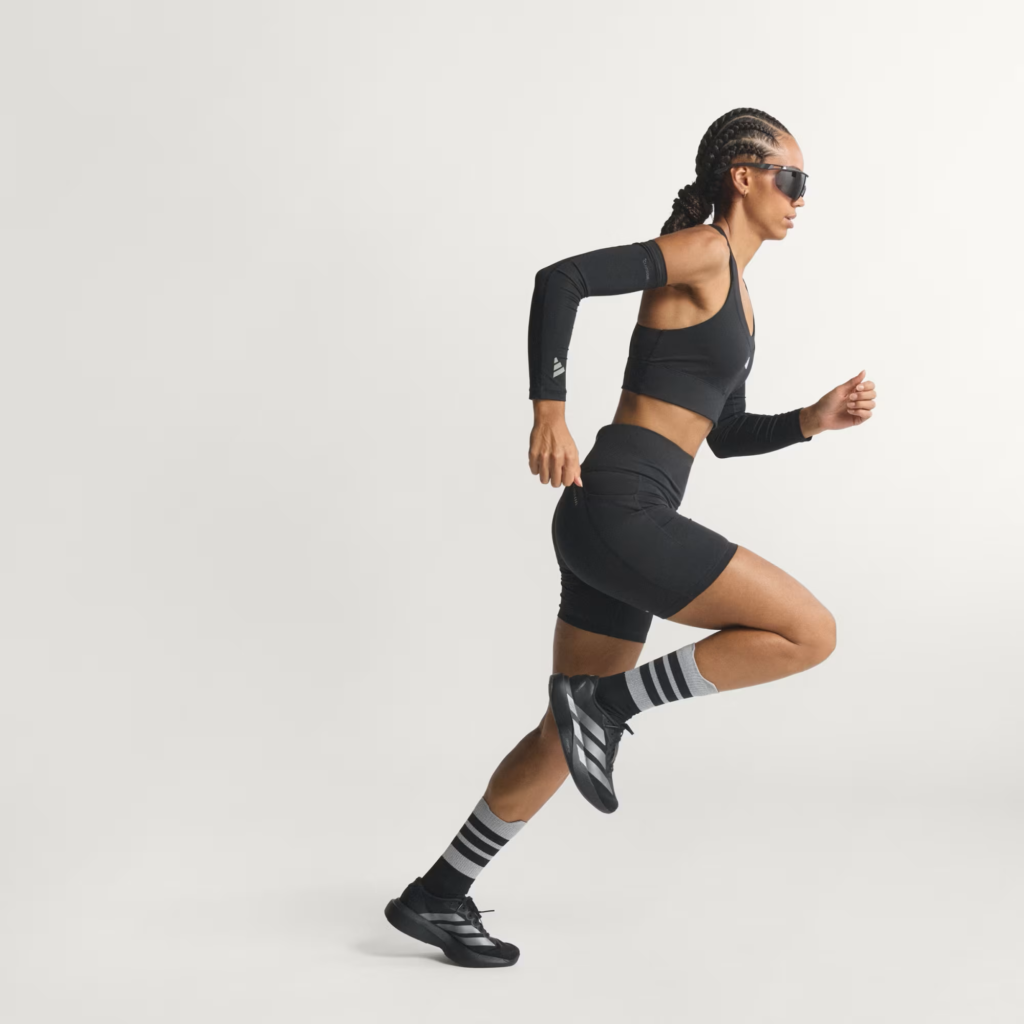
For regular runners, Adidas and other brands continue to offer more durable options with similar technologies but greater longevity. The challenge is finding the balance between maximum performance and real-world usability.
The Role of AI and Material Science
One of the most significant aspects of this innovation is how it was developed. Adidas has increasingly relied on AI-driven design and advanced material science to optimize every component of the shoe. By analyzing data from athletes and simulations, engineers can fine-tune weight distribution, cushioning, and energy return with unprecedented precision. This approach is likely to define the future of sportswear design.
A Glimpse into the Future of Running
The release of a 0.2-pound running shoe signals more than just a product launch—it reflects where the industry is heading. The global running market is expected to grow significantly, with increasing participation from younger generations and a stronger focus on performance gear. As technology advances, we may see even lighter, smarter, and more efficient shoes. However, experts suggest that the 100-gram barrier may be close to the practical limit, though innovation is unlikely to stop there.
Conclusion
Adidas Pro Evo 3 is the Adidas’s new 0.2-pound running shoe marks a turning point in athletic footwear. By combining ultra-light materials, innovative design, and performance-driven engineering. The brand has pushed the boundaries of what is possible in running. While it may not be designed for everyday runners; the technology behind it will likely influence future models across all levels. In the world of competitive running, where every second counts, this shoe represents the relentless pursuit of speed; and the future of the sport itself.
Frequently Asked
________________________________________________________________________________________________________________