Coral Stone: Comprehensive Guide to Quality, Value and Uses
Introduction
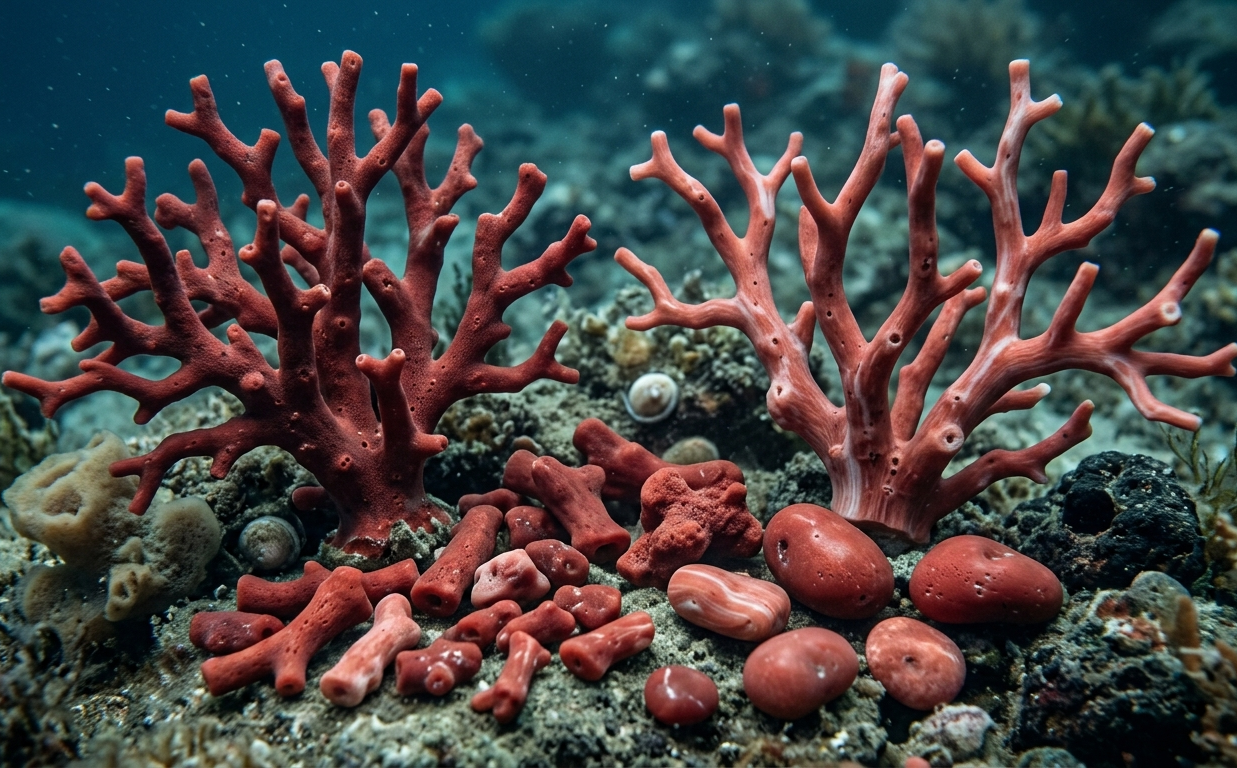
Coral is an organic gemstone. It forms beneath ocean waters. Tiny marine organisms create coral structures. These organisms are called polyps. Polyps build hard calcium carbonate skeletons. These skeletons later become gemstone materials. Coral differs from mineral gemstones greatly. Diamonds form underground through pressure. Coral stone forms naturally within oceans. This origin makes coral unique. Ancient civilizations treasured coral deeply. Romans used coral for protection. Egyptians used coral within jewelry. Asian cultures valued coral spiritually.
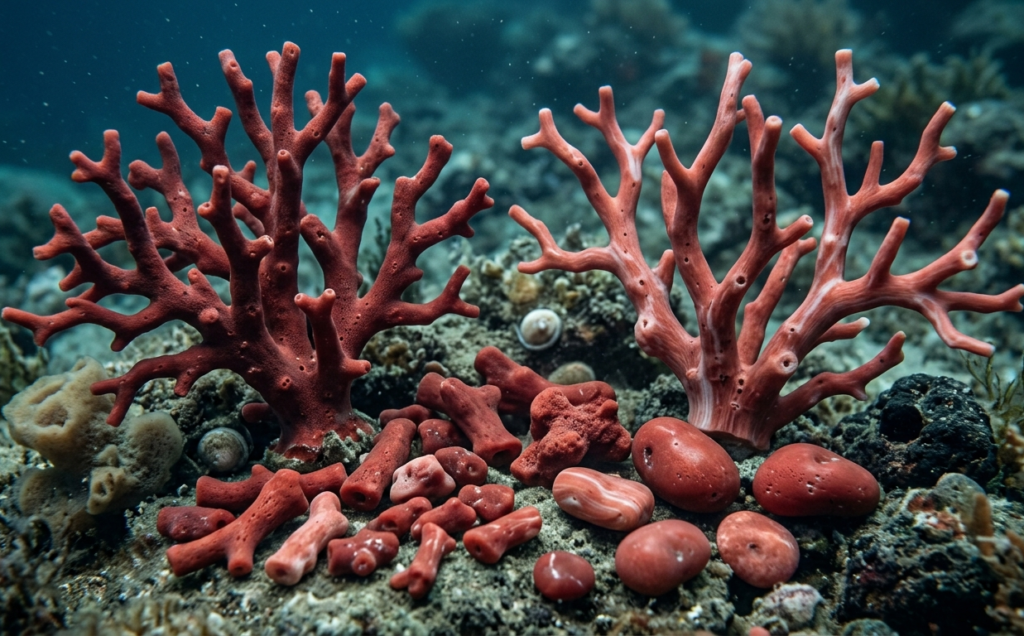
Modern jewelry industries still admire coral. Collectors seek natural untreated specimens today. Fine coral remains commercially valuable worldwide. Its warm colors attract gemstone enthusiasts. Its smooth texture increases desirability greatly. Coral also carries cultural significance globally. Mediterranean coral remains especially prestigious today. Japanese coral also commands premium prices. Many coral stone species exist worldwide today. Only few species become gemstones commercially. Red coral remains the most valuable. Pink coral also remains highly desired. Black coral has specialized collector demand. White coral serves ornamental purposes frequently. Coral requires careful maintenance and handling. Its softness limits heavy daily usage. Still, coral remains historically significant globally.
Type of Gemstone
Coral belongs to organic gemstones. Organic gemstones originate from living organisms. Pearls also belong within this category. Amber similarly remains an organic gemstone. Coral differs from crystalline minerals significantly. Most gemstones possess crystal structures naturally. Coral lacks traditional mineral crystallization. Its composition remains mostly calcium carbonate. Some black coral varieties contain proteins. These proteins are called conchiolin materials. Gem coral forms branching structures underwater. These branches resemble underwater trees visually. Jewelry coral comes from selected species only. Precious coral differs from reef coral.
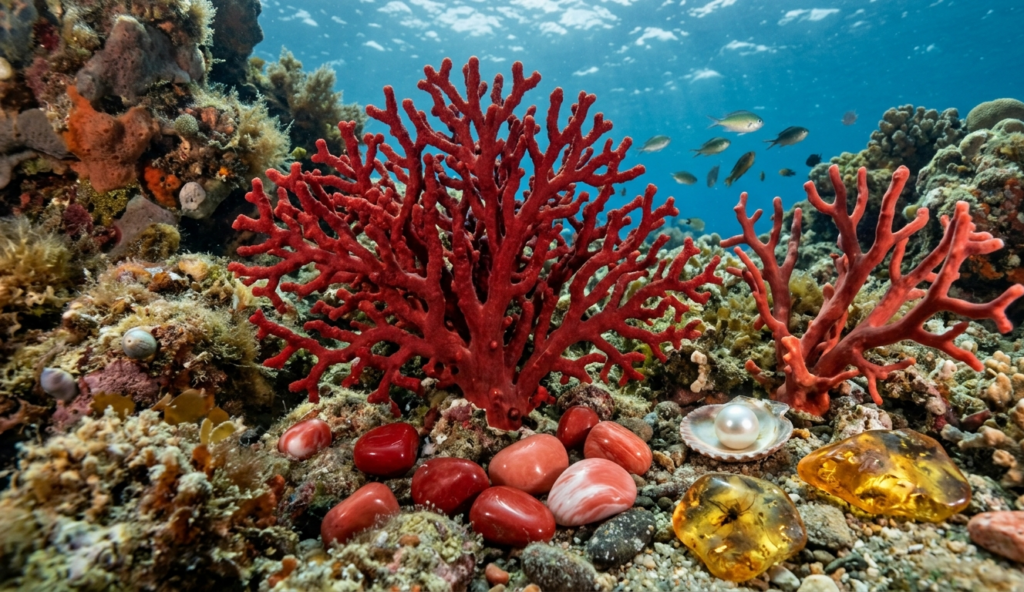
Not all coral suits gemstone production. Gem-quality coral requires dense structures. Strong coloration also increases gemstone quality. Fine texture improves carving possibilities greatly. Organic gemstones remain environmentally sensitive generally. Coral stone reacts strongly against chemicals sometimes. Heat exposure may damage coral surfaces. Acids can dissolve coral quickly. Therefore, gemstone care remains essential. Coral remains biogenic by classification standards. Biogenic materials originate from biological activity. This category increases coral’s scientific importance. Gemologists classify coral carefully during examinations. Coral identification involves optical testing methods. Specialized laboratories certify valuable coral specimens.
Origin / Source
Coral stone forms within warm ocean waters. Marine polyps create coral colonies gradually. These polyps secrete calcium carbonate continuously. Over time, branching skeletons develop naturally. Precious coral grows slowly underwater. Some colonies require decades developing fully. Deep ocean coral grows particularly slowly. Mediterranean Sea coral remains historically important. Italian coral fisheries became internationally famous. Japanese waters produce premium red coral. Taiwan also supplies commercial coral markets. Australia contains important coral harvesting areas. Philippines contribute coral materials internationally. Malaysia produces smaller commercial quantities today. Red Sea coral remains historically significant. Pacific Ocean regions also contain deposits. Canary Islands once supported coral harvesting. Bay of Biscay produced coral historically. Hawaiian waters contain black coral species.
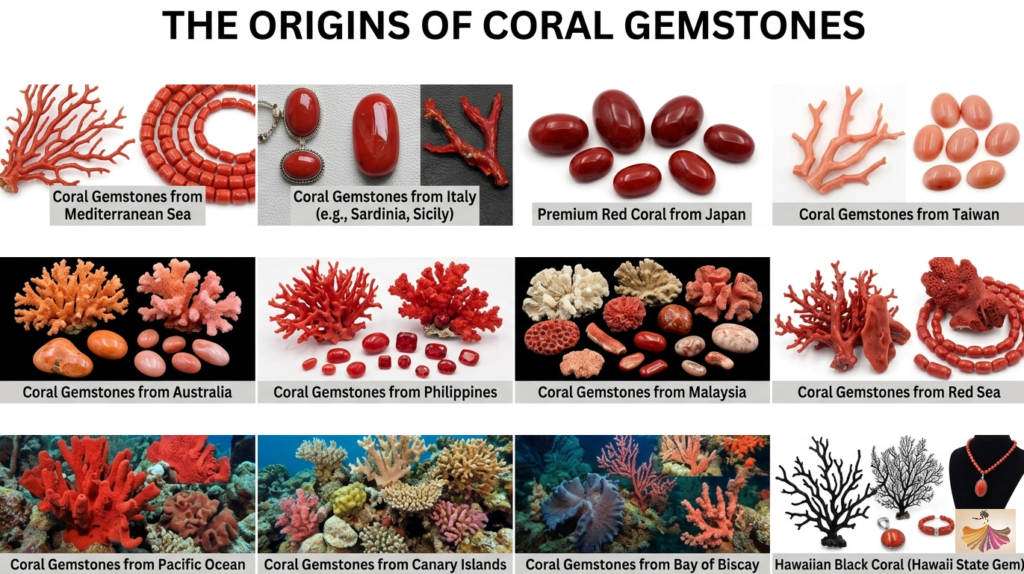
Deep-water coral often possesses superior density. Shallow coral usually lacks gemstone quality. Coral harvesting faces environmental restrictions presently. Many governments regulate coral extraction carefully. Conservation concerns increased dramatically worldwide recently. Overharvesting damaged marine ecosystems previously. Sustainable harvesting practices now receive attention. Cultured coral research continues internationally today. Natural coral still dominates luxury markets. Collectors prefer documented natural sources greatly. Mediterranean coral commands premium prices especially.
Color
Coral displays many beautiful colors naturally. Red coral remains most commercially valuable. Deep oxblood red commands premium prices. Pink coral possesses softer feminine appearance. Angel skin coral shows delicate pinkness. Orange coral appears vibrant and warm. White coral remains elegant and traditional. Black coral offers dramatic jewelry contrast. Blue coral exists but remains uncommon. Brown coral appears within lower grades. Gray coral occasionally reaches commercial markets. Carotene pigments create red coloration naturally.
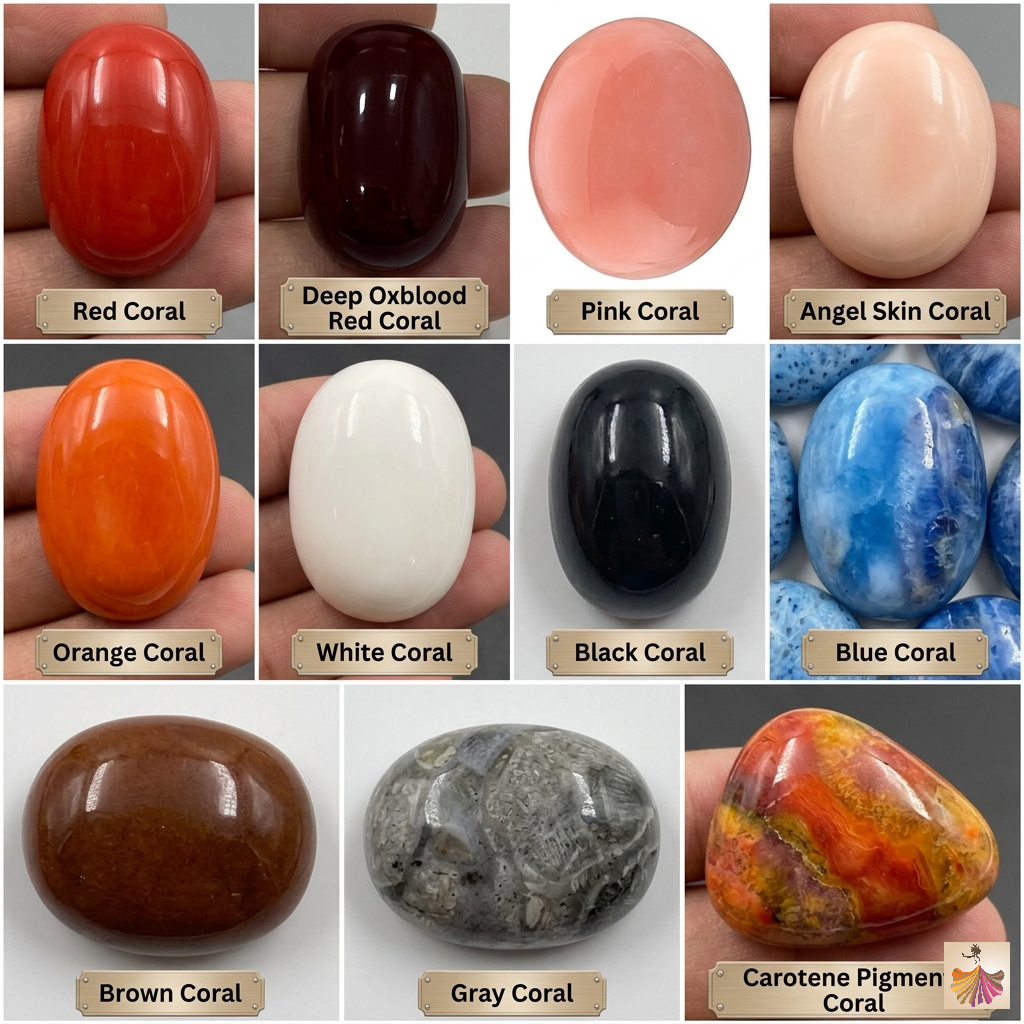
Organic compounds influence coral color intensity. Uniform color increases coral value greatly. Uneven coloration reduces gemstone desirability somewhat. Bright saturated tones attract collectors strongly. Faded colors decrease commercial appeal significantly. Mediterranean coral often shows rich reds. Japanese coral displays exceptional color saturation. Pink coral suits luxury carvings frequently. Black coral appears within men’s jewelry often. Dyed coral exists widely today. Artificial coloring enhances weak specimens commercially. Gemologists inspect color concentrations carefully. Natural coral usually shows subtle variations. Dyed coral sometimes reveals unnatural tones. Color stability depends upon proper care. Sunlight exposure may fade coral gradually. Heat may alter delicate shades permanently. Proper storage preserves coral coloration effectively.
Clarity
Coral stone clarity differs from transparent gemstones. Diamonds emphasize internal transparency heavily. Coral generally appears opaque naturally. Some specimens show semi-translucent characteristics slightly. Fine coral possesses smooth uniform texture. Visible pits reduce clarity quality considerably. Surface fractures lower gemstone value significantly. Porous structures weaken coral durability sometimes. Dense coral remains more desirable commercially.
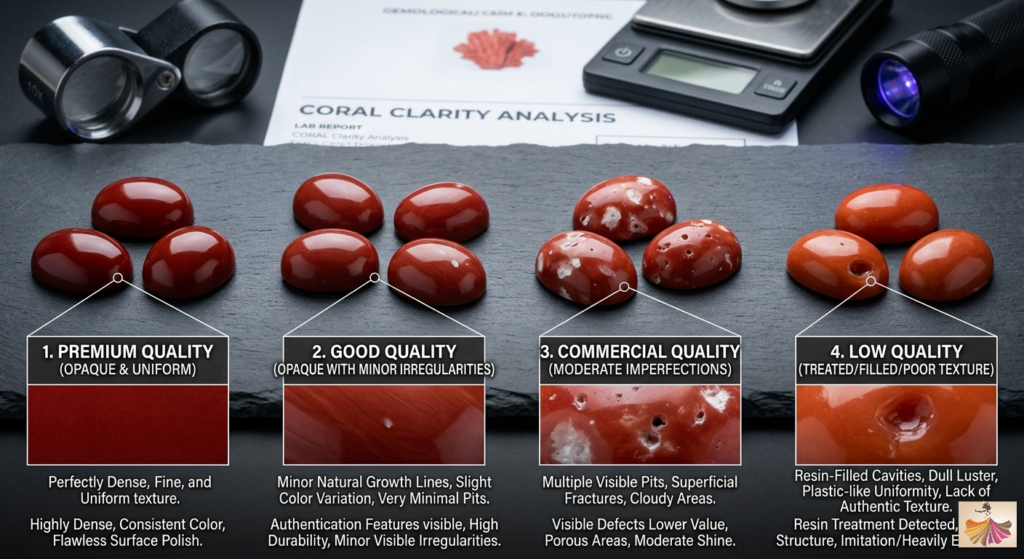
Gemologists inspect coral under magnification carefully. Tubular inclusions appear within natural coral. Fibrous structures remain characteristic identification features. Growth lines may appear internally occasionally. Natural cavities sometimes remain visible externally. High-quality coral displays even textures consistently. Surface polish enhances apparent clarity greatly. Scratches reduce coral appearance immediately. Untreated coral usually shows natural textures. Resin-filled coral may appear unusually smooth. Imitations often lack authentic fibrous patterns. Magnification helps detect treatments effectively.
Laboratories analyze internal structures professionally. Collectors prefer minimal surface imperfections generally. Carved coral stone tolerates slight imperfections better. Cabochon coral requires smoother surfaces visually. Clarity affects carving possibilities significantly. Premium coral remains relatively free from defects. Natural organic growth creates minor irregularities. These irregularities confirm authenticity frequently.
Cut
Coral stone cutting differs from faceted gemstones. Coral usually receives cabochon cuts. Cabochons highlight smooth organic beauty effectively. Round shapes remain commercially popular today. Oval coral cabochons appear frequently within jewelry. Beads represent traditional coral products globally. Carvers create sculptures from larger pieces. Cameos often use pink coral materials. Branches sometimes remain naturally shaped intentionally. Faceting coral remains relatively uncommon commercially.
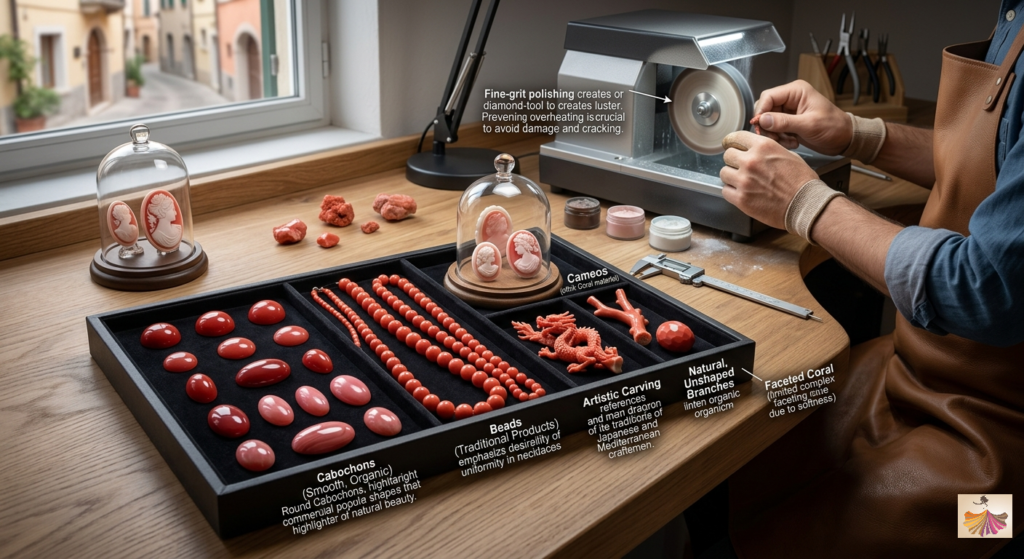
Softness limits complex faceting possibilities greatly. Polishing remains extremely important for coral. Proper polishing creates attractive luster beautifully. Skilled lapidaries prevent overheating during cutting. Heat may damage coral surfaces permanently. Thin coral pieces risk cracking easily. Large coral branches enable artistic carvings. Traditional Mediterranean carvings remain famous internationally. Japanese craftsmen create intricate coral artworks. Symmetrical cutting improves jewelry appearance considerably. Uniform beads increase necklace desirability greatly. Poor polishing reduces commercial value significantly. Surface scratches become highly visible quickly. Fine coral displays excellent smooth finishes. Organic gemstones require specialized cutting techniques. Diamond tools shape coral carefully today. Protective coatings sometimes enhance polished surfaces.
Carat Weight
Coral weight measurements use carats commonly. Larger coral pieces remain comparatively rare. Heavy branches increase carving opportunities greatly. Large flawless coral commands exceptional prices. Small beads dominate commercial jewelry markets. Weight alone never determines coral value. Color quality matters more importantly sometimes.
Dense coral stone weighs more consistently naturally. Porous coral feels lighter comparatively often. Large red coral specimens remain scarce. Collectors seek oversized natural branches actively. Carved sculptures may weigh several grams. Jewelry beads usually remain lightweight pieces. Uniform bead sizes increase necklace value. Matching weights improve jewelry symmetry beautifully. Coral density influences overall perceived heaviness.
Black coral stone often weighs less significantly. Mediterranean coral remains relatively dense naturally. Fine carvings preserve maximum original material. Waste reduction remains economically important greatly. Heavy coral pieces require careful storage. Improper handling may cause breakage damage. Museum collections contain massive coral carvings. Historical coral artifacts sometimes exceed kilograms. Modern markets favor wearable weights mostly. Large untreated coral remains investment-grade material.
Transparency / Clarity Type
Coral stone generally appears opaque naturally. Some specimens become semi-translucent slightly. Transparency varies between coral species considerably. Red coral occasionally transmits limited light. Pink coral sometimes appears softly translucent. Black coral remains mostly opaque visually. White coral may appear chalky externally. Dense coral improves translucency somewhat naturally. Porous structures reduce transparency dramatically.
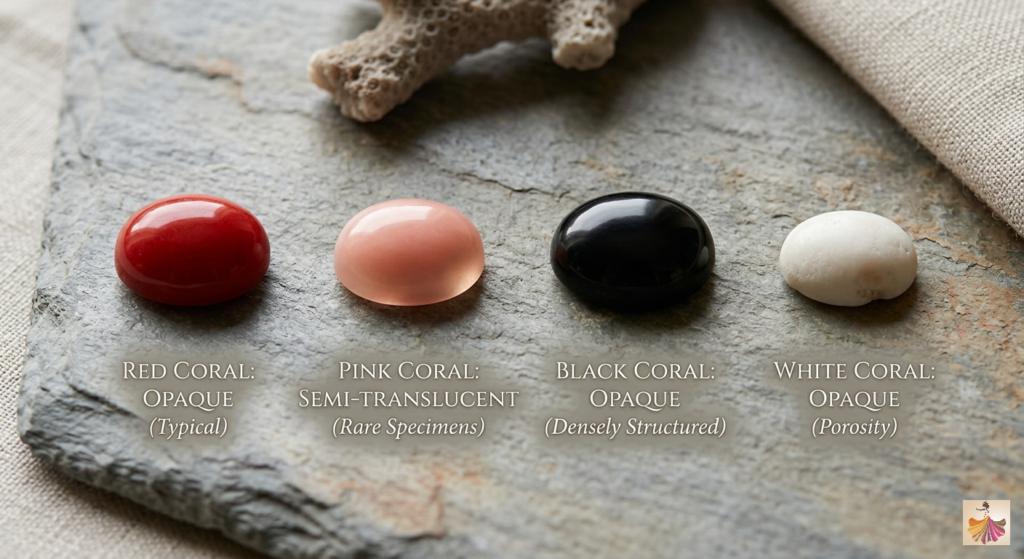
Gemologists classify coral as aggregate material. Aggregate materials contain compact fibrous structures. Light penetration remains limited generally. Transparency influences jewelry appearance significantly. Semi-translucent coral appears more luxurious often. Opaque coral suits carvings effectively still. Surface polish affects perceived transparency strongly. Smooth finishes improve light reflection beautifully. Cracks disrupt visual uniformity immediately. Artificial resin fillings alter appearance sometimes. Laboratory testing identifies enhancement methods accurately. Natural coral rarely becomes highly transparent. Collectors appreciate natural organic appearances greatly.
Treatments / Enhancements
Coral stone frequently receives gemstone treatments commercially. Dyeing remains the most common treatment. White coral often becomes dyed red. Blue coral frequently receives artificial coloring. Resin impregnation strengthens porous coral greatly. Surface coatings improve luster temporarily sometimes. Bleaching lightens dark coral materials occasionally. Polymer treatments stabilize weak structures effectively. Heat treatments remain less common commercially. Dyed coral sometimes reveals concentrated pigments. Color accumulates within fractures visibly often. Gemologists inspect suspicious areas carefully. Acetone tests may detect dyes occasionally.
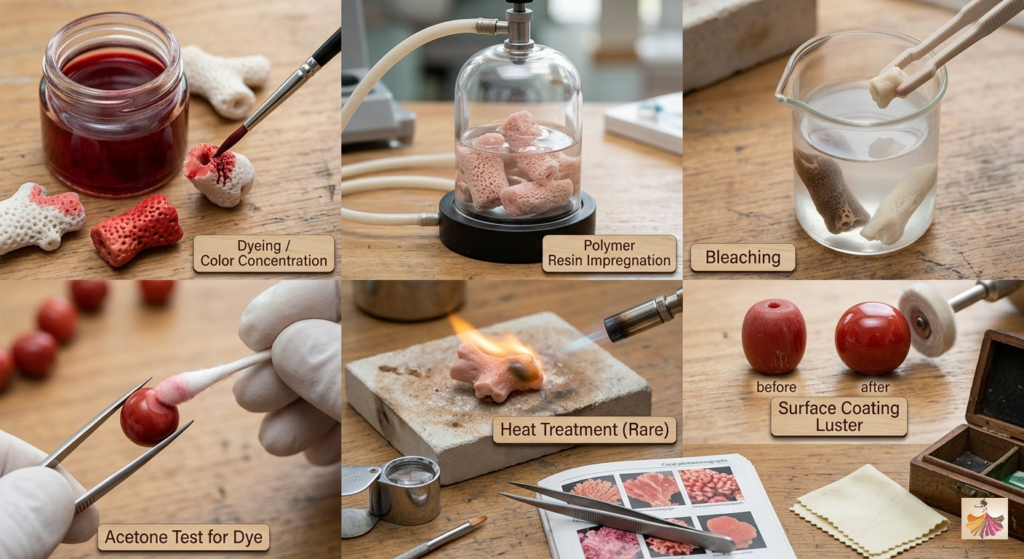
Natural coral commands higher prices consistently. Untreated coral remains highly collectible worldwide. Treatment disclosure remains ethically important today. Professional laboratories identify enhancements accurately. Buyers should request certification always. Imitations also appear widely within markets. Plastic imitations remain especially common today. Glass substitutes mimic coral appearance frequently. Compressed coral powders create artificial products. Authentic coral shows fibrous structures internally. Treatments may improve appearance temporarily only. Long-term durability sometimes decreases significantly. Collectors prefer untreated natural specimens strongly.
Refractive Index (RI)
Refractive index measures light bending scientifically. Gemologists abbreviate refractive index as RI. Coral stone possesses relatively low RI values. Most coral measures between 1.486 and 1.658. Red coral commonly measures around 1.56. Black coral sometimes measures differently slightly. RI helps identify genuine coral accurately. Synthetic substitutes show different readings frequently.
Gemologists use refractometers professionally worldwide. Polished surfaces enable accurate measurements best. Organic gemstones show variable RI values. Coral remains aggregate under polariscope testing. RI values depend upon composition differences. Calcareous coral differs from proteinaceous coral. Laboratories compare readings against standards carefully. Authenticity testing relies upon optical properties. Gemologists rarely depend upon single tests solely. RI combines with density evaluations frequently. Experienced professionals interpret results accurately. Coral’s RI remains lower than diamonds greatly. Lower RI reduces brilliance characteristics naturally. Still, coral maintains unique visual appeal.
Specific Gravity (SG)
Specific gravity measures gemstone density scientifically and compares material weight against water. Coral typically measures between 2.6 and 2.7. Black coral shows lower SG values. Some black coral measures near 1.34. Porous coral displays reduced densities naturally. Dense coral feels heavier within hands. SG testing helps identify imitations accurately. Plastic substitutes feel much lighter generally. Glass imitations may feel excessively heavy.
Gemologists conduct hydrostatic weighing professionally. Mounted coral complicates testing procedures sometimes. Natural variations occur between coral species. Mediterranean coral usually remains relatively dense. Fossil coral displays different SG values. Organic composition influences density strongly. Higher density improves carving durability somewhat. Collectors appreciate dense coral materials greatly. Professional laboratories document SG carefully. Combined testing increases identification accuracy significantly.
Hardness (Mohs scale)
Coral remains relatively soft naturally. Mohs hardness generally ranges between 3 and 4. Some specimens measure near 2.5 occasionally. This softness requires careful handling always. Diamonds possess hardness level 10 comparatively. Quartz measures hardness level 7 typically. Coral scratches relatively easily therefore. Metal jewelry may damage coral surfaces. Dust particles sometimes contain quartz minerals. Improper cleaning creates visible scratches quickly. Soft cloth cleaning remains recommended strongly. Ultrasonic cleaners should remain avoided completely. Hardness affects long-term durability significantly. Rings face greater wear risks daily. Earrings experience less physical contact generally. Necklaces protect coral more effectively often.
Collectors store coral separately carefully. Hard gemstones may scratch coral accidentally. Protective cases reduce damage risks greatly. Hardness testing helps gemstone identification professionally. However, destructive testing remains discouraged strongly.
Luster
Coral displays waxy to vitreous luster. Fine polishing enhances luster beautifully. High-quality coral appears smooth and glowing. Poor polishing reduces visual attractiveness greatly. Waxy luster creates warm appearances naturally. Vitreous luster resembles soft glass reflections. Organic gemstones rarely show metallic brilliance. Coral instead offers subtle elegance visually.
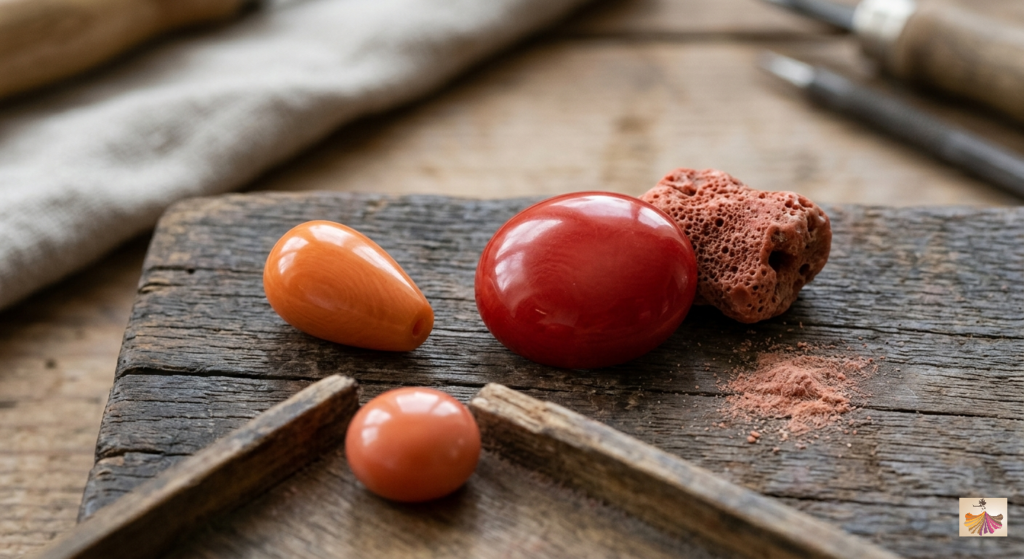
Surface cleanliness affects luster strongly. Oils may dull polished surfaces gradually. Dryness sometimes weakens natural shine slightly. Professional polishing restores luster effectively often. Scratches interrupt reflective surfaces immediately. Collectors value silky polished finishes highly. Dense coral usually polishes better naturally. Porous coral appears dull comparatively often. Artificial coatings may create unnatural shine. Natural luster remains softer aesthetically.
Fire / Dispersion
Coral possesses very low dispersion naturally. Dispersion creates rainbow color flashes visually. Diamonds display strong dispersion prominently. Coral lacks intense rainbow reflections mostly. Its organic structure limits optical fire. Gemologists describe coral dispersion as negligible. Some references describe dispersion absent completely. Coral beauty relies upon color instead. Texture and polish increase attractiveness significantly. Collectors appreciate coral’s natural warmth greatly. Fire remains unimportant within coral evaluation. Color saturation matters far more commercially. Smooth surfaces improve reflective appearances slightly. Organic gemstones rarely emphasize dispersion heavily.
Brilliance
Coral stone displays gentle brilliance naturally. Brilliance measures white light reflection scientifically. Low RI limits brilliance intensity somewhat. Coral never resembles sparkling diamonds visually. Instead, coral provides soft glowing beauty. Polished surfaces reflect light attractively still. Dense coral appears brighter comparatively often. Cabochon cuts enhance visual smoothness effectively. Fine polish increases brilliance modestly. Collectors admire coral’s calming appearance greatly. Organic warmth replaces strong sparkle aesthetically. Traditional jewelry values subtle elegance highly.
Pleochroism
Pleochroism describes changing colors directionally. Many gemstones display pleochroic effects naturally. Coral generally lacks pleochroism completely. Gemological reports describe pleochroism absent. This absence assists gemstone identification professionally. Organic structure prevents directional color variation. Dichroscope testing confirms results accurately. Consistent coloration appears throughout coral typically. Some treated specimens show unusual appearances occasionally. Natural coral maintains stable visual tones generally.
Fluorescence
Coral stone may fluoresce under ultraviolet light. Responses vary between different colors considerably. Red coral sometimes shows dull red fluorescence. White coral may fluoresce bluish white. Orange coral occasionally fluoresces pinkish orange. Some coral remains completely inert. Fluorescence helps gemologists identify materials professionally. UV lamps reveal hidden characteristics effectively. Treatments may influence fluorescence reactions sometimes. Laboratory reports document fluorescence carefully. Natural variability occurs frequently within coral. Collectors rarely prioritize fluorescence heavily. Still, fluorescence aids scientific examinations greatly.
Durability
Coral stone possesses fair durability overall. Softness limits heavy everyday wear significantly. Coral chips relatively easily unfortunately. Chemicals damage coral surfaces rapidly. Perfumes may weaken coral polish gradually. Acids dissolve calcium carbonate immediately. Heat may crack coral permanently. Direct sunlight sometimes fades coloration slowly. Proper storage remains extremely important. Soft cloth pouches provide protection effectively. Separate storage prevents scratching damage. Gentle cleaning preserves coral longevity greatly. Warm water cleaning remains safest usually. Harsh detergents should remain avoided completely. Rings require greater caution daily. Brooches experience lower impact risks generally. Museum artifacts prove coral longevity historically. Ancient coral jewelry still survives today. Proper care determines lifespan significantly.
Certification / Report
Certification verifies gemstone authenticity professionally. Trusted laboratories issue coral reports internationally. Reports identify natural or treated coral. Gemological laboratories inspect optical properties carefully. Microscopic analysis detects treatments accurately. Certification increases buyer confidence substantially. Luxury coral should include documentation always. Reports describe color and dimensions clearly. Weight measurements appear within certificates too. Laboratories may mention origin estimates occasionally. Authenticity becomes crucial within premium markets. Imitations circulate widely internationally today. Plastic substitutes deceive inexperienced buyers frequently. Professional reports reduce fraud risks significantly. Important laboratories include GIA and IGI. Independent gemologists also issue evaluations professionally. Collectors value certified coral greatly. Auction houses require documentation frequently.
Shape
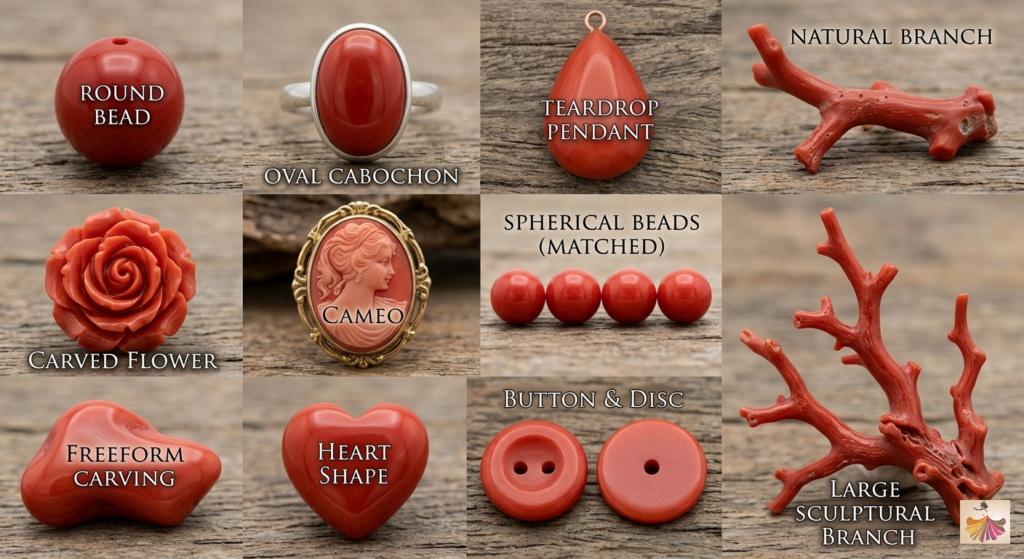
Coral stone appears within many jewelry shapes. Round beads remain especially traditional worldwide. Oval cabochons appear frequently within rings. Teardrop shapes suit pendants beautifully. Natural branch shapes remain artistically valuable. Carvers create flowers and figurines intricately. Cameos remain historically important coral artworks. Spherical beads require careful matching procedures. Uniformity increases necklace values greatly. Freeform carvings emphasize organic beauty naturally. Heart-shaped coral appears within luxury jewelry. Buttons and discs remain commercially common. Large branches enable sculptural masterpieces artistically. Traditional Mediterranean styles remain influential globally.
Price / Value
Coral value depends upon many factors. Color strongly influences market prices primarily. Deep red coral commands highest prices. Japanese red coral remains extremely expensive. Large untreated specimens become investment-grade materials. Uniform color increases values dramatically. Surface smoothness affects pricing significantly. Cracks reduce commercial worth immediately. Rare sizes command collector premiums frequently. Natural untreated coral remains increasingly scarce.
Environmental regulations reduced supply considerably. High-quality Mediterranean coral costs substantially today. Pink angel skin coral remains valuable. Black coral prices vary widely greatly. Dyed coral sells for lower prices. Plastic imitations cost very little comparatively. Certified coral achieves stronger auction results. Historical coral jewelry may become priceless. Antique coral carvings attract museums internationally. Market demand remains strong within Asia. Luxury brands continue using coral selectively.
Major Industry to Use
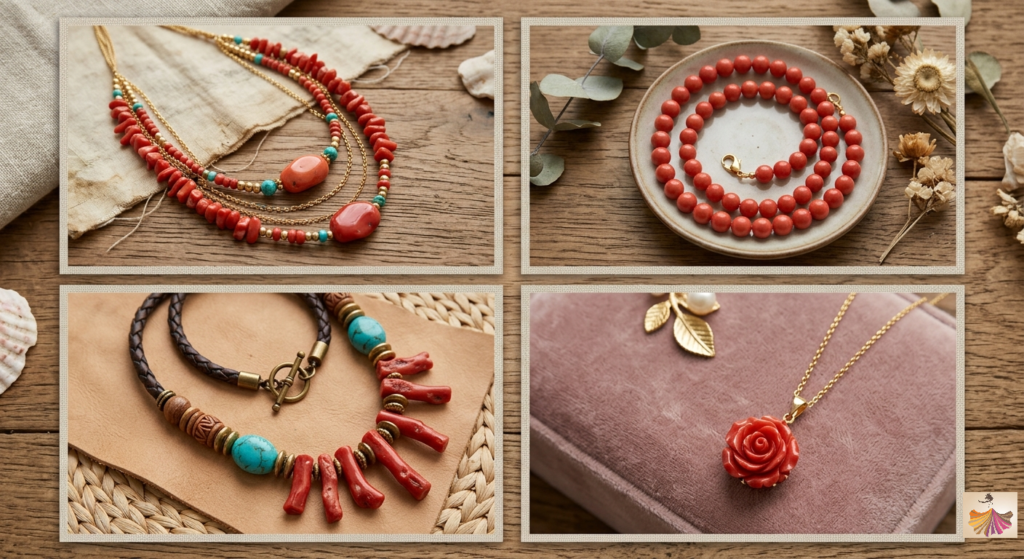
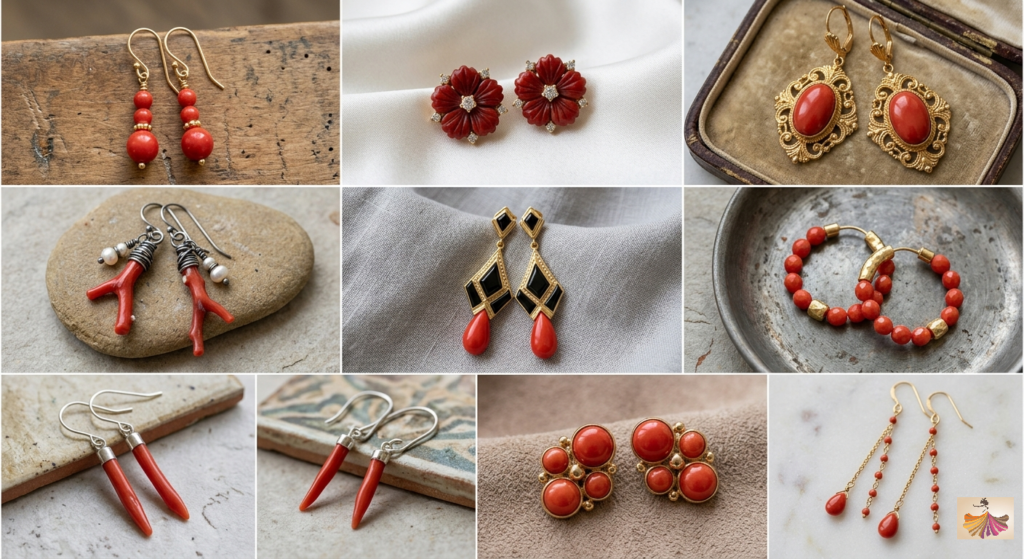
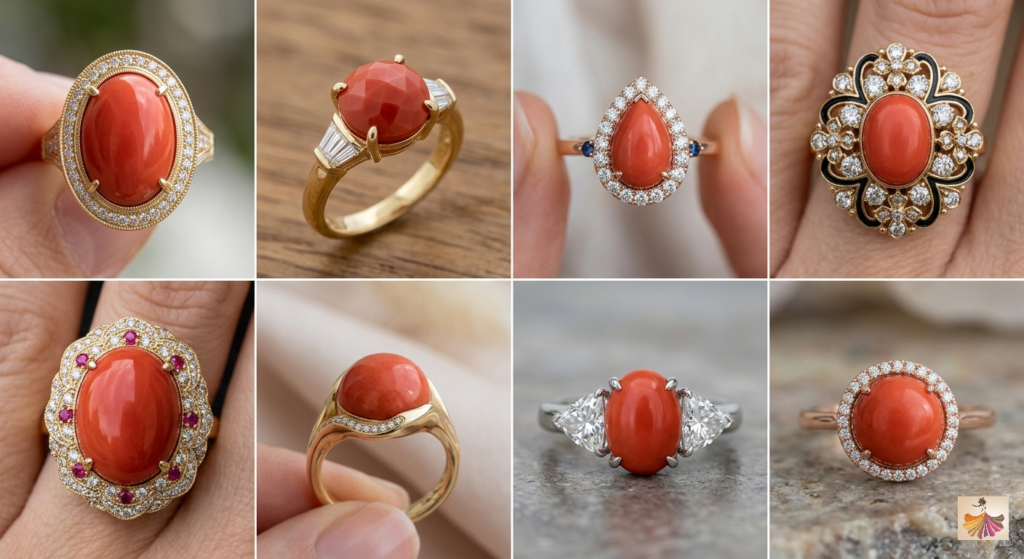
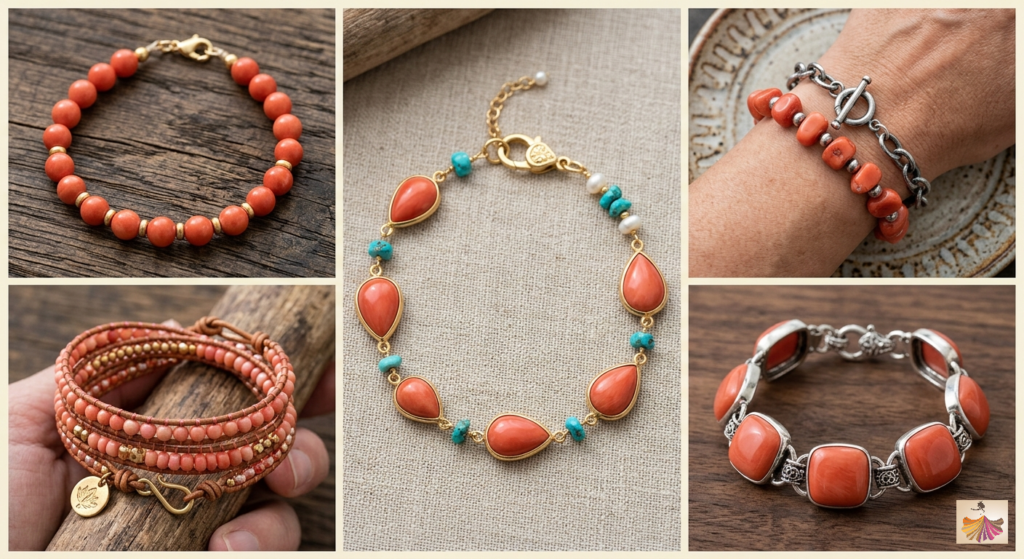
Jewelry remains coral’s primary industry globally. Necklaces commonly feature coral beads beautifully. Bracelets use polished coral frequently. Luxury rings incorporate coral cabochons elegantly. Earrings display coral attractively within fashion. Religious artifacts historically used coral extensively. Traditional medicine industries valued coral culturally. Decorative carving industries still utilize coral. Collectors purchase museum-quality specimens actively. Fashion industries appreciate coral’s warm tones. Luxury brands create premium coral collections. Asian markets maintain especially strong demand. Italian jewelry traditions feature coral prominently. Tourism industries sell coral souvenirs frequently. Artisans carve coral into sculptures intricately. Antique markets trade historical coral jewelry. Gemological education uses coral for studies. Museums preserve important coral artifacts globally.


Conclusion
Coral stone remains a remarkable organic gemstone. Its oceanic origin creates unique beauty. Warm colors attract collectors internationally today. Scientific properties distinguish coral clearly. Its softness requires careful handling always. Untreated coral remains highly valuable worldwide. Mediterranean and Japanese coral dominate luxury markets. Gemological testing protects buyers effectively. Certification ensures authenticity and transparency. Coral combines cultural history with natural elegance. Few gemstones possess similar organic origins. Ancient traditions still influence modern appreciation. Collectors continue valuing premium coral strongly. Responsible sourcing remains increasingly important globally. Conservation efforts protect marine ecosystems today. Future generations may treasure coral similarly. Its beauty remains timeless and distinctive.