Google Fitbit Edge Review: Everything You Need to Know
Discover the latest Google Fitbit Edge fitness tracker, including its OLED display, GPS, health tracking, AI coaching, seven-day battery life, price, and competitors.
Introduction
What Is the Google Fitbit Edge?
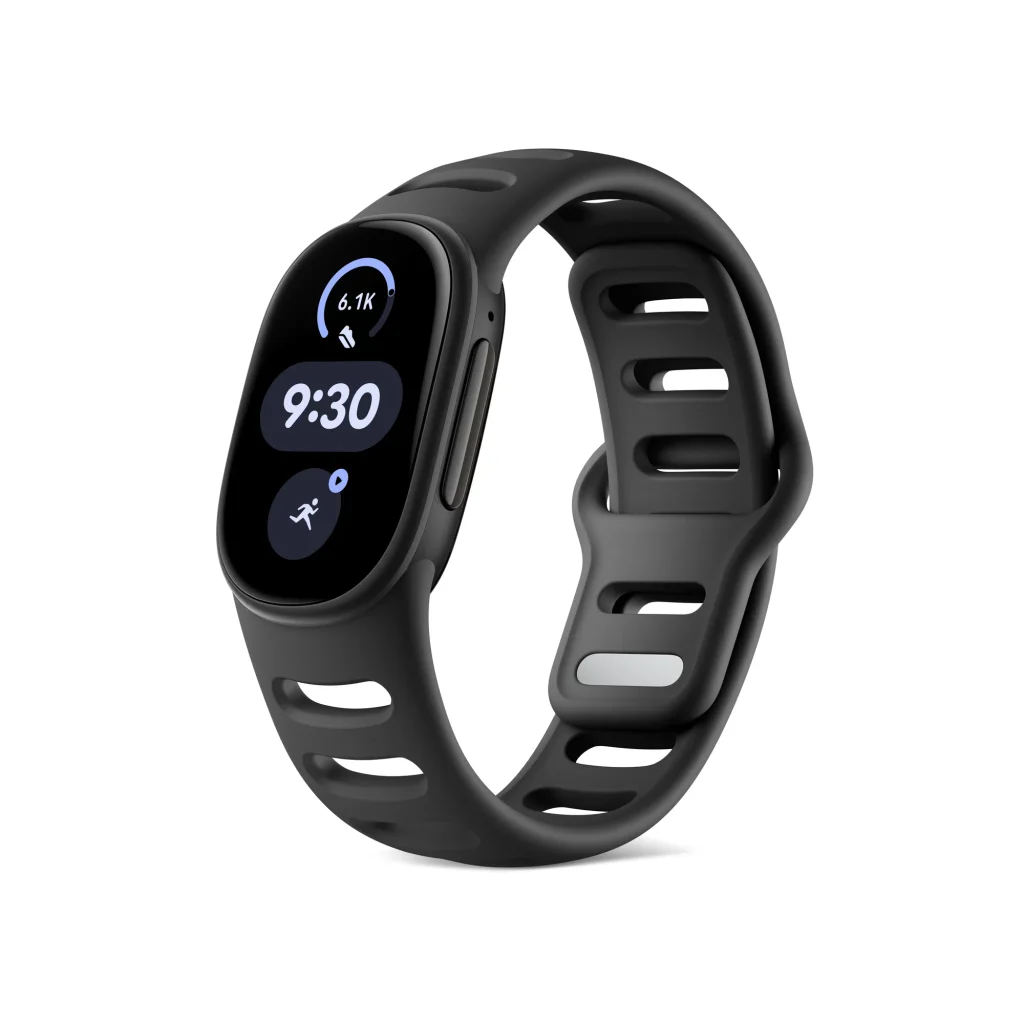
The smartwatch is a fitness tracker designed for people who want detailed health information without wearing a bulky smartwatch. It combines a slim metal body with a colour display, fitness tracking, sleep analysis, and smartphone connectivity. Google positions it between the screen less Fitbit Air and its more advanced Pixel Watch lineup. The device is intended for everyday wear, structured exercise, and overnight health monitoring.
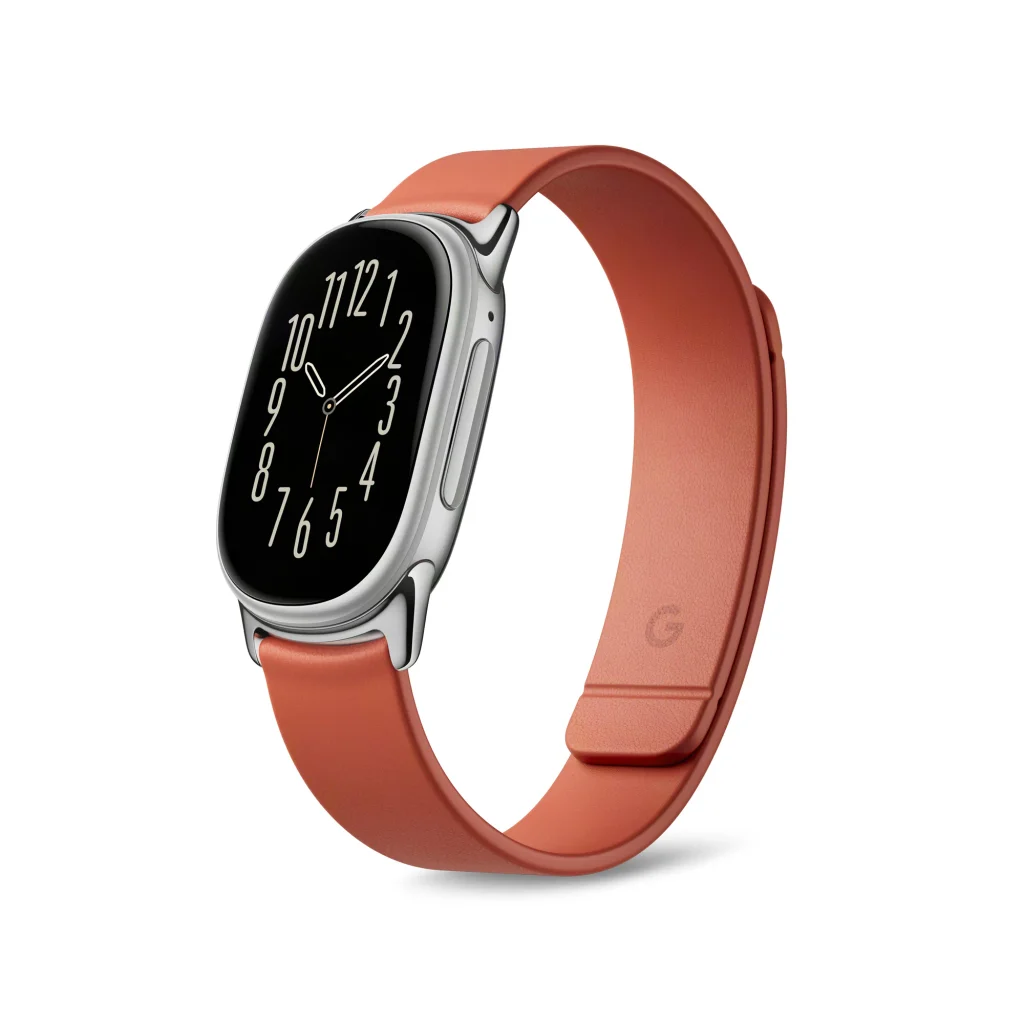
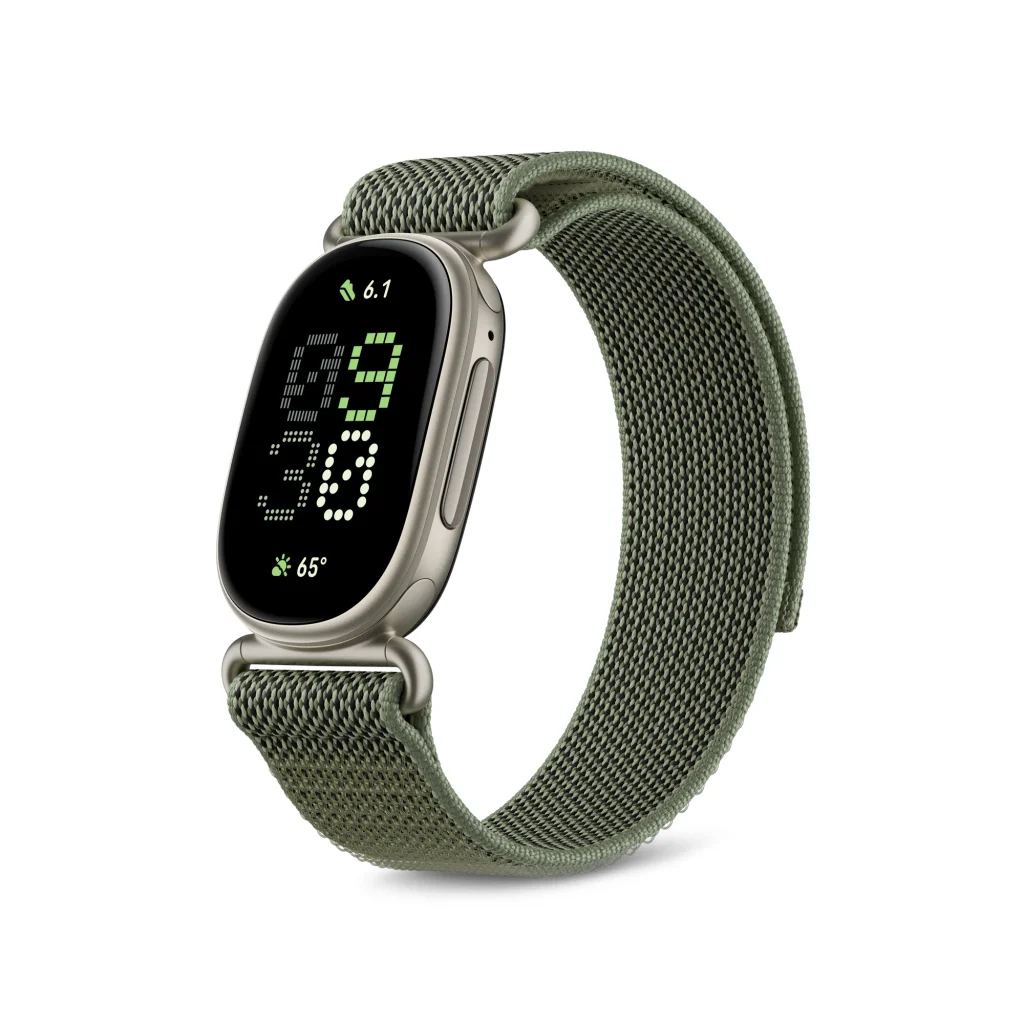
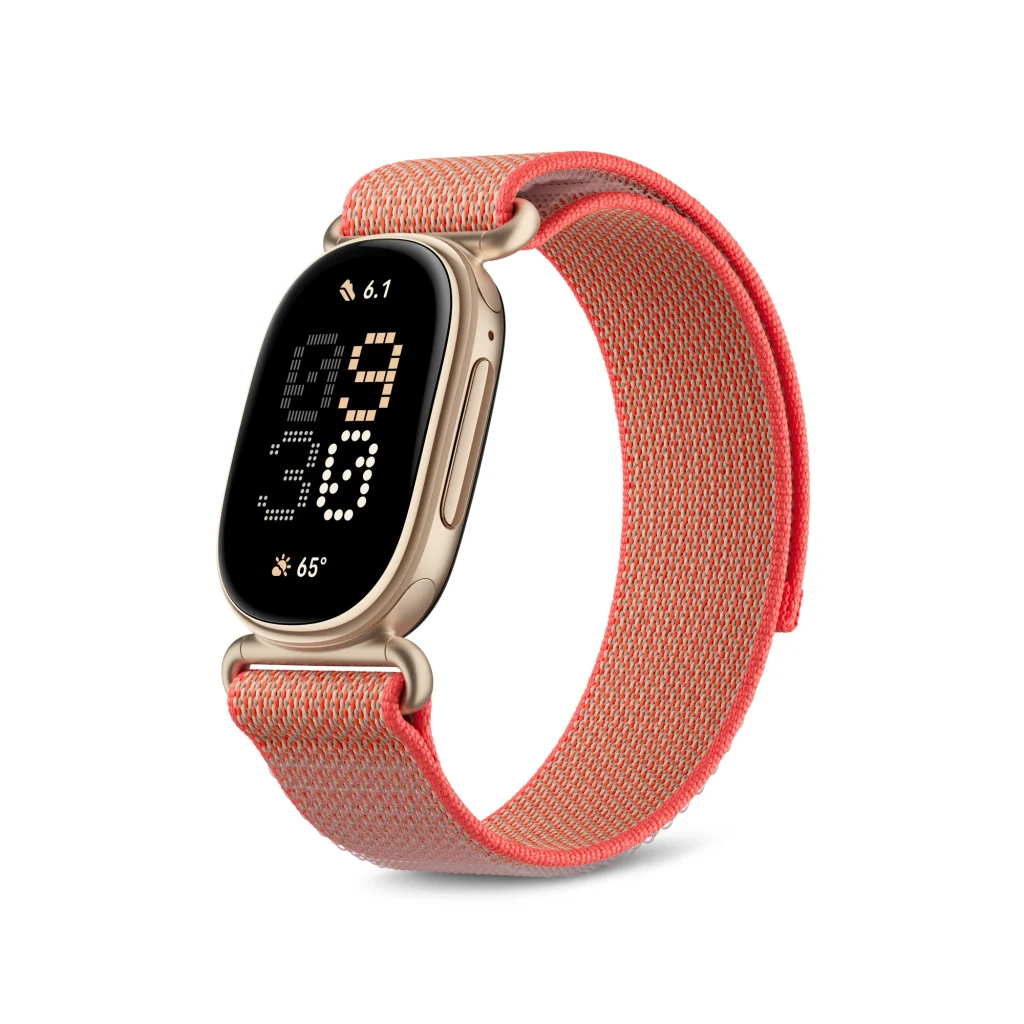
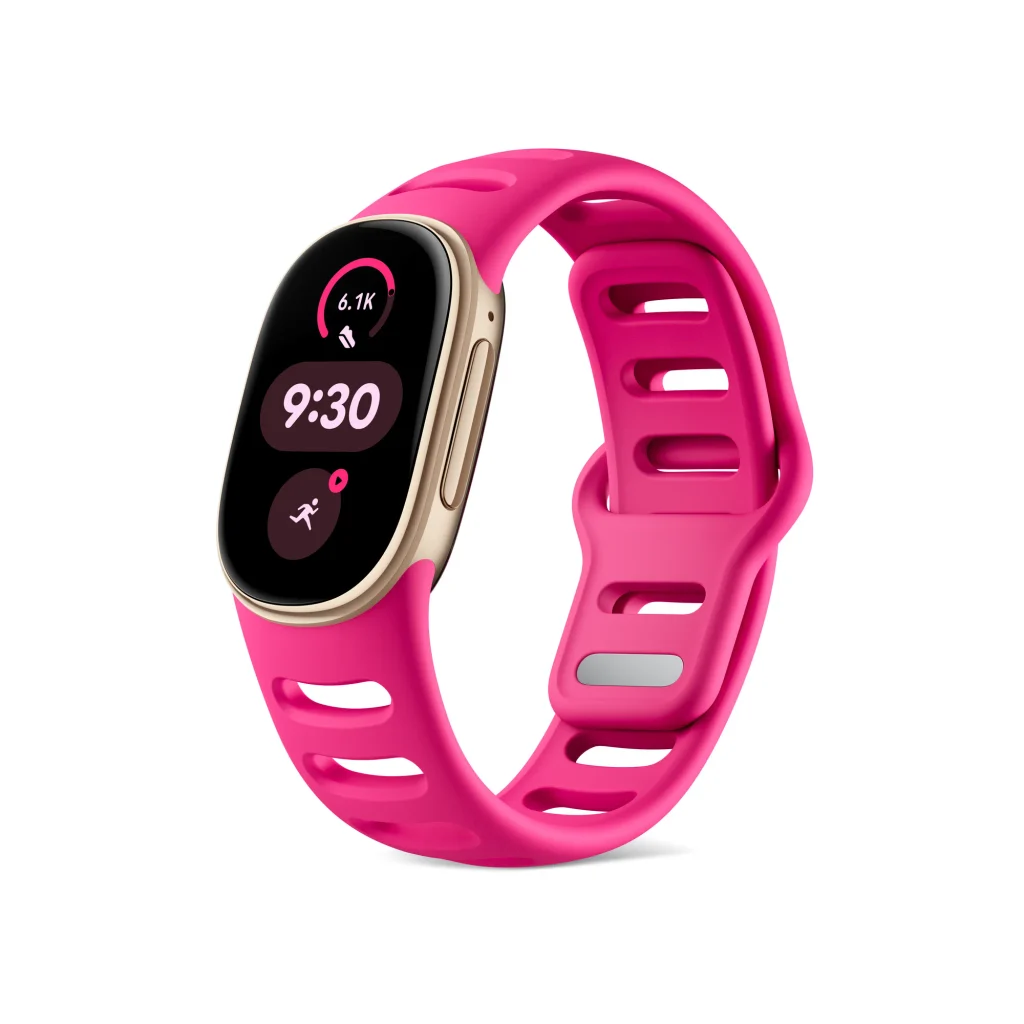
Why Is this Smartwatch Creating Excitement?
The tracker stands out because of its Hybrid OLED display, integrated GPS, and promised battery life of up to seven days. It supports more than 50 exercise modes and automatically recognizes numerous everyday workouts. Google also promotes personalized coaching through its Google Health platform. These features make it appealing to users who want practical guidance alongside their activity statistics. Its replaceable battery is another important advantage for people concerned about long-term device ownership.
Who Should Consider Buying This Fitness Tracker?
This wearable deserves attention from walkers, runners, gym enthusiasts, and people building healthier daily routines. It may also suit users who want sleep and recovery insights without charging their device every night. However, buyers should understand that some coaching and health features require a paid subscription. Regional availability also matters. Anyone seeking a full smartwatch replacement should compare its capabilities with a Pixel Watch or Apple Watch before purchasing.
Google Fitbit Edge at a Glance
Google Fitbit Edge Design and Build Quality
Premium Design
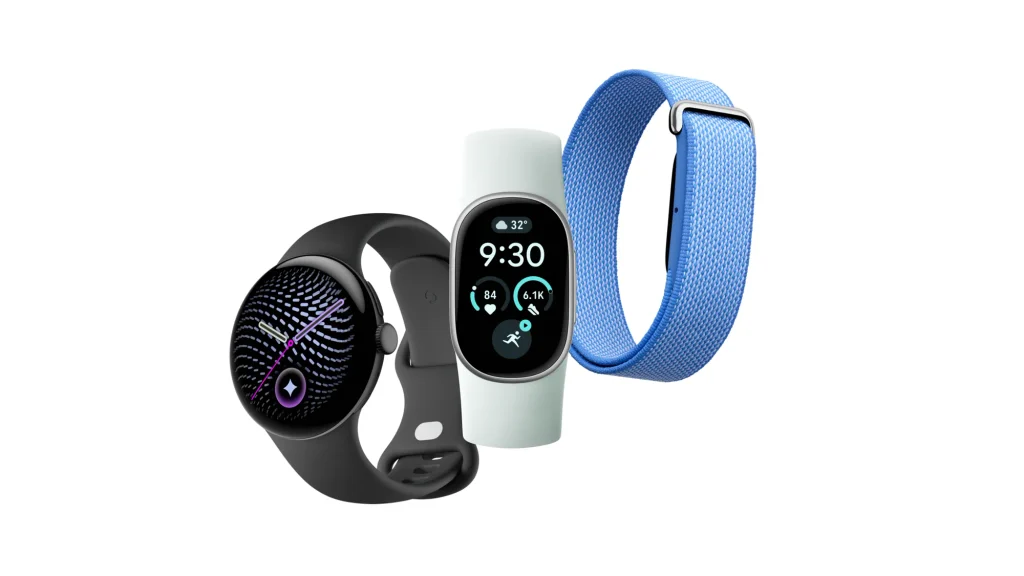
The Google Fitbit Edge uses a curved, understated design that looks appropriate at the gym and in everyday settings. Its reported thickness is 11.5 mm. That slim profile should help it sit comfortably beneath sleeves and reduce the bulky feeling associated with some smartwatches.
Recycled Aluminium Body
Google highlights a metal housing made with recycled aluminum. The manufacturer emphasizes durability alongside a lighter construction. Recycled material is a welcome sustainability feature, although it does not automatically guarantee scratch-proof surfaces or resistance to accidental impacts.
Comfort for All-Day and Overnight Wear
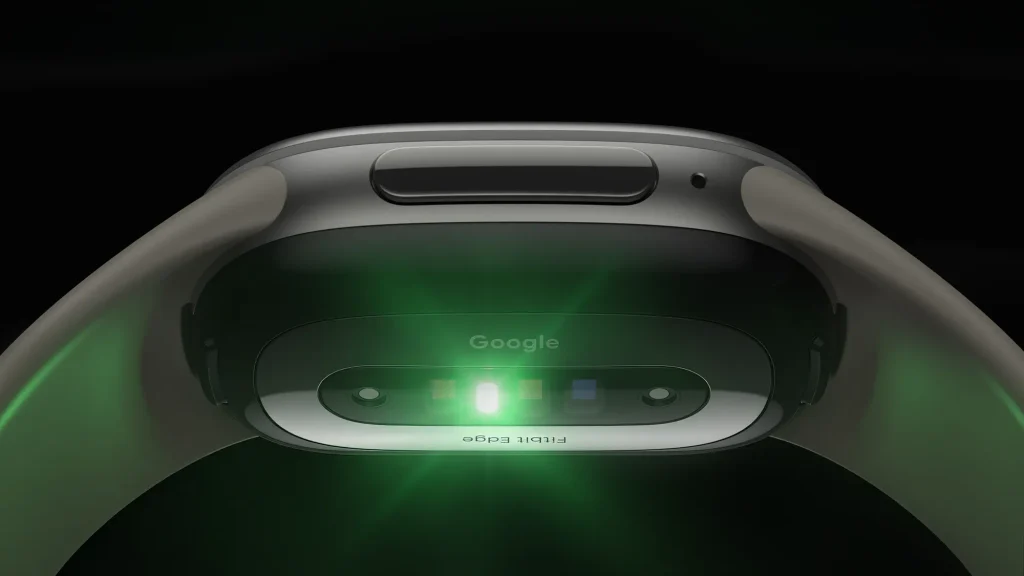
The curved chassis and sensor housing are designed to follow the wrist naturally. This matters because a fitness tracker needs consistent skin contact for heart-rate measurements and sleep monitoring. Actual comfort will still depend on wrist shape, strap tension, and individual sensitivity. Users should avoid tightening the band excessively.
Display Size, Brightness, and Visibility in Sunlight
Google describes this as its largest and brightest Fitbit tracker screen yet. It offers 46% more viewing area than previous trackers, according to the company. The display is designed to remain readable outdoors, which is useful during running, cycling, and walking.
Physical Side Button and Ease of Use
A tactile side button provides a physical control for actions such as pausing a workout. This is a practical choice when fingers are sweaty or touchscreen controls are inconvenient.
Google Fitbit Edge Available Colors
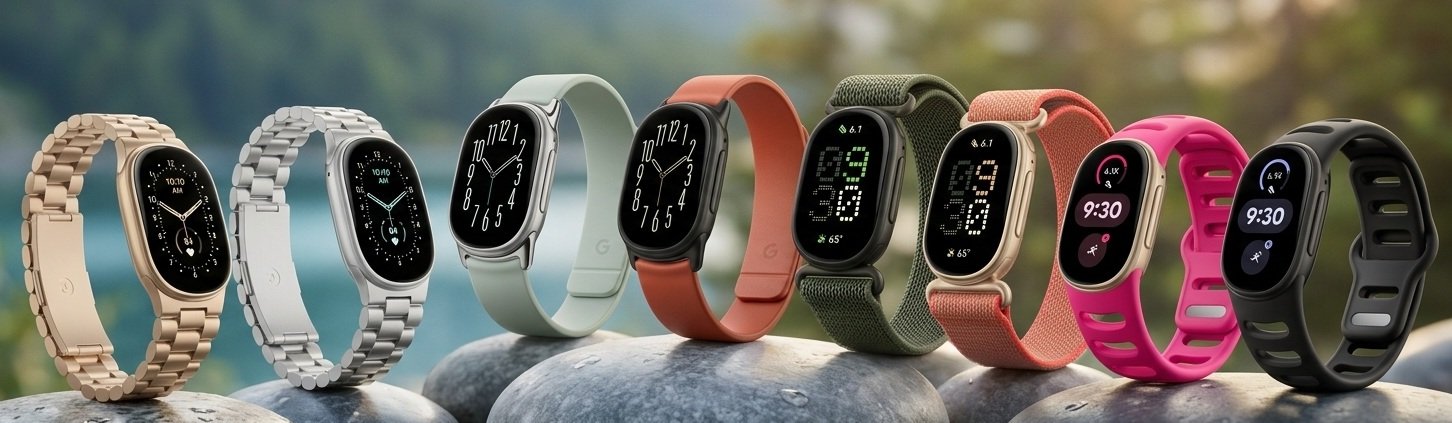
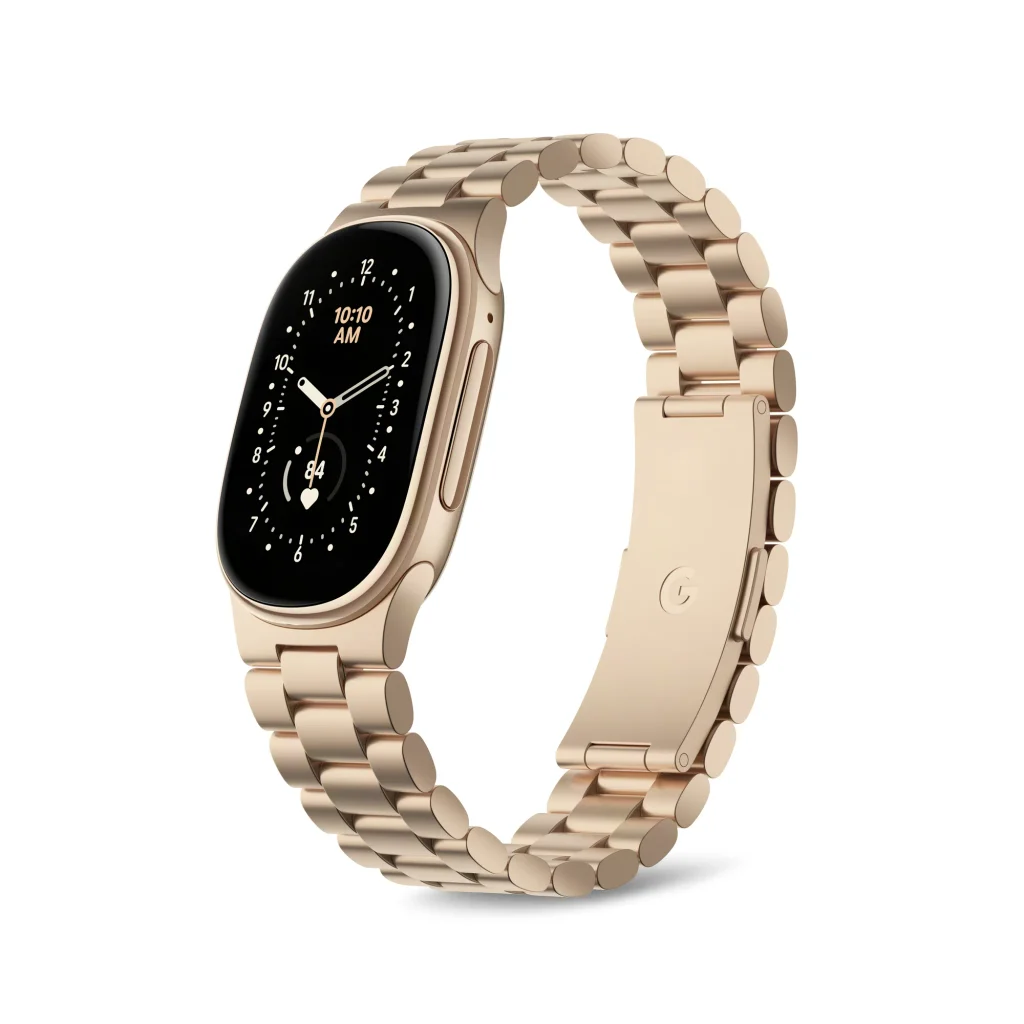
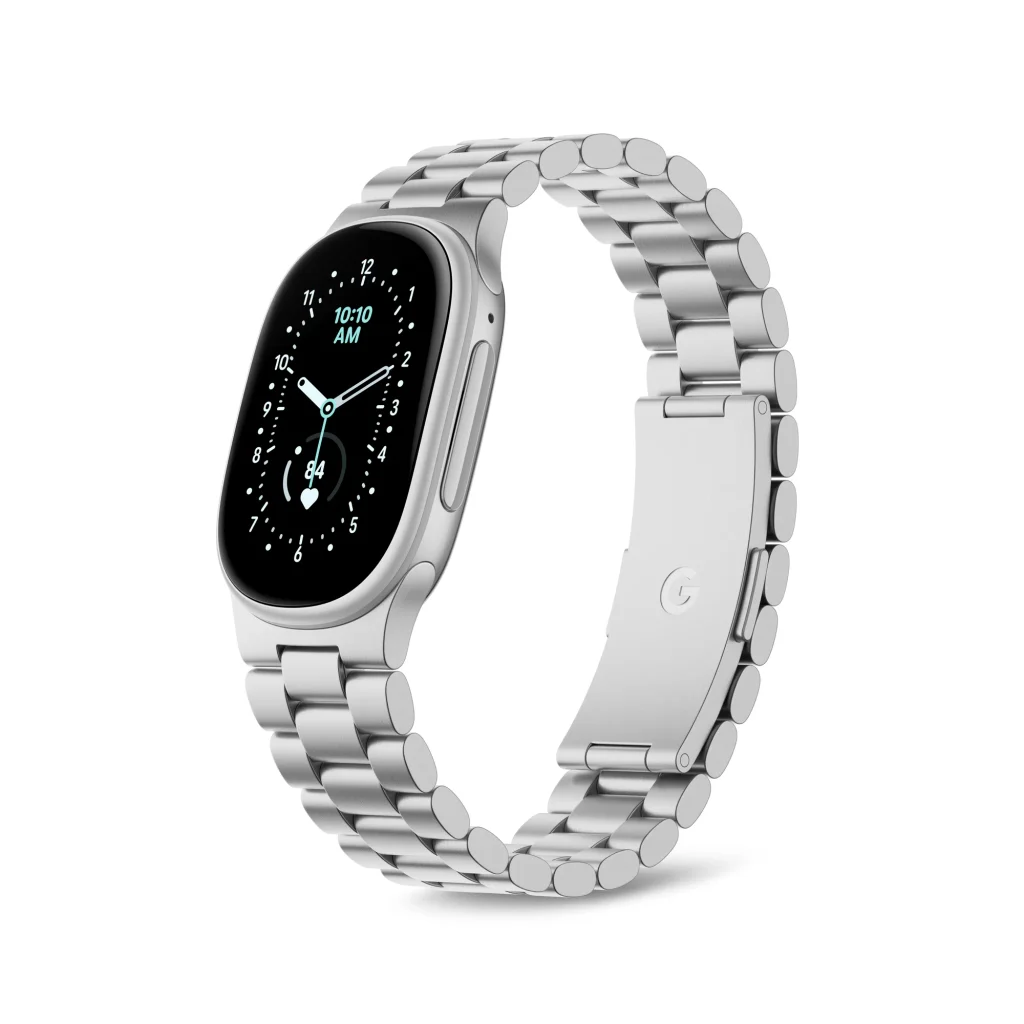
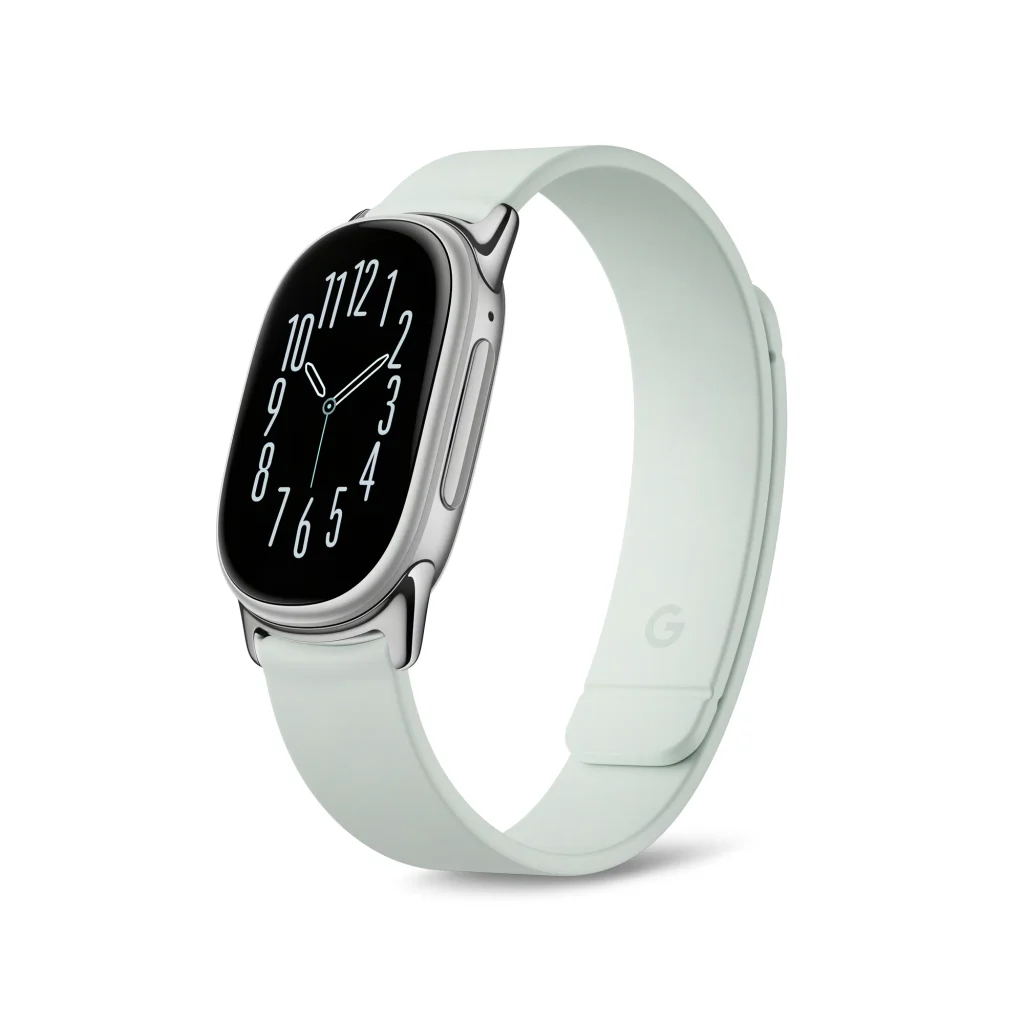
The four announced finishes are Obsidian, Fog, Olive, and Canyon. Interchangeable bands include sport, loop, magnetic, and metal-link options. Most additional bands are sold separately.
Water and Dust Resistance
The device is rated for 5 ATM water protection and IP68 protection under specified testing conditions. These ratings do not make it completely waterproof or dustproof.
Google Fitbit Edge Display and User Interface
Google Fitbit Edge Hybrid OLED Display
The Hybrid OLED panel is one of the main reasons to consider the Google Fitbit Edge. Google combines a compact tracker format with a bright screen for viewing activity data. The company promotes a larger viewing area than previous Fitbit trackers, allowing more information to fit into a glance.
Screen Readability
Outdoor visibility is important when checking pace, distance, or heart rate while moving. Google says the screen is designed to remain readable in direct sunlight. This could make it more convenient for outdoor exercise than a screen-less band. Independent brightness measurements would be needed to establish how it performs against competing displays in identical conditions.
Customizable Watch Faces
Customizable watch faces allow users to choose a style that matches their routine. Glanceable tiles bring information such as steps, weather, sleep, heart rate, and workouts closer to the main screen. The aim is to reduce unnecessary navigation.
Touchscreen Responsiveness and Navigation
The redesigned interface uses touch navigation alongside the physical side button. Google says its interface builds on ideas introduced with the Pixel Watch 5. However, response times and gesture accuracy should be evaluated through hands-on testing rather than assumed from marketing claims.
Everyday Notifications
The tracker supports call and message notifications, Google Maps features, and media controls. These options add convenience without turning the wearable into a full smartwatch.
Interface Comparison
A dedicated fitness tracker typically emphasizes essential information over extensive apps. This model follows that approach. It is potentially better for people who want fewer distractions, but less suitable for users who rely on advanced third-party apps or comprehensive smartwatch functions.
Google Fitbit Edge Fitness Tracking Features
Support for More Than 50 Exercise Modes
The Google Fitbit Edge supports more than 50 exercise modes, according to Google’s announcement. These include activities such as running, walking, Pilates, and interval training. Multiple workout profiles help user’s record sessions according to the activity being performed.
Google Fitbit Edge GPS and Route Tracking Accuracy
Integrated GPS records outdoor routes without requiring a phone to supply the location signal. Google claims up to 40% better tracking accuracy than previous generations. This is a manufacturer comparison, not a guarantee of that improvement for every route or environment. Buildings, trees, weather, and satellite reception can still affect results.
Automatic Workout Detection
Automatic recognition can identify and categorize up to 100 workouts, including walks, runs, and rides. This is helpful when someone forgets to start a session manually. Users should still review the recorded activity because automatic classification may not always identify the exercise correctly.
Real-Time Workout Metrics
The device presents workout statistics directly on the wrist. Depending on the activity, these may include pace, splits, and heart-rate zones. Compatible coaching features can provide guidance during training.
Heart Rate Zones
Heart-rate zones help users understand exercise intensity. They can be useful for balancing easier sessions with more demanding workouts. Optical sensors may be less reliable during some movements, so serious athletes may wish to compare readings with a compatible chest strap.
Running, Walking, Cycling, and HIIT Tracking
The tracker is designed for everyday cardio and structured workouts. Runners can review pace and route data. Walkers can monitor distance and activity goals. Cyclists can record outdoor routes, while HIIT users can follow heart-rate information during intervals.
Elevation Tracking
An integrated altimeter measures elevation changes during hill sessions and stair workouts. This adds context to distance and pace, especially when comparing flat routes with climbs.
Fitness Goals with Google Fitbit Edge
Daily goals and post-workout summaries make progress easier to review. The overall package appears suitable for recreational training, although competitive athletes should compare its detailed training analytics with specialist sports watches.
Google Fitbit Edge Health Monitoring Capabilities
Continuous Heart Rate Monitoring
The Google Fitbit Edge tracks heart rate throughout the day and during sleep. These readings can help users observe resting trends and exercise intensity. Sensor accuracy depends on fit, movement, skin contact, and individual physiology.
ECG App and Heart Rhythm Assessments
Google lists an on-wrist ECG app for heart-rhythm assessments. ECG availability varies by country, and results are not a substitute for professional diagnosis. Anyone experiencing chest pain, fainting, or severe shortness of breath should seek appropriate medical care.
Sleep Tracking
Sleep tracking records overnight patterns and estimates sleep stages. The results may help users identify changes in bedtime consistency and rest duration. Sleep-stage estimates are not equivalent to a clinical sleep study.
Heart Rate Variability
Heart rate variability, or HRV, provides another measure for understanding changes in recovery patterns. It is most useful when observed over time alongside sleep, exercise, and subjective wellbeing.
Skin Temperature Tracking
A dedicated sensor measures changes in skin temperature overnight. These variations may provide context about personal patterns, but they cannot independently diagnose illness.
Blood Pressure and Insulin Resistance Trends
Google advertises trend-related health insights involving blood pressure and insulin resistance. These are wellness indicators, not clinical measurements or diagnostic tests. They should not be used to change medication or replace blood tests and professional assessments.
High and Low Heart Rate Alerts
Alerts can notify users when heart rate moves above or below their personal baseline. Availability depends on the country and device configuration.
How Useful Are Its Health Insights in Everyday Life?
The strongest benefit is the ability to view activity, sleep, heart rate, and recovery information together. These measurements can encourage healthier habits when interpreted sensibly. However, the tracker should complement medical care, not replace it.
Google Fitbit Edge Health Coach and AI-Powered Wellness Features
What Is Google Health Coach in Google Fitbit Edge?
Google Health Coach is a personalized wellness service designed to interpret wearable data and provide practical guidance. On the Google Fitbit Edge, the experience is tied to Google’s broader health platform and Gemini-powered coaching.
Personalized Fitness Plans and Recommendations
The coach can create suggested workouts based on personal goals and routines. A user preparing for a running event may receive different recommendations from someone focused on regular movement or general fitness.
How AI Helps Interpret Health and Activity Data
Instead of showing isolated numbers, the service aims to explain patterns across sleep, activity, and recovery. This can help users understand why a workout recommendation changes or why consistency matters. AI-generated advice can still be incomplete or incorrect, so important recommendations should be checked.
Adaptive Coaching Based on Your Progress
Google describes coaching that responds to readiness, routines, and longer-term goals. The practical value will depend on how relevant its recommendations are to a person’s schedule and fitness level.
Recovery Insights and Daily Wellness Guidance
Recovery information can help users decide whether to maintain, increase, or reduce exercise intensity. Sleep trends and HRV provide useful context, but no single metric should determine a training decision.
Google Health Premium: Features and Subscription Requirements
Personalized coaching requires Google Health Premium, a Google Health app, and an internet connection. Google advertised three months of Premium with the tracker at launch. Subscription prices and future promotional terms should be checked before purchase.
Is AI-Powered Coaching Actually Useful?
AI coaching may be valuable for beginners who need structure and reminders. Experienced athletes may prefer specialist training plans and more detailed performance analysis. The feature is promising, but its usefulness depends on recommendation quality, data accuracy, and subscription cost.
Google Fitbit Edge Battery Life and Charging
Battery Life of Google Fitbit Edge
Google advertises up to seven days of battery life for the Google Fitbit Edge. This is a strong target for a wearable that tracks both exercise and sleep. It reduces the need to remove the tracker every evening for charging.
Real-World Battery Performance
The advertised figure should be treated as a maximum rather than a guaranteed result. Google based its claim on pre-production testing and a particular usage profile. Actual results will vary with settings, environmental conditions, and feature usage. Independent long-term testing would provide a more reliable picture of everyday endurance.
How GPS and Health Monitoring Affect Battery Life
GPS workouts, frequent screen use, continuous sensing, and notifications can increase power consumption. People who record long outdoor activities may need to charge more often than users who mainly count steps and monitor sleep. Keeping battery-saving settings enabled can also affect the experience.
Google Fitbit Edge: Fast Magnetic Charging
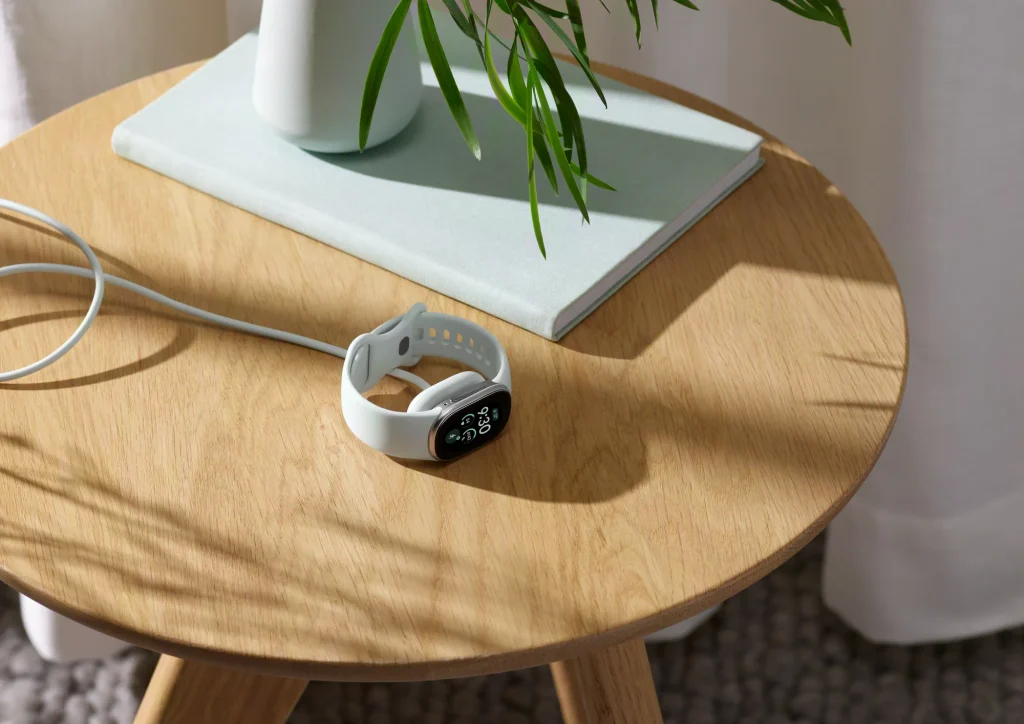
Google advertises a quick top-up that can provide approximately one day of battery life in five minutes under specified testing conditions. The product page also describes a full charge taking around 90 minutes. Actual charging speeds depend on the charger, temperature, battery condition, and other factors.
Charging Convenience for Active Users
A weekly charging routine may suit people who exercise regularly and want uninterrupted sleep tracking. A short charging session while showering or preparing for work could help maintain the battery without a long interruption.
Battery Longevity and Replaceable Battery Design
The replaceable battery is an important design feature. It may extend the useful life of the tracker when the original battery loses capacity. However, replacement availability, service costs, and regional repair options should be confirmed before buying.
Google Fitbit Edge Smart Features and Connectivity
Android and iPhone Compatibility
The Google Fitbit Edge works with most smartphones running Android 11 or later and Apple iOS 16.4 or later. This cross-platform support makes it an option for users who do not own a Google phone. Compatibility does not mean every feature behaves identically across operating systems.
Google Account and Google Health App Requirements
Setup requires a Google Account, the Google Health app, and an internet connection. Buyers should check app availability and account requirements in their region before ordering. Some advanced features need a separate Premium subscription.
Google Maps and Navigation Features
Google Maps integration adds convenience when following directions or checking navigation information. The available functions should not be confused with the full mapping experience offered by a larger smartwatch or smartphone.
Call and Message Notifications
Notifications help users stay informed without constantly reaching for a phone. They are useful during walks, workouts, and busy workdays. Notification capabilities depend on connected-phone settings and supported software features.
Music and Media Controls
Media controls allow users to manage playback from the wrist. They are a convenient companion to running or gym sessions, but they do not establish that the tracker offers full standalone music streaming or local storage.
Data Synchronization and Smartphone Connectivity
The companion app brings together wearable data and supported connected information. Reliable synchronization depends on connectivity, app permissions, and software compatibility.
Everyday Convenience beyond Fitness Tracking
The tracker offers a middle ground between a simple activity band and a full smartwatch. It provides a screen, notifications, maps-related features, and health information while retaining a relatively slim design. Users who depend on extensive apps, calls from the wrist, or advanced mobile payments should confirm those requirements separately.
Google Fitbit Edge Durability and Reparability
Google Fitbit Edge Water Resistance
Google specifies 5 ATM water protection and IP68 protection under stated testing standards. These ratings make the device suitable for many everyday wet conditions, but they do not mean it is invulnerable to water damage. Follow the manufacturer’s instructions for swimming, cleaning, and exposure to hot water.
Durability of the Aluminum Housing
The recycled aluminum body gives the tracker a premium appearance and a sturdy external structure. However, metal construction alone does not establish how well the device withstands hard impacts. A protective case or careful handling may be worthwhile for users doing demanding outdoor activities.
Scratch Resistance and Long-Term Wear
The display and housing will experience normal wear over time. Google has not provided enough information to describe the screen as scratch-proof. Avoiding abrasive surfaces and cleaning the device with suitable materials should help preserve its appearance.
Replaceable Battery and Modular Internal Design
The Google Fitbit Edge is presented as Google’s first repairable fitness tracker, with a modular internal architecture and replaceable battery. This is a meaningful difference from wearables that must be discarded when their batteries become unusable.
Reparability and Expected Product Lifespan
A replaceable battery can improve long-term value, but it does not guarantee that every component is repairable. Spare-part availability, labor charges, software support, and repair access all influence the actual lifespan. Buyers should review the official repair information for their market before assuming a low replacement cost.
Google Fitbit Edge Price
Official Google Fitbit Edge Price
Google lists the standard model at $179.99 in the United States. The Stephen Curry Special Edition is advertised at $219.99. These prices establish the tracker as a mid-range wearable rather than a budget activity band. Taxes, shipping, discounts, and local retail pricing may change the final cost.
Google Health Premium Trial
Google offered three months of Google Health Premium with the tracker at launch. Personalized AI coaching and certain health insights require the subscription. Buyers should verify the current subscription price, trial eligibility, renewal terms, and cancellation process before activating the offer. The initial purchase price does not necessarily cover every software feature indefinitely.
Replacement Bands
Interchangeable bands let owners change the look of the tracker for workouts or formal occasions. Google lists sport, performance loop, magnetic, and metal-link styles. Accessories are sold separately, so the total ownership cost can increase if several bands are purchased.
Google Fitbit Edge Pros and Cons
| Pros (Advantages) | Cons (Disadvantages) |
| Slim, stylish design with a curved aluminum body. | Some advanced features require a Google Health Premium subscription. |
| Hybrid OLED display for clear, glanceable information. | AI coaching may involve additional costs after the trial period. |
| Built-in GPS for outdoor route tracking. | Some health features may not be available in every country. |
| More than 50 exercise modes for different activities. | Seven-day battery life is an advertised maximum, not a guarantee. |
| Automatic workout recognition for supported activities. | Fewer smartwatch apps and advanced features than full smartwatches. |
| Heart-rate, sleep, HRV, and skin-temperature tracking. | GPS accuracy and display performance need independent testing. |
| Integrated altimeter for elevation tracking. | Additional bands and accessories may increase the overall cost. |
| Up to seven days of advertised battery life. | Actual battery life varies with GPS, settings, and usage. |
| Replaceable battery for potentially longer product life. | Repair costs and replacement-part availability may vary by region. |
| Compatible with supported Android phones and iPhones. | Requires a Google Account, the Google Health app, and internet access for setup. |
Google Fitbit Edge vs Other Fitness Trackers
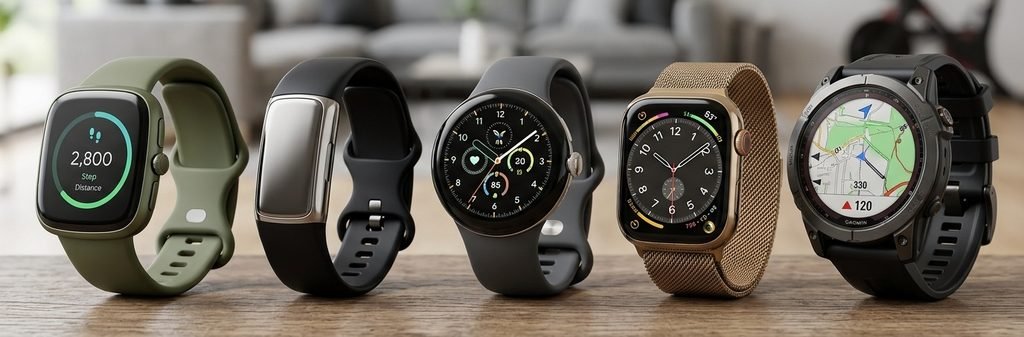
Google Fitbit Edge vs Fitbit Air
Fitbit Air is the better concept for people who prefer a screen-less, less distracting band. The Edge is more suitable for users who want to see statistics and workout information directly on the wrist. Its display, integrated GPS, and altimeter make it a more capable visible training companion. The right choice depends on whether simplicity or at-a-glance information matters more.
Google Fitbit Edge vs Google Pixel Watch
A Pixel Watch offers a fuller smartwatch experience with a larger app ecosystem and more extensive interactive features. The Edge focuses on compactness, fitness data, and longer advertised battery life. Choose the Pixel Watch if you want a smartwatch first. Choose the Edge if you prioritize tracking and a slimmer design.
Google Fitbit Edge vs Apple Watch
Apple Watch models are particularly attractive to iPhone users who want close integration with Apple’s software and services. The Edge offers compatibility with supported iPhones as well as Android phones. For Apple users, the decision comes down to ecosystem preference, battery expectations, subscription requirements, and the smartwatch features they need.
Google Fitbit Edge vs Garmin Fitness Trackers
Garmin offers devices aimed at runners, cyclists, hikers, and endurance athletes. Depending on the model, Garmin may provide more specialized training metrics, navigation, and extended battery performance. The Edge instead emphasizes everyday health insights and Google’s coaching ecosystem. Serious athletes should compare individual Garmin models against their training requirements.
Which Fitness Tracker Offers Better Value for Money?
At $179.99, the Edge looks competitive if you will use its display, GPS, health monitoring, and coaching features. A simpler tracker may offer better value if you only need step counts and basic sleep data. A smartwatch may justify its higher price if you need apps and advanced communication tools.
Which Device Is Best for Different Types of Users?
Beginners may appreciate the Edge’s coaching and activity recognition. Minimalists may prefer a screen-less band. Android users wanting apps may favor a Pixel Watch. iPhone enthusiasts may prefer Apple Watch integration. Dedicated endurance athletes should evaluate Garmin’s specialist models. No single device is best for everyone.
Final Verdict about Google Fitbit Edge
The Google Fitbit Edge smartwatch offers a stylish, slim design with a curved aluminium body, Hybrid OLED display, built-in GPS, and more than 50 exercise modes. Its health features include heart-rate monitoring, sleep analysis, HRV tracking, and ECG support, although availability may vary by region. The advertised seven-day battery life, fast charging, and replaceable battery make it appealing for everyday fitness tracking and long-term use.
At $179.99, it may offer good value for users seeking reliable activity tracking and personalized AI coaching. However, subscription costs and limited advanced smartwatch functions deserve consideration. Overall, it is worth considering for fitness-focused users seeking convenience and versatility.