Turtleneck Sweaters Guide: Best fabric you need to know
Turtleneck sweaters are a fashion classic. They provide comfort and style. However, fabric selection has a significant impact on their fit and feel. Let’s look at how different fabrics effect turtleneck sweaters.
Wool: Warmth and Structure
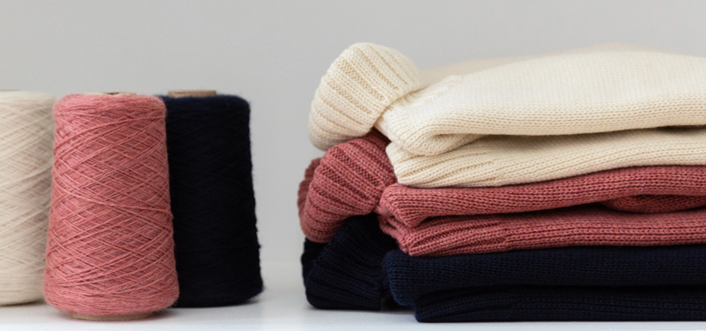
Wool is a common fabric for turtlenecks. It offers considerable warmth in chilly temperatures. Wool turtlenecks usually have a rigid fit. This cloth retains its shape well. It produces a streamlined silhouette. However, some people find wool scratchy on their skin. Look for merino wool for a softer feel. Merino wool is less itchy and more breathable. It provides both comfort and warmth.
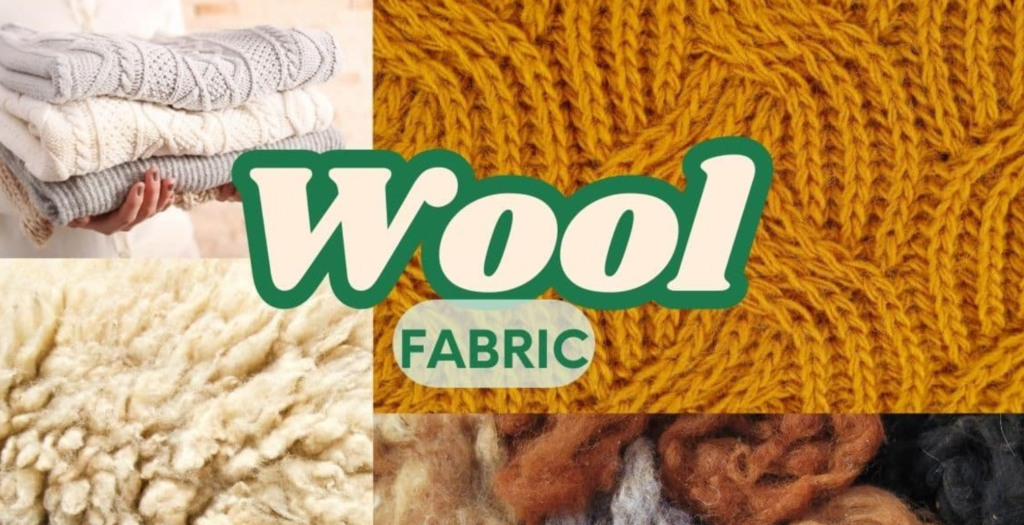
Wool comes from sheep fleece. The fibers are naturally crimped. This crimp traps insulating air. Air pockets conserve body heat. Wool regulates temperature efficiently. It keeps warmth during winter. It releases excess heat indoors. Wool absorbs moisture vapor. It can absorb thirty percent moisture. It still feels dry outside. This property improves comfort. Wool resists odor buildup naturally. It contains antimicrobial properties. Lanolin adds mild water resistance. Wool fibers bounce back easily. This improves turtleneck sweaters durability. High twist yarn increases strength. Low twist yarn feels softer. Merino fibers are finer. Finer fibers reduce skin irritation. Wool requires gentle washing methods. Cold water prevents shrinkage. Flat drying preserves structure. Proper care extends lifespan greatly. Quality wool lasts many seasons.
Cashmere: Luxurious Softness
Cashmere is synonymous with luxury. These turtlenecks feel wonderfully delicate to the touch. They felt warm yet not heavy. This cloth drapes elegantly, giving an exquisite appearance. Cashmere is lightweight, making it ideal for layering. However, it takes careful attention. Cashmere can be fragile and prone to pilling. Proper cleaning and storage are required to retain its quality.
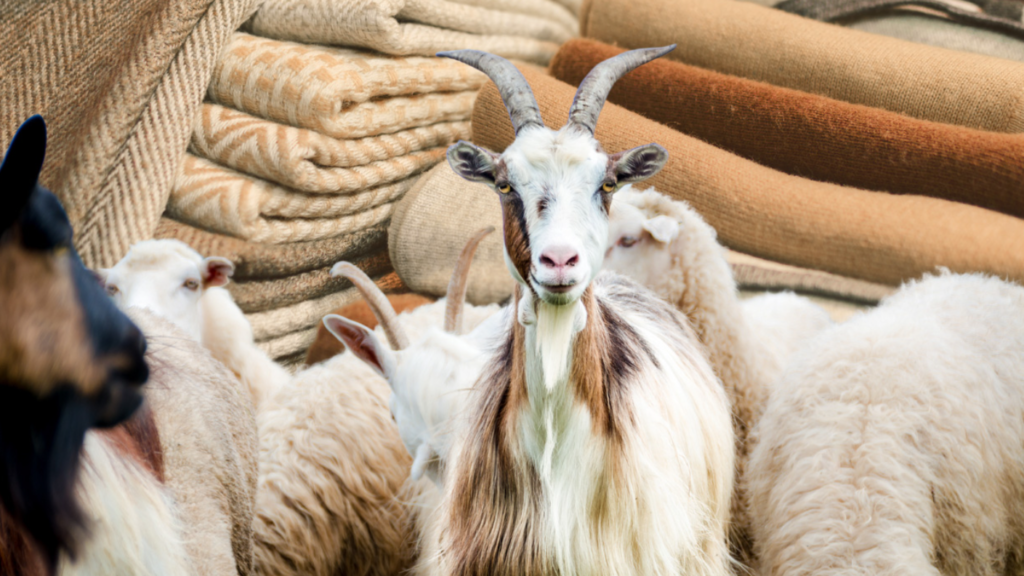
Cashmere fibers come from goats. Specifically from undercoat hair. Goats live in cold regions. Harsh climates produce fine fibers. The fibers are extremely thin. Thin fibers create softness. They trap heat effectively. Cashmere provides excellent insulation in turtulneck sweaters. It weighs less than wool. It feels smooth against skin. High grade cashmere pills less. Longer fibers increase durability. Two ply yarn improves strength. Single ply feels lighter. Gentle washing prevents fiber damage. Use mild detergents only. Avoid wringing the fabric. Store folded, not hanging. Cedar blocks deter moths. Proper storage maintains softness. Premium cashmere lasts years. It remains a wardrobe investment.
Cotton: Breathable Comfort
Cotton turtlenecks are ideal for everyday use. They are airy and comfy at various temperatures. This fabric feels soft against the skin, making it ideal for those with sensitive skin. Cotton turtlenecks often have a casual fit. They’re ideal for casual outings or lazing at home. Cotton, however, does not provide as much warmth as wool or cashmere. It is suitable for the transitional seasons of spring and fall.
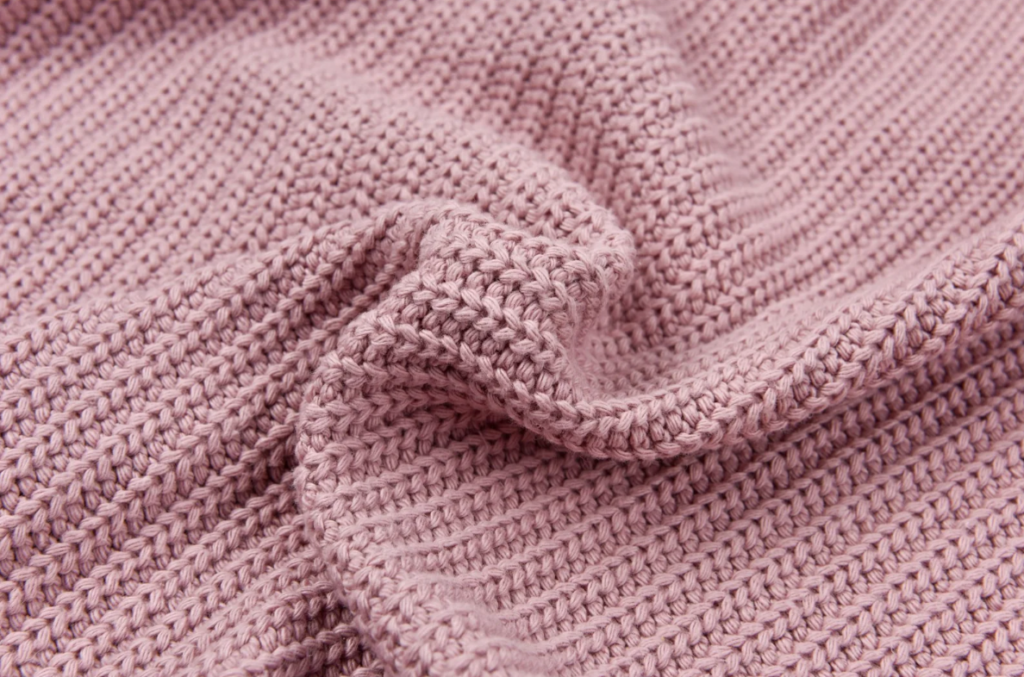
Cotton comes from plant fibers. The fibers allow air circulation. This increases breathability. Cotton absorbs moisture quickly. It feels cool in warm weather. It rarely irritates skin. Organic cotton reduces chemical exposure. Combed cotton feels smoother. Ringspun cotton increases softness. Cotton stretches less naturally. Blends may improve flexibility. Cotton wrinkles more easily. Ironing restores neat appearance. Machine washing is usually safe. Warm water prevents shrinkage. Avoid high heat drying. Cotton holds color well. It suits daily wear routines. Cotton turtleneck sweaters provide comfort and practicality.
Acrylic: Affordable Versatility
Acrylic is a synthetic material that is widely used for turtlenecks. It resembles wool but costs less. Acrylic turtlenecks are both light and warm. They are available in a range of colors and designs. This material is also easy to take care of. It resists shrinking and fading. However, acrylic may be less breathable than natural fabrics. This might cause discomfort in warmer weather.
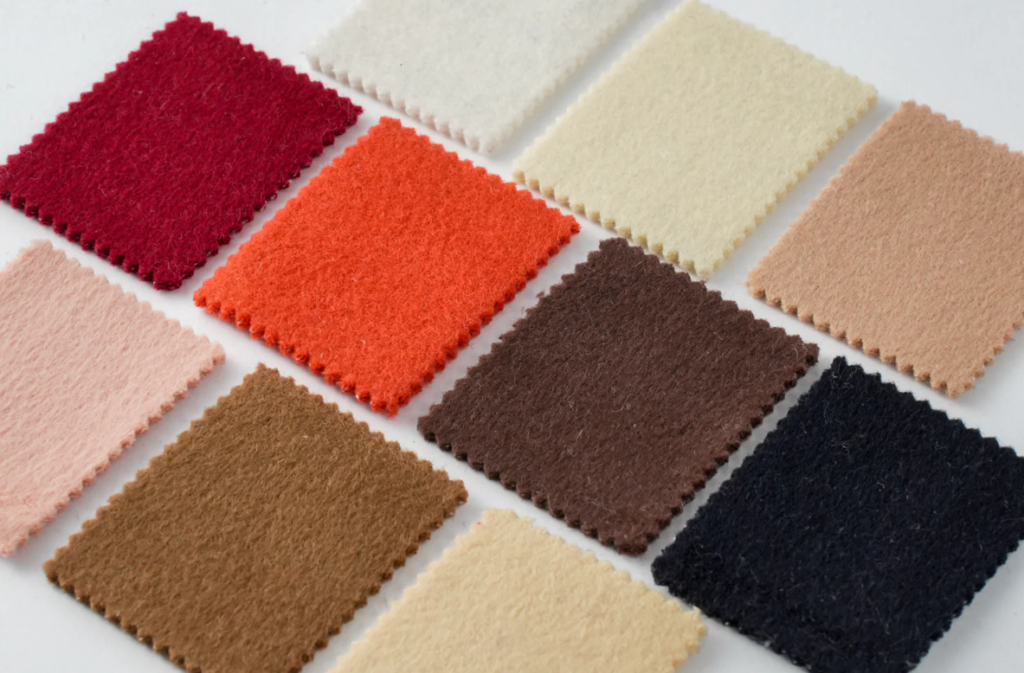
Acrylic fibers are petroleum based. They are engineered for softness. Modern technology improves texture quality. Acrylic dries quickly after washing. It resists moth damage. It holds vibrant dyes well. This ensures lasting color. It keeps its shape effectively. Static buildup may occur sometimes. Fabric softeners reduce static effects. Acrylic blends improve breathability. It suits budget friendly wardrobes. It performs well in mild cold. Heavy acrylic may trap heat. Proper ventilation prevents discomfort. Affordable pricing increases accessibility. Many brands offer acrylic turtleneck sweaters. It remains a popular choice.
Blends: The Best of Both Worlds
Many turtlenecks use fabric blends. Blending fibers like cotton and polyester creates versatile options. These blends combine the benefits of each material. For example, a cotton-polyester blend offers breathability and durability. It can also reduce wrinkles, making it easier to care for. Blended fabrics generally provide a smoother feel, offering comfort all the day.
Wool blends reduce itching. Polyester increases structural strength. Spandex adds flexibility. Blends enhance moisture management. They often dry faster. Blended yarns resist shrinking better. They maintain shape longer. Manufacturing costs remain moderate. Blends allow design innovation. Different ratios change performance. Higher cotton means more breathability. Higher polyester means more resilience. Care instructions become simpler. Many blends are machine washable. This increases practicality greatly. Blended knits balance softness and structure. They suit varied climates. Consumers appreciate this versatility.
Stretch Fabrics: Flexibility and Movement
Some turtlenecks have stretch textiles such as spandex. This addition offers us greater flexibility. Stretchy turtlenecks move with your body. They create a fitting appearance without being constricting. This characteristic is especially crucial for activewear. Turtlenecks with spandex are great for layering beneath jackets and coats. They hold their shape even after continuous wear.
Spandex fibers stretch significantly. They recover original shape quickly. Even small percentages improve comfort. Stretch reduces seam stress. It enhances garment longevity. Athleisure styles use stretch widely. Stretch knits hug contours gently. They prevent sagging elbows. Ribbed knits enhance flexibility further. Stretch supports body movement. It improves confidence and ease. Excessive stretch may reduce durability. Balanced composition ensures performance. Proper washing protects elasticity. Avoid high heat drying. Heat weakens elastic fibers. With care, stretch lasts long.
Thickness: Impact on Warmth and Style
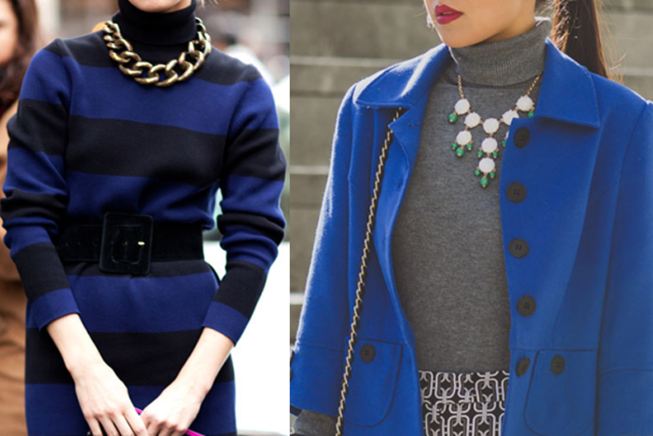
Fabric thickness is also a major consideration. Thicker turtlenecks add warmth. They exude a cozy, bundled-up atmosphere. They can, however, add heft to the silhouette. Thinner turtlenecks have a more cohesive appearance. They are perfect for layering without adding any weight. The optimum thickness varies depending on personal preferences and climate.
Yarn gauge determines thickness level. Low gauge means chunky knit. High gauge means fine knit. Fine knits appear refined. Heavy knits appear casual. Thickness influences drape quality. Thicker fabrics hold structure. Thinner fabrics contour smoothly. Climate guides thickness choice. Cold regions need insulation. Mild climates need lighter knits. Indoor heating reduces thickness need. Personal preference matters greatly. Balance warmth with comfort. Select thickness for versatility. Proper storage preserves knit integrity. Fold heavy knits carefully. Avoid stretching fine knits. Thickness shapes style perception.
Texture: Adding Visual Interest
A turtleneck’s texture can greatly influence how it feels. Textured fabrics, like cable-knit, add depth and interest. These designs make the sweater more visually appealing. Smooth textiles provide a more polished appearance. The texture can also affect how the fabric drapes on the body. A textured turtleneck can create a more casual vibe, while smooth options are more formal.
Cable patterns originated historically. They symbolized maritime heritage. Textured knits feel cozy visually. They suit casual styling. Smooth knits feel formal. They complement tailored outfits. Texture affects drape behavior. Thick cables add structure. Fine ribs enhance flexibility. Texture influences layering ease. Bulky textures add volume. Smooth surfaces layer better. Consider outfit balance carefully. Texture should match occasion. Subtle textures increase versatility. Dramatic textures create statement looks. Visual depth enhances wardrobe interest.
Conclusion
Understanding fiber properties improves decisions. Climate influences fabric selection. Lifestyle determines durability needs. Proper care increases longevity. Quality materials justify investment. Affordable options expand accessibility. Each fabric offers unique benefits. Choose based on comfort priorities. Balance warmth with breathability. Consider maintenance requirements carefully. Evaluate texture and thickness. Select turtlenecks matching daily routines. A well chosen turtleneck elevates style. Fabric knowledge ensures satisfaction.
The fabric used in turtleneck sweaters determine its fit and feel. Wool gives warmth and structure, while cashmere adds luxury. Cotton provides breathability, while acrylic is affordable. Blended textiles combine benefits, whereas stretch materials increase flexibility. Thickness and texture both play important roles. Understanding these factors can help you choose the perfect turtleneck. Select a fabric that suits your style and comfort needs!
FAQ’s
How does the fabric affect the warmth of a turtleneck sweater?
Fabric determines insulation and heat retention. Wool and cashmere trap air effectively. Cotton and acrylic provide lighter warmth.
What are the benefits of wearing cashmere turtleneck sweaters?
Cashmere offers exceptional softness and lightweight warmth. It drapes elegantly on the body. It provides insulation without bulk.
How does the thickness of the fabric influence a turtleneck’s fit?
Thicker fabrics create structure and volume. They may add bulk to the silhouette. Thinner fabrics provide a sleek, streamlined fit.
Are blended fabric turtlenecks more versatile?
Yes, blends combine strengths of different fibers. They improve durability, comfort, and wrinkle resistance. This makes them suitable for varied climates and occasions.
How do stretchy fabrics affect the fit of turtleneck sweaters?
Stretch fabrics enhance flexibility and body movement. They create a close fit without restriction. They also help maintain shape after repeated wear.